

 English
 русский



Choosing a Piston Pneumatic Valve is not simply a matter of selecting a valve that matches the pipe connection. The working environment, required movement, air supply, operating cycle, installation space, medium, and control method can all affect whether a particular valve configuration fits an industrial system.
This is why two projects with similar equipment may still require different valve arrangements. A valve used on an automated production machine may have different requirements from one installed in a process pipeline or material handling system.
For engineers, equipment manufacturers, and purchasing teams, the practical question is not only which valve is available. It is which configuration makes sense for the actual application.
Start With the Application, Not the Product Name
A useful valve selection process begins with the job the valve needs to perform.
Before looking closely at product drawings or connection options, consider what the pneumatic valve will control and how it will operate during normal production.
| Selection Area | Questions to Consider |
|---|---|
| Application | What equipment or process will the valve operate? |
| Movement | Does the system require linear or rotary movement? |
| Operation | Is the valve expected to operate in one direction or both directions? |
| Air Supply | Is the available compressed air suitable for the selected configuration? |
| Medium | What fluid or gas will pass through the valve? |
| Environment | Will the valve face moisture, dust, vibration, temperature changes, or corrosive conditions? |
| Installation | How much space is available for the valve and related components? |
| Maintenance | Can the valve be inspected and serviced without major equipment changes? |
These questions help turn a general product search into a practical specification. Industrial valve selection is generally more reliable when application conditions are considered as a connected group rather than as isolated specifications.
What Type of Movement Does Your System Need?
Movement is one of the first technical points worth checking.
Some pneumatic systems need a straight movement to push, pull, clamp, position, or release a component. Others require rotary movement to open or close a valve or operate another mechanical element.
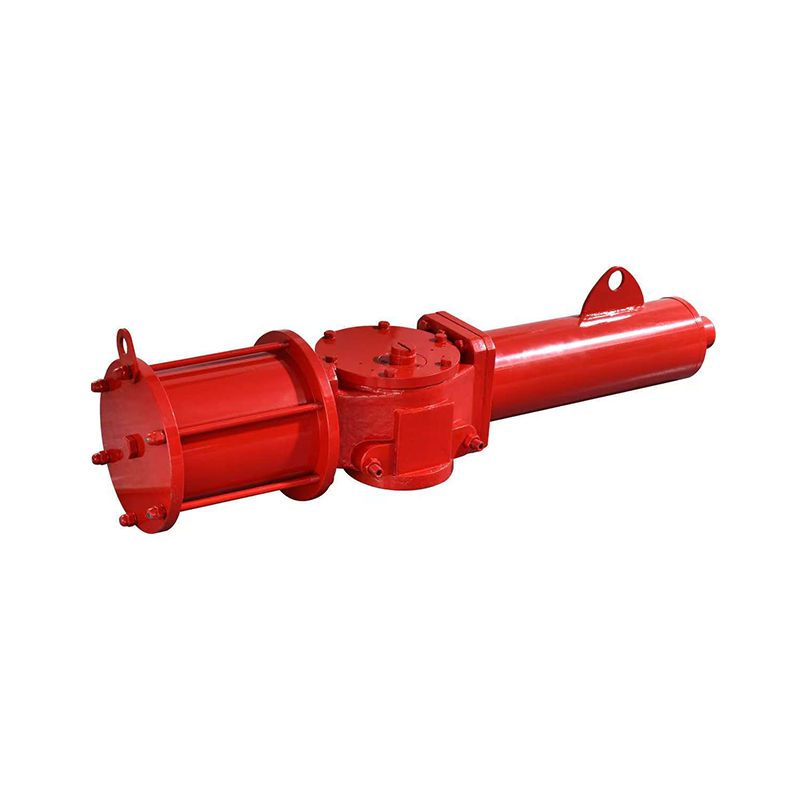
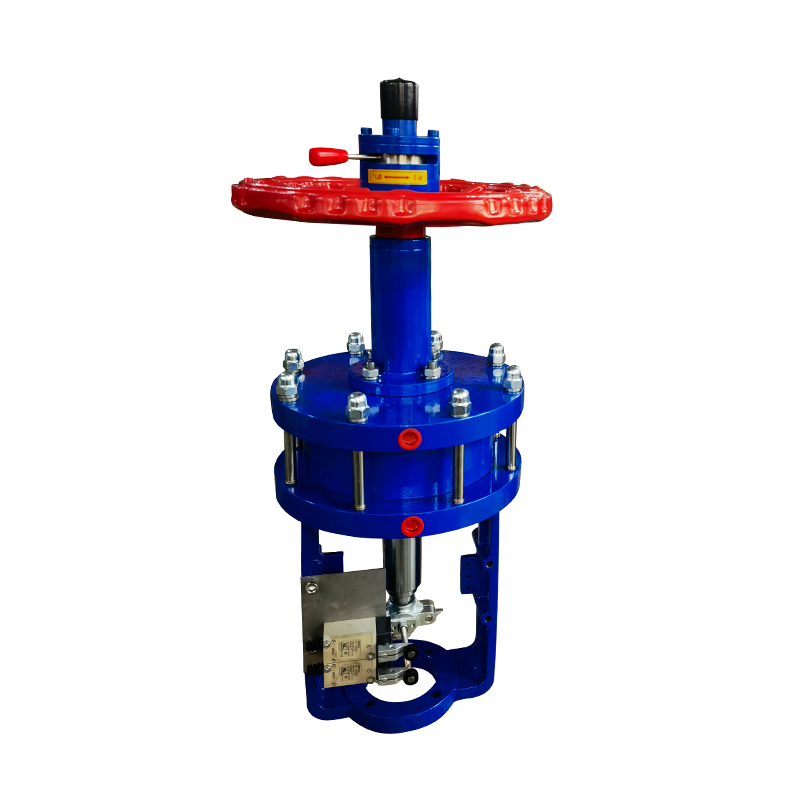
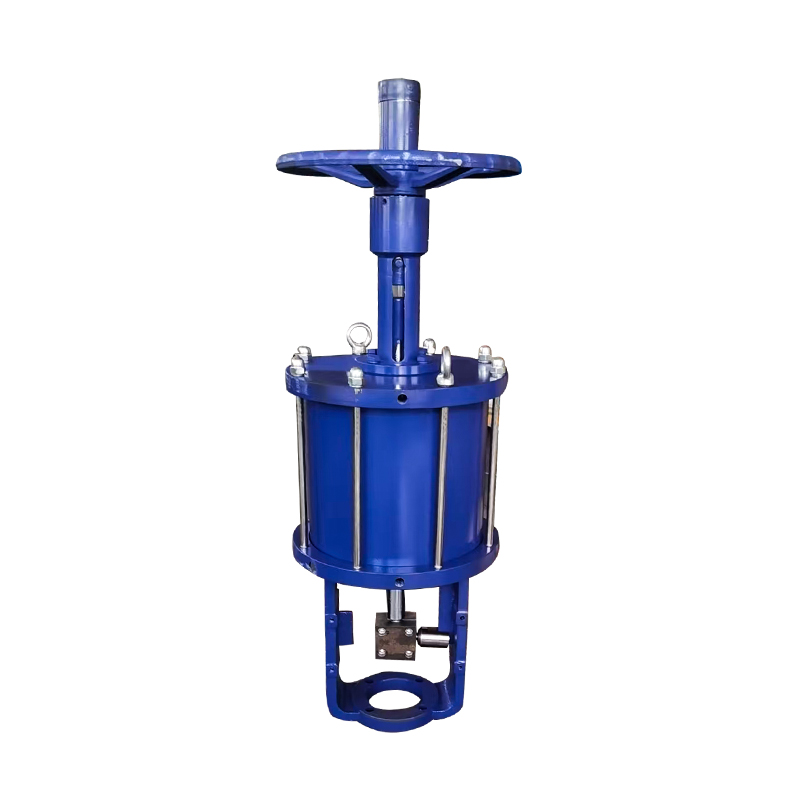
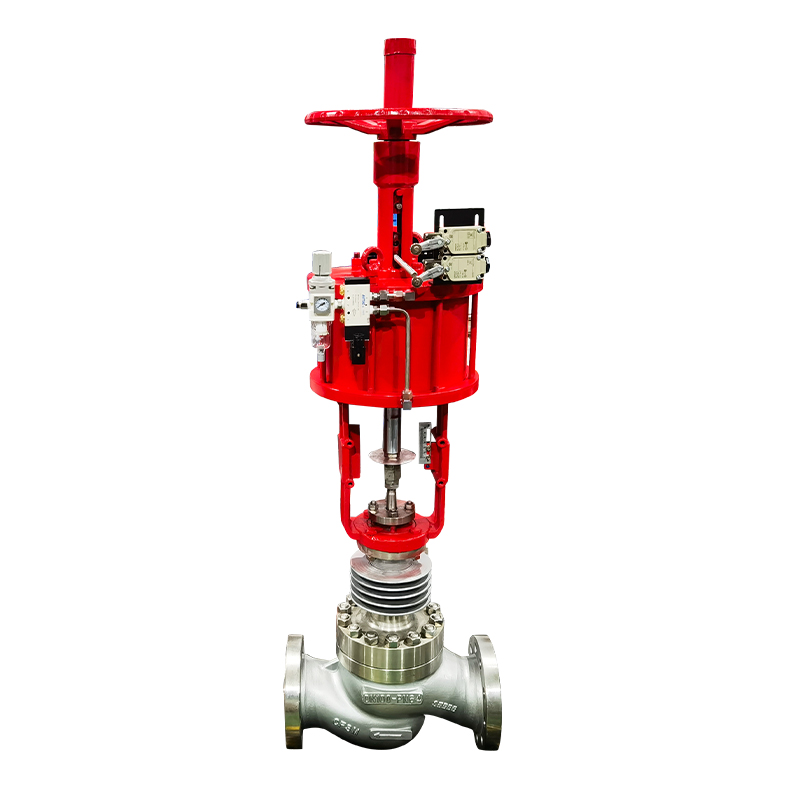
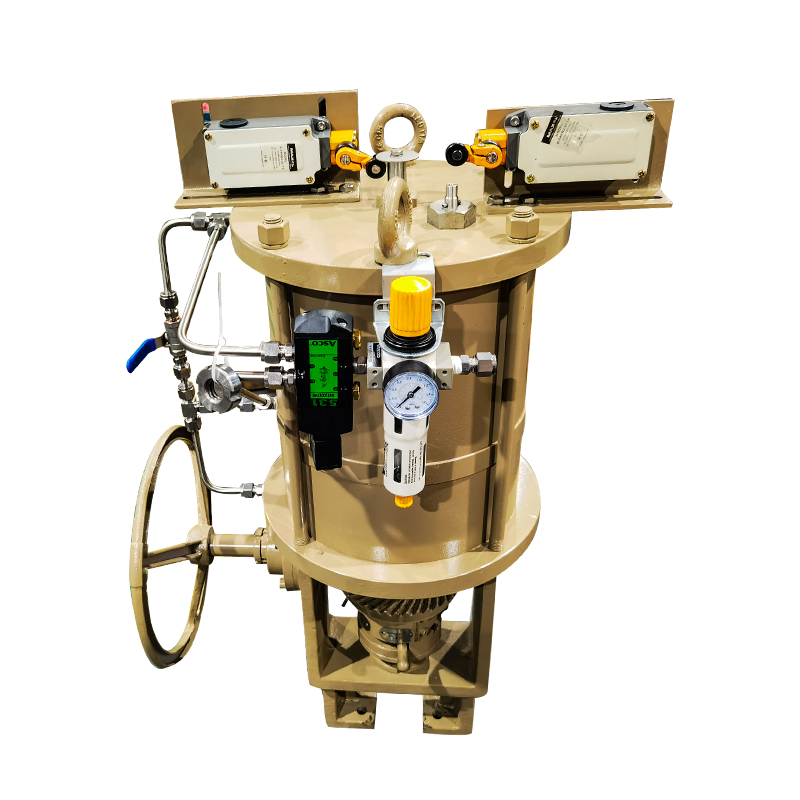
A piston-based pneumatic arrangement is particularly relevant when the system relies on controlled piston movement to create mechanical action. The way that movement is transferred into the equipment should therefore be considered before selecting the final configuration.
Linear Applications
Linear pneumatic movement can be found in equipment used for clamping, positioning, pressing, sorting, handling, and automated assembly.
In these systems, the valve and actuator arrangement should work together. The available air supply, required movement, operating frequency, and load should be reviewed as part of the same selection process.
Rotary Applications
Rotary pneumatic systems are commonly associated with automated valve operation and equipment that needs controlled angular movement.
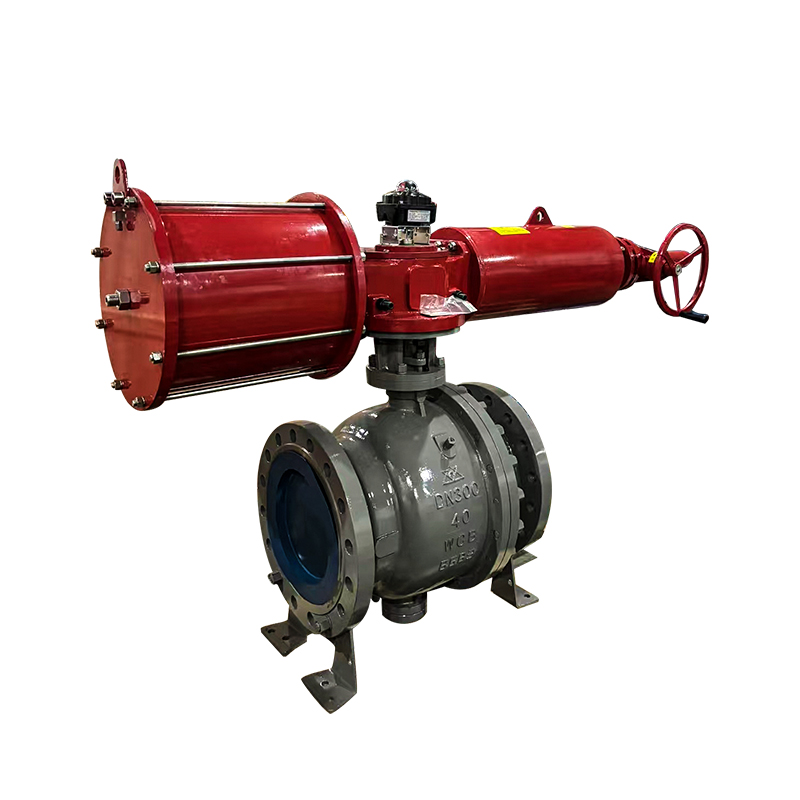
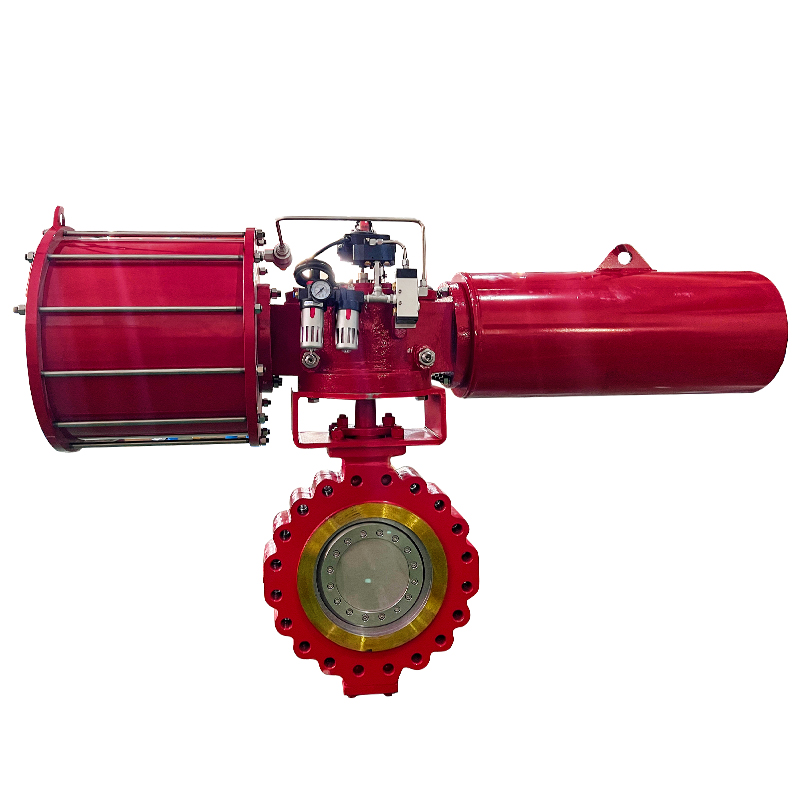
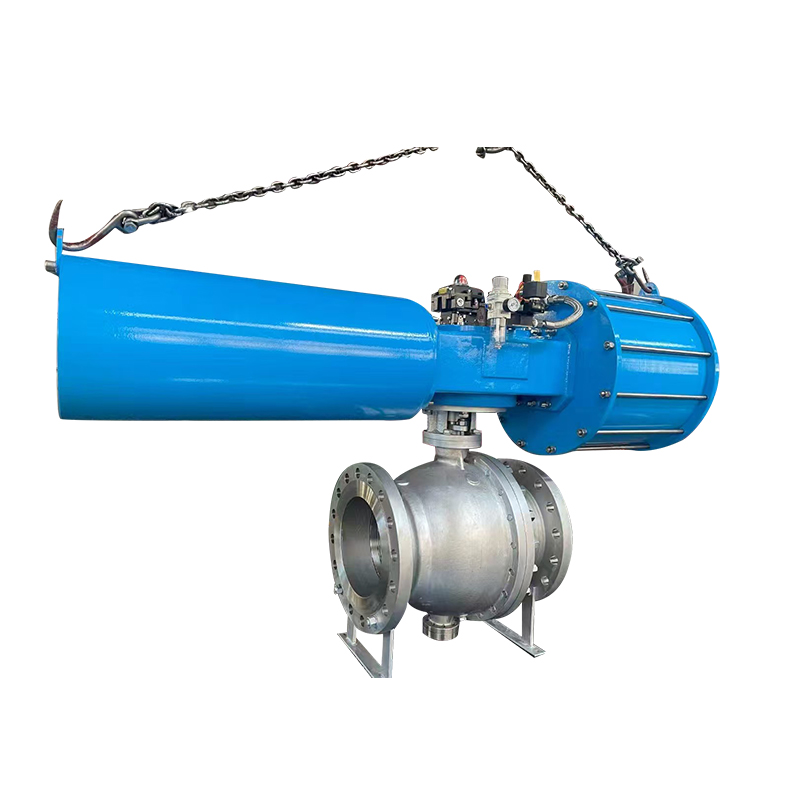
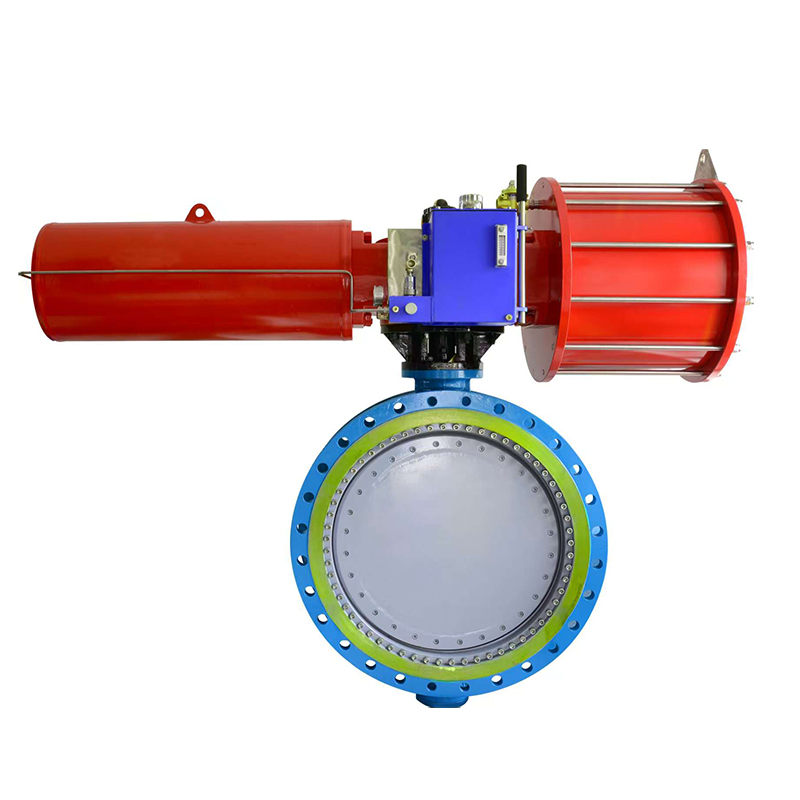
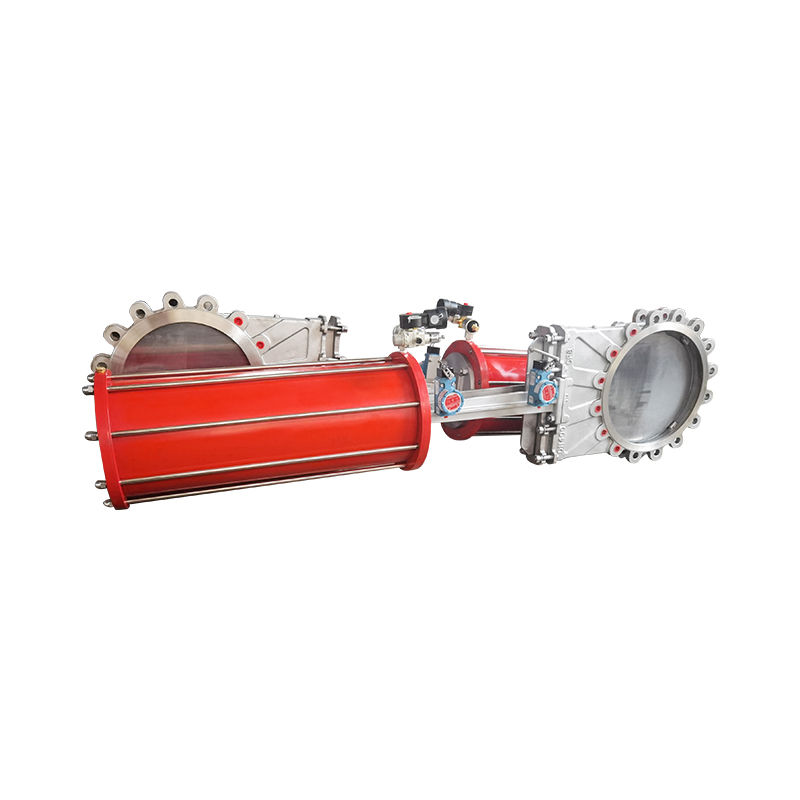
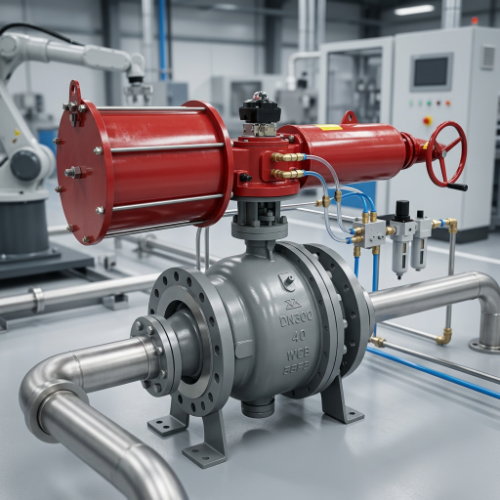
When a pneumatic actuator is connected to a process valve, the actuator and valve should be treated as one working assembly. The actuator needs to provide the movement required by the valve throughout its operating range. This is one reason actuator selection should not be separated from the valve application.
Single Acting or Double Acting: What Does Your System Need?
Another important question is how the pneumatic mechanism should move during operation.
A single-acting arrangement uses pneumatic force for one direction of movement, with a spring or another external force helping with the return movement. A double-acting arrangement uses pneumatic force for movement in both directions.
| Consideration | Single Acting | Double Acting |
|---|---|---|
| Movement | Pneumatic movement in one direction with return assistance | Pneumatic control in both directions |
| Control Requirement | Suitable when one controlled movement is required | Useful when both directions need pneumatic control |
| System Design | Includes a return mechanism such as a spring | Uses air supply for both movement directions |
| Application Fit | Can suit simpler movement requirements | Can suit applications requiring controlled forward and return movement |
The appropriate choice depends on the machine design and required operating sequence rather than on the valve type alone. Wisley also describes single-acting and double-acting pneumatic configurations as serving different movement requirements.
How Does Air Supply Affect Valve Selection?
Compressed air is the working energy behind a pneumatic system, so the available air conditions should be reviewed before a valve is specified.
The selection should consider the actual operating conditions rather than simply looking at the nominal capacity of the plant air system.
For example, a pneumatic system may have several machines operating at the same time. Pressure changes, air demand, tubing arrangement, and other pneumatic components can influence how much usable air reaches the valve.
This makes the following questions useful:
- Is the air supply stable during normal operation?
- Is the compressed air properly prepared for the equipment?
- Will several pneumatic devices operate at the same time?
- Does the application require rapid or repeated movement?
- Could tubing length or system layout affect response?
The valve should be selected based on the actual pneumatic system rather than an isolated catalog value. A recent pneumatic selection guide similarly recommends considering pressure states, flow demand, actuator requirements, installation conditions, and control interfaces together.
What About the Working Medium?
The medium passing through a valve is another important part of the selection process.
Different industrial environments may involve air, gases, water-based fluids, process fluids, or other media. The compatibility between the medium, valve body, internal components, sealing materials, and operating environment needs to be confirmed before ordering.
This is particularly important when the valve will operate in chemical processing, oil-related equipment, power applications, or other industrial environments where material compatibility can become a practical concern.
Instead of asking only whether a valve is suitable for a certain industry, it is more useful to describe the actual service conditions to the valve manufacturer. The more complete the application information, the easier it becomes to discuss an appropriate configuration.
Does Installation Space Matter?
It is easy to focus on the valve itself and forget about the surrounding equipment.
In an existing machine, available space may be limited by piping, brackets, actuators, electrical components, protective covers, or nearby equipment. A configuration that works on paper may become difficult to install if there is not enough room for connections or maintenance access.
Before purchasing, check:
- Connection orientation
- Available mounting space
- Access for inspection
- Access for future maintenance
- Clearance around moving parts
- Compatibility with existing pneumatic components
Installation should be considered early rather than after the product has already been selected.
What If the Valve Will Be Used Frequently?
Operating frequency can change the way a valve should be evaluated.
A machine that operates occasionally may have different requirements from an automated production line that repeats the same movement throughout the working day.
For frequent cycling, buyers should consider the relationship between valve construction, seals, moving components, air quality, lubrication requirements, operating conditions, and maintenance access.
The goal is not simply to choose a valve because it can move. The more useful question is whether the complete pneumatic arrangement is suitable for the expected operating pattern.
Where Are Piston Pneumatic Valves Commonly Considered?
Piston pneumatic valves can be relevant to a range of industrial systems where compressed air is used to control mechanical movement.
Typical areas include:
- Automated assembly equipment
- Material handling machinery
- Packaging equipment
- Industrial automation systems
- Process equipment
- Machine tools
- Equipment used in chemical and oil-related applications
- Power industry equipment
The exact valve configuration still needs to be matched to the machine. An application category alone does not provide enough information for final selection.
What Should You Tell a Piston Pneumatic Valve Supplier?
If you are requesting a quotation from a manufacturer, providing detailed application information can make the discussion much more useful.
Instead of sending only a product name, consider preparing the following information:
- Application: Explain what machine or process the valve will serve.
- Movement: Describe the required direction and type of movement.
- Air conditions: Provide the available operating air information.
- Medium: Identify what will pass through the valve.
- Operating frequency: Explain whether the valve will cycle occasionally or repeatedly.
- Installation: Share connection and space limitations when relevant.
- Environment: Mention moisture, dust, temperature, vibration, or chemical exposure where applicable.
- Control method: Explain how the valve will be operated within the equipment.
This information gives the manufacturer a clearer picture of the actual requirement. It also reduces the chance of selecting a configuration based only on one specification.
Why Manufacturer Communication Matters During Selection
A valve catalog can provide useful product information, but industrial projects often involve conditions that are difficult to describe with a single product name.
A manufacturer can review the application details, discuss available configurations, confirm compatibility, and identify information that may still be needed before the final selection.
For OEM projects, customized equipment, or systems with installation limitations, this communication can be particularly useful. Wisley states that its pneumatic and electric actuator product range supports customized product development according to customer requirements, with applications including chemical, petroleum, light industry, power, and natural gas fields.
A Practical Way to Narrow Down Your Choice
If you are still comparing several piston pneumatic valve options, use a simple sequence.
| Step | Selection Question |
|---|---|
| 1 | What does the valve need to control? |
| 2 | What type of movement does the equipment require? |
| 3 | Should the system use single-acting or double-acting operation? |
| 4 | What air conditions are available? |
| 5 | What medium and environmental conditions are involved? |
| 6 | How frequently will the valve operate? |
| 7 | What installation and connection limitations exist? |
| 8 | What information should be confirmed with the supplier? |
This approach keeps the selection process connected to the actual equipment instead of treating the valve as an independent component.
Which Piston Pneumatic Valve Fits Your Application?
The suitable Piston Pneumatic Valve depends on the job it needs to perform. Application conditions, movement, air supply, medium, operating frequency, installation space, control method, and maintenance requirements should all be considered before the final configuration is selected.
For buyers, the easiest way to begin is to define the application clearly. Once those requirements are understood, a pneumatic valve manufacturer can help narrow the available configurations and confirm which product details need further attention.
For industrial projects, a good selection process starts with the system rather than the catalog. When the valve, actuator, air supply, controls, and surrounding equipment are considered together, the final choice can be based on the actual working conditions of the machine.
Wisley provides pneumatic actuators and pneumatic valve solutions for industrial applications and also supports customized product development according to project requirements. If you are evaluating a Piston Pneumatic Valve for a new machine or an existing pneumatic system, sharing the application details with the manufacturer is a practical place to start.