

 English
 русский



Industrial valve purchasing rarely starts with a simple request for a valve pulled off a shelf. A project may already have a defined pipeline layout, limited installation space, a particular operating environment, or equipment that needs to work with an existing control system. These details can make a standard product genuinely difficult to fit without some adjustment along the way.
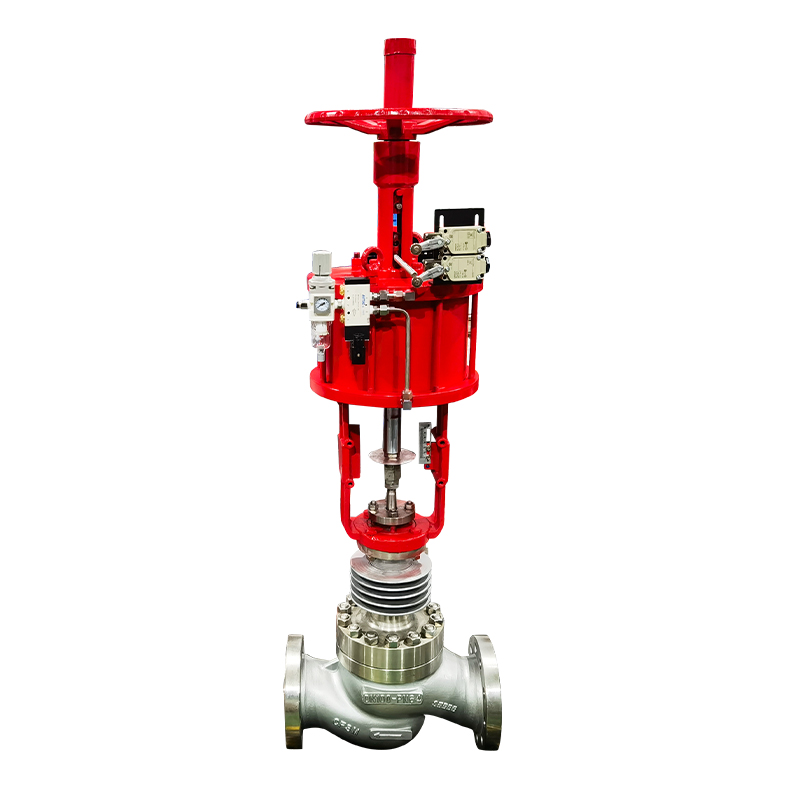
A Pneumatic Gate Valve Supplier may therefore receive requests that involve genuinely more than valve selection alone. Buyers may need help matching the valve structure, connection method, actuator arrangement, material choices, and operating conditions with the requirements of a particular project on the floor.
Customization doesn't always mean creating an entirely new valve from scratch. In many cases, it involves adapting an existing valve design or selecting suitable components around it instead. Understanding what can get discussed with a supplier helps purchasing teams communicate their needs genuinely more clearly and avoid unnecessary changes down the line.
Why Do Buyers Look for Custom Pneumatic Valve Solutions?
Industrial systems are rarely identical from one facility to the next. Two projects may use similar pipelines but have genuinely different installation layouts, operating routines, or control methods behind the wall.
A standard valve may fit one system without changes but create difficulties in another entirely. The connection may not match the existing pipeline running through the floor. The actuator may occupy too much space in a tight equipment room. The valve may also need to operate in an environment where temperature, moisture, dust, or frequent cleaning affects the equipment over time.
This is where customization becomes genuinely part of the purchasing discussion.
| Buyer Requirement | Possible Customization Focus |
|---|---|
| Existing pipeline | Connection arrangement |
| Limited installation space | Actuator and valve layout |
| Automated operation | Actuation and control arrangement |
| Special environment | Material and protection choices |
| Frequent operation | Suitable operating configuration |
| Project-specific equipment | Interface and installation compatibility |
A supplier that understands these requirements can discuss the available options before the purchase gets finalized on paper. The important point is defining the actual problem, rather than simply asking for a modified product without context. Clear application information gives the supplier a genuinely better basis for discussing suitable configurations that actually work.
What Valve Structure May Need to Be Customized?
Valve structure affects how the product fits into a pipeline and how it operates during genuine use on the line. Different valve types serve different flow control purposes depending on the job. A gate valve, for example, uses a gate element to open or close the passage cleanly. Butterfly valves use a rotating disc instead and can have a genuinely different installation and operating arrangement altogether.
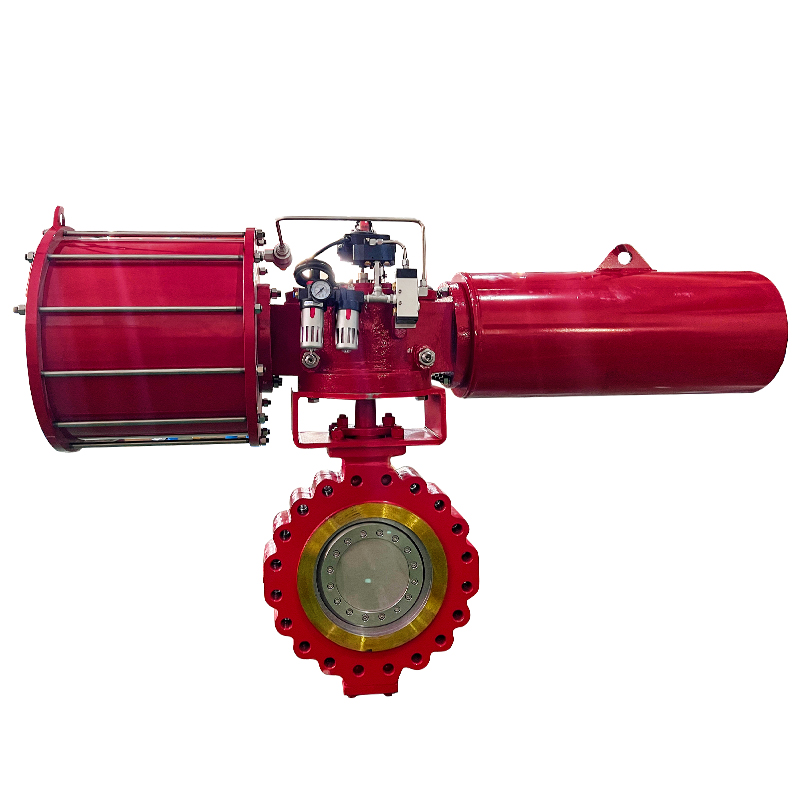
For buyers considering pneumatic equipment, the structural choice should reflect the genuine role of the valve within the system it's joining. A Pneumatic Wafer Butterfly Valve may get considered when the installation layout calls for a compact valve arrangement between connected pipeline sections. Its structure can also make it genuinely relevant to systems where installation space needs careful consideration from the start.
Customization discussions may involve valve body arrangement alongside internal component selection suited to the fluid. Connection position matters too, along with actuator mounting worked out with the surrounding equipment. Operating orientation deserves attention, along with installation access planned for future servicing.
The exact combination depends genuinely on the project at hand. A buyer should explain how the valve will get installed and what surrounding equipment already exists on the floor. This information can help the supplier determine whether an existing configuration is suitable, or whether changes genuinely need discussion before production starts.
How Does the Connection Method Affect Custom Valve Selection?
Connection compatibility is a genuinely practical purchasing concern worth sorting out early. A valve needs to connect with the surrounding pipeline in a way that fits the system layout already installed. If the connection arrangement doesn't match, additional work may get required during installation that nobody budgeted for.
Different projects may use genuinely different connection methods depending on the pipeline design and equipment arrangement already in place.
| Connection Consideration | Buyer Question |
|---|---|
| Pipeline layout | How will the valve be positioned in the line? |
| Installation space | Is there enough room around the connection area? |
| Existing equipment | Does the valve need to connect with installed components? |
| Maintenance access | Can the connection area remain accessible? |
| Replacement needs | Does the new valve need to match an existing arrangement? |
A Pneumatic Gate Valve Supplier can use this information when discussing suitable connection options for the project. This proves especially useful for replacement projects where a buyer isn't designing a new pipeline from scratch. Instead, an existing valve may need replacement while keeping much of the surrounding system genuinely unchanged around it.
Providing photographs, drawings, connection information, or a clear description of the installation can make these discussions genuinely more productive for everyone involved.
Can the Actuation Method Be Adapted to Project Needs?
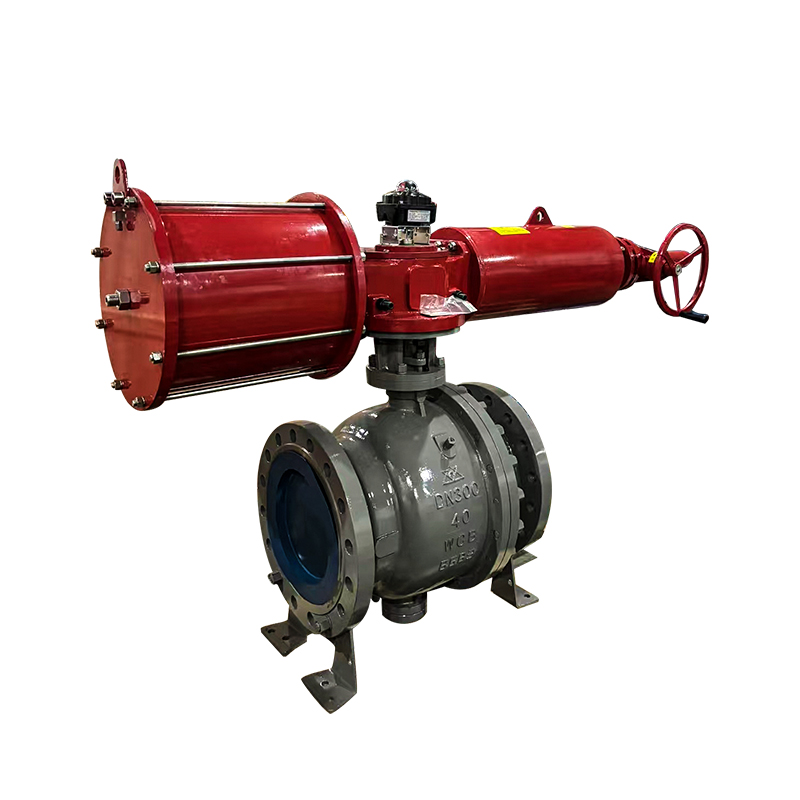
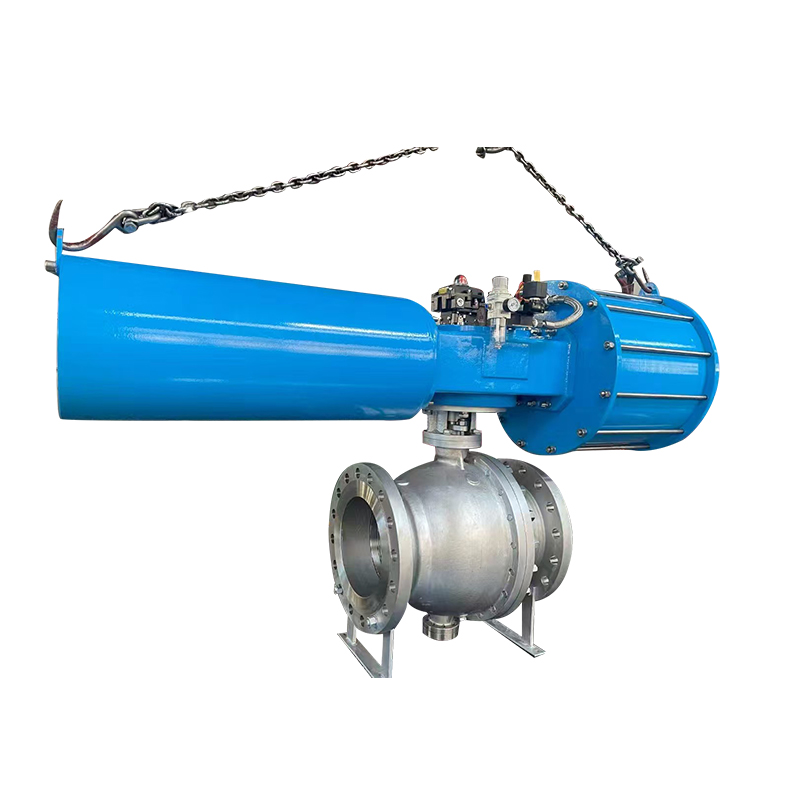
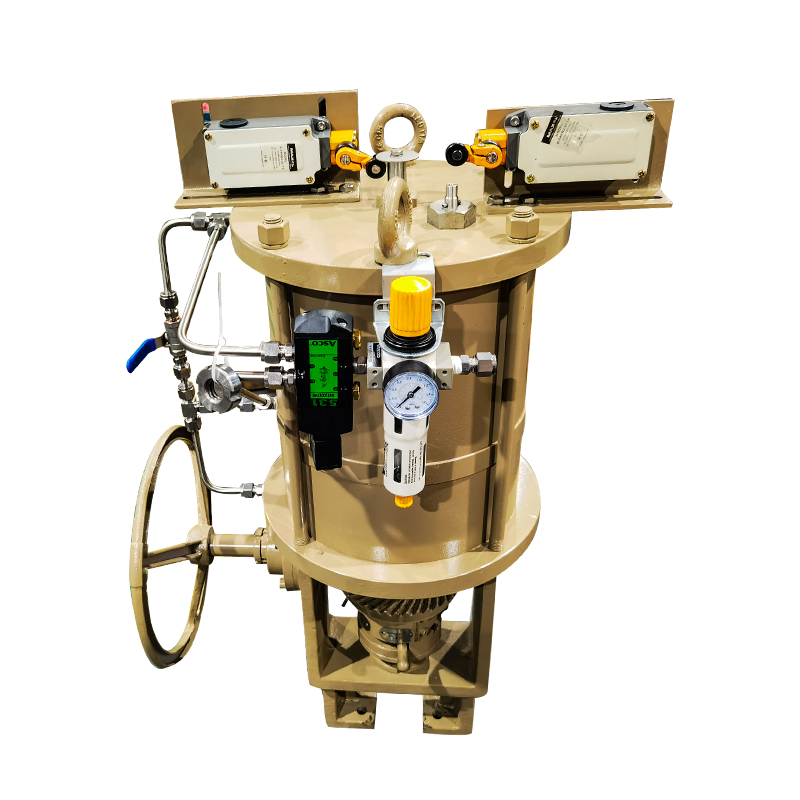
Pneumatic operation proves useful in systems where compressed air is already available and automated valve movement is genuinely required for the process. However, the actuator isn't simply an accessory added after valve selection is settled. Its size, mounting arrangement, movement, and relationship with the valve all affect how the finished assembly genuinely fits into the equipment around it.
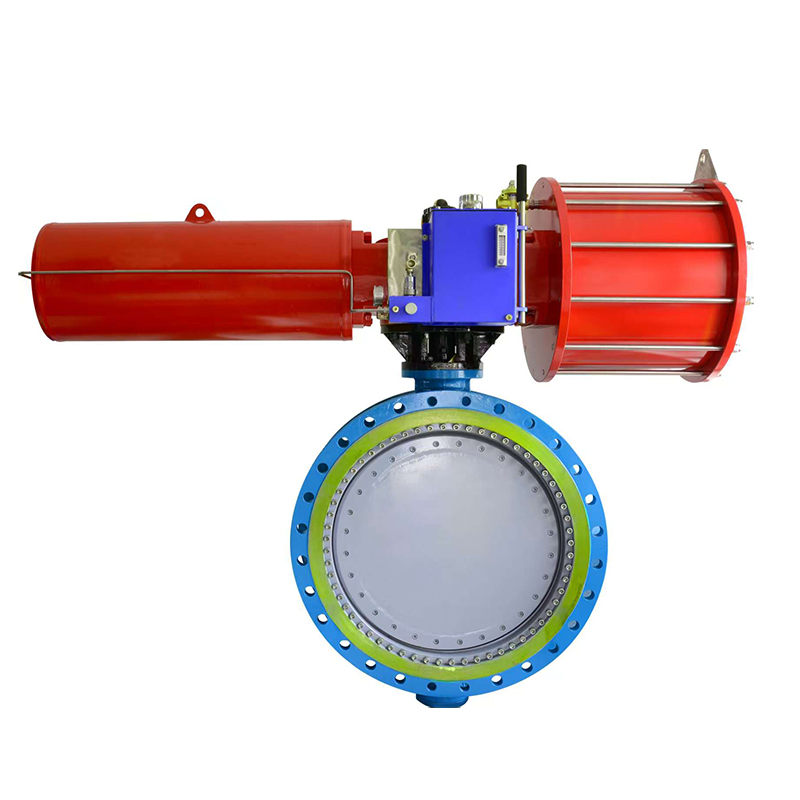
An Air Operated Butterfly Valve is one example of a valve arrangement where pneumatic actuation forms a genuinely important part of the operating system as a whole. Buyers may need to discuss whether the valve should get controlled locally, through an automated system, or through another control arrangement already used elsewhere in the facility.
The supplier may also need to understand how often the valve operates during a shift, and how quickly the system needs to respond once triggered. These details can genuinely influence the proposed configuration recommended.
Rather than requesting a specific actuator without explaining the application, buyers can describe the operating process instead. This gives the supplier genuinely more context for discussing the available actuation options that fit.
What Environmental Conditions Should Buyers Tell the Supplier?
A valve doesn't operate in isolation from its surroundings. The surrounding environment can affect material selection, protection requirements, maintenance needs, and the way the valve gets installed on site.
A valve used inside a clean production area may face genuinely different conditions from one installed outdoors or near equipment that produces dust and moisture regularly. Buyers should consider the environment around the valve carefully before ordering.
Relevant information can include indoor or outdoor installation alongside exposure to moisture expected on site. Presence of dust or particles matters too, along with contact with cleaning processes run regularly. Surrounding temperature conditions deserve mention, along with frequency of operation planned for the unit. Accessibility for inspection and maintenance rounds out the picture worth sharing.
This information helps the supplier understand what the valve will genuinely face during normal operation throughout the year. It can also prevent a common purchasing problem: selecting a valve based only on its basic function, while overlooking the environment where it will actually get installed and used daily.
How Do Project Requirements Influence Valve Customization?
A project often has requirements that aren't genuinely obvious from the valve itself sitting on a spec sheet. The valve may need to fit within an existing machine already on the floor. It may need to connect with a particular pipeline arrangement running through the building. It may also need to operate as part of an automated sequence tied to other equipment.
These requirements can genuinely influence the complete valve assembly ordered. A food processing system, for example, may place genuinely greater attention on cleaning and material contact throughout the day. A water handling system may focus genuinely more on installation and routine operation instead. A manufacturing line may need the valve to communicate with other automated equipment running nearby.
The purchasing team can describe the project in genuinely practical terms rather than abstract specs.
| Project Detail | Why It Matters |
|---|---|
| Valve location | Influences installation and access |
| Operating process | Helps define valve function |
| Existing equipment | May affect connection and mounting |
| Control system | Influences actuation arrangement |
| Maintenance routine | Affects accessibility |
| Space around valve | Helps determine physical arrangement |
The supplier can then assess which parts of the valve genuinely need attention for this particular job. This approach usually proves genuinely more useful than requesting customization without describing the project conditions surrounding it.
When Is a Pneumatic Gate Valve More Suitable Than a Butterfly Valve?
Valve selection should genuinely begin with the job the valve needs to perform on that line. A pneumatic gate valve and a pneumatic butterfly valve don't have identical structures or operating characteristics built in. Their suitability depends genuinely on the pipeline and process requirements at hand.
A gate valve may get considered where the system requires a particular type of shutoff arrangement suited to that flow. A butterfly valve may get considered where its rotating disc structure and installation format genuinely fit the application better.
The purchasing decision can therefore involve questions such as whether the valve is mainly used for opening and closing, and how much installation space is genuinely available around it. What connection arrangement the pipeline uses matters too, along with how the valve will get actuated once installed. How often the valve will operate deserves thought, along with what maintenance access is genuinely available for servicing later.
A Pneumatic Gate Valve Supplier can discuss these points with the buyer before recommending a configuration that fits. The goal isn't treating one valve type as suitable for every project across the board. The valve should genuinely match the actual role it has within the system it's joining.
How Can Buyers Communicate Custom Requirements Clearly?
Communication can genuinely determine how smoothly a customized order develops from quote to delivery. A buyer may know exactly what problem needs solving but describe it only as a request for a special valve without further detail. The supplier then has to ask several additional questions before genuinely understanding the application at hand.
A genuinely more structured request can save time for both sides.
| Information to Provide | Example of What to Explain |
|---|---|
| Application | What process uses the valve? |
| Installation | Where will the valve be installed? |
| Pipeline | What existing arrangement does it connect to? |
| Operation | How is the valve expected to move? |
| Environment | What conditions surround the valve? |
| Automation | How will the valve be controlled? |
| Project goal | What handling or flow-control issue needs to be addressed? |
Drawings and photographs can also prove genuinely helpful when physical space or connection details are difficult to describe with words alone. Clear communication gives both sides a genuinely shared starting point to work from.
It also helps separate genuine customization needs from features that may already be available in an existing product configuration on the shelf.
Can Suppliers Adapt Existing Valve Designs?
Customization doesn't always require a completely new product built from scratch. In many purchasing situations, the buyer may need an existing valve with adjustments to the connection, actuator arrangement, mounting position, material selection, or other application-related details.
This can prove a genuinely practical approach when the basic valve structure already fits the intended function reasonably well. The supplier can review which parts can get adapted and which parts genuinely need to remain consistent with the original design.
This distinction matters because every modification can genuinely affect other parts of the assembly down the chain. Changing the actuator position, for example, may affect installation space around the unit. Changing a connection arrangement may affect the surrounding pipeline it joins. Changing material choices may affect production and maintenance considerations later on.
A supplier should therefore discuss the relationship between requested changes, rather than treating each modification as an isolated feature considered alone.
How Does Installation Space Affect Customization?
Industrial equipment often has genuinely limited space to work with on the floor. A valve may be surrounded by pipes, motors, supports, sensors, walls, or other equipment crowded nearby. Even when the valve itself fits the pipeline, the complete assembly may prove genuinely difficult to install or maintain in that tight corner.
Actuator placement becomes especially relevant in automated pneumatic systems packed into small rooms. An Air Operated Butterfly Valve may need enough space for the actuator and related connections to sit comfortably. The installation team may also need room to inspect or replace components later without dismantling half the room.
This makes spatial planning genuinely part of the purchasing process from the start. Buyers can provide a simple layout drawing or photographs showing the area around the valve in question. Such information can help the supplier understand whether the proposed arrangement can genuinely fit the available space on site.
Considering maintenance access at the same stage can also reduce genuinely later installation problems that surface after delivery.
What Role Does Material Selection Play in Custom Valve Requests?
Materials influence how a valve handles its operating environment over its working life. The valve body, internal parts, sealing components, and other elements may need to suit the fluid, surrounding conditions, and expected service routine on that line.
Buyers don't always need to specify every material themselves from a catalog. Instead, they can explain what the valve will handle and describe the surrounding environment it faces daily. The supplier can then discuss suitable material choices based on the actual application at hand.
This can prove particularly useful when the system handles liquids, gases, cleaning agents, or other substances that may genuinely affect valve components over time. Material selection should also get considered alongside maintenance planning from the start.
A material choice that suits the operating environment may still need evaluation in relation to cleaning, inspection, replacement, and long-term handling throughout the valve's service life.
How Can Suppliers Support Different Project Scales?
Custom valve needs can appear in both small replacement jobs and genuinely larger industrial projects spanning a whole facility. A replacement buyer may need a valve that fits an existing connection without much fuss. An equipment manufacturer may need a particular actuator arrangement for a specific machine. A larger project may require several valves with consistent configurations across different pipeline sections throughout the plant.
The purchasing process can therefore vary genuinely according to the project scope at hand. For smaller orders, clear application information can help the supplier identify a practical configuration quickly. For larger projects, drawings, valve lists, installation layouts, and control requirements may provide a genuinely clearer basis for discussion between teams.
Consistency can also matter when several valves get used in the same system throughout a facility. The buyer may want similar connection arrangements, actuation methods, and maintenance practices across related equipment installed together.
A supplier that can discuss these needs as part of the wider project may make the purchasing process genuinely easier to organize from start to finish.
What Should Buyers Check Before Confirming a Custom Valve Order?
Customization creates genuinely more points for discussion than a standard purchase off the shelf. Before confirming an order, buyers can review the complete requirement, rather than focusing on one feature alone.
A useful check can cover valve type and intended function alongside connection arrangement worked out with the pipeline. Actuation method deserves review too, along with installation orientation planned for the space. Available space matters, along with operating environment surrounding the unit. Control requirements deserve a look, along with maintenance access planned for later servicing. Project-specific changes round out the list, along with product documentation kept on file.
The purpose is making sure the requested configuration genuinely matches the actual application it's meant for. A clear confirmation can also reduce misunderstandings between the purchasing team, engineering staff, installation team, and supplier working across departments.
This proves particularly relevant when the valve will become part of a genuinely larger automated system tied to other equipment.
How Can a Pneumatic Gate Valve Supplier Support Ongoing Communication?
A customized valve order isn't only a product transaction settled at checkout. The supplier may need to communicate with the buyer during configuration, production, inspection, packaging, and delivery preparation throughout the process. Clear communication can help both sides respond when application details genuinely change mid-project.
For B2B buyers, useful supplier support may include discussing drawings and confirming installation information as the order develops. Explaining available configurations matters too, along with identifying details that require clarification before production genuinely begins on the floor.
The buyer can also make communication genuinely easier by keeping the project information organized from the start. A clear description of the application, installation area, operating method, and required customization gives the supplier a genuinely practical reference throughout the purchasing process from quote to delivery.
This approach can prove useful whether the project involves a pneumatic gate valve, a Pneumatic Wafer Butterfly Valve, or an Air Operated Butterfly Valve suited to a different setup. The genuinely important consideration is how the valve fits the complete system it's joining.
When valve structure, connection method, actuation, environment, installation space, and project requirements get discussed together, customization becomes a genuinely more organized purchasing process, rather than a series of isolated product changes handled one at a time.