

 English
 русский



A Piston Pneumatic Valve does not usually become a maintenance problem because of one sudden failure. More often, a small change appears first. The valve may move differently, a connection may start leaking, or the system may take longer to complete a normal cycle.
For maintenance teams, finding these changes early can make troubleshooting much easier. The valve itself is only part of the picture. Air quality, seals, fittings, lubrication, operating frequency, and the surrounding environment can all affect how it works.
Why Do Piston Pneumatic Valve Problems Happen?
A pneumatic valve works as part of a larger system. If compressed air contains moisture or particles, the effect may eventually reach internal components. A damaged tube or loose fitting can also change valve behavior even when the valve itself is not damaged.
Some common areas to check include:
- Moisture or contamination in the compressed air
- Air leakage around fittings and connections
- Worn or damaged seals
- Restricted pneumatic tubing
- Unsuitable lubrication
- Frequent operating cycles
- Dust, moisture, vibration, or other environmental conditions
Checking these factors together is often more useful than replacing the valve as soon as a problem appears.
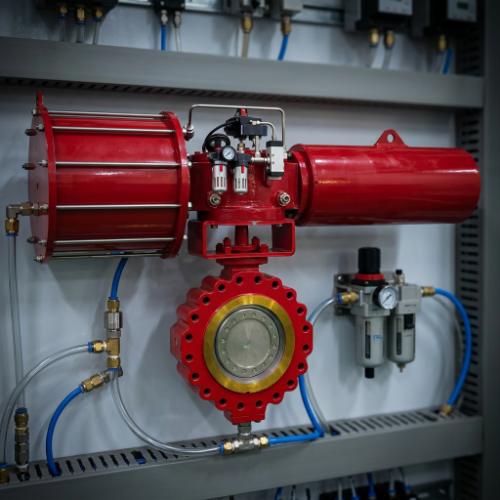
Start With the Compressed Air
Clean air is easy to overlook because compressed air is invisible. Moisture, dust, oil, and other particles can still travel through a pneumatic system.
Filters, water separators, and other air preparation components should be inspected according to the equipment requirements. If a valve suddenly starts behaving differently, checking the air supply is a practical first step.
Poor air preparation can affect moving components and sealing parts over time. Keeping the pneumatic circuit clean can therefore reduce some avoidable maintenance problems.
Could an Air Leak Be the Real Problem?
A small hissing sound around a pneumatic installation may not stop the machine from working, but it should not simply be ignored.
Leaks can develop at fittings, tubing connections, seals, or other points in the pneumatic circuit. A loose fitting or damaged tube may be responsible even when the valve itself is operating normally.
| Area | What to Check |
|---|---|
| Fittings | Loose connections or audible air leakage |
| Tubing | Cracks, damage, or restricted passages |
| Seals | Wear, deformation, or unusual leakage |
| Valve assembly | Changes in movement or operating sound |
Checking these areas first can help avoid replacing a complete valve assembly when the actual problem is elsewhere.
How Do Seals Affect Maintenance?
Seals need to keep air contained while allowing the piston and other moving parts to operate. Repeated movement naturally puts wear on these components.
Contamination, unsuitable lubrication, incorrect installation, and unfavorable operating conditions can also affect seal life.
During inspection, look for air leakage, uneven movement, visible damage, or changes in the valve response. If a seal appears worn, the surrounding air supply and mechanical conditions should also be checked before deciding what needs to be replaced.
Should You Lubricate a Piston Pneumatic Valve?
Not every pneumatic component has the same lubrication requirements.
Some designs are supplied with lubrication already provided, while others may require lubrication during service. Adding lubricant without checking the product instructions may create another problem, especially if the lubricant is not compatible with the sealing materials.
Before servicing a piston pneumatic valve, follow the maintenance instructions for the specific product. Where lubrication is required, use the recommended method and avoid excessive application.
What If the Valve Starts Moving Slowly?
Slow movement is a warning sign, but it does not tell you exactly where the problem is.
Start with the pneumatic circuit. Check the air supply, tubing, fittings, and control components. If these areas appear normal, the valve and actuator can then be inspected more closely.
A simple troubleshooting sequence is:
- Check the air supply.
- Inspect tubing and fittings.
- Look for visible or audible leakage.
- Check the air preparation equipment.
- Observe the valve during a normal operating cycle.
- Inspect seals and moving areas when required.
This method can help distinguish a valve problem from an issue somewhere else in the pneumatic system.
Does Frequent Cycling Increase Maintenance Needs?
It can.
A valve used occasionally has a different workload from one that operates repeatedly in an automated machine. Frequent cycling means that moving components are used again and again, so changes in movement, sealing, and response are worth watching.
For equipment with frequent operation, maintenance teams can compare the current valve behavior with its normal working condition. A change in sound or movement may be worth investigating before it develops into a larger problem.
Can the Working Environment Affect Maintenance?
The installation environment can make a noticeable difference.
A valve inside a clean machine enclosure may face relatively little external contamination. Equipment exposed to dust, moisture, vibration, temperature changes, or chemicals may require closer inspection.
When planning maintenance, consider where the valve is installed and what it is exposed to during normal operation. This can help determine which parts of the assembly need more frequent attention.
Do Not Forget the Tubing and Fittings
Small pneumatic components can cause surprisingly large troubleshooting headaches.
A damaged tube can restrict air flow. A loose fitting can create a leak. A poorly arranged connection can also make future inspection more difficult.
When a Piston Pneumatic Valve does not respond as expected, inspect the complete route from the air source through the control components and valve to the working equipment.
This is particularly useful when a valve has already been replaced but the same operating problem continues.
When Should You Replace a Component?
Finding a problem does not always mean that the complete valve needs replacement.
A leak may come from a fitting rather than the valve. Slow movement may be caused by restricted tubing or poor air preparation. A sealing issue may involve one serviceable component rather than the entire assembly.
Try to identify the cause before replacing parts. Replacing components without addressing the underlying issue can leave the original problem in place.
When Should You Contact the Manufacturer?
Some problems are easy to identify during routine inspection. Others keep returning even after basic maintenance has been completed.
If a valve repeatedly develops leakage, unusual movement, or premature wear, it may be useful to discuss the application with the manufacturer. The same applies if the equipment has been modified or moved to a different working environment.
When asking for technical assistance, provide useful details such as the valve type, application, operating conditions, air supply, operating frequency, installation environment, and symptoms that have been observed.
A Practical Maintenance Approach
Reducing Piston Pneumatic Valve maintenance issues does not necessarily require a complicated maintenance program.
Start by understanding what normal operation looks and sounds like. Check the air supply, keep connections in good condition, watch for leakage, and pay attention to changes in movement. Inspect seals and other internal parts according to the product maintenance instructions.
Most importantly, do not look at the valve in isolation. The condition of the complete pneumatic system often explains why a valve is behaving differently.
Good maintenance starts with small observations. A new hissing sound, slower movement, visible contamination, or repeated leakage can provide a useful clue.
By checking air quality, connections, seals, lubrication, operating conditions, and the surrounding pneumatic circuit, maintenance teams can make troubleshooting more organized and address problems before they become harder to manage.
For a new installation or replacement project, discussing the actual working conditions with a pneumatic valve manufacturer can also help ensure that the selected configuration and maintenance approach match the equipment.