

 English
 русский



Industrial fluid systems rarely run under identical conditions from one facility to the next. A water supply line might need flow adjusted often throughout the day, while an industrial pipeline may care more about holding a reliable shutoff during routine production runs.
An automated process brings its own set of demands, since valves in that setting have to respond as part of a bigger control loop rather than waiting on someone to walk over and turn a handle. These differences shape how equipment builders and system designers end up choosing valves for their particular application.
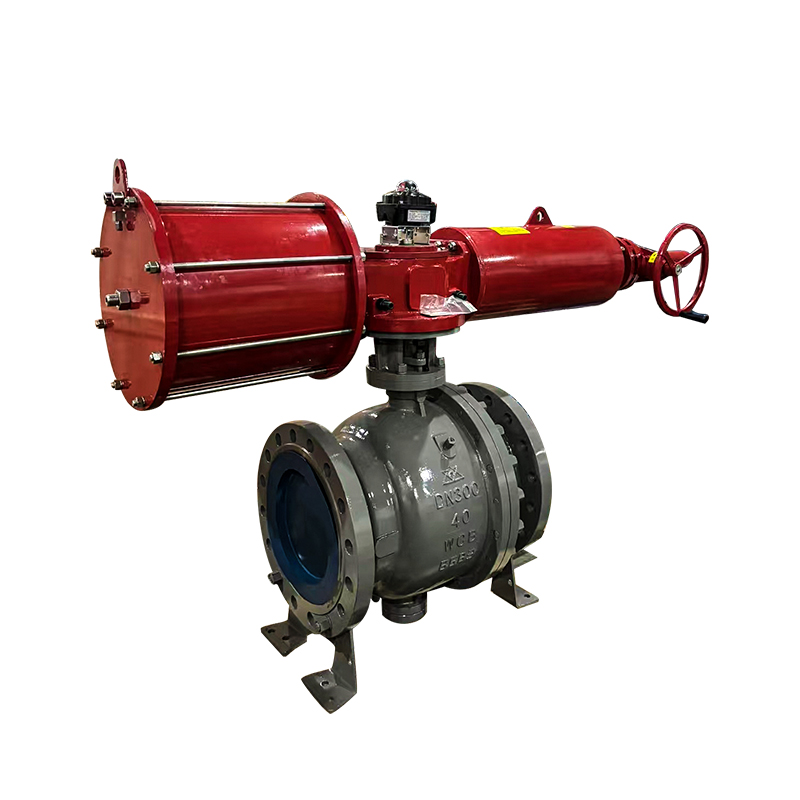
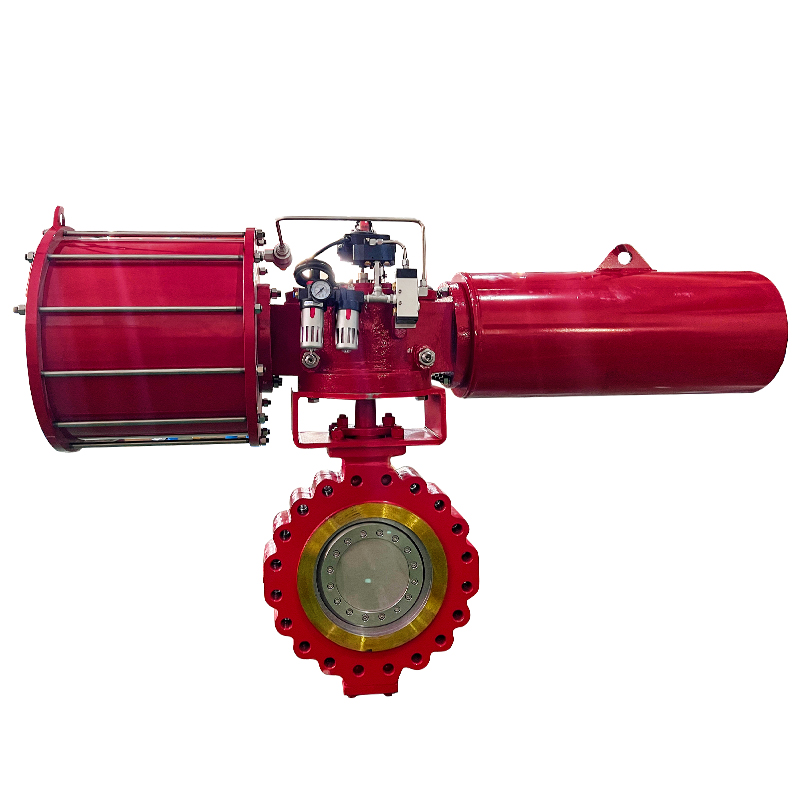
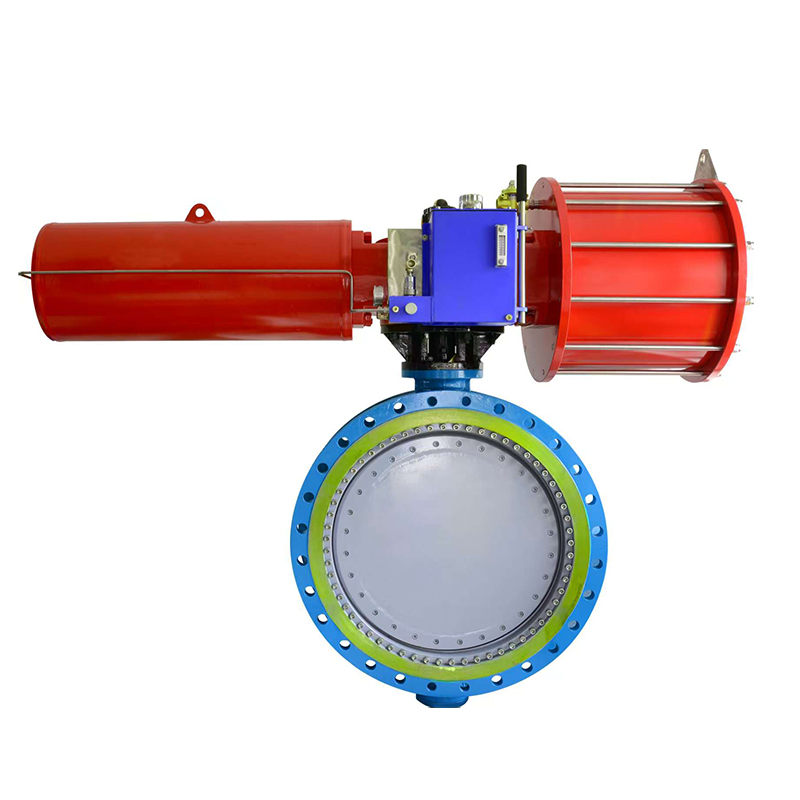
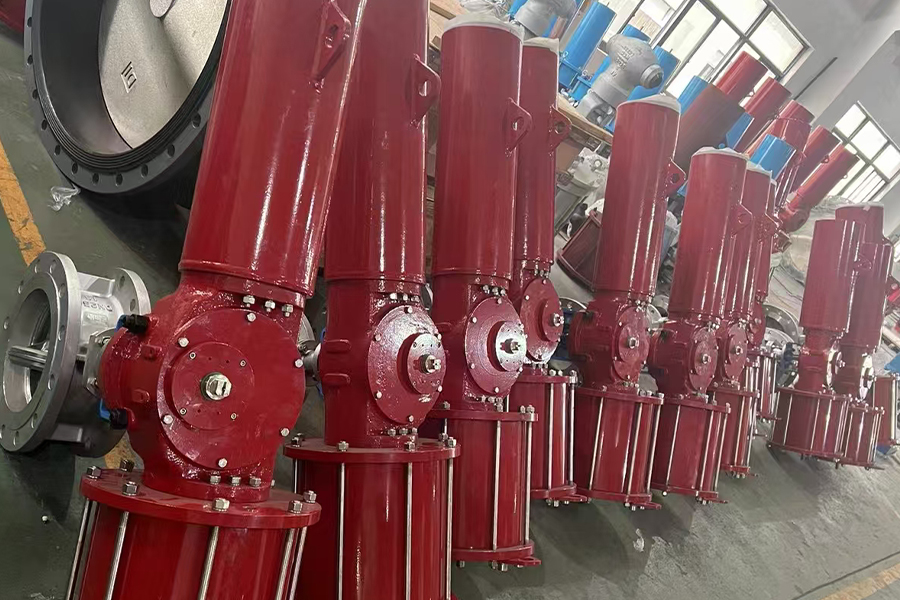
An Air Operated Butterfly Valve tends to suit situations where compressed air is already on hand and automated valve movement is needed. Its relatively compact body also lets it slot into piping arrangements where space around the valve is tight.
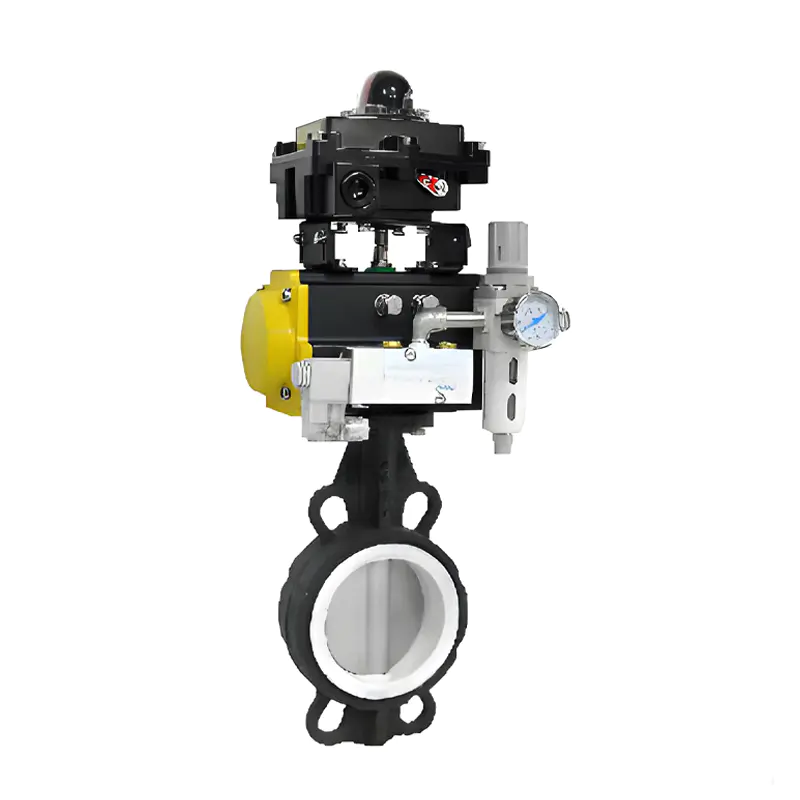
The application itself should still drive the choice. A valve that works well in one setting can turn out to be a poor fit somewhere else, since fluid conditions, how often the valve operates, available installation space, and control requirements all shift from one job to the next.
Working through these differences helps someone figure out where an Air Operated Butterfly Valve actually belongs within a fluid control system, rather than assuming one valve suits every pipeline.
Why Are Water Supply Systems Suitable for Air Operated Butterfly Valves?
Water supply systems usually contain multiple sections that need opening, closing, or adjusting as operation continues. These sections can span distribution lines, treatment areas, storage connections, and equipment interfaces spread across a facility.
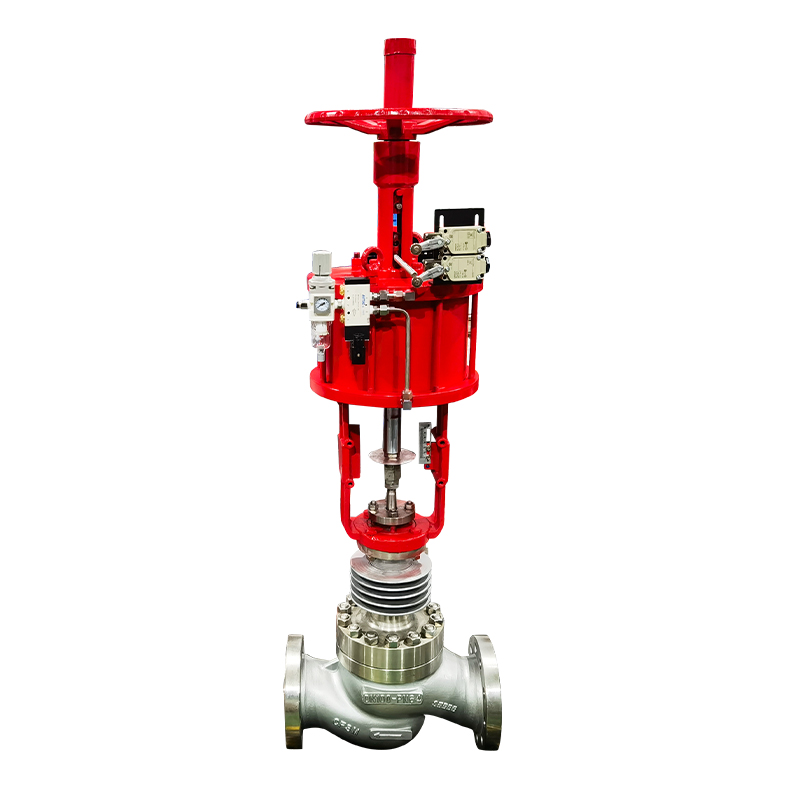
When valves need to be operated from a distance, manual handling isn't always convenient, especially in a large plant where walking between valve locations eats up time. An Air Operated Butterfly Valve offers a way to control these pipeline sections through an air-driven operating mechanism instead.
| Water System Area | Possible Valve Role |
|---|---|
| Distribution line | Controls pipeline flow |
| Treatment section | Supports isolation and operation |
| Storage connection | Opens or closes a pipeline section |
| Equipment connection | Coordinates fluid movement |
| Maintenance area | Helps isolate equipment |
The compact arrangement of a butterfly valve can also help in installations where the surrounding space doesn't leave much room to work with. The valve sits within the pipeline itself rather than demanding a bulky external body.
For water-related applications, material choice and sealing requirements still need to match the actual service conditions on site. Picking a valve just because the system happens to carry water misses the point; the fluid, environment, and operating pattern should guide the decision instead.
How Can Industrial Pipelines Use Air Operated Butterfly Valves?
Industrial pipelines can carry a wide range of fluids depending on the plant. Production facilities may route process water, compressed air, gases, or other compatible media between different sections of equipment through the same general piping network.
Some pipeline sections need regular isolation as part of routine work. Others need automated operation the moment production equipment changes state, without waiting on someone to react manually.
| Industrial Application | Valve Requirement |
|---|---|
| Process piping | Controlled fluid movement |
| Equipment isolation | Remote opening and closing |
| Utility lines | Convenient pipeline control |
| Production sections | Coordinated valve operation |
| Maintenance zones | Separation of pipeline sections |
The operating environment always deserves a look before any valve gets chosen. Temperature swings, fluid characteristics, surrounding conditions, and how often the valve cycles can all steer which construction actually fits.
The valve also has to work alongside the rest of the pipeline system, not sit apart from it. Pipe connections, actuator arrangements, and control equipment are worth reviewing together so the valve doesn't end up treated as a standalone part bolted on as an afterthought.
When Is a Pneumatic Wafer Butterfly Valve Useful?
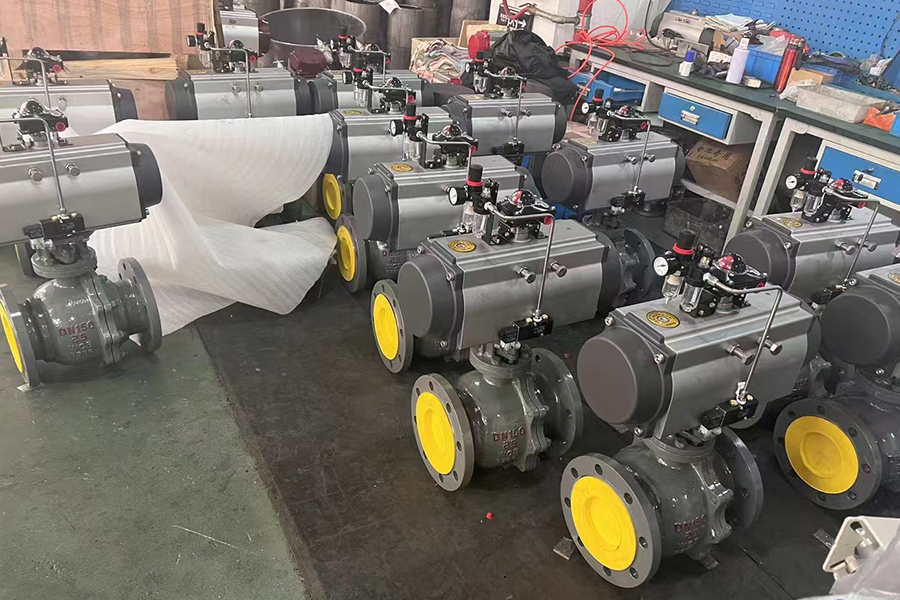
A Pneumatic Wafer Butterfly Valve pairs a compact butterfly valve body with pneumatic operation. The wafer-style construction can help where installation space is tight and the surrounding piping is already designed for this kind of connection.
Pneumatic operation adds a second advantage when the valve needs remote control rather than someone standing next to it. That combination often makes sense in facilities where compressed air is already circulating for other equipment.
| Feature | Application Value |
|---|---|
| Wafer-style structure | Supports compact installation |
| Pneumatic operation | Allows air-driven movement |
| Butterfly valve design | Fits many pipeline layouts |
| Remote operation | Supports automated systems |
| Compact arrangement | Useful where space is restricted |
This makes the design relevant across industrial piping, water systems, utility networks, and process equipment of different kinds. How suitable it actually is depends on the pipeline layout and the characteristics of the fluid moving through it.
Installation should follow the manufacturer's instructions rather than a general assumption based on similar valves. Correct positioning keeps the valve, actuator, and surrounding components from interfering with each other once the system is running.
For compact equipment, the space around the actuator itself is worth checking too. A small valve body doesn't necessarily mean the whole assembly needs little room once the actuator and its wiring or air lines are factored in.
How Do Automated Control Systems Change Valve Selection?
Automation changes how valves get used day to day. In a manual system, an operator walks to the valve and turns it by hand whenever a change is needed.
In an automated system, the valve responds to signals sent from a control system instead, often without anyone standing nearby at all. That shift changes what people expect from the valve in terms of coordination and response.
| Control Situation | Possible Valve Role |
|---|---|
| Remote operation | Valve moves without direct manual handling |
| Repeated switching | Supports routine automated movement |
| Process coordination | Works with other equipment |
| Central control | Allows operation from a control area |
| Equipment sequencing | Supports coordinated system actions |
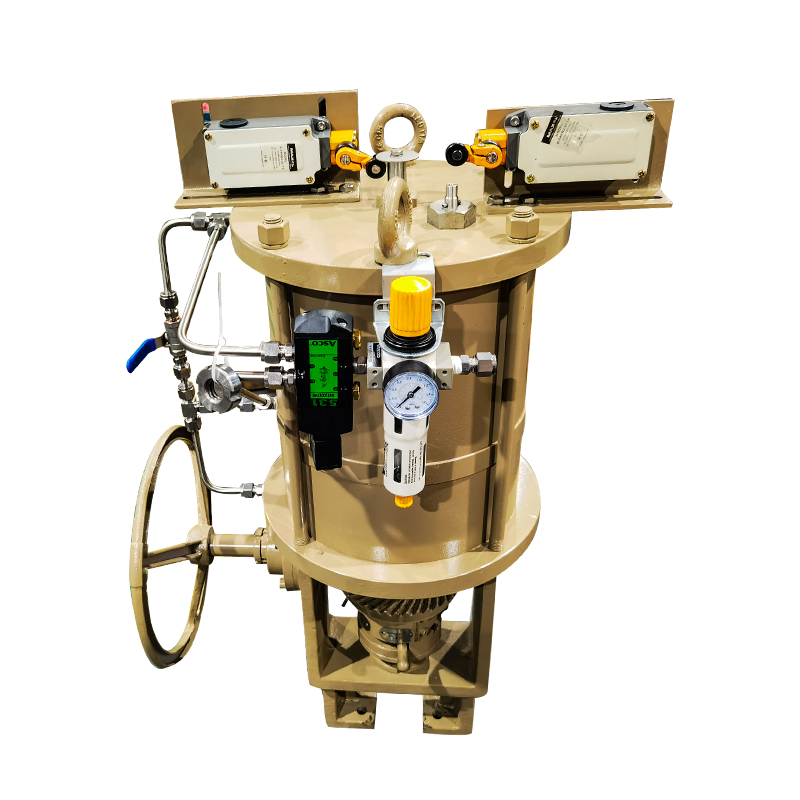
The valve actuator becomes part of a bigger control arrangement once automation enters the picture. Its movement has to line up with the control system and the process it's tied to, not act on its own timing.
That's why picking an actuator and valve together makes more sense than choosing them separately. Users also need to think through what happens if the air supply drops or changes unexpectedly, since the operating arrangement should suit both the equipment's control requirements and its safety procedures.
Automation can make valve operation genuinely more convenient day to day, but it also raises the stakes on planning the system properly from the start.
What Makes Butterfly Valves Suitable for Space-Limited Piping?
Many industrial facilities deal with crowded equipment rooms where pipelines snake close to pumps, tanks, filters, machines, and structural supports. Bulky valve bodies can make these tight areas harder to arrange sensibly.
Butterfly valves often get considered where a compact valve arrangement genuinely helps. Their structure can take up less room around the pipeline than some other valve designs sitting in the same tight corridor.
| Installation Concern | Butterfly Valve Consideration |
|---|---|
| Limited pipeline space | Compact valve body |
| Crowded equipment area | Simplified surrounding arrangement |
| Frequent access | Practical operating structure |
| Automated operation | Compatible with pneumatic actuation |
| Pipeline expansion | Available in different installation arrangements |
A compact valve can make equipment layout easier to plan, but clearance still needs checking before anything gets bolted down. The actuator and any connected control components need room for installation and for later maintenance work.
Designers should also think about how the valve will actually come out if servicing becomes necessary down the road. Good space planning isn't just about squeezing the valve into the pipeline on day one; it's about keeping the whole assembly reachable throughout the years it stays in service.
Can Air Operated Butterfly Valves Support Utility and Process Equipment?
Many facilities run utility systems that support the main production process without being part of it directly. Water, air, cooling services, and other utility lines may need isolation or control at various points along their run.
These lines might not form part of the production equipment itself, but their operation can still ripple out and affect the facility as a whole. An Air Operated Butterfly Valve can provide automated control for utility lines where that fits the setup.
| Utility Area | Possible Application |
|---|---|
| Water circulation | Pipeline isolation and control |
| Air distribution | Remote pipeline operation |
| Cooling systems | Flow path management |
| Equipment support lines | Automated opening and closing |
| Service piping | Convenient isolation |
The valve should be selected according to the actual medium and operating environment, not just the pipeline diameter. Not every butterfly valve suits every fluid running through a facility.
Sealing materials, valve construction, and actuator choice all need to match the application rather than a generic spec sheet. That matters more once a valve is installed somewhere it operates frequently, since wear and fatigue build up faster under repeated cycling. The selection process should take in the full working environment instead of judging a valve mainly by how it looks on a shelf.
How Should Different Working Environments Influence Valve Selection?
The same valve design can behave quite differently depending on where it ends up installed. An indoor water system often operates in a fairly controlled setting with steady temperature and humidity.
An outdoor industrial pipeline, on the other hand, may deal with dust, moisture, shifting weather, or other conditions that indoor equipment rarely sees. The surrounding environment shapes both maintenance needs and how much protection the components need.
| Working Environment | Selection Focus |
|---|---|
| Indoor water system | Routine operation and maintenance |
| Outdoor pipeline | Environmental protection |
| Industrial facility | Fluid and operating conditions |
| Automated equipment | Valve and control compatibility |
| Utility installation | Accessibility and service needs |
Users should also think about how often the valve actually operates. A valve used only occasionally has different practical needs from one that cycles repeatedly as part of an automated process running around the clock.
Maintenance access deserves attention too, since even automated valves need inspection and servicing eventually. The installation should leave enough room for technicians to physically reach the valve and actuator when the time comes, rather than boxing it in behind other equipment. Planning around this tends to make the complete system easier to manage over years of use.
What Should a Pneumatic Gate Valve Supplier Consider When Serving Different Applications?
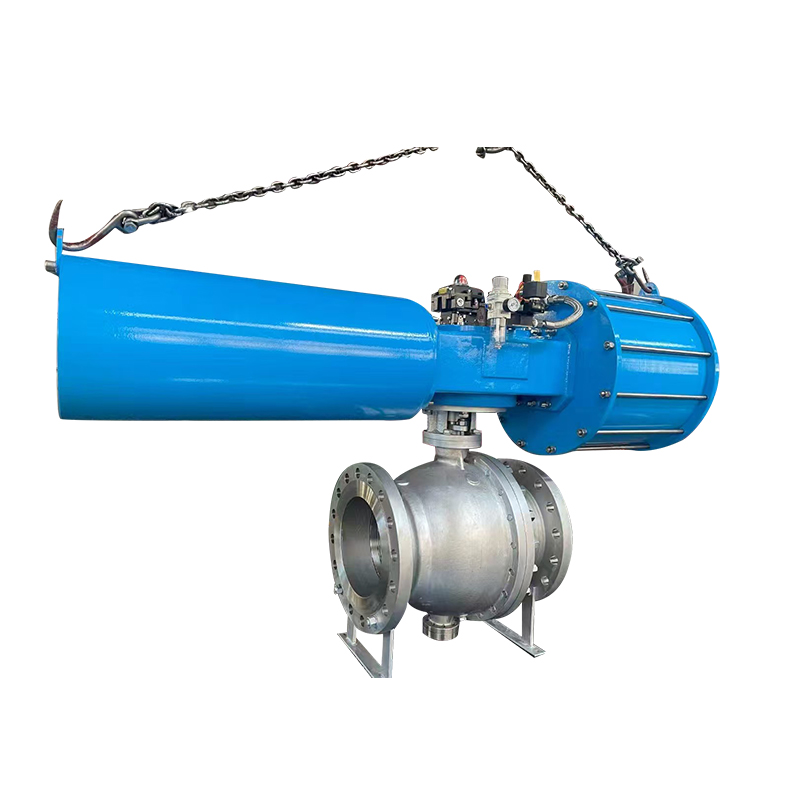
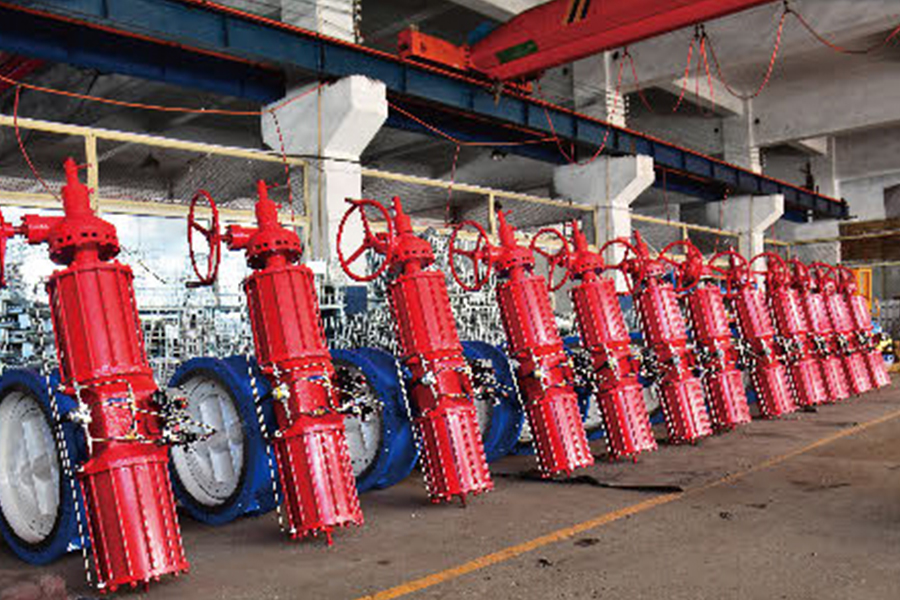
A Pneumatic Gate Valve Supplier may work with customers across water treatment, industrial production, utility systems, and automated equipment, and each of those customers can bring different needs to the table. The supplier needs to understand the application itself rather than defaulting to a standard valve based only on pipeline size or general appearance.
A useful product conversation tends to cover several areas before a recommendation gets made.
Fluid Condition
The supplier should understand what medium the valve will handle and whether the chosen materials actually suit that fluid.
Operating Method
The customer may need manual operation, pneumatic operation, or integration with a control system that's already in place.
Installation Environment
Indoor, outdoor, clean, dusty, or crowded installations each create different practical requirements.
Maintenance Access
The valve should sit where inspection and servicing stay practical rather than becoming a hassle.
System Compatibility
The valve needs to work with the surrounding pipeline, actuator, control equipment, and mounting arrangement as a set.
A gate valve and a butterfly valve have different structures under the hood, but suppliers can still help customers weigh the operating needs of each option side by side. A butterfly valve may suit situations where compact installation and frequent operation matter most.
A gate valve might get considered instead for applications with different isolation requirements entirely. The choice should rest on the actual working conditions on site rather than a general assumption about which valve type belongs there.
Where Do Air Operated Butterfly Valves Fit in Modern Fluid Control?
The growing use of automated equipment is reshaping how industrial valves get chosen across many facilities. Users increasingly think about how a valve will interact with pumps, sensors, control systems, and other equipment nearby, not just how it performs on its own.
This creates a wider role for air-operated valve systems than they might have had in a purely manual setup. An Air Operated Butterfly Valve fits where automated pipeline movement, compact installation, and pneumatic operation line up with what the application actually needs.
Common areas include:
- Water supply and distribution systems.
- Industrial process pipelines.
- Utility piping.
- Automated equipment.
- Equipment isolation points.
- Space-limited pipeline installations.
A Pneumatic Wafer Butterfly Valve is worth considering when the pipeline layout calls for a compact wafer-style arrangement specifically. The actual choice still comes down to the fluid, installation conditions, operating method, and maintenance requirements at hand.
For equipment manufacturers and system integrators, weighing these factors together tends to bring valve selection closer in line with how the complete system will actually be operated and maintained once it's running.