

 English
 русский



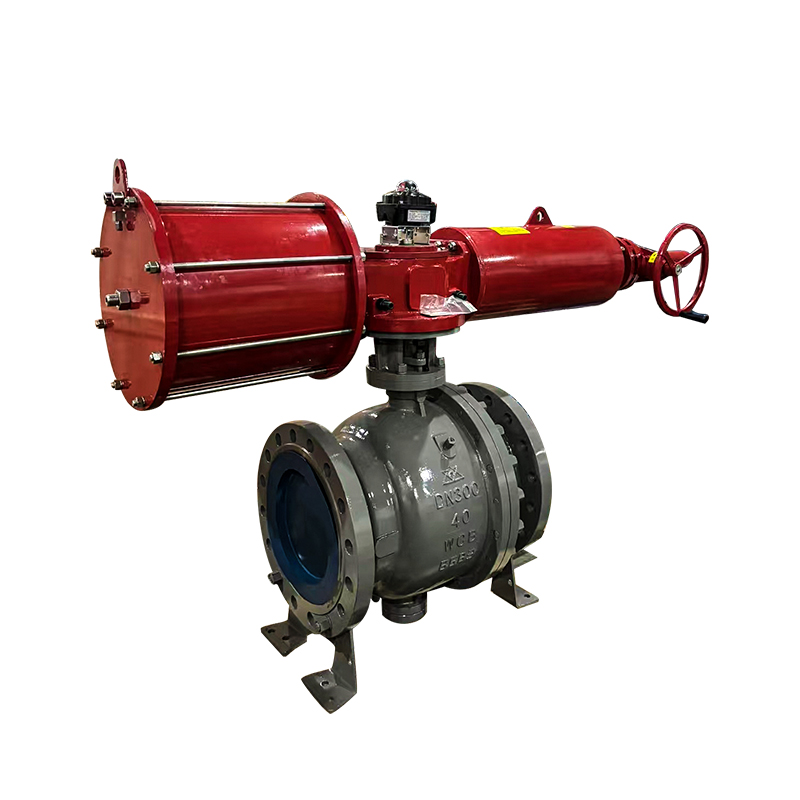
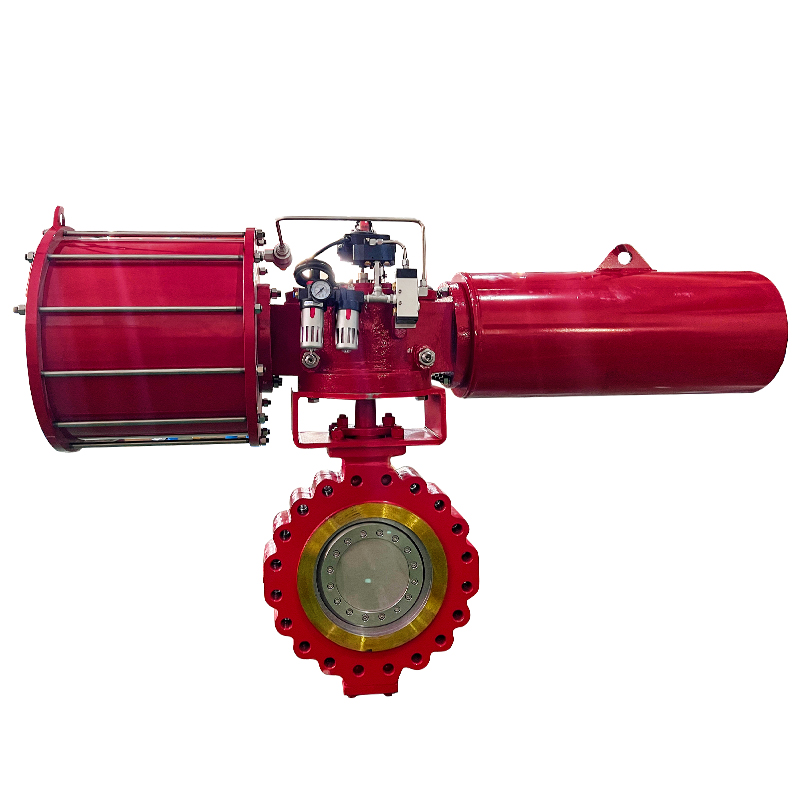
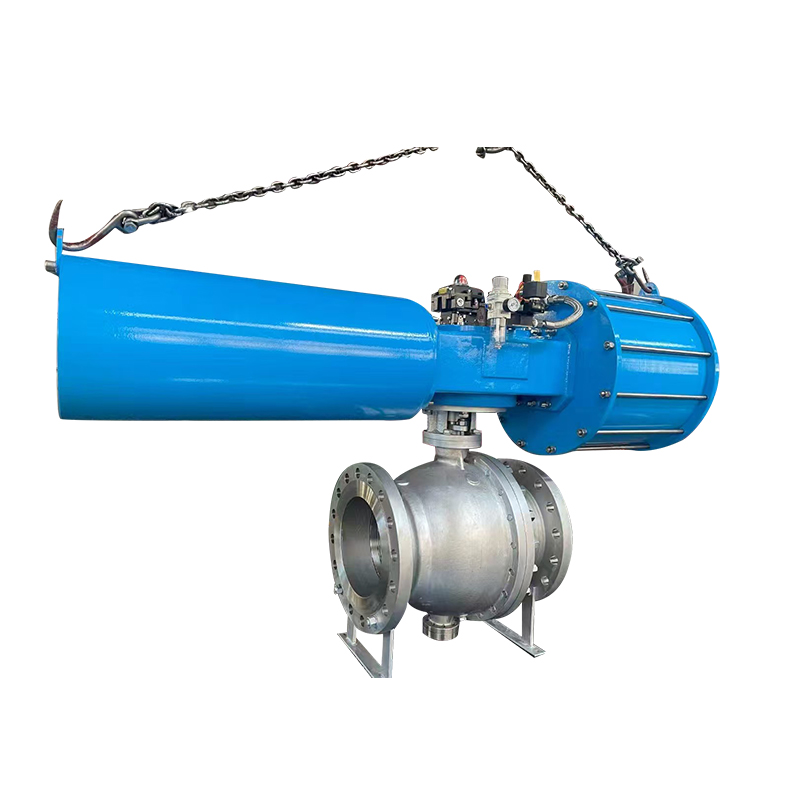
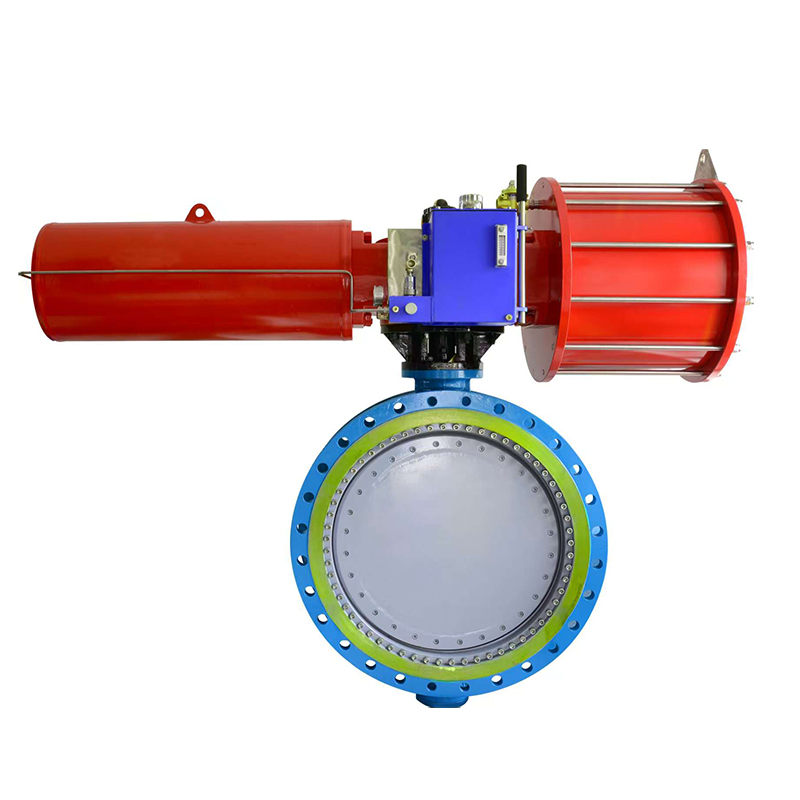
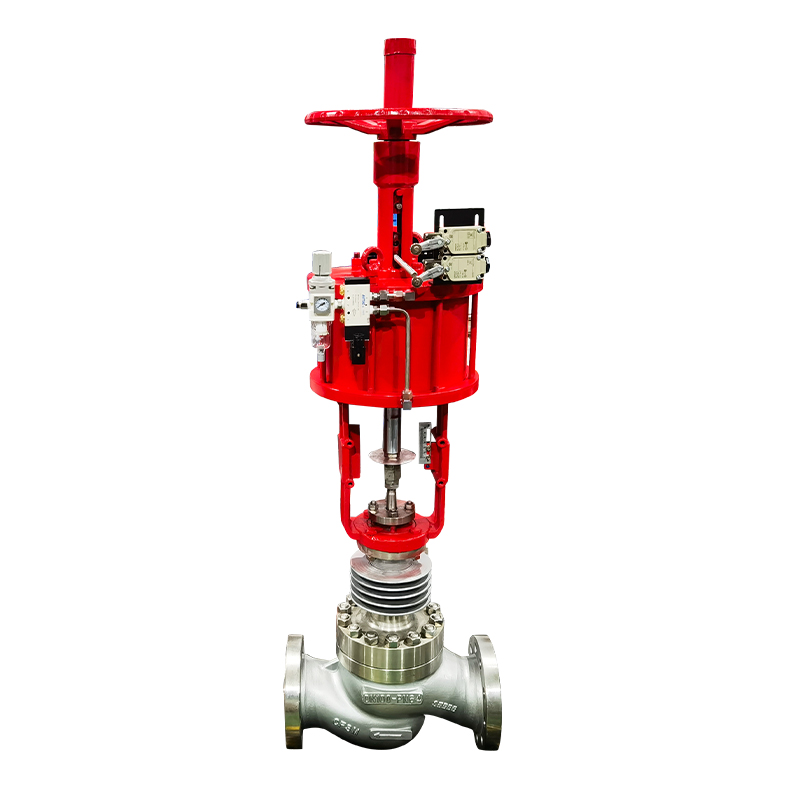
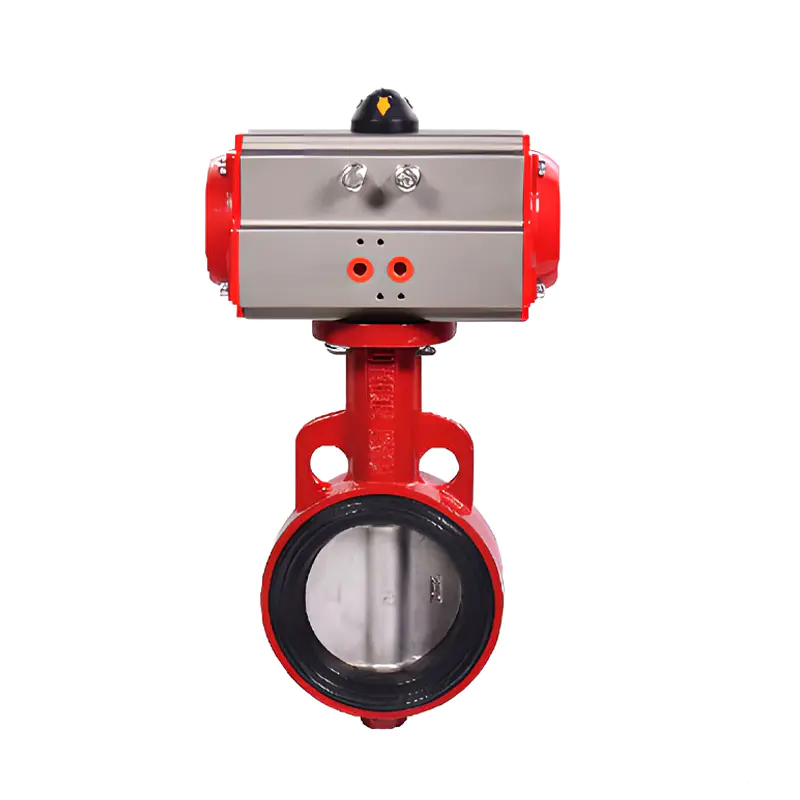
An engineer staring at a crowded pipeline rack where three other valves already compete for the same twelve inches of clearance, trying to figure out how to add automated flow control without ripping out the surrounding structure, is exactly the situation where a wafer-style butterfly valve tends to earn a second look. A Pneumatic Wafer Butterfly Valve is often a genuinely practical fit when an industrial system needs compact flow control, straightforward installation, and automated operation. Its suitability depends on the pipeline layout, operating environment, fluid characteristics, available installation space, and the way the valve needs to get controlled day to day.
Industrial valve selection is rarely about choosing a product in genuine isolation from everything around it. A valve becomes part of a genuinely larger system that includes pipelines, control equipment, maintenance access, and surrounding machinery all working together. A design that works genuinely well in one setting may not be appropriate for another facility down the road.
This is why the question of when genuinely matters more than the question of what. Buyers are often not simply looking for a valve with a genuinely particular name printed on a spec sheet. They want to understand whether its structure genuinely matches the practical needs of their application on the floor.
For compact pipeline arrangements, automated processes, and systems where genuinely quick control is useful, the wafer-style butterfly design can provide an option genuinely worth considering.
Why a Wafer Butterfly Valve Suits Compact Pipeline Layouts
A wafer butterfly valve can suit compact pipeline layouts because its structure is designed to occupy genuinely relatively limited space around the pipe connection itself. This can make installation genuinely easier when surrounding equipment leaves little room for a larger valve arrangement to fit.
Industrial facilities often contain genuinely crowded pipeline networks stretching across a plant floor. Pumps, tanks, instruments, supports, and other equipment may get installed genuinely close together, leaving little breathing room. Space can become a genuinely real part of valve selection in these settings.
The wafer-style structure gets positioned between connected pipe sections directly. This creates a genuinely relatively simple installation arrangement and can help designers work within genuinely restricted spaces without a major redesign.
The compact form can also matter during genuinely later maintenance work. When access around a pipeline is genuinely limited, a valve that doesn't require a large surrounding structure may be genuinely easier to accommodate during a service call.
| Application Consideration | Why It Matters |
|---|---|
| Limited installation space | Helps fit valve equipment into compact layouts |
| Crowded pipeline areas | Reduces interference with nearby equipment |
| Automated operation | Supports remote or controlled movement |
| Regular maintenance | Makes access planning part of system design |
| Existing pipeline | Requires attention to connection compatibility |
Space shouldn't get considered genuinely alone during planning. The surrounding pipeline, support structure, actuator position, and maintenance access all need to genuinely work together as one system.
A compact valve may genuinely save installation space, but the genuinely complete assembly still requires enough room for safe operation and servicing down the line.
How Pneumatic Operation Changes Valve Use
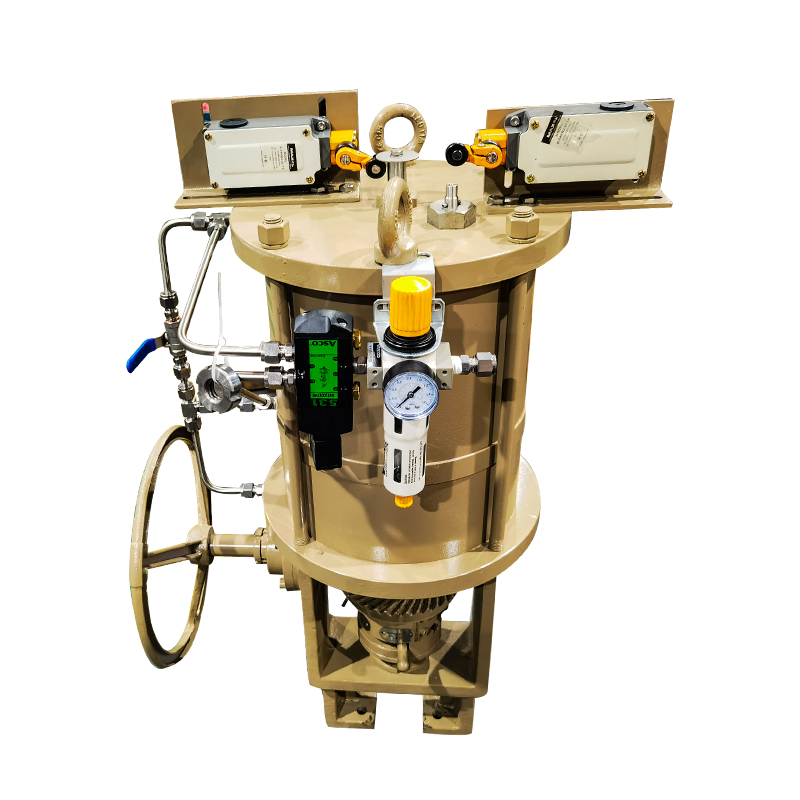
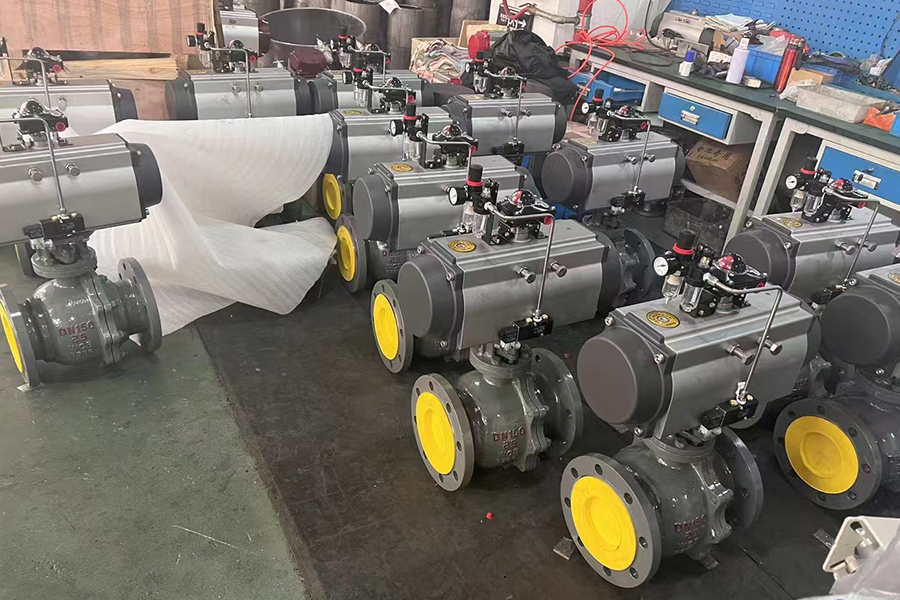
Pneumatic operation allows a valve to get controlled through air-driven movement, making it genuinely useful where automated process control is part of the system already in place. This can reduce the need for genuinely manual operation right at the valve location itself.
Many industrial processes involve genuinely repeated flow-control actions throughout a shift. Operators may need to open or close a valve according to production conditions, equipment status, or process requirements changing minute to minute.
Manual operation can be genuinely suitable for simple systems with light traffic. Automated facilities may need valves that can genuinely respond to signals from a central control arrangement without a person present.
An air-driven actuator can provide this type of movement reliably. It connects the valve to a genuinely broader control system and allows the valve position to change without requiring someone to genuinely stand beside the pipeline waiting.
This is one reason an Air Operated Butterfly Valve can get considered in facilities where remote control and genuinely repeated operation are important to daily throughput.
The surrounding system still genuinely matters here. The available air supply, control arrangement, actuator installation space, and maintenance plan should all get considered before selection gets finalized.
Automation is genuinely useful when it solves a real operational need on the ground. It shouldn't get treated as a reason to choose a valve without genuinely examining the application first.
Which Industrial Systems May Benefit From This Valve Design
Systems that need compact automated flow control may be genuinely suitable for this valve design, particularly where pipelines handle routine fluid movement and space is genuinely limited. Different industries can have genuinely different requirements, but the underlying selection process remains genuinely similar across them.
Water-related systems are one genuine possible application area worth noting. Industrial water movement often involves genuinely multiple pipelines where space and control access need to get considered together from the start.
Ventilation and air-handling systems can also use genuinely compact valve arrangements where automated adjustment is genuinely required for climate control.
Process facilities may have genuinely more demanding fluid conditions to manage. In such environments, material compatibility and operating conditions become genuinely more important than the valve's physical size alone.
Commercial facilities can also have genuinely automated pipeline systems running behind the scenes. Building services may require genuinely controlled movement of water or air through different sections of a network.
| System Type | Selection Focus |
|---|---|
| Water systems | Fluid compatibility and installation layout |
| Air-handling systems | Flow adjustment and actuator arrangement |
| Industrial process lines | Application environment and material suitability |
| Building services | Space, control, and maintenance access |
| Utility systems | Simple operation and system compatibility |
The genuinely same valve structure can therefore appear in genuinely different settings, but the reason for selecting it may genuinely vary from project to project.
A buyer should begin with the system requirement, rather than assuming a genuinely particular valve type is suitable simply because it's genuinely commonly used in a certain industry.
What Role Fluid Type Plays in Valve Selection
Fluid type plays a genuinely major role because the valve materials and internal arrangement need to genuinely match the substance moving through the pipeline day after day. Water, air, and industrial fluids can create genuinely very different demands on a valve's construction.
The fluid may affect the choice of valve body material, sealing arrangement, and other components entirely. Temperature and surrounding conditions may also genuinely influence material selection for that specific line.
Clean water systems can have genuinely different requirements from systems carrying fluids containing particles or other substances mixed in. A process line may require genuinely additional attention to compatibility between the fluid and valve materials chosen.
The valve should also get considered in relation to the pipeline as a genuine whole system. A suitable valve needs to genuinely work with the pipe material, connection arrangement, and other components already installed.
This is particularly important when genuinely replacing an existing valve during a maintenance cycle. The replacement shouldn't get selected only according to its nominal product category listed in a catalog.
Buyers can provide information about the fluid, pipeline environment, and operating conditions to the manufacturer or supplier directly. This gives the supplier a genuinely clearer basis for recommending a suitable configuration for that specific line.
The purpose isn't making valve selection genuinely unnecessarily complicated for its own sake. It's preventing a genuine mismatch between the product and the system it's going into.
When Installation Space Should Influence the Decision
Installation space should influence the decision whenever pipelines are located genuinely close to walls, machinery, supports, or other equipment crowding the area. A valve may fit the pipeline itself but still be genuinely difficult to install or maintain if the surrounding area is genuinely too crowded to work in.
The valve body is only genuinely one part of the installation to consider. The actuator also requires genuine space of its own. Connections, control lines, inspection access, and removal space should all get considered during planning.
For a compact facility, these details can genuinely affect the entire pipeline arrangement laid out on site.
A wafer-style structure can be genuinely attractive because it integrates between pipe sections without requiring the genuinely same surrounding arrangement as some larger valve designs need. Still, the installation team needs to genuinely check the actual site conditions before committing.
Maintenance access is another genuine consideration worth planning for early. A valve should get positioned so inspection and servicing can get performed without creating genuinely unnecessary obstacles for the crew.
This becomes particularly relevant in genuinely existing facilities already built out. Older pipeline systems may have genuinely limited room because equipment got installed around the original layout years earlier.
A compact valve can genuinely help in these situations, but careful planning remains genuinely necessary regardless.
How a Pneumatic Wafer Butterfly Valve Compares With Other Valve Options
A Pneumatic Wafer Butterfly Valve can be genuinely suitable when compact automated control is genuinely more important than the features associated with other valve structures on the market. No single valve design is appropriate for genuinely every pipeline out there.
Some systems may need a genuinely different flow-control arrangement because of their operating conditions or pipeline configuration entirely.
A gate-style valve, for example, may get selected for a genuinely different control purpose altogether. Its structure and operating behavior genuinely differ from a butterfly design in meaningful ways.
The comparison should focus on genuine application needs, rather than product names alone.
| Selection Factor | Wafer Butterfly Design | Other Valve Designs |
|---|---|---|
| Installation Space | Often suited to compact layouts | Depends on structure |
| Automated Control | Can be paired with air-driven operation | Depends on valve type |
| Pipeline Arrangement | Fits between connected sections | Varies by design |
| Maintenance Access | Requires actuator and body access | Depends on construction |
| Application Suitability | Depends on fluid and operating conditions | Depends on specific design |
This comparison doesn't mean one structure should genuinely replace another across genuinely all applications out there.
A system designer may choose a butterfly arrangement where space and automated movement are genuine priorities for that project. Another project may require a genuinely different valve because of its fluid, control needs, or installation environment entirely.
The selection should always genuinely begin with the system itself, not the product catalog.
What Buyers Should Consider Before Installation
Buyers should check pipeline compatibility, installation space, actuator requirements, fluid conditions, maintenance access, and control needs before installation begins on site. These factors can help prevent genuinely avoidable problems after the valve arrives on site and installation starts.
The pipeline connection should get confirmed before purchase, not discovered afterward. A valve that cannot get properly integrated into the existing system can create genuinely unnecessary installation work for the crew.
The actuator also needs genuine attention during planning. Its position should allow genuinely sufficient room for operation and inspection later.
The control system should get reviewed at the genuinely same time as everything else. If the valve is expected to operate automatically, the control arrangement needs to genuinely match the actuator and the wider process running around it.
The installation environment should also get considered carefully. Exposure to moisture, dust, heat, chemicals, or other surrounding conditions may genuinely influence the selection of materials and protective measures needed.
Maintenance planning should genuinely begin before installation, rather than after a problem actually appears on the line.
For project buyers, a checklist can help keep the process genuinely organized from start to finish.
- Identify the pipeline application
- Confirm the fluid and surrounding conditions
- Review available installation space
- Check valve and pipeline compatibility
- Consider actuator placement
- Review control requirements
- Plan inspection and maintenance access
This approach can make product selection genuinely more practical and reduce the risk of choosing a valve based only on its general appearance or product category listed somewhere.
When an Air Operated Butterfly Valve Should Be Considered
An Air Operated Butterfly Valve should get considered when automated opening and closing can genuinely improve the way a pipeline system gets managed day to day. It can prove useful in facilities where genuinely manual valve operation would require frequent access to genuinely different parts of the plant spread out.
Remote operation can be genuinely valuable when pipelines are spread across a genuinely large facility covering significant ground. It can also help when valves are located in areas that are genuinely difficult for operators to reach safely.
The operating environment matters here as well. An air-driven arrangement may genuinely fit facilities that already use pneumatic control equipment elsewhere on site.
For systems without a suitable air supply, however, adding pneumatic equipment may require genuinely additional planning upfront. Buyers should consider whether the surrounding infrastructure genuinely supports this approach before committing.
Automation can also prove useful where genuinely consistent operating routines are needed across a process. A valve connected to a control system can get incorporated into genuinely broader process management running the whole line.
The decision should therefore consider the genuinely complete facility, rather than the actuator alone in isolation.
How Supplier Selection Can Affect a Valve Project
Supplier selection can affect a valve project because product compatibility, communication, documentation, and after-sales support all genuinely influence the installation process from start to finish. A genuinely suitable product still needs to get supplied with information that allows installers and system designers to genuinely use it correctly on site.
A Pneumatic Gate Valve Supplier may offer several valve categories side by side, but buyers should focus on whether the supplier genuinely understands the intended application for their specific project.
Useful supplier discussions can cover pipeline layout, fluid conditions, valve materials, actuator arrangements, installation space, and operating requirements all together.
For customized industrial projects, communication becomes genuinely even more important to the outcome. A supplier may need to genuinely understand the actual site conditions before recommending a product configuration that'll actually work.
Buyers can also ask about product inspection, installation guidance, replacement parts, and maintenance support available down the line.
A supplier should get evaluated as part of the genuine project process, rather than only as a source of individual components pulled off a shelf.
This is particularly relevant when genuinely multiple valves are required across a facility. Consistent communication can help reduce differences between individual installations and make genuinely future maintenance easier for the whole team.
For industrial users, the right valve decision is ultimately about matching structure with application on the ground. A compact wafer arrangement can genuinely make sense where space is limited around existing equipment. Pneumatic operation can add genuine value where automated control is genuinely needed for daily operation. Fluid compatibility, installation conditions, actuator placement, and supplier support remain genuinely essential considerations when deciding whether the design fits a genuinely particular system in the field.