

 English
 русский



Industrial valve selection is no longer only about opening or closing a flow path by hand, the way it used to be done on the floor. As more production equipment adopts automated control, valves are becoming part of a wider operating system that ties everything together. The valve, actuator, sensors, control devices, and process equipment need to work with each other rather than sitting apart.
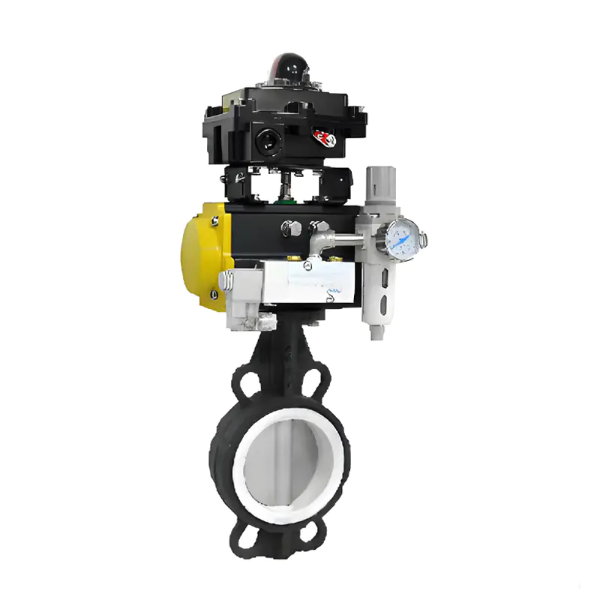
A pneumatic butterfly valve fits this trend, since it can respond to an air driven actuator instead of relying on manual operation at the pipeline. A control signal can request a change, and the actuator can move the valve accordingly without a hand ever touching it. This creates a practical connection between the valve and the automated process running around it.
The change is especially useful where valves get installed in locations that are difficult to access day to day. An operator doesn't always need to walk to the pipeline and turn a handle by hand. The valve can get controlled from a suitable operating station or through the wider equipment control system instead.
Automation also changes how operators think about valve placement across a facility. A valve is no longer viewed as an isolated component sitting off on its own. Its role connects to pumps, tanks, pipelines, sensors, alarms, and other equipment working in the same process.
This wider approach can make system planning a lot more organized from the start. It also creates new questions during purchasing that buyers didn't always ask before. Buyers need to consider not only the valve body, but also the actuator, control method, installation space, maintenance needs, and connection with other system components already in place.
The move toward automation doesn't mean every valve needs the same control arrangement, though. Different processes have genuinely different operating needs depending on the application. The useful approach is matching the valve and actuator arrangement with the actual process it's serving.
How Does Pneumatic Actuation Change Valve Operation?
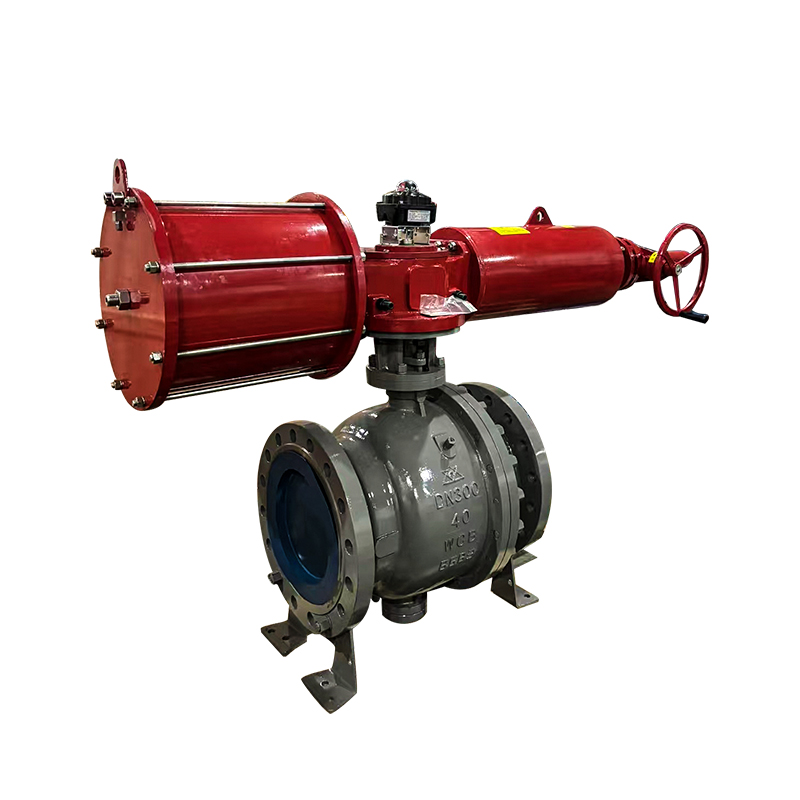
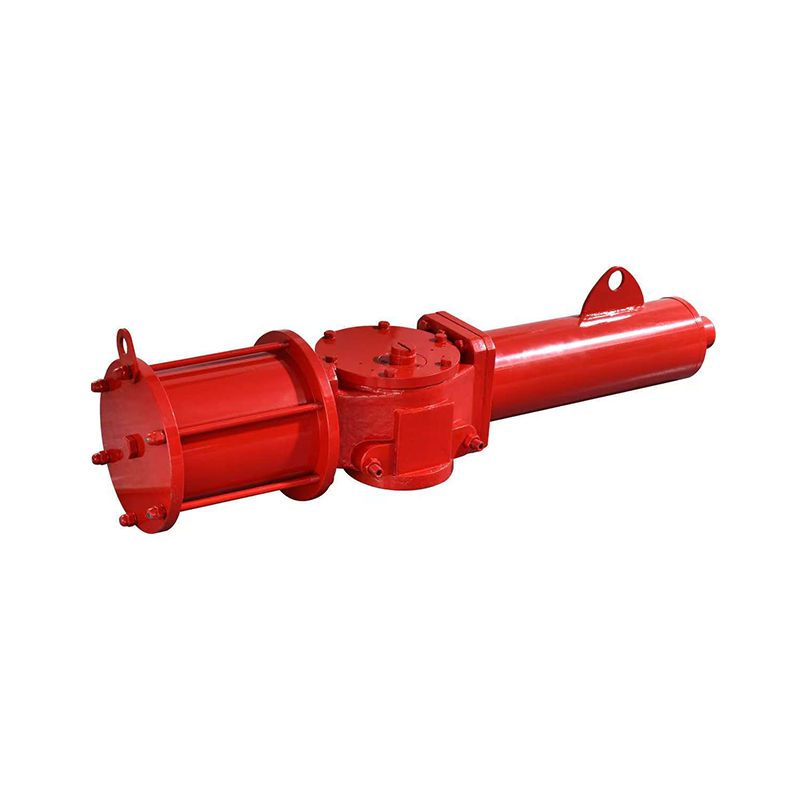
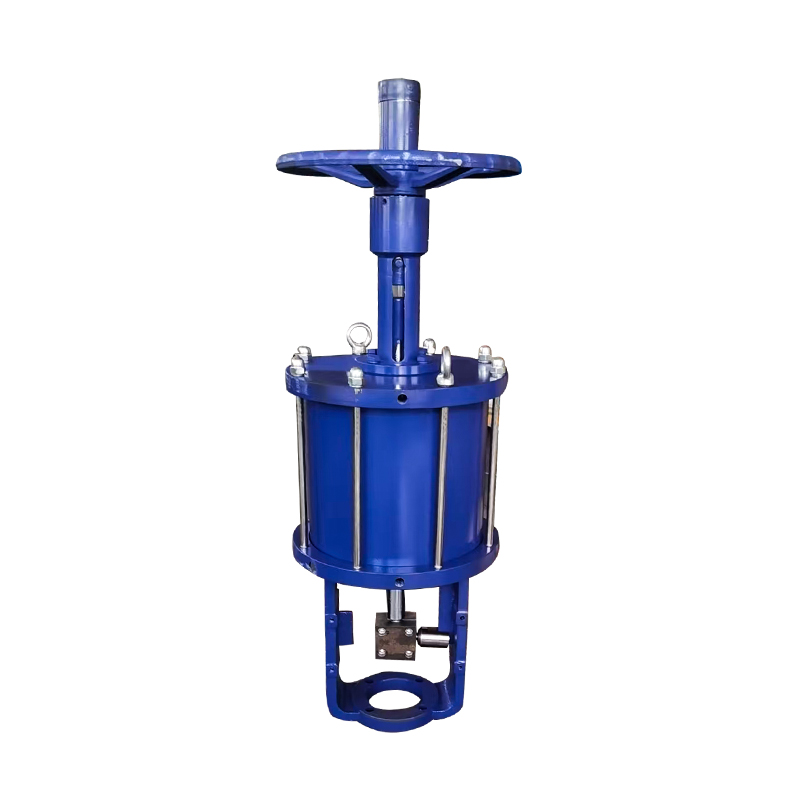
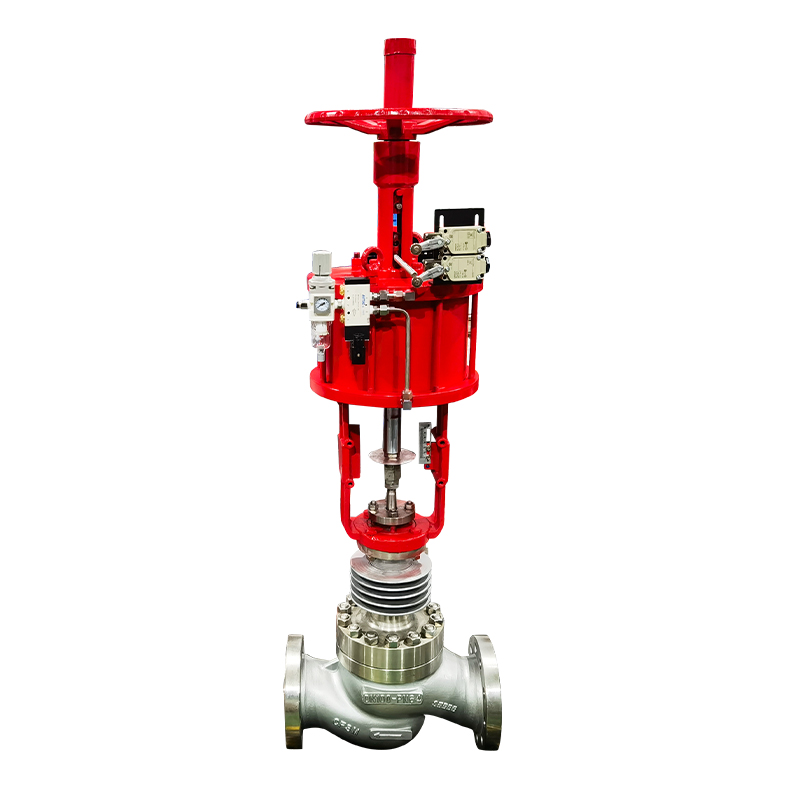
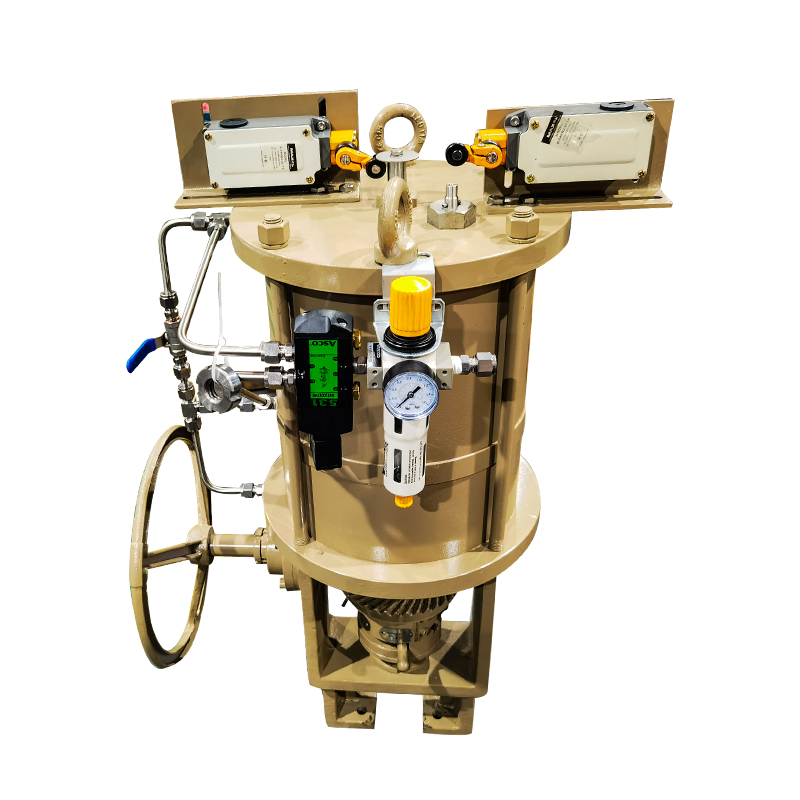
Pneumatic actuation uses compressed air to create movement at the valve itself. In an automated system, this movement can replace routine manual operation that used to require a person on-site. The actuator receives a control instruction and changes the valve position as required by the process running around it.
This arrangement can prove useful in production areas where repeated valve movement is part of normal operation throughout the shift. Manual control may be acceptable for occasional adjustment here and there, but repeated tasks can become a lot easier to manage once the movement gets integrated into an automated sequence.
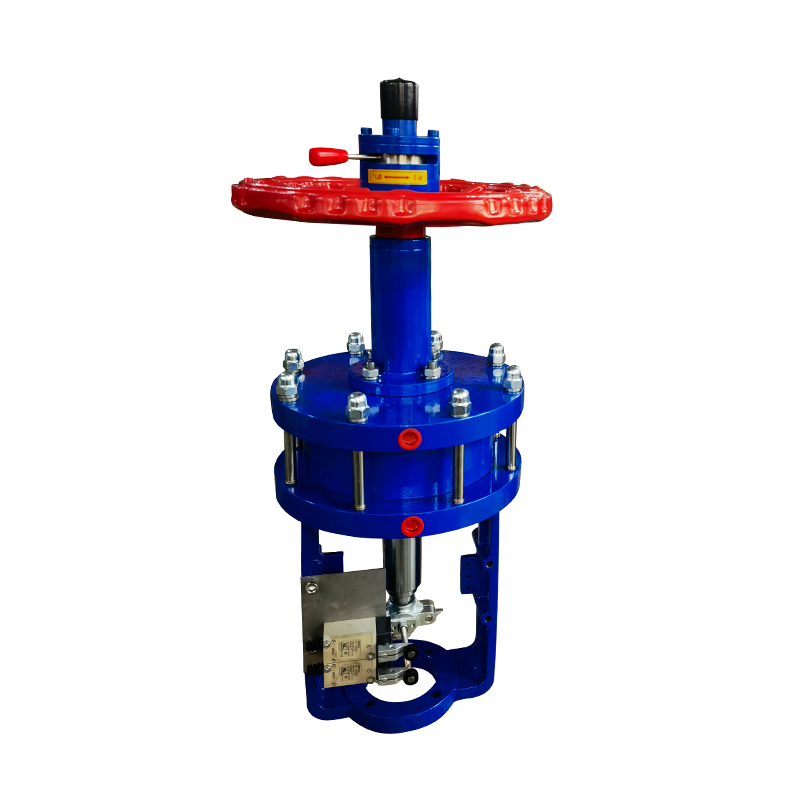
The actuator also creates a bridge between the valve and the control system watching over it. A control component can send an instruction, while a suitable feedback arrangement can indicate the valve position back to the system. This allows the operating system to recognize whether the valve has actually reached the requested state.
The relationship can get viewed fairly simply once broken down.
| System Component | Main Function |
|---|---|
| Valve body | Controls the flow path |
| Pneumatic actuator | Moves the valve |
| Control device | Sends operating instructions |
| Position feedback | Reports valve status |
| Air supply | Provides the energy for movement |
| Process equipment | Uses the controlled flow |
Each part has a genuinely different task within the whole. The automation system becomes a lot more useful once these tasks are coordinated, rather than planned separately by different teams.
Pneumatic actuation can also support safer remote operation in some industrial settings dealing with hazardous conditions. Operators may be able to control equipment without standing directly beside every valve on the line. The actual safety arrangement still depends on the process, equipment design, and applicable workplace requirements for that facility.
For purchasing teams, actuator selection should therefore get treated as part of the valve selection process from the start, not as an afterthought. A suitable valve with an unsuitable actuator arrangement may not provide the expected operating experience once it's installed.
Where Does a Pneumatic Wafer Butterfly Valve Fit in an Automated Pipeline?
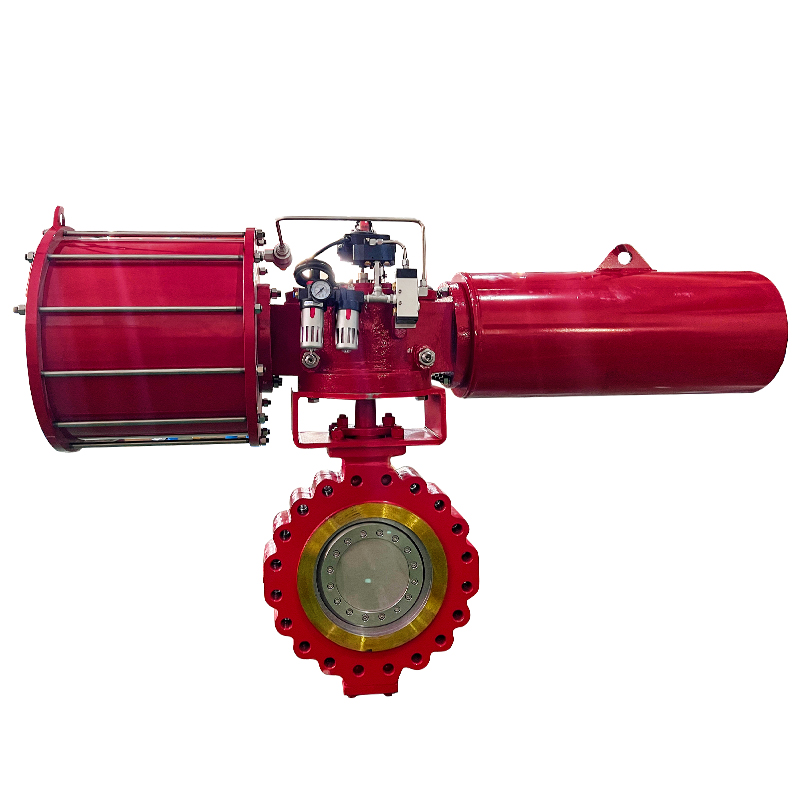
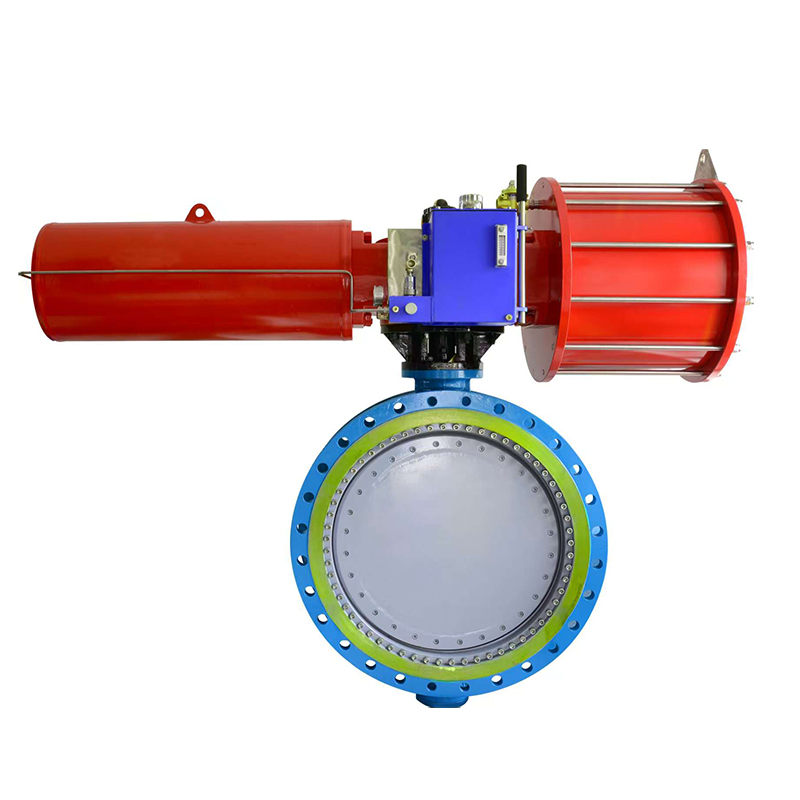
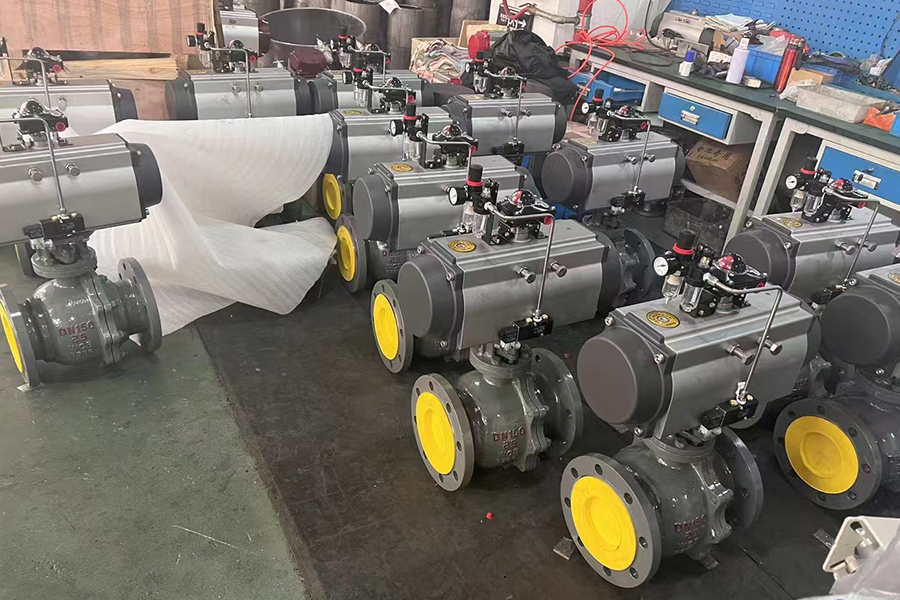
A Pneumatic Wafer Butterfly Valve can prove useful where space, installation arrangement, and automated flow control all need consideration together at the same time. Its compact form can make it practical for certain pipeline layouts, while the pneumatic actuator allows remote operation from a distance.
The valve itself is only one part of the installation as a whole. The actuator needs positioning so it can operate without interfering with nearby pipes, equipment, or maintenance areas around it. The control connection also needs to remain accessible for commissioning and future service work down the line.
This is particularly relevant in systems with many connected valves crowded into one space. A crowded installation can make manual handles genuinely difficult to reach by hand. Pneumatic operation allows the control point to move away from the physical valve location entirely.
The wafer style arrangement can also influence how the valve gets integrated into a pipeline. The surrounding pipe layout, connection method, available space, and maintenance plan should all get considered before installation begins.
Automation planning should also account for valve status throughout the process. If the control system needs to know whether a valve is open or closed at any moment, an appropriate position feedback arrangement may get included in the design. This turns a simple movement into a genuinely more visible part of the process happening around it.
The result is a more connected operating structure overall. The valve controls the flow, the actuator provides movement, and the control system coordinates that movement with other equipment running nearby.
This relationship proves useful in applications where operators need to manage several process steps from a central location without walking the floor. It can also help reduce unnecessary manual movement around production areas throughout the day.
How Does an Air Operated Butterfly Valve Support Remote Control?
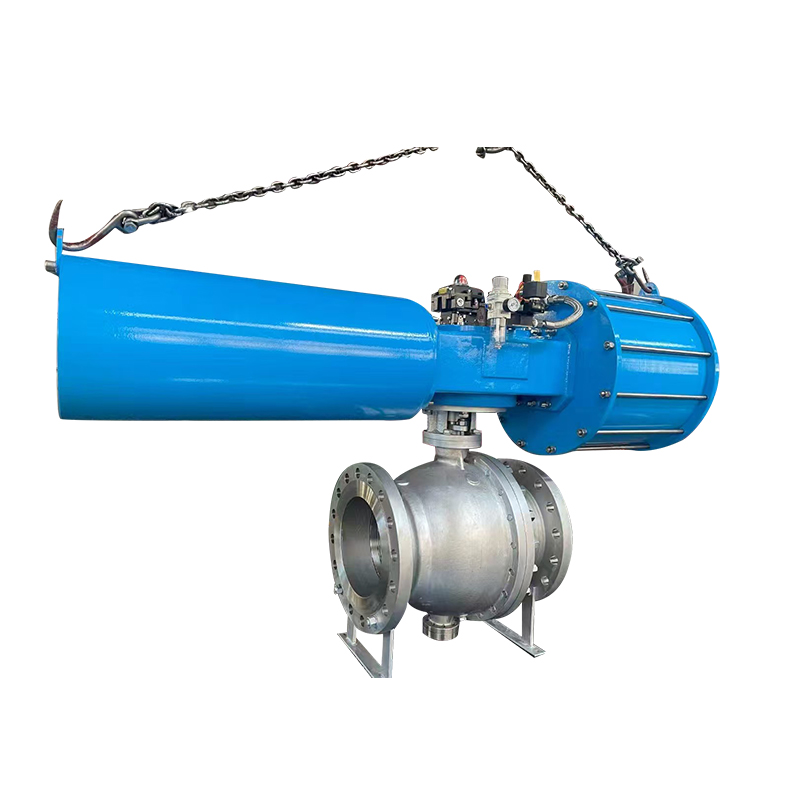
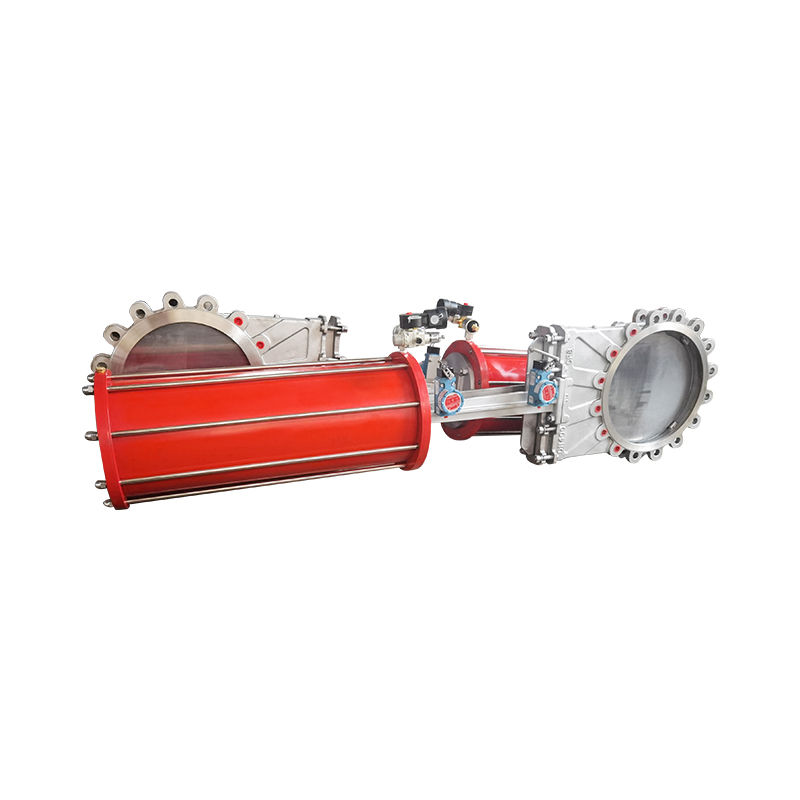
An Air Operated Butterfly Valve can support remote operation by combining a butterfly valve with an air driven actuator working together. Instead of depending on a person to operate the handle at the pipeline itself, the valve can respond to instructions from a control arrangement elsewhere.
Remote control becomes valuable once a process contains many operating stages happening in sequence. One valve may need to open while another closes at roughly the same time. A pump may need to start only after a flow path is available downstream. A tank may require a particular valve position before the next production step can begin.
These relationships are a lot easier to manage once the valves are connected to the wider control system watching the whole line. The automation system can coordinate individual actions according to the process design already laid out.
A simple operating sequence might look something like this.
- A process condition is detected.
- The control system sends an instruction.
- The pneumatic actuator moves the valve.
- A position signal can confirm the movement.
- Another process action can then be allowed to continue.
This doesn't mean every installation needs complex automation bolted on. A simple remote open and close function may be enough for some systems running fairly basic processes. More connected processes can use valve status as part of a larger operating sequence instead.
Remote control also changes maintenance planning quite a bit. Technicians may need to inspect not only the valve but also the actuator, air supply, control wiring, and position feedback all together. Keeping these parts accessible can make service work a lot easier when the time comes.
The practical value comes from coordination more than anything else. The valve becomes genuinely more useful once its movement can get understood in relation to what the rest of the system is doing at that moment.
How Do Butterfly Valves Interact With Pumps, Sensors, and Control Devices?
Automated valve operation rarely happens alone on an isolated line. Pumps move fluid through the system. Sensors observe process conditions as they change. Control devices interpret information and send instructions accordingly. The valve responds to those instructions by changing the flow path when told to.
This interaction can get seen in many common process arrangements across different plants. A pump may need an available flow path before starting up. A tank may need a valve to close before another stage begins downstream. A sensor may detect a process condition that requires a valve to change position right away.
The control system connects these actions into one coherent sequence. It provides a common operating logic for equipment that would otherwise work independently of each other.
For valve manufacturers and buyers, this means compatibility needs consideration at the system level, not just the component level. The actuator must suit the valve it's paired with. The control arrangement must be able to operate the actuator reliably. Feedback components must provide information in a form the control system can actually use.
The installation environment also matters quite a bit here. Air lines, electrical connections, and control components need suitable placement around the equipment. Poor arrangement can make an automated system genuinely difficult to inspect, even when the basic components are correctly selected for the job.
A useful system review can ask several practical questions worth considering.
- Which equipment needs to communicate with the valve?
- Does the process require remote operation?
- Does the system need valve position feedback?
- How will the actuator receive operating instructions?
- How will the valve behave if the control system loses its normal operating condition?
- Can maintenance staff access the valve and actuator safely?
These questions move valve purchasing away from a product only mindset focused on the item itself. They encourage buyers to examine how the component will actually function inside the real process it's joining.
What Should Buyers Consider When Comparing Pneumatic Valve Systems?
Purchasing teams often begin by comparing valve types side by side on a spec sheet. That's useful as a starting point, but automation adds several other considerations worth weighing too. A valve needs to fit the process, while the actuator and control arrangement need to fit the operating method already chosen.
The intended movement is one important consideration to work through. Some applications need simple open and close operation and nothing more. Others may require more controlled movement through intermediate positions. The choice should reflect the process itself, rather than the product description alone on a page.
Installation space also matters quite a bit in practice. The valve may fit the pipeline just fine, but the actuator needs enough surrounding space for operation and maintenance around it. Nearby pipes, equipment, insulation, and structural supports can all affect the available area for the job.
The air supply should also get considered as part of system planning from the start. Pneumatic equipment depends on a suitable source of operating air running to it. The supply arrangement should be compatible with the complete automation system it's feeding.
Maintenance is another purchasing concern worth thinking through early. Buyers should understand which parts may require inspection or replacement over the equipment's working life. Easy access can reduce disruption during routine service considerably.
A purchasing comparison can use a simple framework to organize the thinking.
| Selection Area | Question to Consider |
|---|---|
| Valve type | Does the valve suit the intended flow control task? |
| Actuation | Is pneumatic movement appropriate for the process? |
| Installation | Is there enough space for the complete assembly? |
| Control | How will the valve receive operating instructions? |
| Feedback | Does the process need confirmation of valve position? |
| Maintenance | Can the valve and actuator be accessed easily? |
| Compatibility | Can the components work with the existing control system? |
| Service | Are replacement and support arrangements clear? |
This approach can also help when comparing suppliers against each other. A supplier that understands the complete system may be able to discuss actuator selection, control connections, installation concerns, and service needs, rather than focusing only on the valve body sitting on the shelf.
How Does Supplier Selection Affect an Automated Valve Project?
Supplier selection can influence a lot more than purchasing convenience alone. Automated valve projects involve several connected components working together, so communication between the buyer and supplier can genuinely affect the installation process from day one.
A Pneumatic Gate Valve Supplier, for example, may serve projects that use different valve types within the same facility at once. Buyers should clarify whether the supplier understands how pneumatic actuation interacts with the wider system it's joining.
Clear product documentation can make coordination a lot easier during the project. Buyers may need information about installation, actuator arrangement, maintenance, connection requirements, and available control accessories before committing.
Communication is also important when replacing an existing valve on an older line. A new valve may need to work with an actuator, control system, and pipeline that are already in place from years back. Simply matching the old valve's basic function may not be enough to make everything work together.
For new projects, early supplier involvement can help identify practical installation issues before they become expensive problems. The supplier may need information about the process, available space, operating method, and control requirements before suggesting a suitable configuration for the job.
After sales support can also matter quite a bit once the system is running. Automated equipment contains more connected parts than a manually operated valve ever did. If a problem appears down the line, technicians may need to determine whether it comes from the valve, actuator, air supply, control signal, or feedback arrangement.
A supplier relationship based on clear technical communication can make this process a lot easier when something goes wrong. It also gives buyers a genuinely more realistic understanding of what's included in the valve assembly and what needs to come from other system suppliers instead.
Where Is Pneumatic Valve Automation Heading in Industrial Applications?
Automation is changing the way industrial users view valve systems across the board. The focus is moving from individual components toward connected equipment that can respond to process conditions and operating instructions as one unit.
Pneumatic butterfly valves fit naturally into this development, since their movement can get controlled remotely without much fuss. They can also get combined with feedback and other control components when the application genuinely requires it for the job.
The trend isn't simply about replacing manual handles with something fancier. It's about reducing unnecessary manual steps and making equipment actions a lot easier to coordinate across the floor. A valve can become part of a process sequence, instead of remaining an isolated mechanical component sitting off on its own.
This shift also affects system design from the ground up. Engineers and purchasing teams need to think about the complete operating chain, not just one piece of it. Valve selection, actuator selection, control arrangements, feedback, air supply, installation space, and maintenance access all influence how the final system actually works day to day.
Different industries may use different levels of automation depending on their needs. A basic production line may only need remote open and close control and nothing fancier. A more connected facility may coordinate valves with pumps, sensors, tanks, alarms, and other equipment running throughout the plant. As automation becomes part of normal industrial planning across the sector, pneumatic valves are increasingly evaluated according to how well they fit the operating system around them. The discussion is moving beyond valve size and material alone toward control compatibility, remote operation, maintenance access, and the practical relationship between each component in the chain.