

 English
 русский



Fluid control looks simple from a distance — a pipe carries something, a valve controls whether it moves. Walk into an actual plant, though, and the choice behind any given valve turns out to depend on a lot more than the pipe itself. Space around the line, the operating conditions inside it, how the valve gets controlled, how easy it is to reach for service, and the way the whole system actually runs day to day all shape which valve makes sense in that particular spot.
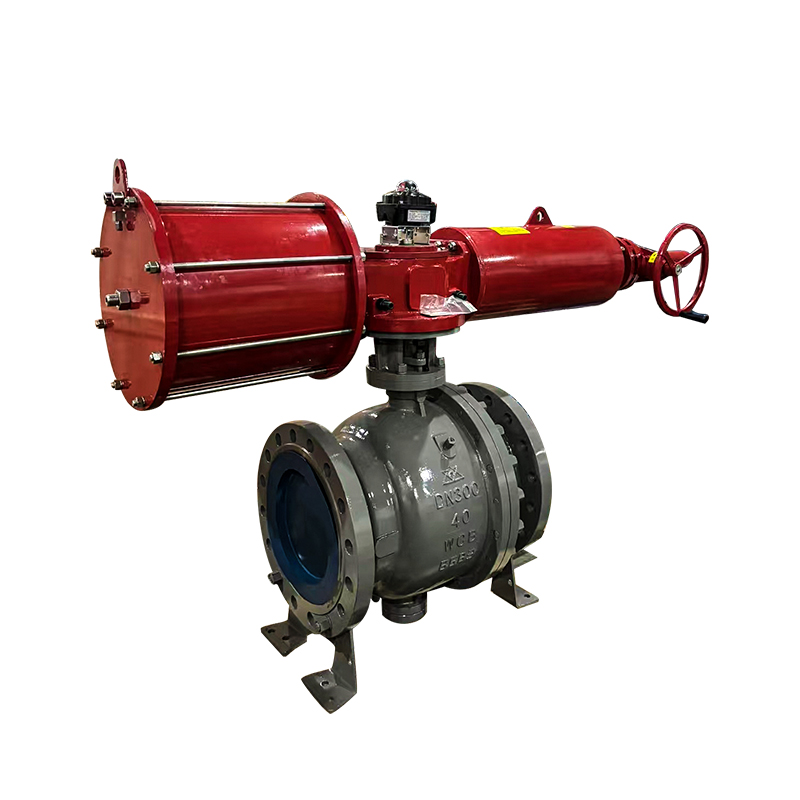
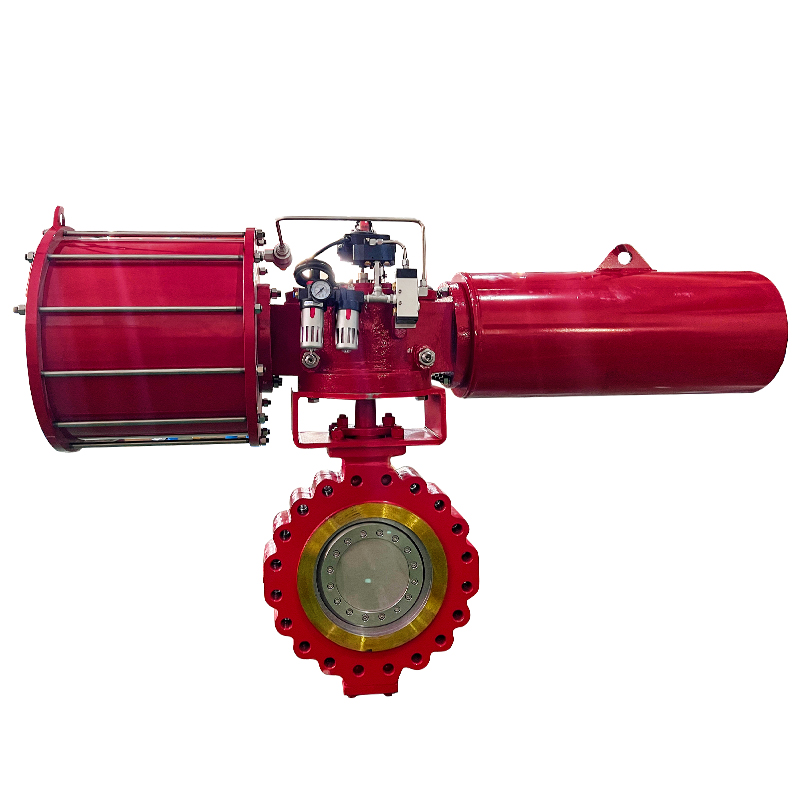
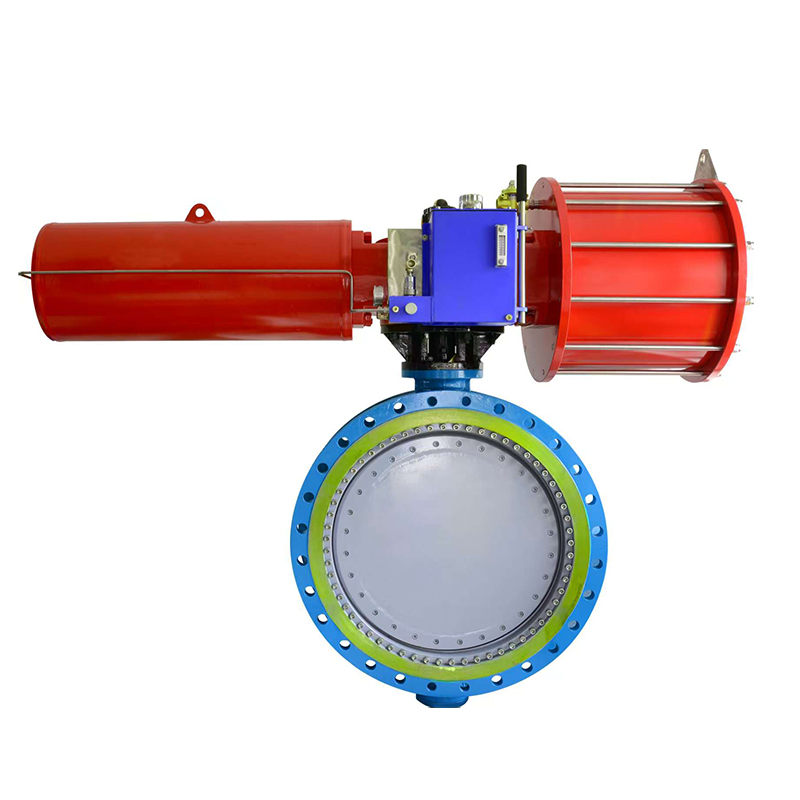
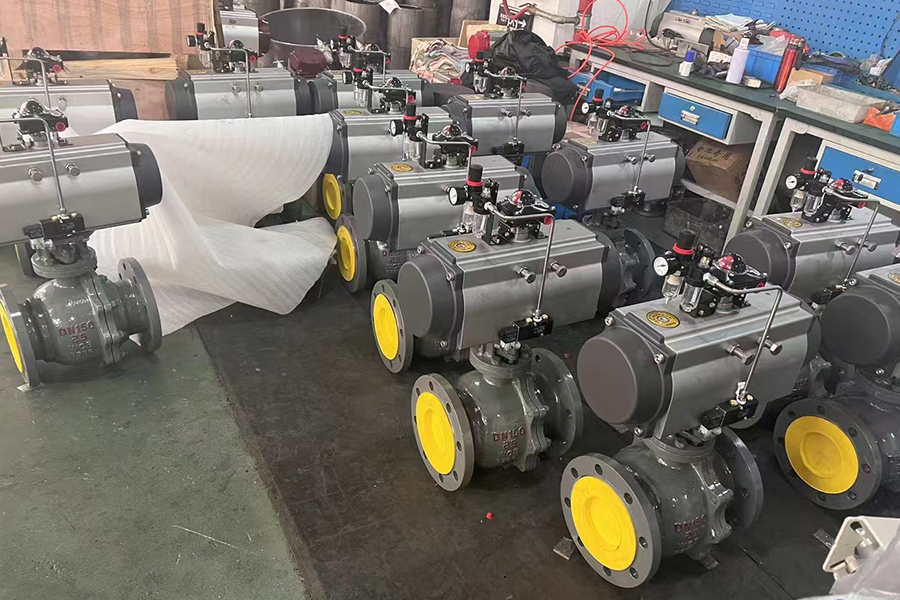
A Pneumatic Wafer Butterfly Valve is one answer for situations that call for a compact valve body paired with automated movement. Its shape lets it slot into a piping run where installation space is already tight, and the pneumatic actuator means the valve can respond to a control system instead of waiting on someone to walk over and turn a handle.
The question worth asking isn't whether this valve works — it's where it genuinely earns its place. Industrial piping, water systems, automation equipment, and general fluid handling each put different demands on a valve, and looking at them one at a time gives buyers and system designers a clearer sense of when this particular arrangement actually solves a problem rather than just filling a spec sheet line.
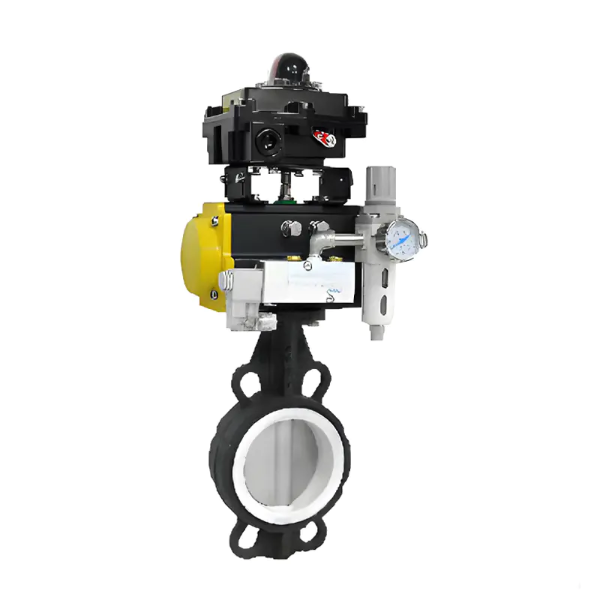
Why Compact Piping Favors This Design
Space is a recurring headache in piping layouts. Lines often run tight against walls, equipment frames, tanks, or pump skids, and a valve that demands a large footprint can turn a workable layout into a puzzle nobody wants to solve twice. Anyone who's tried to route a pipe run through a crowded mechanical room knows how quickly extra clearance requirements eat into a design.
A wafer-style butterfly valve keeps its structure fairly compact because it sandwiches between two pipe flanges rather than needing its own bulky housing. That makes it a practical fit in equipment rooms, production floors, utility corridors, and packaged machinery where every inch around the pipe is already spoken for by something else.
The pneumatic actuator adds a separate kind of practical value on top of the compact shape. Instead of requiring a person to physically turn the valve, the actuator moves it using an air supply paired with a control signal — useful in a system where several valves need to act together as part of one coordinated process rather than each being handled by hand.
A tighter footprint also simplifies planning earlier in the project. Engineers can lay out the valve position alongside nearby pipes and equipment without reserving as much surrounding clearance. Maintenance access still needs real thought during that planning stage, but the overall arrangement tends to be easier to organize than a system built around bulkier valve bodies.
Where It Shows Up in Industrial Piping
Industrial piping covers a wide range of fluid control jobs — some lines carry water or process liquids, others move air or other compatible media, and the right valve always comes down to the actual substance and conditions inside that particular line rather than a general category label.
In general industrial piping, a butterfly valve tends to earn its keep when the main job is opening, closing, or isolating flow. Movement comes from a disc rotating inside the pipe bore, which lets the valve switch between open and closed without needing a large valve body wrapped around it.
Pneumatic operation becomes genuinely useful once valves sit somewhere that makes frequent manual operation inconvenient — behind other equipment, up on a mezzanine, or spread across a facility where walking to each one eats up time nobody has. It also fits naturally into systems where several valves need to respond together as part of one shared control sequence.
| Application environment | Potential role of the valve |
|---|---|
| Industrial piping | Flow isolation and general fluid control |
| Water handling | Pipeline opening and closing |
| Process equipment | Automated flow control |
| Utility piping | Remote valve operation |
| Packaged machinery | Compact automated valve arrangement |
| Fluid handling equipment | Controlled movement of suitable media |
Actual suitability still comes down to the medium moving through the line, the pipe arrangement around the valve, the materials the valve is built from, and the operating conditions it faces day to day. A general application label is a starting point for a conversation, not a substitute for reviewing the complete system.
How It Fits Into Water Supply Systems
Water systems tend to string together a lot of piping across a facility, with valves needed near pumps, storage tanks, distribution lines, and treatment equipment — locations that can differ enormously in how much installation space they actually offer.
A Pneumatic Wafer Butterfly Valve makes sense in a water system that needs valves to open and close on command rather than waiting on someone to reach every handle in person. The actuator responds to a control signal, which matters a great deal in facilities where some valves sit in locations that are genuinely awkward to reach on foot.
Remote operation cuts down on how often an operator needs to physically approach every valve just to make a routine adjustment — a real time saver in a plant where valves are scattered across multiple buildings or up on elevated platforms. Water systems also demand real attention to material compatibility, since sealing materials, valve body construction, connection style, and actuator choice all need to hold up against the actual water quality and environment the valve will sit in, not just a generic water-service label.
The pipe itself is never a passive bystander in this. Support, alignment, available clearance, and access for inspection all shape how practical a given installation turns out to be once it's actually bolted into place rather than sitting in a catalog photo.
Fitting Into Automated Equipment
Automation keeps changing how industrial systems get designed. Rather than an operator manually working every valve in sequence, a central control system increasingly manages whole sections of a process on its own, and pneumatic actuation slots naturally into that kind of arrangement.
An air-operated butterfly valve uses compressed air to produce the movement that opens or closes it, letting it work directly with control equipment that sends operating signals to the actuator on cue. The real benefit isn't just remote movement for its own sake — the valve becomes one link in a longer operating sequence, where one valve might open only after a previous process step finishes, while another closes the moment some other part of the system changes state.
This kind of coordinated control shows up in automated production lines, fluid handling machines, process skids, utility control systems, and any equipment where valves sit far enough from operators that manual intervention just isn't practical. Control planning still matters just as much as the mechanical side — the actuator needs a reliable air source and a control arrangement that actually matches the rest of the equipment, and someone needs to think through what happens if the air supply drops out or the control signal changes unexpectedly.
A valve that performs well mechanically can still be the wrong choice if its control setup doesn't mesh with everything around it. Automation deserves consideration during the valve selection stage itself, not as something bolted on after the mechanical decision is already locked in.
Why Installation Conditions Carry Real Weight
Two systems can use the identical valve model and still face very different installation demands, because the surrounding environment shapes what's actually practical in each case. Available space is one obvious factor — an installer needs enough room to fit both valve and actuator, plus clear access to everything connected nearby, without nearby structures blocking actuator movement or getting in the way of future service work.
Pipe alignment matters just as much. A valve installed into a poorly aligned run can end up under unwanted stress, and that stress has a way of making later maintenance harder than it needs to be. The direction and position of the actuator deserve thought too, since operators and maintenance staff need a reasonable way to inspect the assembly — a valve tucked into an awkward corner turns routine checks into a chore nobody looks forward to.
Environmental conditions round out the picture. Temperature swings, moisture, dust, and exposure to whatever else is in the air around the installation all influence which materials and actuator types actually hold up over time. Matching the valve to its real location, rather than to a generic product category on a data sheet, tends to separate installations that run smoothly for years from ones that need attention far sooner than planned. Good installation planning treats the valve, actuator, pipe, support structure, and maintenance area as one connected arrangement rather than a list of separate purchases.
How Control Method Shapes the Selection
The same valve body can play very different roles depending on how it gets controlled. Manual operation suits simple piping systems where a handle nearby is genuinely convenient. Pneumatic operation earns its place once remote or frequently repeated movement becomes part of the job description.
Pneumatic control also gives a system a way to tie valve movement into a wider process, since the actuator takes in a control input and turns it into mechanical action — a link that lets valve operation coordinate with the rest of the equipment instead of running on its own separate schedule. That said, the choice still needs to reflect what's actually available on site. A pneumatic setup needs a working air supply and a compatible control infrastructure, and where those simply aren't in place, another actuation method is often the more sensible route.
Working through control requirements benefits from asking a few direct questions along the way: does the valve genuinely need remote operation, how often will it actually change position, is compressed air readily available at that location, where does the control signal originate, what should happen if the air supply changes unexpectedly, can maintenance staff reach the actuator without a struggle, and does the actuator arrangement actually fit the space available around the installation? Working through these questions ties valve selection back into the wider equipment design instead of treating the actuator as a separate purchase made after the fact.
When a Gate Valve Makes More Sense
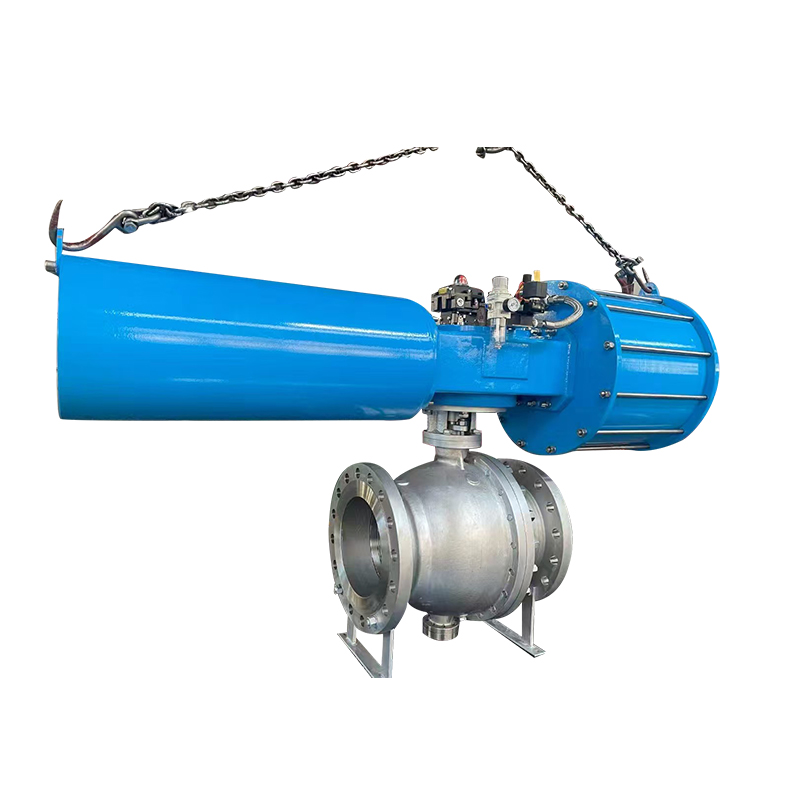
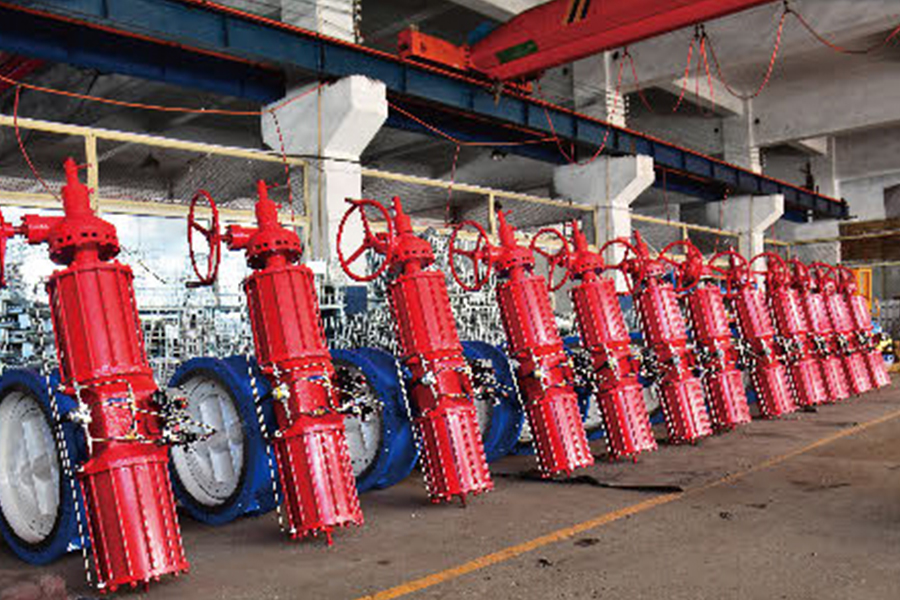
A butterfly valve isn't the answer for every fluid control situation. Some applications call for a different structure entirely, and a Pneumatic Gate Valve Supplier can offer solutions where the flow path and isolation requirements point toward gate valve construction instead.
Gate valves and butterfly valves behave differently and carry different physical arrangements, so the choice between them comes down to what the system genuinely needs rather than which actuator happens to be attached. Buyers benefit from thinking through the purpose of the valve, the nature of the medium moving through it, the installation space available, how often the valve will actually operate, and which control method fits the rest of the equipment. Maintenance conditions deserve just as much attention, since the valve has to stay reachable long after the installation crew has moved on to the next job.
A supplier can help compare valve types once the application gets described clearly — piping arrangement, fluid type, operating conditions, connection requirements, and whether the valve will run manually or pneumatically all give a supplier something concrete to work from. That kind of conversation also cuts down on the risk of picking a valve based on its name alone, since two products can share a general fluid control label while serving genuinely different mechanical roles underneath.
Matching the Valve to the Actual Scenario
Fluid control systems turn up in more environments than any single description covers well. A compact process machine faces different demands than a large water distribution network, and a utility line rarely behaves the same way as a production line where flow conditions shift throughout the day.
Because of that, the question of where a Pneumatic Wafer Butterfly Valve genuinely fits should stay tied to the complete application rather than a general product category. In industrial piping, compact construction paired with pneumatic operation supports automated isolation and flow control. In water systems, remote operation earns its value once valves are scattered across a facility. In automation equipment, the actuator ties valve movement into a wider control sequence that runs largely on its own.
Other fluid handling scenarios call for a closer look at the medium and the conditions surrounding it. Material compatibility becomes a real concern whenever the valve contacts different fluids over its working life, and the sealing arrangement needs to suit that same application rather than a generic assumption. Installation space and maintenance access stay relevant regardless of which industry the valve ends up serving.
| Selection area | Questions to consider |
|---|---|
| Fluid | What medium will pass through the valve? |
| Installation | How much space is available around the pipe? |
| Control | Will operation be manual or pneumatic? |
| Maintenance | Can the valve and actuator be inspected easily? |
This kind of framework keeps the selection process anchored in actual operating needs rather than general assumptions, and it gives manufacturers and buyers a shared way to talk through valve requirements without talking past each other.
As industrial systems keep getting more connected, valve selection keeps tying itself more closely to equipment layout and control planning generally. A compact butterfly valve with pneumatic operation can become a genuine part of that wider design once the application actually calls for it — not because it's a default choice, but because the pipe arrangement, fluid conditions, actuator requirements, installation access, and maintenance planning happen to line up in its favor. In practice, the decisions that hold up over time come from looking at all of those factors together, rather than treating the valve as something chosen in isolation from everything it has to work alongside.