

 English
 русский



Flow control is a daily concern in many industrial piping systems, the kind of task an operator handles dozens of times before lunch. Liquids and gases need to move through different lines at the right stage of a process, while some sections may need to remain closed or isolated entirely. When these actions depend heavily on manual valve operation, routine work can become a lot more difficult to coordinate across a busy shift.
The challenge becomes more noticeable when a facility has many flow-control points scattered across a plant. An operator may need to open one line, close another, and monitor equipment all at roughly the same time. If every valve requires physical operation, the process can involve unnecessary movement and pull attention away from other duties. Air Operated Butterfly Valves offer a practical way to connect valve movement with an automated control process instead of leaving it all to foot traffic. Instead of depending entirely on a person to turn a handle, a pneumatic actuator can move the valve after receiving an operating instruction from the control system.
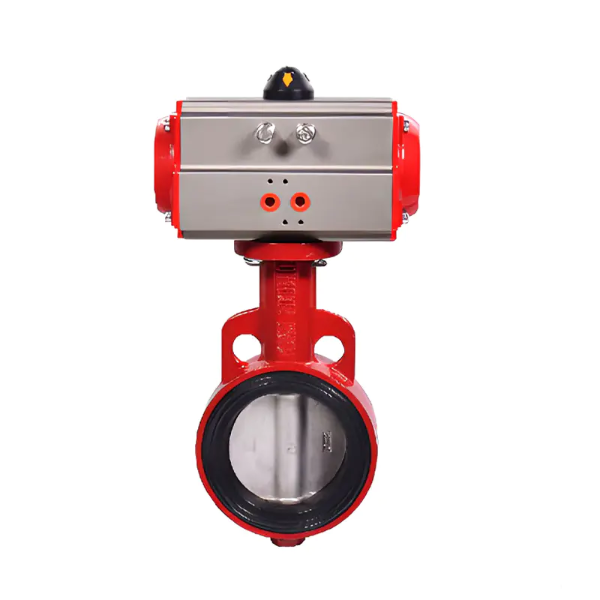
This approach can change how operators interact with a piping system throughout their day. The valve becomes part of a wider operating sequence, rather than a separate component that must always get handled manually one at a time. The value of automation isn't limited to convenience alone, though that matters plenty. It can also support remote operation, coordinated valve movement, and more consistent handling of repeated flow-control tasks that happen the same way every shift. These benefits can be useful in production areas, utility systems, water systems, and other industrial environments where valves multiply fast.
Automation also needs to be considered as part of a complete system rather than a single upgrade. The valve, actuator, air supply, control equipment, piping, and maintenance process all have a role to play together. Selecting one component without considering the others may create problems later during installation or operation, sometimes months after the purchase order clears.
How Does an Air Operated Butterfly Valve Control Flow?
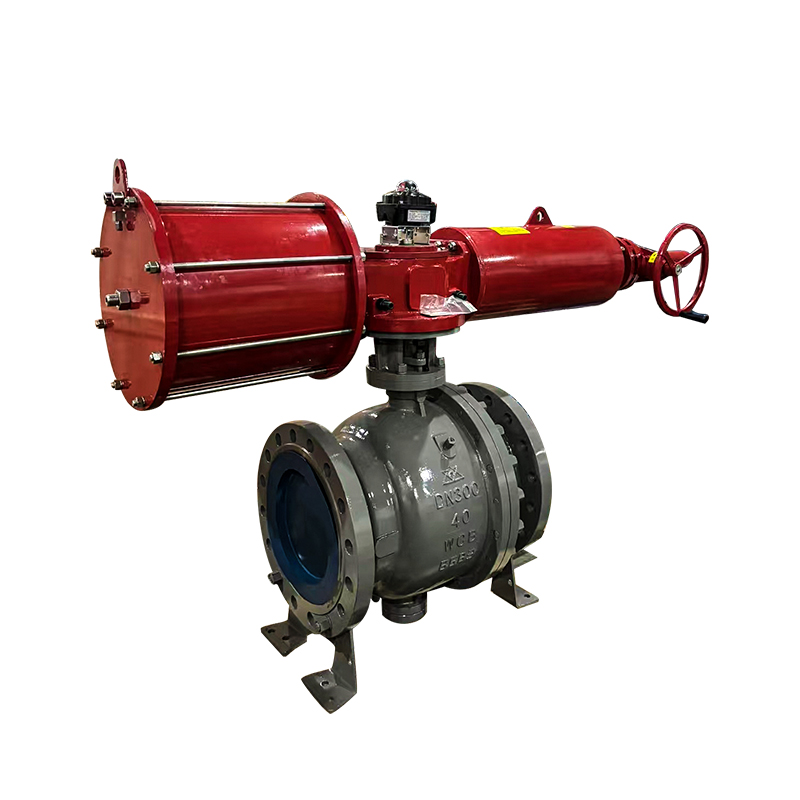
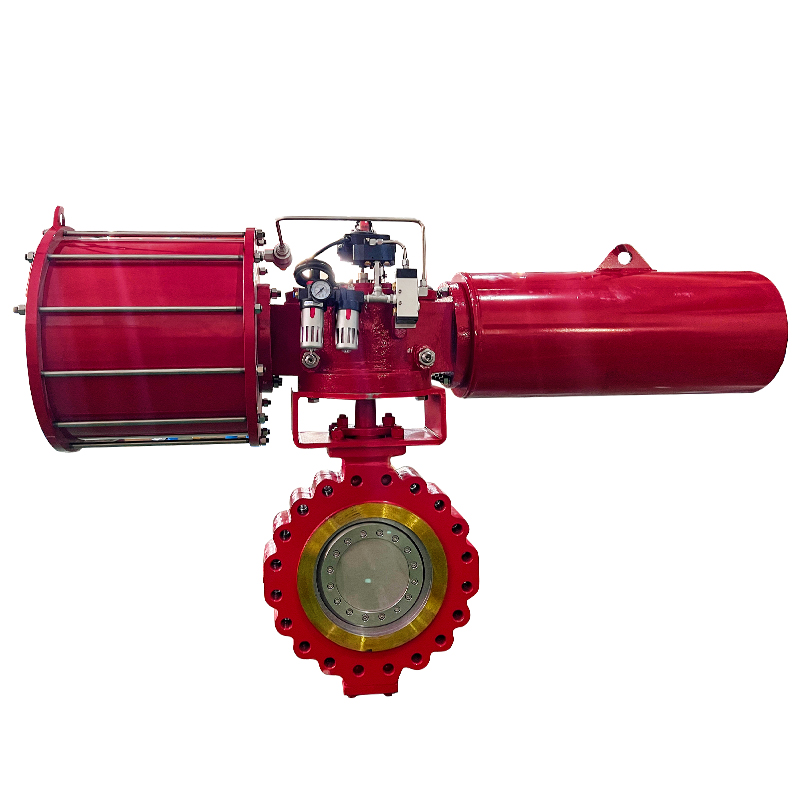
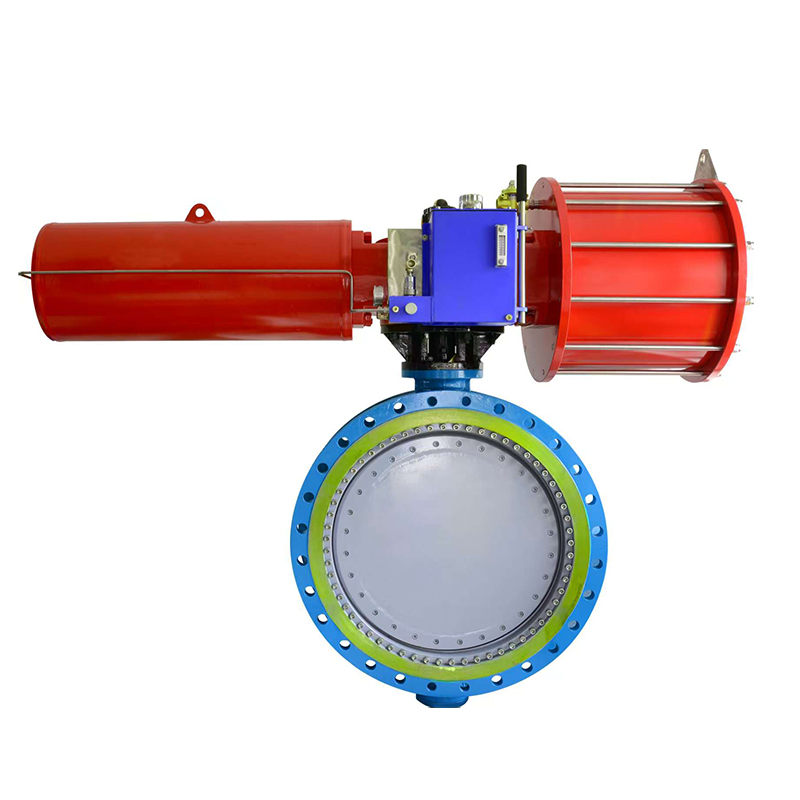
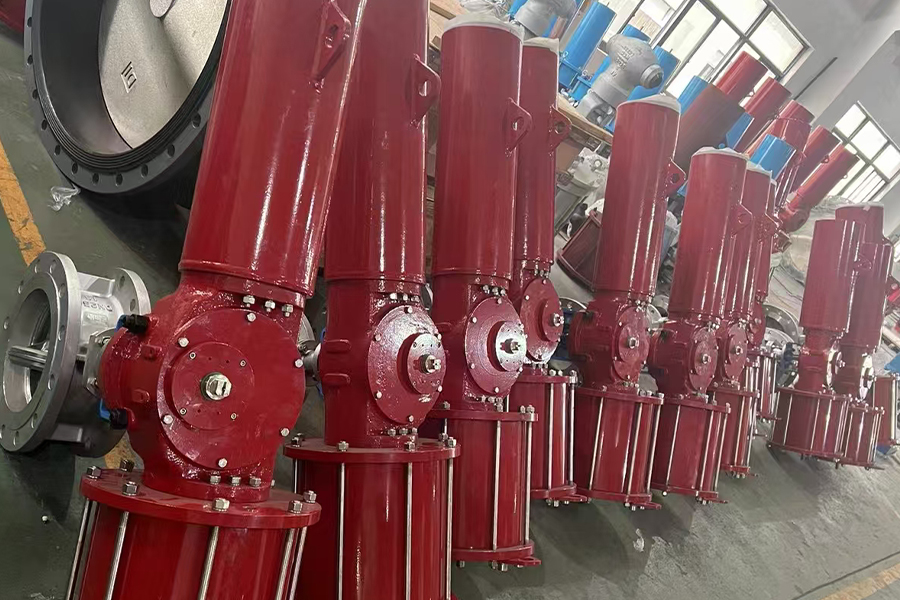
An air operated butterfly valve controls the flow path through a rotating disc sitting inside the valve body. The pneumatic actuator provides the movement, while the control system determines when the valve needs to open or close based on process conditions.
When an operating instruction reaches the actuator, the actuator moves the valve into the required position within seconds. This allows the flow path to be changed without requiring an operator to stand beside the valve waiting for the right moment. The arrangement can be useful when valves are installed in locations that are difficult to reach, like overhead piping or a cramped mechanical room. It can also support processes where valve movement happens repeatedly as part of normal production running shift after shift.
The basic relationship can be viewed in a simple way worth laying out clearly.
| Part | Main Role |
|---|---|
| Butterfly valve | Manages the flow path |
| Pneumatic actuator | Moves the valve |
| Control equipment | Sends operating instructions |
| Air supply | Provides operating power |
| Position feedback | Helps confirm valve status |
| Piping | Carries the controlled medium |
These parts work together to create an automated flow-control process that runs largely on its own. The valve itself manages the physical flow path, while the actuator and control equipment allow that movement to happen as part of a wider operation spanning the whole facility.
The butterfly valve structure can also be useful in piping layouts where installation space needs careful consideration. Its rotary movement gives it a natural connection with a pneumatic actuator, creating a fairly straightforward arrangement for automatic opening and closing without excessive hardware. Actual suitability still depends on the application in front of the buyer, though. The handled medium, piping design, installation environment, operating routine, and maintenance requirements should all get reviewed before a valve is selected off a catalog page.
Why Is Automatic Opening and Closing Useful?
Automatic opening and closing can reduce the amount of manual work involved in everyday flow management considerably. Instead of requiring an operator to visit a valve whenever the flow path changes, the control system can send an instruction to the actuator directly.
This can make a genuinely noticeable difference in facilities where valve movement is part of a repeated process running throughout the day. A production sequence may require one line to open while another line closes almost simultaneously. These actions can be included within the same control process without a person sprinting between two rooms. The benefit is also related to coordination as much as convenience. Manual operation depends on people carrying out individual tasks at different locations, sometimes miscommunicating along the way. Automated movement gives the system a much more organized way to manage valves that need to work together in sync.
Remote operation can be particularly useful in large or busy facilities spread across several buildings. Valves may be positioned near pumps, tanks, filters, processing equipment, or other piping components tucked into tight corners. Reaching each valve manually can take attention away from other operating duties that matter just as much.
Common reasons for using automatic valve operation include several worth listing out.
- Remote flow control.
- Automatic line isolation.
- Repeated valve movement.
- Coordinated equipment operation.
- Easier management of difficult-to-reach valves.
- Integration with plant control systems.
Automation does not mean that human involvement disappears from the picture entirely. Operators still need to monitor the process and respond when equipment requires attention that a sensor can't catch. The difference is that routine valve movement can become part of the automated operating sequence, freeing up attention for things that actually need a human eye.
For commercial facilities, this can also influence workflow planning across a shift. A system that reduces repeated manual actions may allow personnel to spend more time monitoring the overall process and a lot less time walking between individual control points scattered around a plant.
Can Pneumatic Operation Improve System Response?
System response is an important part of automated flow control, arguably the part that matters most when something needs to happen quickly. When a process requires a valve to change position, the control instruction needs to reach the valve and produce the expected movement without delay. The valve therefore becomes one part of a chain that connects process conditions with physical flow control.
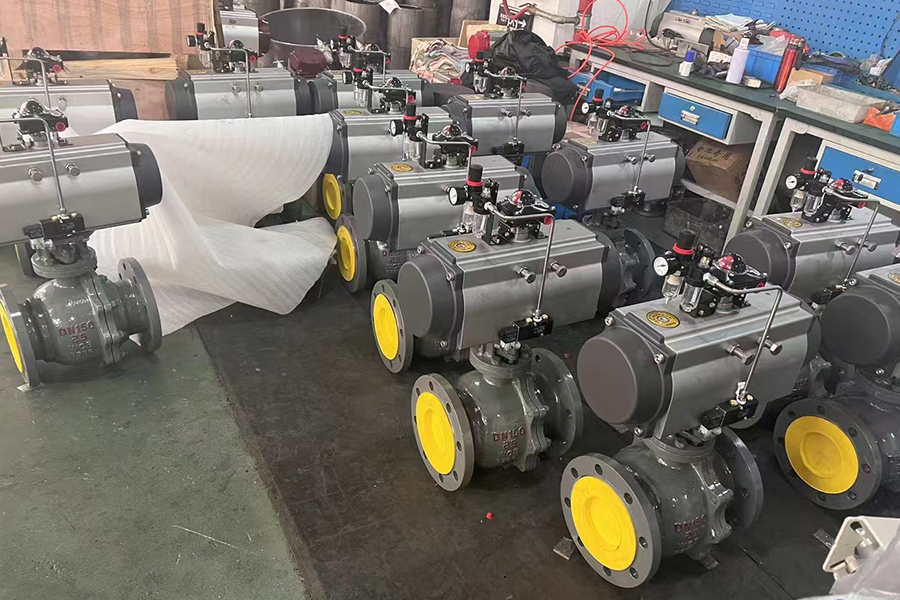
Pneumatic operation provides a practical way to create this movement reliably. The actuator uses compressed air to move the butterfly valve, allowing the valve to respond to instructions from the control arrangement almost immediately. This can be useful when a piping system contains repeated operating sequences that happen the same way every cycle. A valve may need to open when a process begins and close when that stage ends a few minutes later. Automatic movement allows the action to take place without waiting for an operator to physically reach the installation point.
System response should not be considered only from the perspective of the actuator alone, though. The air supply, valve condition, control equipment, installation arrangement, and maintenance condition can all influence how the complete system actually behaves under real conditions. A well-planned system therefore asks a wider question worth sitting with. It's not simply whether the valve can operate automatically in a demo. It's whether the entire valve assembly can respond in a way that fits the process it's actually serving.
This becomes particularly relevant when the valve works alongside other equipment sharing the same line. Pumps, tanks, filters, sensors, and production equipment may all have different operating roles that need to line up. Valve movement needs to fit that sequence, rather than operate as an independent action disconnected from everything around it.
During system planning, users can consider several questions worth answering upfront.
- How often will the valve operate?
- Is remote operation required?
- Where will the valve be installed?
- Will several valves need coordinated movement?
- How will valve position be checked?
- What happens if the air supply is unavailable?
- How will maintenance personnel reach the valve and actuator?
These questions help define the actual flow-control requirement in concrete terms. They also prevent automation from being treated as a simple addition bolted onto an existing manual valve without much thought.
Where Does a Pneumatic Wafer Butterfly Valve Fit Into Industrial Piping?
The Pneumatic Wafer Butterfly Valve is suited to applications where automatic operation and a compact piping arrangement both matter at the same time. Its wafer-style structure installs within the piping connection directly, while the pneumatic actuator provides the movement required to open or close the valve.
This design can be useful in areas where several piping components are installed close together, elbow to elbow in a crowded utility room. A compact valve arrangement can give system designers a lot more flexibility when organizing equipment around pumps, tanks, processing units, and utility lines competing for the same square footage. The valve can be considered for a range of industrial flow-control applications spanning several industries. Water handling, utility piping, process support lines, cooling systems, and general industrial services may all involve situations where automatic opening and closing genuinely helps.
| Application | Potential Flow-Control Need |
|---|---|
| Water systems | Remote isolation and flow management |
| Utility piping | Centralized valve operation |
| Cooling systems | Automated flow switching |
| Processing facilities | Coordinated line control |
| Water treatment areas | Repeated opening and closing |
| Production lines | Sequence-based valve movement |
The actual application should always determine product selection rather than a generic assumption about butterfly valves. A wafer-style valve may be suitable for one piping layout but a lot less appropriate for another with different clearances. Material selection should also reflect the handled medium and surrounding environment the valve will live in day after day.
Installation access is another practical consideration worth planning for early. Even an automated valve needs to remain accessible for inspection and service when something eventually needs attention. The actuator, valve body, connections, and nearby piping should not get positioned in a way that makes routine maintenance unnecessarily difficult for whoever draws that task.
For equipment manufacturers and system integrators, this makes the Pneumatic Wafer Butterfly Valve a lot more than a standalone valve choice picked off a shelf. It's part of a complete piping arrangement that needs to balance flow control, automation, installation, and future maintenance together.
How Does Remote Operation Change Daily Flow Management?
Remote operation can change the way operators handle routine flow-control tasks quite noticeably. Instead of traveling to each valve one by one, personnel can manage valve movement from a suitable control location when the system is designed for remote operation from the start.
This can be especially useful in facilities with complex layouts stretching across multiple buildings or floors. A valve may be located behind other equipment, within a utility area, or along a long piping route that takes several minutes to walk. Physical access may technically be possible, but it may not be practical for frequent operation throughout a shift. Remote control can also make several flow-control actions a lot easier to coordinate at once. If multiple valves need to change position as part of the same process, the control system can organize these actions, rather than leaving operators to manage each valve independently and hope the timing works out.
The result is a much more connected operating process overall. A valve can work alongside pumps, sensors, tanks, and other equipment, rather than being treated as an isolated manual device sitting off in a corner. Operators can also benefit from having more information available from a central location without leaving their station. When the system provides valve status information, personnel may be able to check whether the expected valve movement has actually taken place without physically inspecting every location in person.
However, remote operation should not get confused with completely hands-free equipment management, tempting as that idea sounds. Physical inspection remains necessary regardless of how good the sensors are. Valves and actuators can experience wear, environmental exposure, or other conditions that cannot be identified through control signals alone, no matter how sophisticated.
The strongest practical benefit comes from dividing responsibilities in a sensible way between machine and person. The control system handles routine movement throughout the day. Operators and maintenance teams remain responsible for supervision, inspection, and service decisions that require actual judgment.
What Makes Automated Flow Control Easier for Operators?
Ease of operation is often the practical reason users move from manual valves to automated systems in the first place. The change can remove repeated physical actions and allow operators to manage flow from a much more convenient location instead of walking a beat all shift.
Consider a facility where several valves are installed across different areas of a plant. A manual arrangement may require staff to visit each location whenever the process changes, which adds up fast over a full day. An automated arrangement can allow these actions to be managed through the control system instead, cutting out the walking entirely. This can also reduce the mental load associated with repeated valve operation considerably. Instead of remembering which valve needs to be opened or closed at each stage of a sequence, the operating logic can be incorporated into the system itself.
Clear valve status information can further improve usability on a daily basis. Operators can check whether a valve is open or closed and compare that condition with the expected process state without guessing. Pneumatic operation also works naturally with rotary butterfly valve movement, which helps keep things simple mechanically. The actuator converts the available air supply into movement, while the valve manages the flow path. This creates a direct relationship between the operating instruction and the physical valve position that's easy to trust.
Ease of operation still depends on good system design from the outset, though. Controls should be understandable at a glance, valve locations should remain accessible for service, and the actuator should be properly matched to the valve it's paired with. The goal isn't making the system more complicated in the name of automation for its own sake. The goal is reducing unnecessary manual work while keeping the flow-control process clear for the people responsible for operating and maintaining it every day.
How Should Air Operated Butterfly Valves Be Selected for Different Applications?
Valve selection should begin with the actual flow-control task in front of a buyer, not a general product description. Buyers should understand what the valve needs to control, how often it will operate, where it will be installed, and how it will interact with the existing control system already in place.
The handled medium is an important consideration worth checking first. Water, air, and other media can create genuinely different operating conditions inside the same valve body. The surrounding environment also matters quite a bit, especially in areas exposed to moisture, cleaning activity, dust, or other external conditions that wear on equipment over time. The piping arrangement should get reviewed at the same time as these other factors. Available space, connection requirements, nearby equipment, actuator position, and maintenance access can all affect which valve configuration actually makes sense for the job.
A practical selection process can include several steps worth walking through in order.
- Define the required flow-control function.
- Identify whether operation will be manual, remote, or automatic.
- Review the piping arrangement.
- Consider the handled medium and installation environment.
- Select a suitable butterfly valve configuration.
- Match the pneumatic actuator to the valve.
- Plan how the valve will connect with the control system.
- Review inspection and replacement access.
This process helps buyers consider the complete operating environment, instead of focusing only on the valve body sitting in a spec sheet. A mechanically suitable valve may still create difficulties if the actuator, controls, or installation arrangement don't fit the rest of the system around it.
Commercial buyers can also consider future service requirements while they're at it. If a facility uses many automated valves across different lines, clear product identification and suitable replacement planning can make maintenance a lot easier down the road. For manufacturers and system integrators, application-based communication with suppliers can also improve product selection considerably. Providing information about the piping layout, operating process, handled medium, installation conditions, and automation requirements gives suppliers a much clearer basis for discussing suitable valve options.
What Maintenance Practices Keep Automated Flow Control Reliable?
Automation reduces manual operation day to day, but it doesn't remove the need for maintenance altogether. The valve, actuator, air supply connection, control equipment, and surrounding piping all require attention during routine equipment care that shouldn't get skipped.
Inspection can begin with simple physical checks that don't take long to run through. Maintenance personnel can look for visible damage, leakage, corrosion, loose connections, or changes around the valve and actuator worth flagging. They can also observe whether the valve responds as expected when the system performs a normal operating sequence during a routine test. The actuator should receive attention as well during these checks. A valve may appear physically sound on the outside while the actuator or its connection has developed a problem underneath. Checking the complete assembly gives maintenance teams a much clearer picture of the condition of that flow-control point.
A simple maintenance framework can include several areas worth checking regularly.
| Maintenance Area | Practical Inspection |
|---|---|
| Valve body | Check physical condition and visible surface changes |
| Actuator | Observe operating condition |
| Connections | Look for leakage or looseness |
| Air supply | Check for visible connection concerns |
| Piping | Inspect nearby components and supports |
| Control response | Confirm expected valve movement |
| Access area | Keep the valve available for future service |
Maintenance records can also support replacement decisions when the time comes to make a call. If a valve requires repeated attention every few months, the team can review whether repair remains practical or whether replacement would better suit the operating needs going forward. Replacement planning should not wait until a valve becomes completely unusable and fails mid-shift. When inspection reveals ongoing deterioration or repeated operating concerns, maintenance teams can coordinate replacement with planned system service instead of scrambling later.
This approach gives the valve a clear place within the full equipment lifecycle from purchase to retirement. Selection determines how the valve fits the system from the start. Automation determines how it operates day to day. Inspection helps track its condition over time, and replacement planning prepares the facility for future maintenance work before a crisis forces the issue.
For industrial flow-control applications, the practical question is therefore a lot broader than whether a butterfly valve can open and close automatically on command. The more useful question is how the valve, pneumatic actuator, control system, piping arrangement, operators, and maintenance team can work together to make everyday flow management genuinely easier to control.