

 English
 русский



A maintenance worker approaching a pneumatic machine that just started making an unfamiliar noise doesn't have time to trace the whole air line back to some distant panel and hope they're flipping the right switch. Industrial equipment depends on a steady flow of air, gas, or other media, and when everything's running normally, that flow practically disappears into the background of a shift. The situation changes fast the moment a line needs isolating because of maintenance, equipment trouble, or some unexpected operating condition nobody planned for that morning.
That's exactly where emergency shut-off equipment earns its place.
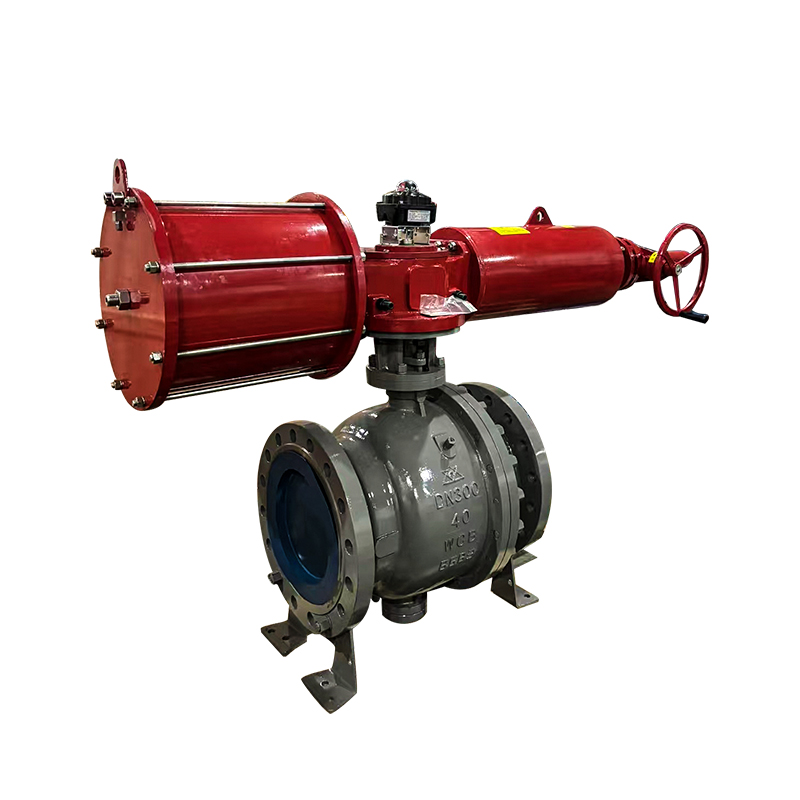
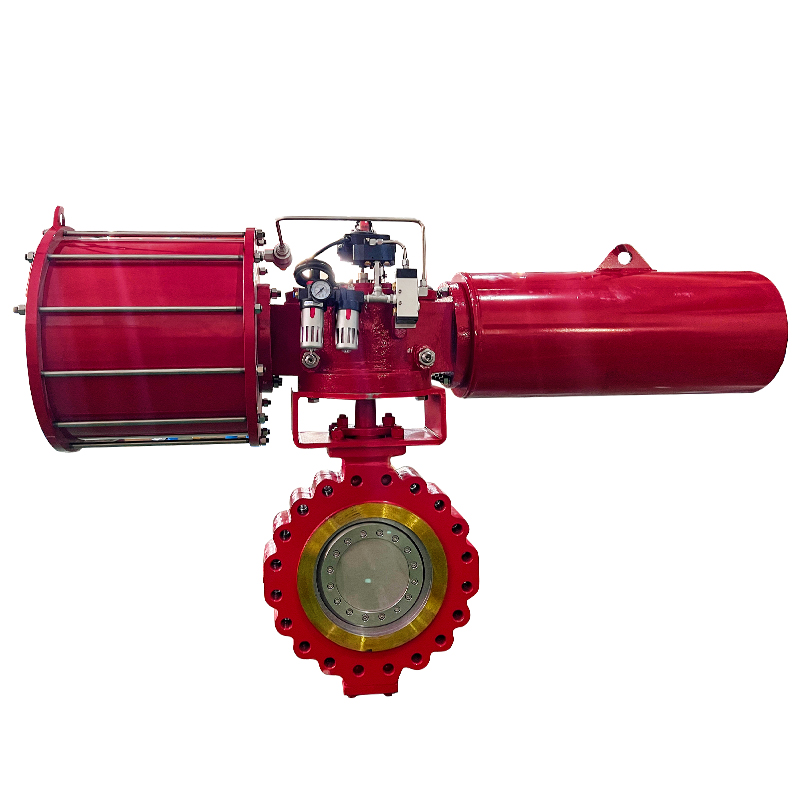
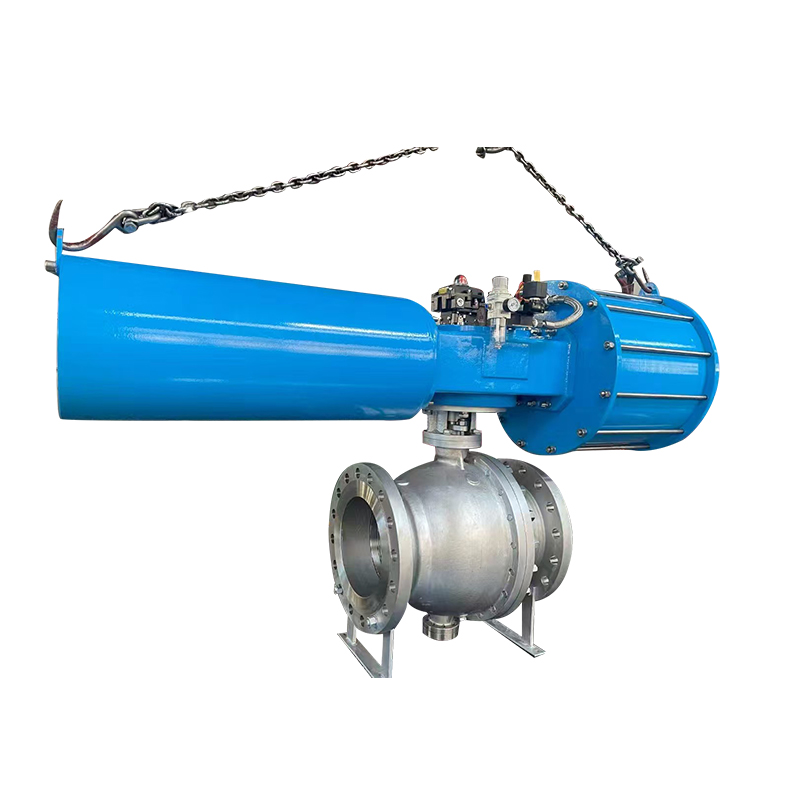
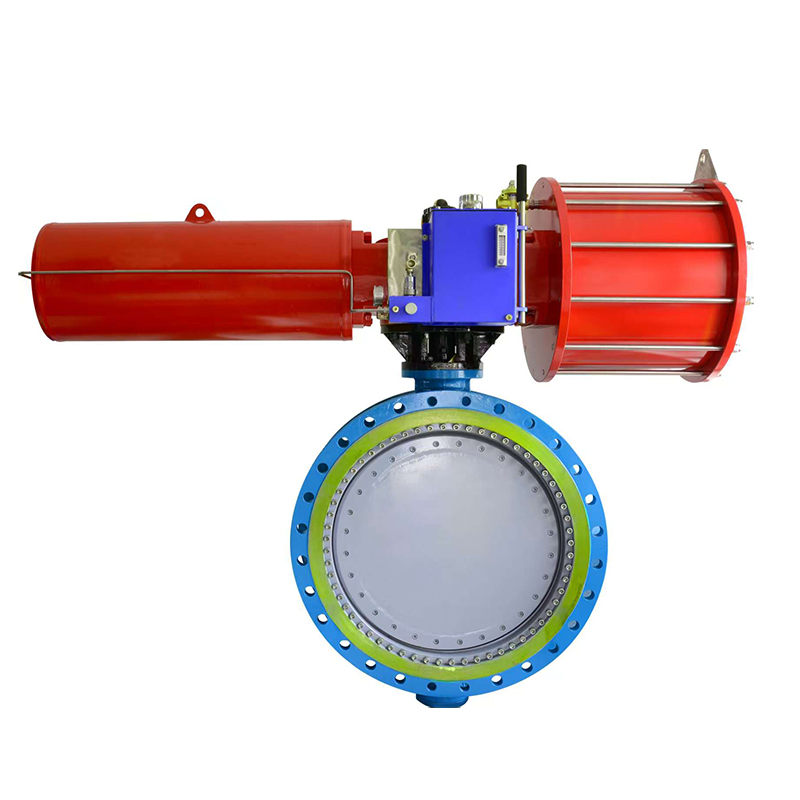
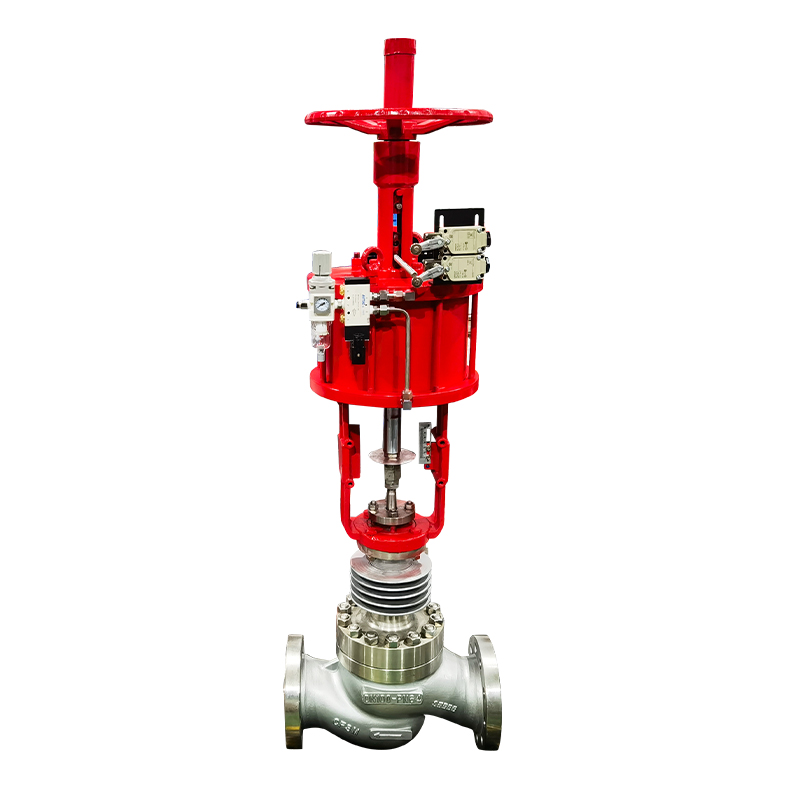
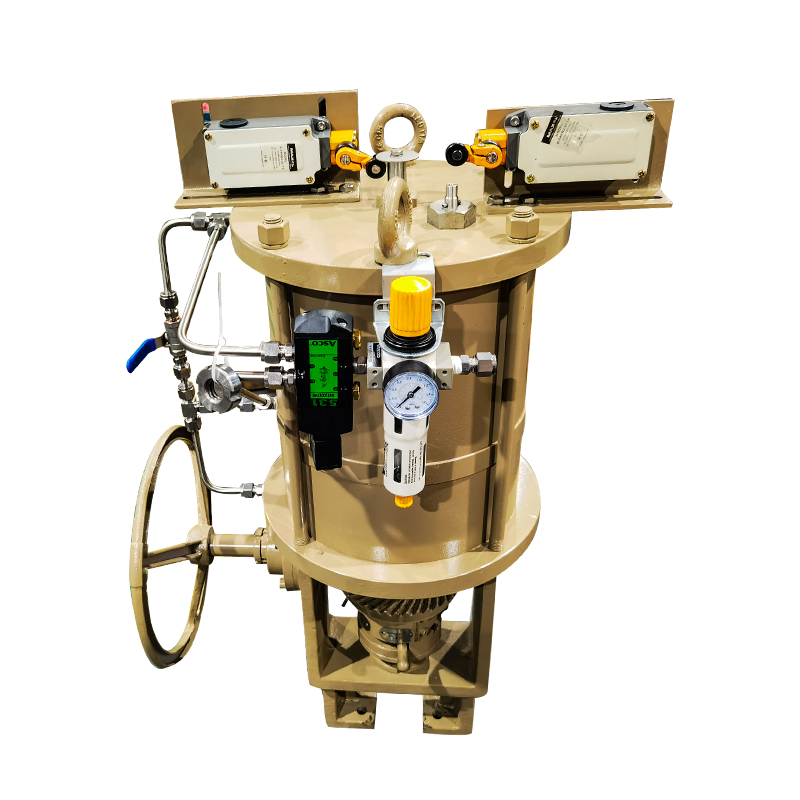
A pneumatic emergency shut off valve exists to stop or isolate flow when a system needs a genuinely rapid response. It can form part of a wider control arrangement and gets considered in equipment where continued flow could create real operational or safety concerns.
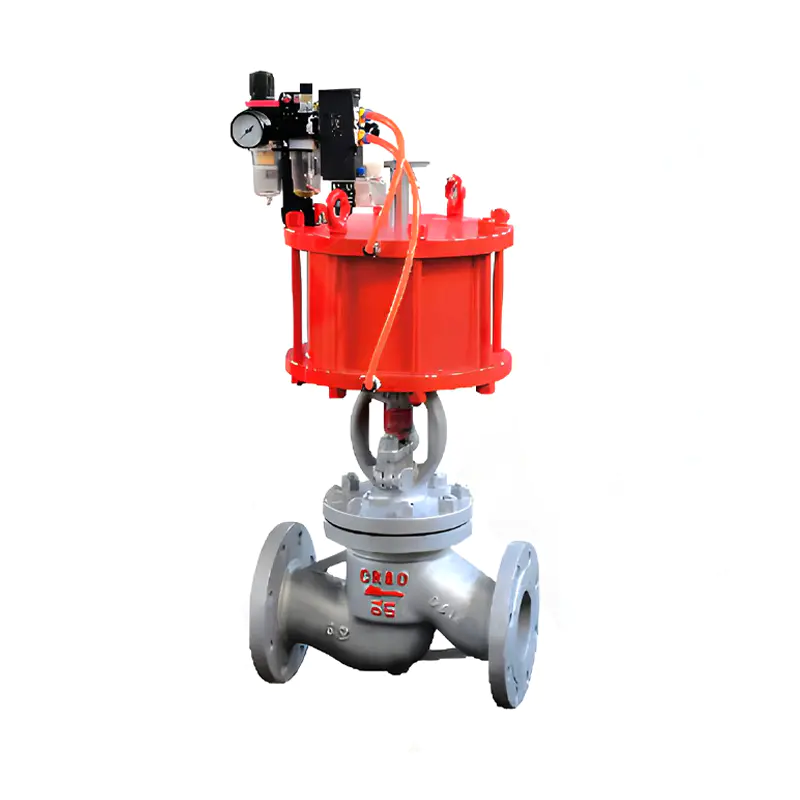
The decision to use one shouldn't rest on the valve's name alone. The actual process, the operating environment, the equipment arrangement, and the response requirements all need real consideration before anything gets specified.
Different facilities carry different needs here too. A small pneumatic machine might run off a simple air supply, while a larger industrial system can contain several connected lines and control points feeding into one another. The role a valve plays can shift quite a bit from one application to the next.
Understanding when emergency shut-off capability actually earns its keep helps designers, maintenance teams, and purchasing staff make decisions grounded in the real system, not just a product catalogue.
Why Emergency Shut-Off Matters in Pneumatic Systems
A pneumatic system runs on controlled air movement to power equipment. If that supply needs stopping, waiting around for a normal operating cycle to wind down isn't always appropriate — sometimes the situation calls for something faster.
An emergency shut-off arrangement gives operators a way to interrupt the supply the moment a rapid response becomes necessary.
This matters when equipment starts behaving unexpectedly, making a sound it shouldn't, or moving in a way that signals something's gone wrong. It's also relevant when maintenance work needs the system fully isolated from its energy source before anyone puts hands on it.
The purpose stays simple at its core: stop the relevant flow and create a clearer, safer condition before the next action happens.
A pneumatic stop valve might handle ordinary flow control or routine isolation just fine. An emergency shut-off valve carries a more specific role, built for situations where stopping the supply fast genuinely matters.
These two functions can overlap in some systems, but they shouldn't automatically get treated as identical just because they both stop flow. A facility might use standard isolation valves for routine maintenance while keeping a separate emergency shut-off arrangement on hand for situations demanding faster action. That distinction alone can make the whole system a lot easier to understand and operate day to day.
When a Pneumatic Emergency Shut Off Valve Should Be Considered
The need for emergency shut-off usually surfaces when continued flow could create a genuinely unwanted situation. Several conditions tend to push engineers or operators toward considering this type of valve.
Unexpected equipment behavior. If a machine starts operating outside its normal pattern — running rough, cycling oddly, or showing signs of strain — stopping the pneumatic supply might be part of the immediate response.
Maintenance work. During service or inspection, isolating the air supply helps separate the equipment cleanly from its operating source before anyone opens a panel.
Process interruption. If another part of the system develops a problem, shutting off a connected line can help contain the effect on nearby equipment before it spreads.
Access to operating areas. Some machines call for a clear, reliable method of stopping the pneumatic supply before personnel approach certain areas up close.
Changes in operating conditions. A shift in the production process can create a genuine need for additional isolation points that didn't exist before.
None of these situations automatically mean an emergency shut-off valve is required, though. A proper application review still needs doing. The valve should get selected based on the actual risk and operating arrangement in front of you, not added simply because it sounds like good practice on paper.
How a Pneumatic Emergency Shut Off Valve Differs From a Regular Stop Valve
The difference really comes down to purpose. A standard pneumatic stop valve handles controlling or isolating flow during normal operation, often as part of routine process management that happens every shift.
A pneumatic emergency shut off valve, by comparison, gets considered when the system needs a dedicated way to interrupt flow during an abnormal or urgent situation specifically.
| Valve Type | Common Purpose | Typical Use |
|---|---|---|
| Pneumatic stop valve | Routine flow isolation | Normal operation and maintenance |
| Pneumatic system control valve | Managing pneumatic system operation | Process and equipment control |
| Pneumatic emergency shut off valve | Rapid flow interruption when required | Emergency or abnormal conditions |
| China stop valve | Supplier or market description | Selection depends on application and product design |
This comparison shows clearly why product names shouldn't be the only basis for selection. A valve can be mechanically sound and still fail to meet the intended operating purpose. The control method, installation position, surrounding equipment, and response process all matter here. The emergency function really needs consideration as part of the complete system, not bolted on as an afterthought.
What Situations May Require Rapid Isolation
Not every pneumatic line actually needs an emergency shut-off arrangement. The need becomes relevant specifically when continued flow could interfere with safe or controlled operation in a real, tangible way.
Take a machine with moving parts that rely on pneumatic power, for instance. If that equipment develops an unexpected problem mid-cycle, being able to isolate the supply quickly becomes genuinely useful rather than optional.
Maintenance brings up another common situation. A worker might need to inspect a machine after production stops for the day. Just switching the machine off doesn't provide the same isolation as actually stopping the pneumatic supply feeding it. The system needs designing so workers clearly understand which control point they're supposed to use before they start.
There are also situations where a problem upstream ends up affecting equipment downstream. A shut-off point can help separate one part of the system from another, depending on how the whole system's laid out.
The exact response procedure should ultimately come from the responsible engineering and safety teams. The valve is one piece of that arrangement — it's not a substitute for a broader safety process built around real procedures and training.
Where a Pneumatic System Control Valve Fits Into the Arrangement
A pneumatic system control valve often carries a broader role than an emergency shut-off valve. Control valves manage how a pneumatic system operates during normal production, helping coordinate different parts of a machine and supporting shifts in operating conditions as production changes.
An emergency shut-off valve serves a genuinely different purpose. The two types can coexist within the same system because normal control and emergency isolation address separate needs entirely.
A simplified arrangement might look something like this:
Air Supply → Control Section → Equipment → Emergency Isolation Point
The actual arrangement depends on the specific machine and process, of course. What matters most is that the emergency function stays easy to understand at a glance. Operators should know without hesitation which control handles ordinary operation and which one's meant for emergency isolation — confusing the two at the wrong moment is exactly the kind of mistake nobody wants.
Clear labeling and sensible installation support that understanding. Valve location matters here too — if the shut-off point is hard to reach, its usefulness during an urgent situation drops considerably. Designers should factor in access from the start when planning the installation, not as an afterthought once everything's already bolted down.
What Buyers Should Consider Before Selecting the Valve
Purchasing teams often start with the valve itself sitting in a catalogue. A better starting point is the system it's actually going into.
A handful of questions help define the real requirement:
- What medium is being controlled? The valve needs to suit whatever material is actually moving through the line.
- What is the purpose of the shut-off? Determine whether the valve's meant for routine isolation, emergency response, maintenance, or something else entirely.
- Where will the valve be installed? Location affects access, maintenance, and how the valve interacts with everything around it.
- How will it be operated? The control method needs to match the facility's actual operating procedures, not some generic assumption.
- What happens after the flow is stopped? The system needs a clear response procedure ready to follow once isolation happens.
- How will the valve be maintained? Maintenance access and inspection requirements deserve consideration before installation, not after.
- Does the valve fit the surrounding equipment? Connections, installation space, and related components all need genuine compatibility.
These questions help avoid a common purchasing mistake: picking a valve based purely on its product name. A supplier can offer a lot more useful guidance once the application's been clearly described to them.
Why Installation Location Matters
An emergency shut-off valve needs placement where it can actually do its job when called on. A valve tucked behind other equipment might technically isolate a line just fine, but if it's genuinely hard to reach, that creates real confusion in an urgent moment when seconds matter.
The installation point really deserves consideration during the equipment layout stage, before anything's welded or bolted in place. Operators should be able to identify the valve immediately and understand what it does. Maintenance personnel need enough access to inspect and service it too, without wrestling with nearby obstructions.
The surrounding environment matters just as much. A valve installed near heat, moisture, dust, vibration, or other challenging conditions might need a product specifically designed for that setting rather than a generic off-the-shelf option. The supplier should know about the actual installation environment upfront, not discover it after delivery.
Mounting stability deserves thought too. A valve should be supported properly so operation and maintenance don't place unnecessary stress on connected components over time.
The goal here isn't simply squeezing the valve into whatever space happens to be available. It's positioning it as a genuinely functional part of the system, ready to work when it's actually needed.
How Emergency Shut-Off Valves Support Maintenance Work
Maintenance is one of the areas where isolation becomes especially important, since workers are putting hands directly on equipment that could still have stored energy or pressure in it.
Before anyone inspects or services pneumatic equipment, the relevant energy source needs controlling according to the site's established safety procedures. A shut-off valve provides a physical point for separating part of the pneumatic system from its supply, which makes the whole isolation process a lot easier to understand and verify.
That said, a valve should never get treated as the only safety measure in play. The appropriate isolation procedure depends on the specific equipment and workplace. Workers still need to follow established procedures and confirm the system's actually in the required condition before starting any work — the valve supports that process, it doesn't replace it.
Regular inspection helps ensure the valve stays available and functional when it's actually needed. If the equipment sees infrequent use, its condition can quietly slip under the radar compared to components running constantly. Routine maintenance planning cuts down on this risk considerably.
The inspection process should cover the valve itself, its connections, the surrounding equipment, and the operating method all together, not just a quick glance at the valve body.
How Businesses Should Compare China Stop Valve Suppliers
The term "China stop valve" shows up a lot in online searches and supplier catalogues, describing a broad group of products rather than pointing to one single application. Businesses considering suppliers should look well beyond the country of origin or general product category alone.
The supplier should be able to talk through the intended use, operating environment, installation arrangement, and valve function directly, rather than just pointing to a spec sheet. Clear product documentation makes that whole conversation a lot easier too.
Buyers do well providing:
- A basic description of the pneumatic system in question
- The intended valve function
- The installation location
- Information about the controlled medium
- The surrounding working environment
- Existing connection information
- Maintenance expectations
- Any relevant internal safety requirements
This kind of information lets the manufacturer understand the application clearly, rather than guessing based on a vague product request.
Supplier communication matters especially when the valve's replacing something in an existing machine. The replacement product needs to fit the current arrangement, not just loosely match a general product category. A sample, drawing, or installation photograph can clear up a lot of ambiguity before an order ever gets placed.
What Common Mistakes Should Be Avoided
Several mistakes tend to make valve selection less effective in practice.
One is treating every shut-off valve as if it's automatically an emergency valve. The intended function needs clear definition before purchasing, not assumed after the fact.
Another is focusing entirely on the valve body while ignoring the surrounding system around it. Even a genuinely suitable valve still needs proper installation and compatible connections to actually work as intended.
Accessibility gets overlooked a lot too. A valve that can't be reached quickly doesn't really support the intended response, no matter how well-built it is.
Some buyers skip maintenance planning entirely. Emergency equipment shouldn't fade from attention just because it's used less often than everyday components — that's exactly the kind of equipment that needs regular checking precisely because it's easy to forget about.
Unclear communication with suppliers causes its own problems. A brief request for "a pneumatic emergency valve" often doesn't carry enough information for accurate product selection. A more useful request explains where the valve will be installed, what it needs to control, why shut-off matters in this specific case, and how operators are expected to use it day to day.
That kind of detail gives the supplier a genuinely practical basis for discussing the right product, rather than guessing from a one-line request.
A pneumatic emergency shut off valve becomes a genuinely valuable part of a pneumatic isolation arrangement when the application actually calls for a dedicated response to abnormal conditions. Its real suitability comes down to the equipment, the installation environment, the operating process, the maintenance plan, and the overall safety arrangement surrounding it.