

 English
 русский



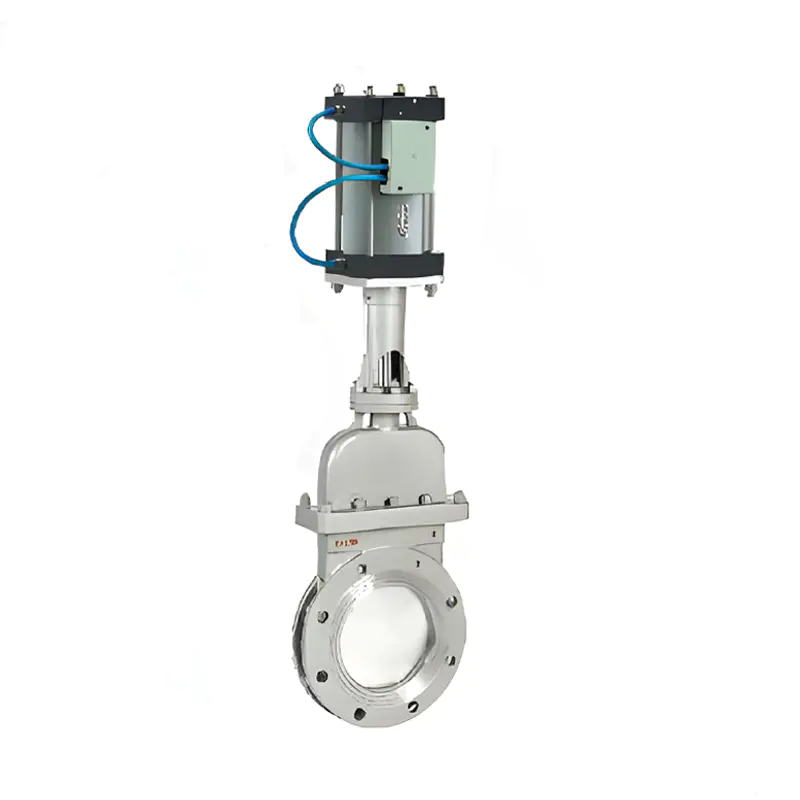
A wastewater treatment plant running around the clock can't have an operator standing at every valve, turning a handwheel every time a section of pipeline needs to open or close. That's the exact problem a Pneumatic Operated Knife Gate Valve solves, using compressed air instead of a person's hand to move the gate open or shut on command. Someone in a control room presses a button, and a valve somewhere across the facility responds within seconds.
Manual valves still have their place, especially in smaller systems where operation happens rarely. But once a facility starts running dozens or hundreds of valves across a sprawling pipeline network, sending workers to physically turn each one becomes impractical fast. Pneumatic control solves that by putting valve operation on the same automated system managing everything else.
Why Industries Keep Reaching for More Flexible Valves
A processing plant handling slurry, a mining operation moving crushed ore through pipelines, a chemical facility managing different fluids — none of these situations look identical, but they all share a common need for equipment that can be controlled without someone standing right next to it all day.
| What's Driving the Shift | Why It Matters |
|---|---|
| Wanting remote operation | Cuts down how often workers need direct hands-on control |
| Coordinating with automated systems | Lets valves respond to the same signals controlling other equipment |
| Simplifying daily operation | Reduces the routine workload on plant staff |
| Fitting varied pipeline layouts | Gives engineers more flexibility during installation |
A mining operation running material through pipelines across a large site benefits enormously from valves that respond to a central control system, rather than requiring a worker to walk out to each valve location individually throughout a shift.
What a Pneumatic Operated Knife Gate Valve Actually Is
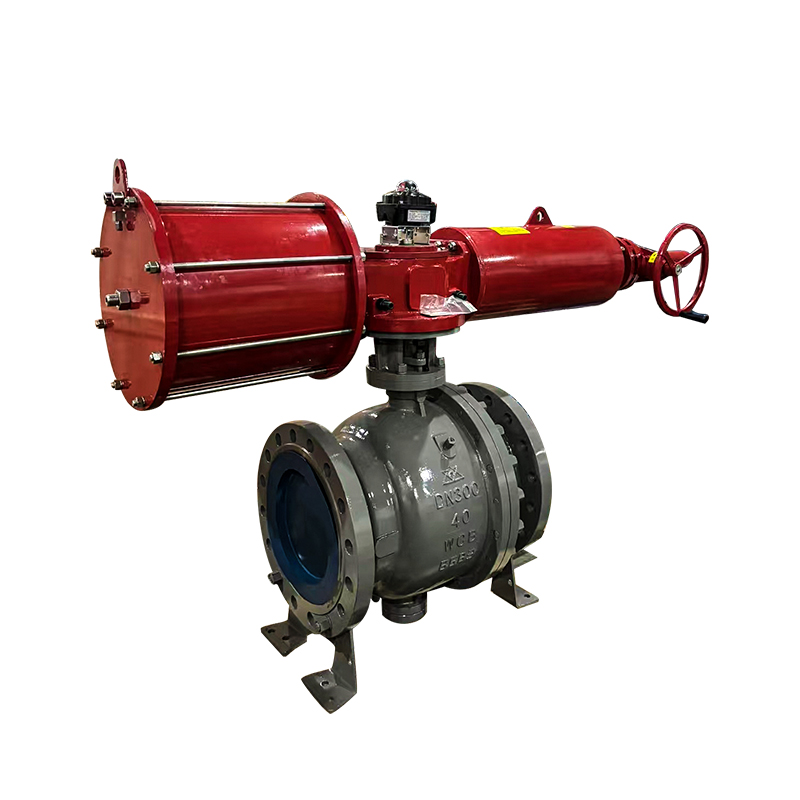
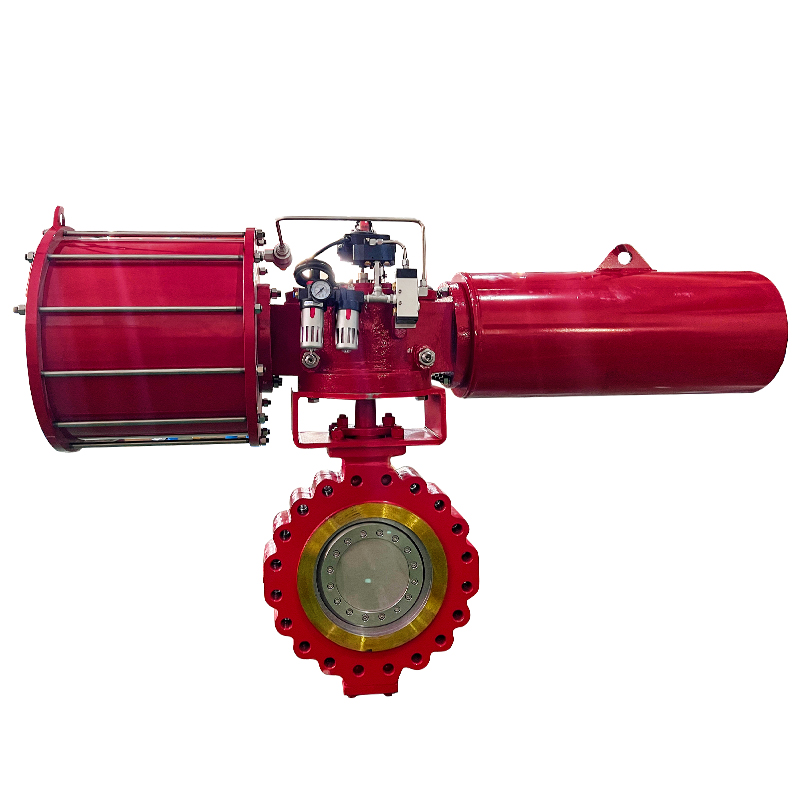
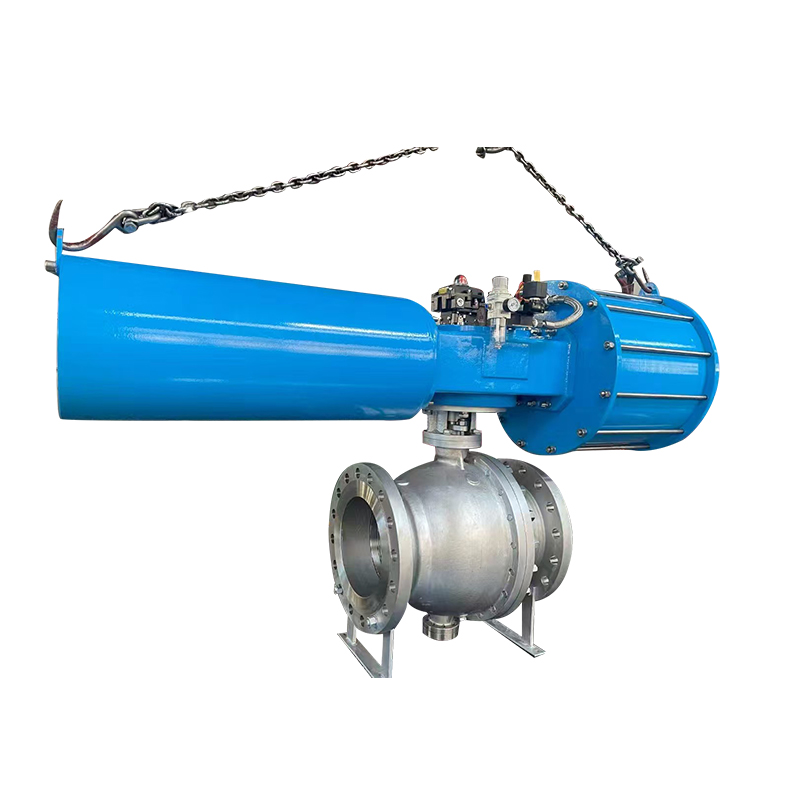
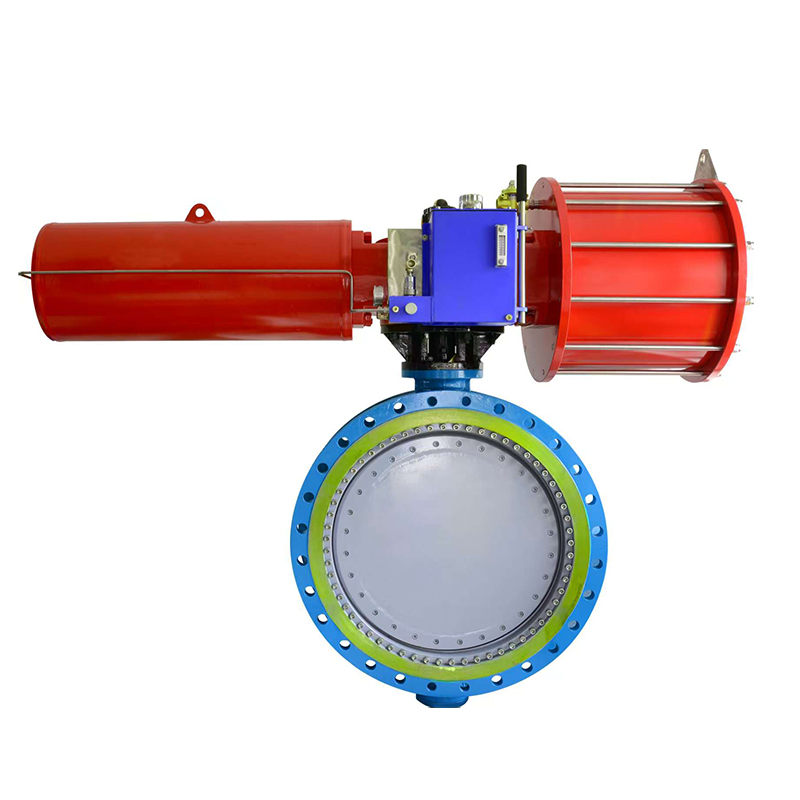
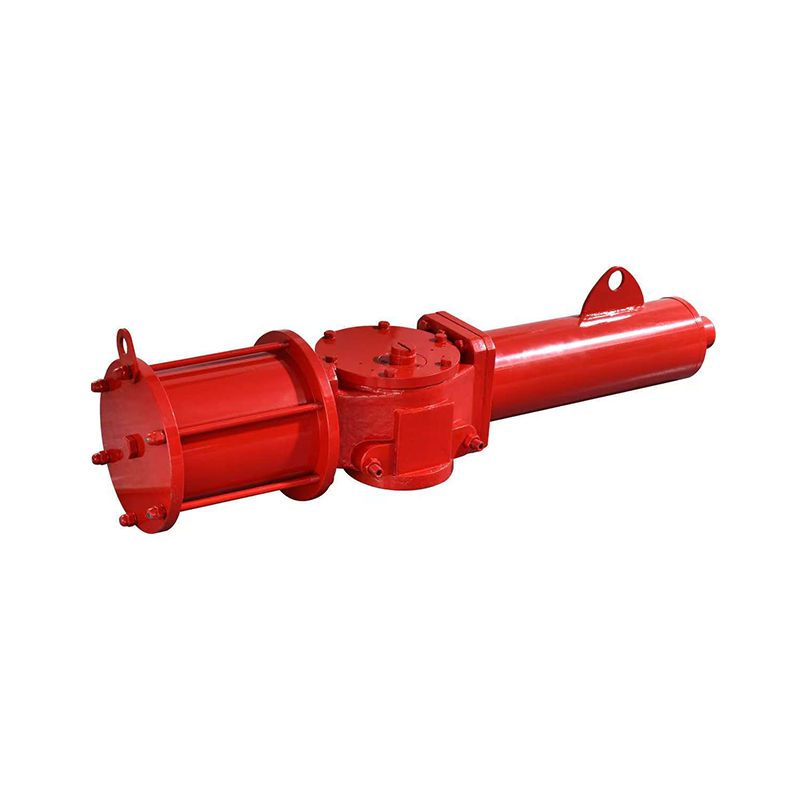
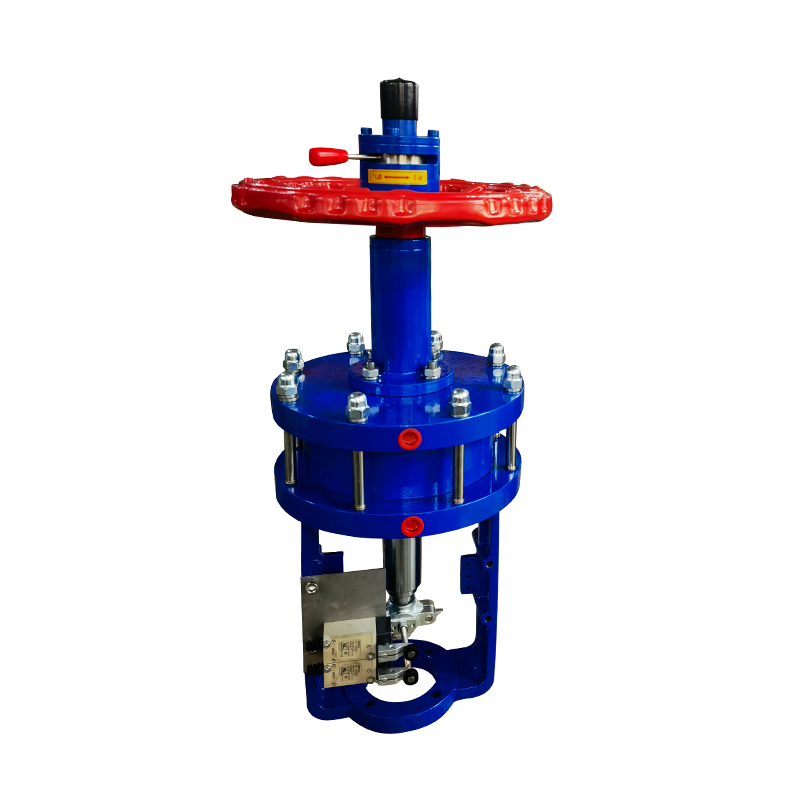
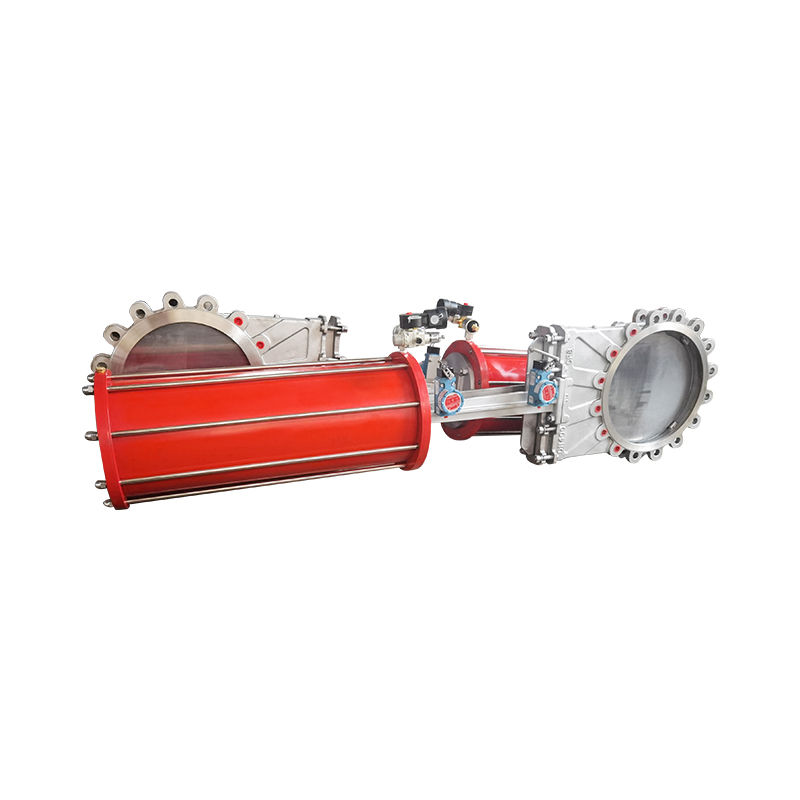
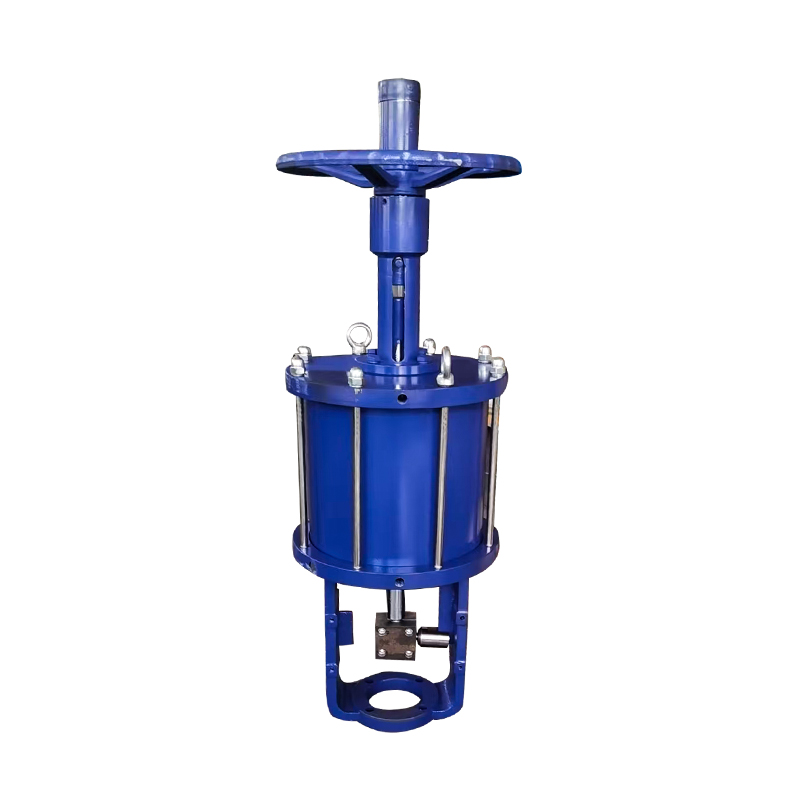
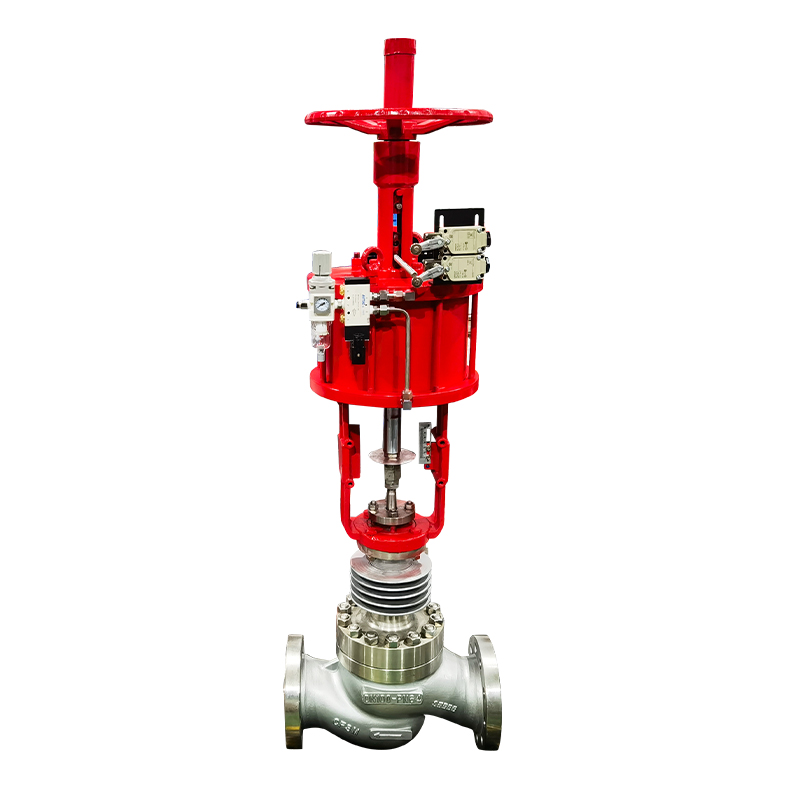
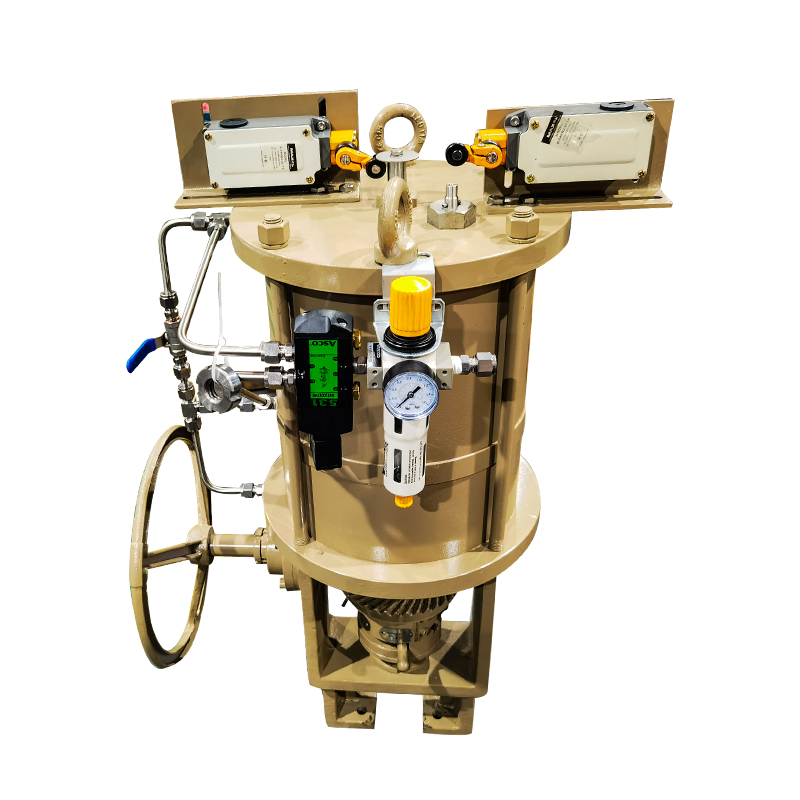
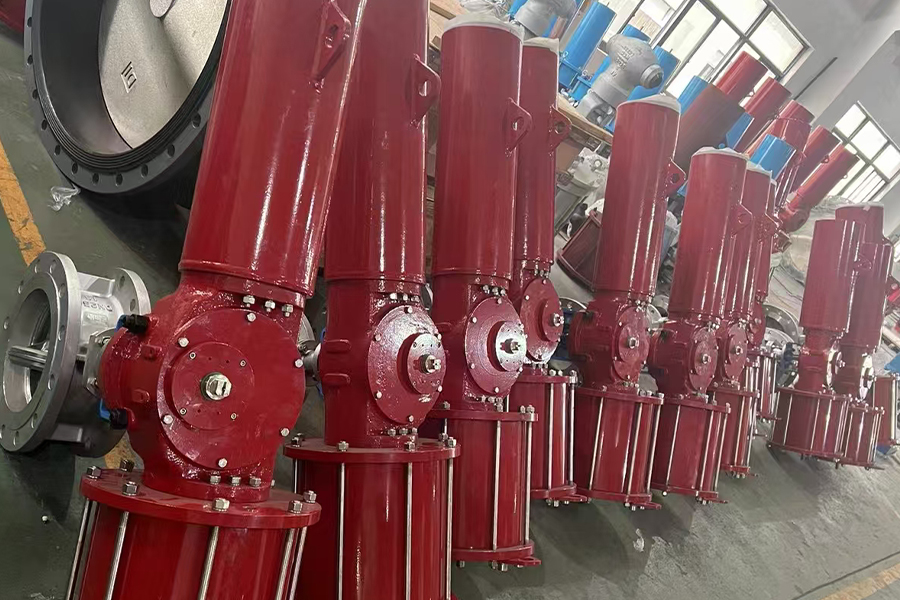
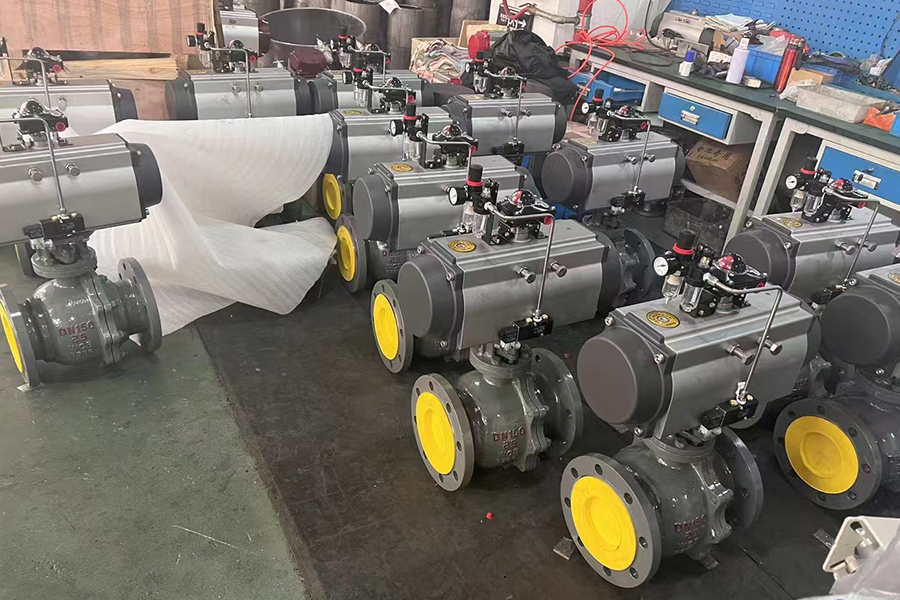
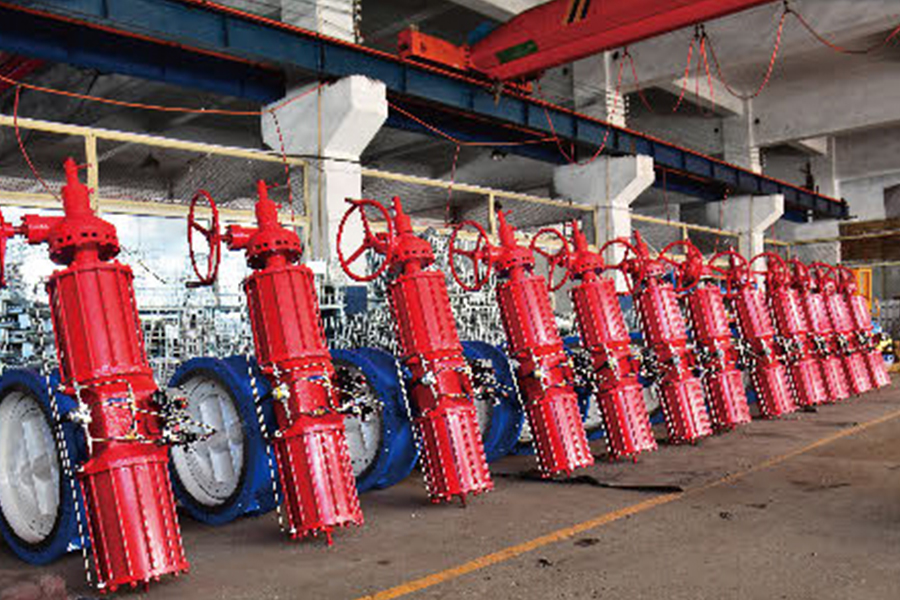
At its core, this valve combines two things: a knife gate design that physically slides across the pipeline to open or close it, and a pneumatic actuator that uses compressed air to move that gate without anyone touching a handwheel.
| Part | What It Does |
|---|---|
| Valve body | Forms the housing the gate moves through |
| Knife gate | Slides across the opening to control passage |
| Pneumatic actuator | Uses air pressure to drive the gate's movement |
| Connection fittings | Ties the valve into the surrounding pipeline |
A processing facility installing this type of valve on a line carrying thick slurry relies on the knife gate's ability to cut cleanly through that material, while the pneumatic actuator handles the actual opening and closing without requiring manual force.
How the Valve Actually Moves When It Gets a Signal
The whole mechanism starts with a signal, usually sent from a control panel or automated system somewhere in the facility. That signal tells the pneumatic actuator to act, and everything else follows from there.
| Step | What Happens |
|---|---|
| Signal arrives | The system tells the valve to open or close |
| Actuator responds | Compressed air pushes or pulls the internal mechanism |
| Gate shifts position | The passage either opens or closes depending on the command |
| Position holds | The gate stays in that state until the next signal arrives |
An operator monitoring a control room screen during a plant shutdown, for instance, can close off a whole section of pipeline within seconds just by triggering the right valve remotely, without needing to walk anywhere near the actual pipe.
Why Pneumatic Control Fits So Well Into Modern Facilities
Automation has become the backbone of a lot of industrial operations, and valves that can't participate in that automated network end up creating a bottleneck, forcing manual intervention in an otherwise hands-off system.
Pneumatic operation tends to offer:
- Control from a distance, without needing someone physically present at the valve
- A quicker response than manually operating a handwheel or lever
- Better coordination with other automated equipment running on the same system
- Less daily reliance on workers manually handling every valve adjustment
A chemical processing plant running continuous production benefits from this kind of speed, especially during situations where a quick shutoff matters, like responding to an unexpected pressure change somewhere in the system.
Where These Valves Actually Show Up
Knife gate valves tend to get chosen for situations involving thicker or particle-laden materials, not just clean liquids, which shapes where they end up getting installed across different industries.
| Industry | How the Valve Gets Used |
|---|---|
| Water treatment | Managing flow through treatment and distribution lines |
| Mining operations | Controlling movement of slurry or crushed material |
| Chemical processing | Assisting pipeline control across production systems |
| Manufacturing facilities | Supporting material flow within production lines |
A water treatment facility managing sludge lines, for example, often relies on knife gate valves specifically because the gate design handles thicker, particle-heavy material better than valve types built mainly for clean water flow.
Why the Knife Gate Structure Works Well for Certain Materials
Not every valve design handles the same range of materials equally well. A knife gate's straightforward, blade-like mechanism gives it an advantage in situations where the material moving through the pipe isn't a clean, simple liquid.
| Feature | Why It Helps |
|---|---|
| Gate structure | Cuts cleanly through thicker or particle-heavy materials |
| Compact body | Fits into pipeline layouts without excessive space demands |
| Pneumatic control | Enables consistent automated operation |
| Simple movement | Keeps daily operation and troubleshooting straightforward |
A facility handling pulp or slurry, for instance, needs a valve that can close cleanly even when solid particles are present in the flow, which is exactly the kind of situation a knife gate design was built to handle.
What Actually Matters When Choosing One of These Valves
Picking a valve isn't just about matching a pipe diameter. The material passing through, the operating environment, and how the valve fits into the broader automation setup all shape whether it's actually the right choice.
| What to Consider | Why It Matters |
|---|---|
| Material compatibility | Some materials wear down certain valve types faster than others |
| Operating environment | Temperature, pressure, and exposure conditions all factor in |
| Automation requirements | Determines whether pneumatic control actually fits the system |
| Maintenance planning | Affects how manageable the valve stays over years of use |
A facility running valves in an outdoor environment with temperature swings needs to think through how that exposure affects long-term valve performance, not just how the valve functions on day one during installation.
Why Maintenance Still Matters Even With Automated Operation
Automating a valve doesn't mean it stops needing attention. A pneumatic system still relies on mechanical parts that wear over time, and skipping regular checks tends to catch up with a facility eventually.
Maintenance routines typically involve:
- Checking that the gate moves smoothly through its full range
- Inspecting connection points for wear or leaks
- Reviewing how the actuator responds to control signals
- Keeping components clear of buildup that could interfere with movement
A mining operation running valves continuously through abrasive slurry needs more frequent inspection than a facility handling cleaner materials, since that constant exposure to particles speeds up wear on the gate and seals.
How These Valves Are Adjusting to Industry Trends
Facilities keep pushing toward systems where equipment talks to each other automatically, and valve design has had to keep pace with that expectation rather than lagging behind.
| Trend | What It Looks Like in Practice |
|---|---|
| Automation support | Valves designed to integrate smoothly with control systems |
| User convenience | Simpler interfaces for adjusting and monitoring valve operation |
| Flexible design | Valves adaptable across a wider range of applications |
| Maintenance focus | Designs that make inspection and servicing more manageable |
A facility upgrading its control systems toward broader automation often specifically seeks out pneumatic valves built to integrate cleanly with that upgrade, rather than retrofitting older manual valves into a system they weren't designed for.
What Makes Designing These Valves Genuinely Difficult
Manufacturers can't build one universal valve and expect it to handle every material and environment equally well. Different industries put genuinely different demands on the same basic mechanism.
| Challenge | What It Requires |
|---|---|
| Handling varied applications | Designs flexible enough to suit different materials and conditions |
| Keeping pace with changing requirements | Ongoing refinement as industries evolve their processes |
| Ensuring system compatibility | Careful attention to how the valve fits into existing automation |
| Meeting user expectations | Keeping operation straightforward despite underlying mechanical complexity |
A manufacturer supplying valves for both water treatment and mining operations has to account for very different wear conditions, since abrasive slurry puts far more strain on a gate and seal than treated water typically does.
Where These Valves Fit Into What's Coming Next
Industrial automation keeps expanding its reach, and valves that can't participate in that automated network risk becoming the weak link in an otherwise coordinated system. Pneumatic Operated Knife Gate Valve designs address that directly, combining a gate structure built for tougher materials with control that fits smoothly into modern automated operations.
As water treatment, mining, chemical processing, and manufacturing facilities keep leaning further into automated control, this combination of pneumatic operation and knife gate design will likely keep finding its way into more pipeline systems — not because it's a flashy piece of equipment, but because it solves a genuinely practical problem: controlling difficult material flow reliably, without requiring a person to stand at every valve throughout the day.