

 English
 русский



A pressure gauge starts climbing past where it should be, an alarm goes off somewhere on the plant floor, and everyone in the control room knows the next few seconds actually matter. In industrial settings, safety often comes down to how fast a system can react once something's gone sideways — a sudden pressure spike, a failing seal, a reading that's drifted way outside normal range. Waiting for someone to physically run over and turn a manual valve just isn't fast enough in a lot of these situations, which is exactly the gap a Pneumatic Emergency Shut Off Valve is built to close. These valves aren't handling the everyday grind of routine flow control. Their entire reason for existing is protection — stepping in the moment conditions move somewhere they shouldn't be and cutting off flow before a bad situation gets worse.
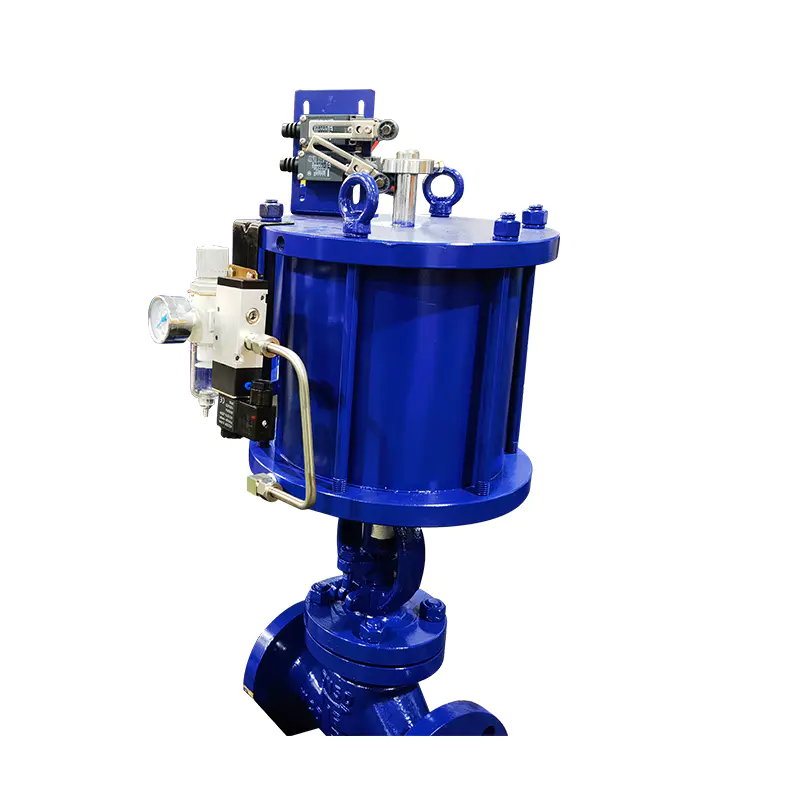
What Actually Is One of These Valves?
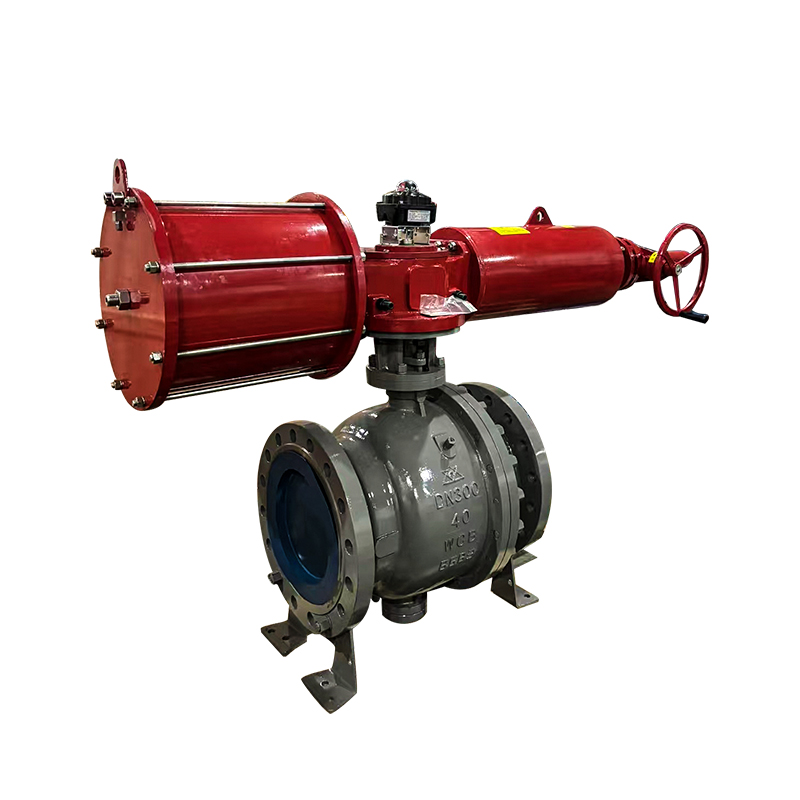
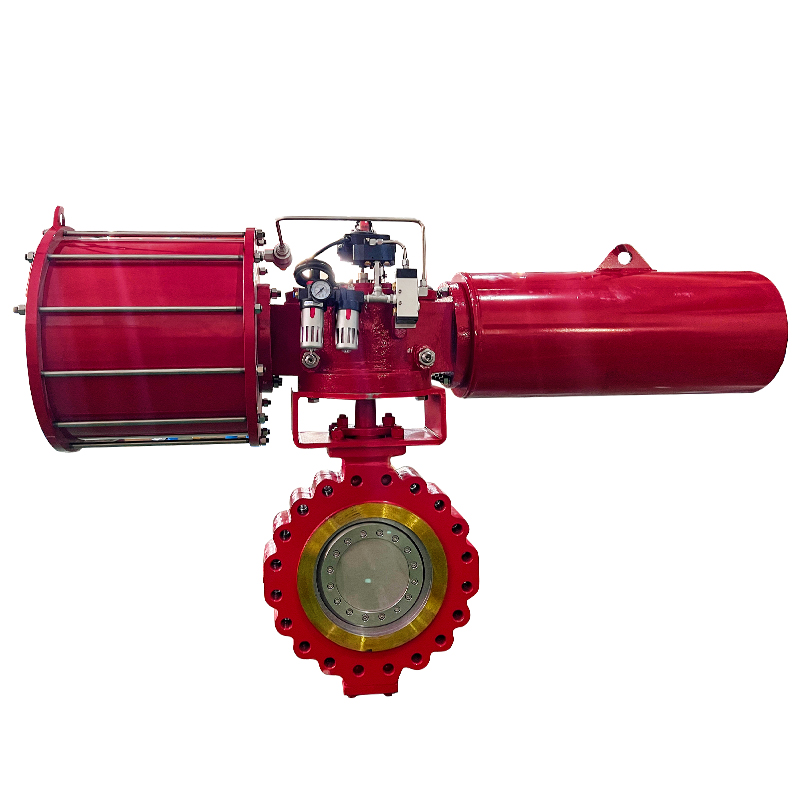
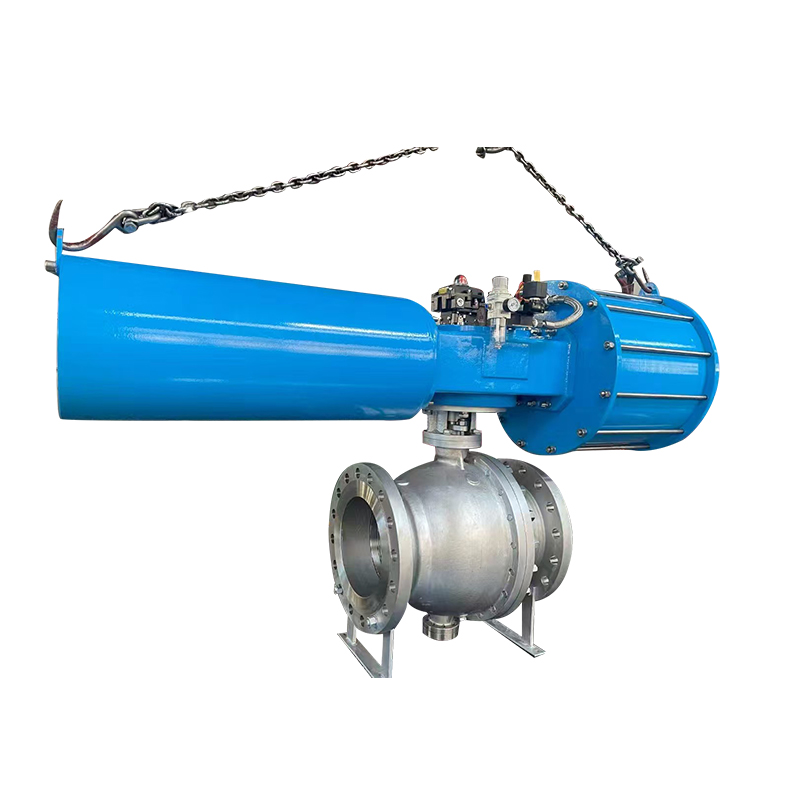
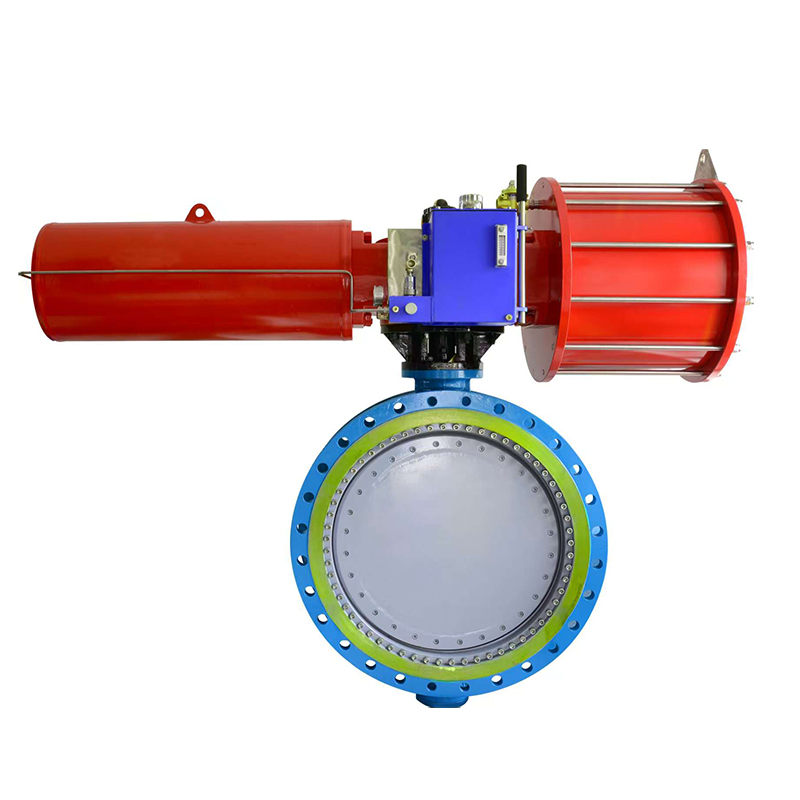
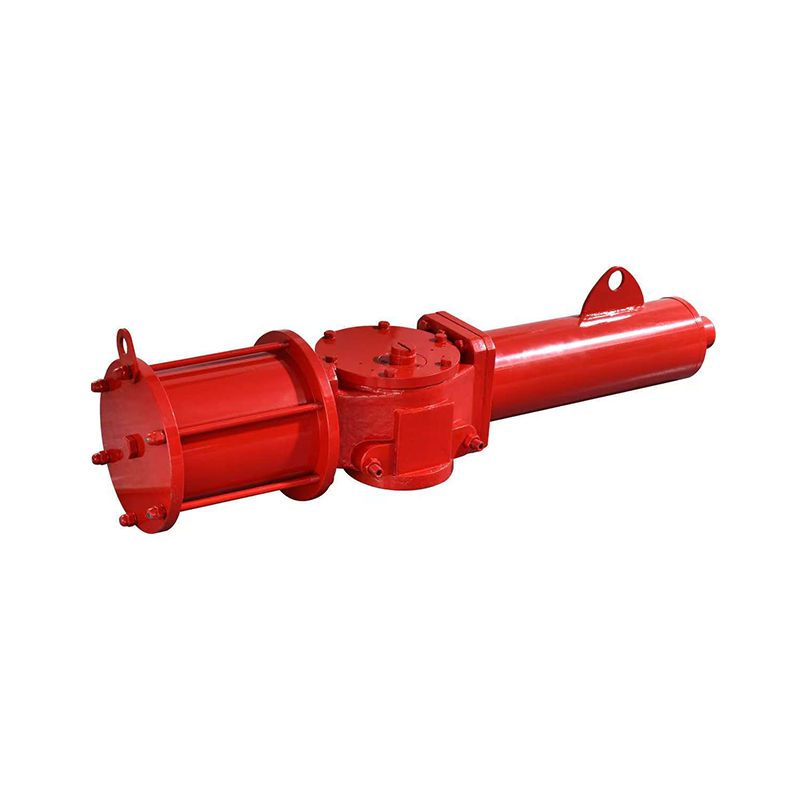
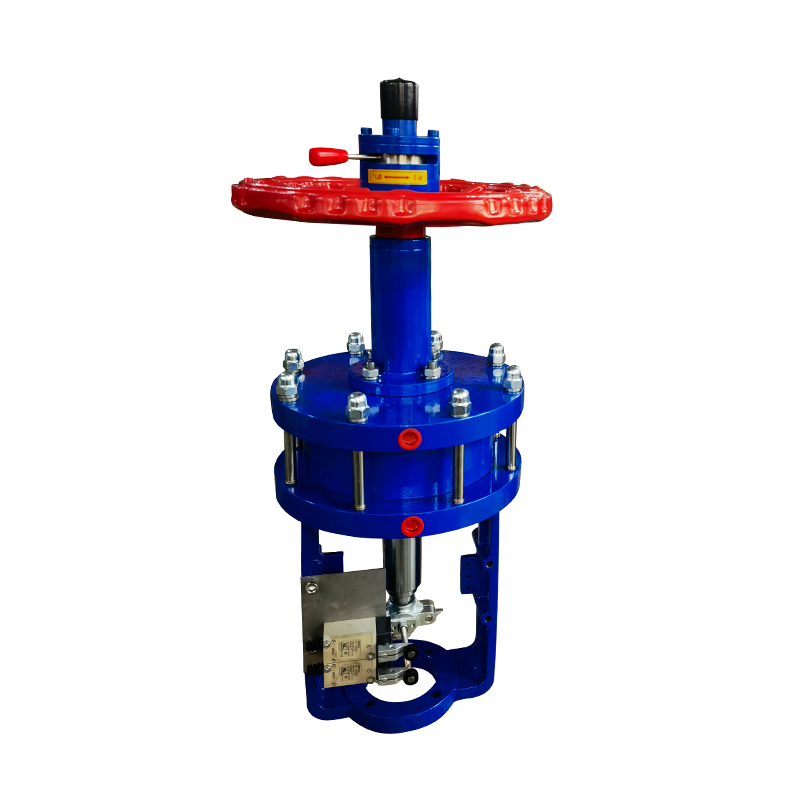
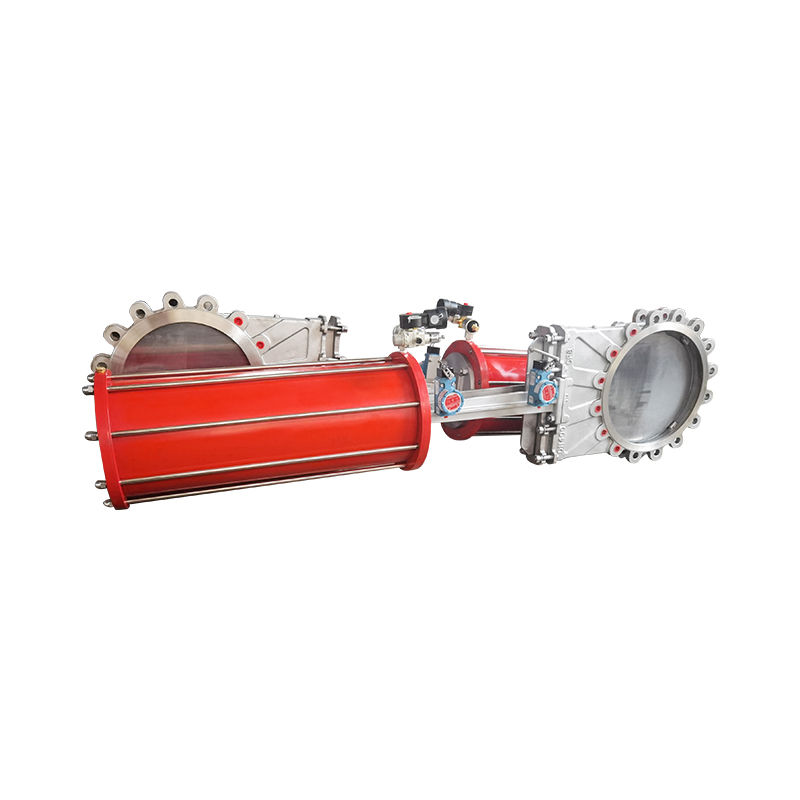
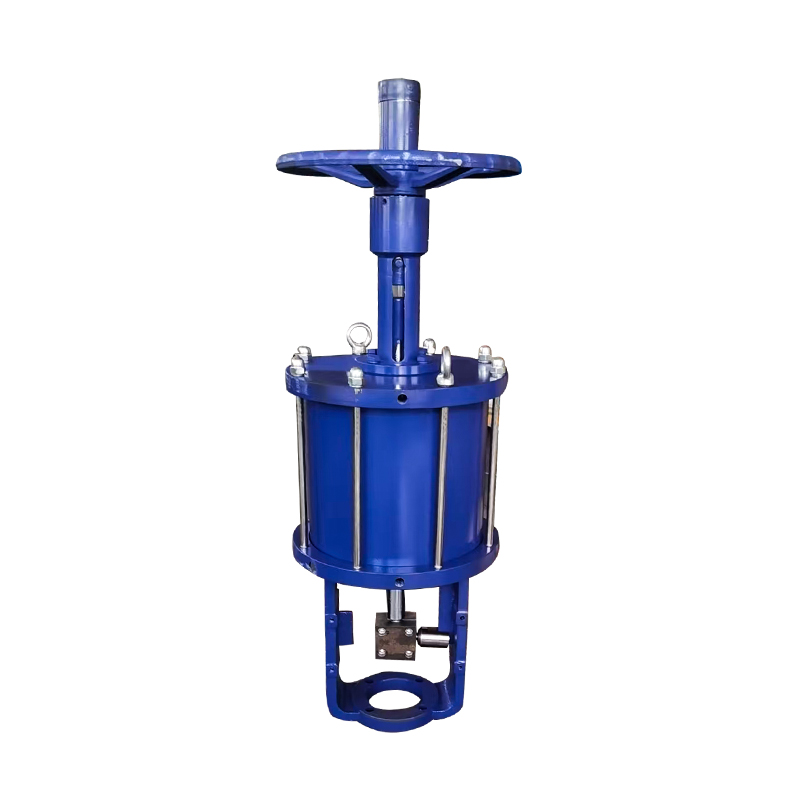
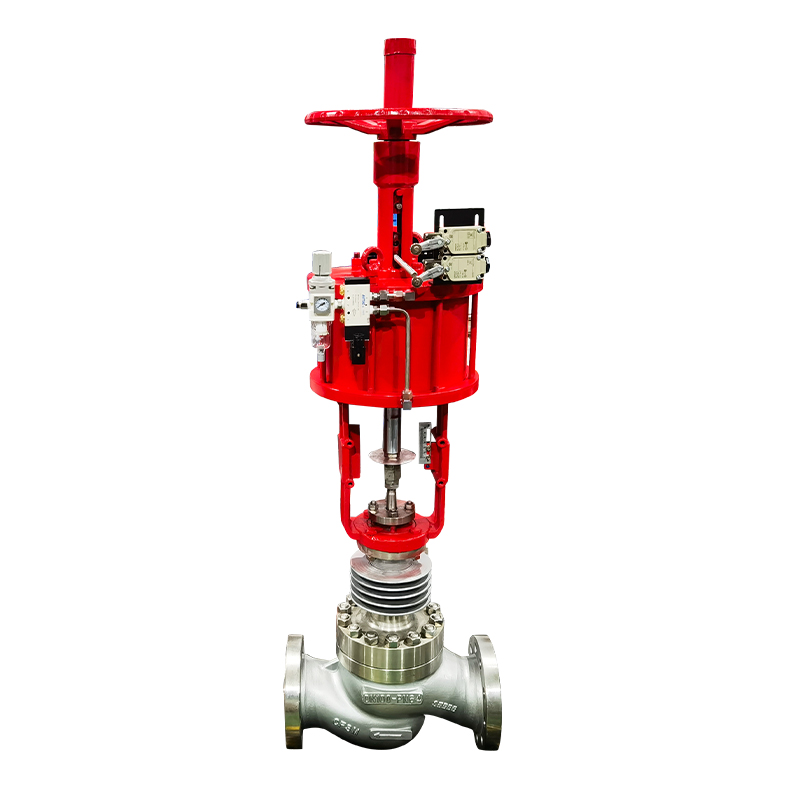
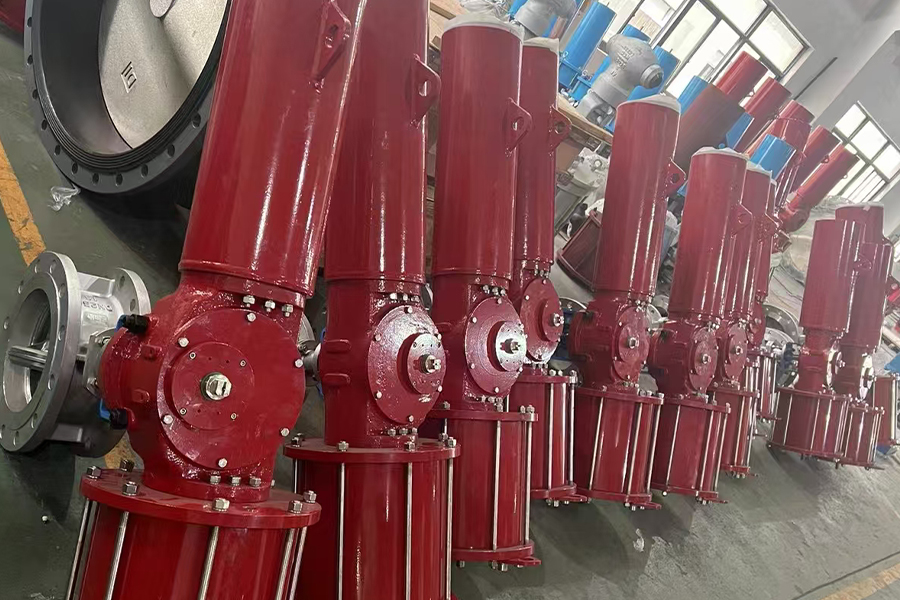
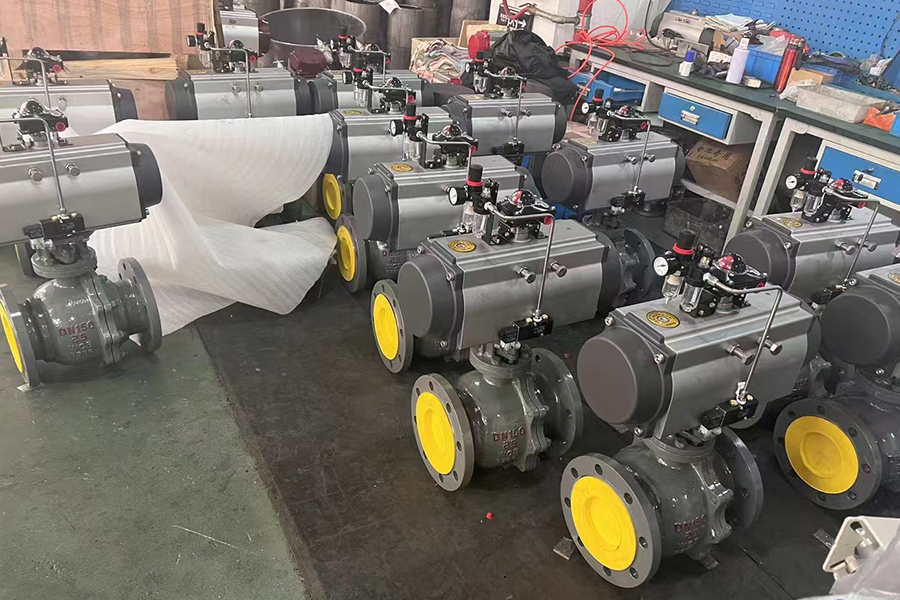
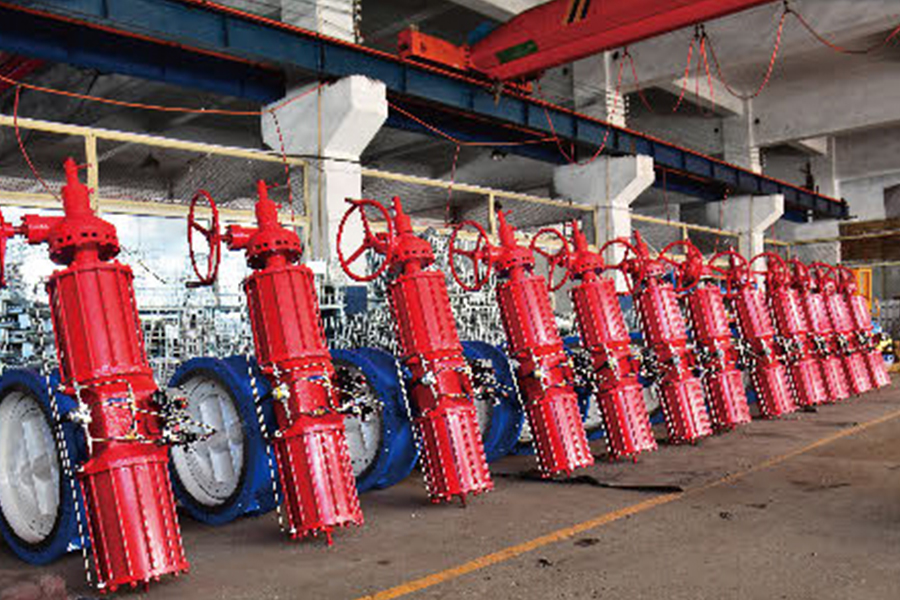
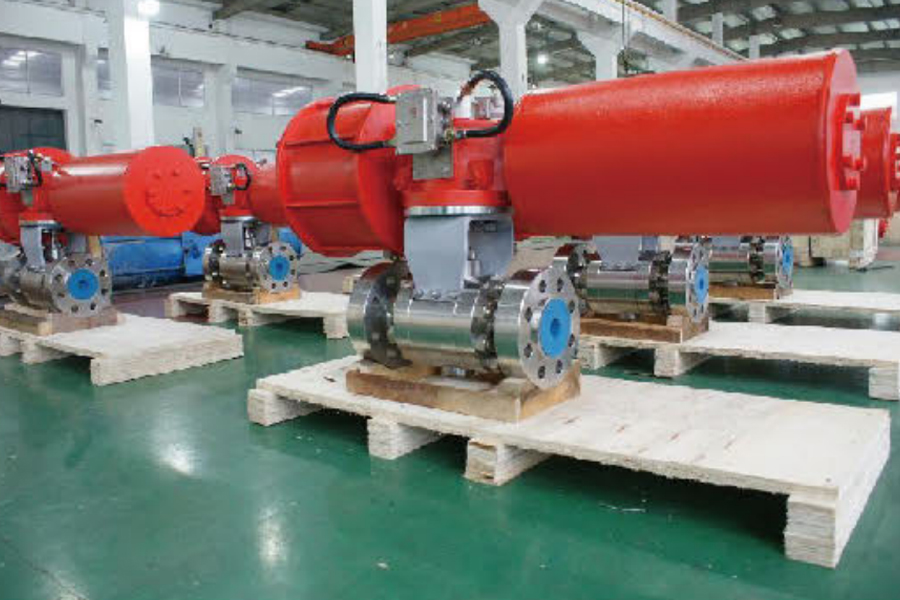
A Pneumatic Emergency Shut Off Valve uses compressed air to physically move a shut off mechanism into position. Once an emergency signal comes through, or conditions cross some threshold that's been flagged as unsafe, the valve moves and cuts off whatever's flowing through that section of pipe.
These show up constantly in systems where controlling fluid or gas movement isn't optional — chemical lines, fuel systems, anything where the wrong thing flowing at the wrong time turns into a genuine hazard.
A few things it's built to do:
| Function | What's Actually Happening |
|---|---|
| Stopping flow in an emergency | Cuts off material movement the moment it's needed |
| Protecting the system | Keeps things from getting worse during abnormal conditions |
| Working remotely | Can be triggered from somewhere safer than standing next to it |
| Backing up automated response | Reacts faster than someone running across a facility could |
The valve itself is just one piece of a bigger picture. It's usually wired into sensors, control panels, and whatever procedures the facility already has in place — none of it works in isolation.
Why Does Emergency Flow Control Actually Matter This Much?
Industrial facilities move materials through pipes, tanks, and processing lines constantly, and letting that movement keep going during a malfunction can turn a manageable problem into a genuinely dangerous one fast.
Emergency flow control exists to interrupt that process the instant it needs interrupting.
A few situations where this kind of shut off actually gets used:
- equipment suddenly acting up or failing outright
- a leak that's just been spotted
- readings drifting outside their expected range
- maintenance work that requires isolating a section
- a broader safety system triggering automatically
Waiting even a short amount of time in some of these scenarios can turn a fixable problem into something a lot harder to contain. Having a valve that can shut things down quickly gives a facility one more layer standing between a minor issue and a serious one.
Safety planning almost never rests on a single measure. Emergency valves are one piece sitting alongside sensors, alarms, and trained people who know what to do when something trips.
What's the Actual Safety Benefit Here?
The real value of a Pneumatic Emergency Shut Off Valve comes down to speed — how fast it can react once something's flagged as wrong.
In a lot of facilities, manually reaching a valve isn't realistic. It might be bolted somewhere hard to access, or the situation might be dangerous enough that nobody should be walking toward it in the first place.
Running the valve on compressed air solves that problem — someone can trigger it from a control room or a safer distance without ever needing to physically touch the equipment.
| Safety Benefit | What It Actually Changes |
|---|---|
| Faster reaction | Cuts down the gap between problem and response |
| Remote operation | Lets someone act without walking into danger |
| Actually stopping flow | Prevents material from continuing to move through the system |
| Working alongside automation | Fits into a broader safety network rather than standing alone |
None of this is meant to take a person out of the loop. It's giving whoever's responsible for that decision a faster, safer way to act on it.
Where Do These Valves Actually Show Up in Real Facilities?
These valves turn up anywhere controlling fluid or gas movement is part of the job.
Chemical processing plants
Chemical systems tend to be unforgiving when something goes wrong. Emergency valves let operators isolate a section of the system before a problem spreads to areas it shouldn't reach.
Fuel and energy operations
Facilities handling fuel or similarly hazardous process materials often build shut off valves directly into their standard safety planning, not as an afterthought.
Manufacturing floors
Production lines depend on material moving where it's supposed to, when it's supposed to. Emergency valves give operators a way to respond fast when equipment starts behaving unpredictably.
Storage and transfer setups
Whenever material's being moved between tanks or through pipelines, an emergency valve gives the system a way to protect itself if something in that transfer goes wrong.
What actually gets installed depends heavily on the specific process and whatever safety standards apply to that particular facility.
What's Actually Inside a Pneumatic Shut Off System?
A Pneumatic Emergency Shut Off Valve almost never works alone — it's usually one part of a larger, connected setup.
| Component | What It's Doing |
|---|---|
| Valve body | Physically opens or closes the flow path |
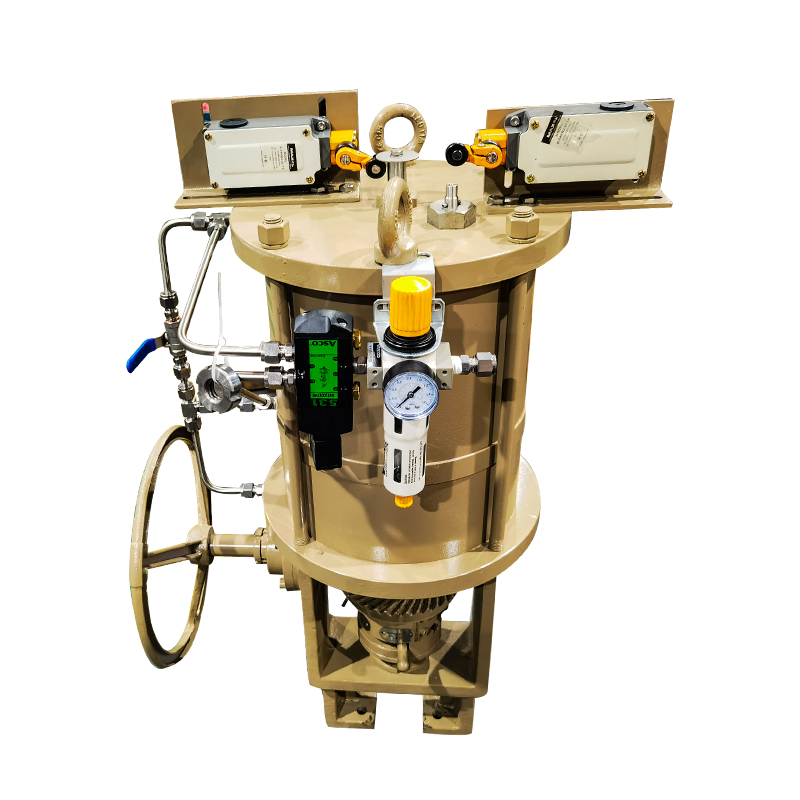
| Pneumatic actuator | Uses compressed air to move the valve |
| Control device | Sends the signal telling the valve what to do |
| Safety system link | Ties the valve into the facility's broader emergency response |
Each piece has a job, and none of them are optional if the system's supposed to actually work when it matters.
The actuator does a lot of the heavy lifting here — it's what turns compressed air into actual mechanical movement, pushing the valve into position the moment it gets the right signal.
Checking these connected parts regularly is really what keeps the whole system ready to respond instead of just sitting there looking functional.
What Actually Happens the Moment an Emergency Hits?
How well this all works comes down to how the whole system was designed in the first place.
Once something abnormal gets picked up, a signal makes its way to the valve system. From there, the pneumatic actuator kicks in and physically moves the valve into its shut off position.
Roughly, that sequence looks like:
- Something abnormal gets detected somewhere in the system.
- A control signal gets sent toward the valve.
- The pneumatic mechanism activates.
- The valve physically moves into its safety position.
How fast and how well that all plays out depends on how the system was built, how well it's been maintained, and what kind of environment it's sitting in day to day.
A valve that's been properly maintained is far more likely to actually do its job the one time it's really needed.
What Kind of Upkeep Does One of These Actually Require?
Safety equipment sits around doing nothing for long stretches, then suddenly needs to work perfectly the one time it actually matters. That combination makes regular maintenance genuinely important here, not just a box to check.
A few things worth keeping on a maintenance checklist:
- looking over the valve for visible damage
- checking that all connections are still secure
- confirming the pneumatic air supply is behaving properly
- physically testing that the valve moves as it should
- clearing out any buildup or contamination
- sticking to whatever inspection schedule the facility's already set
Facilities usually fold these checks into their broader safety routines rather than treating emergency equipment as separate from everything else.
A valve that rarely gets used still needs eyes on it regularly. Skipping inspections just because nothing's gone wrong lately is a good way to end up with equipment that doesn't respond properly the one time it actually counts.
What Should Actually Factor Into Picking One of These Valves?
Choosing the right emergency shut off valve means understanding both the environment it's going into and what the facility actually needs from it.
| Consideration | Why It Actually Matters |
|---|---|
| What the system's for | Different processes carry different safety demands |
| The surrounding environment | Heat, moisture, and exposure all affect performance |
| Where it's installed | Needs to be reachable enough while still protected |
| Ongoing maintenance plan | Long-term reliability depends on this being taken seriously |
| Fit with existing equipment | Needs to actually work with what's already installed |
A valve picked because it worked somewhere else entirely isn't the same as one chosen for this specific setup. Matching the equipment to the actual application matters more than going with whatever's familiar.
Bringing in people who actually know this equipment during selection and installation tends to save a lot of headaches down the line compared to guessing based on general assumptions.
How Does This Fit Into Broader Industrial Safety Thinking?
Industrial safety keeps evolving around the same basic idea — reduce risk through better planning, better monitoring, and equipment that actually does its job when called on.
Emergency shut off valves add one more layer to that picture, giving facilities a way to respond when conditions move outside what's considered normal.
Most facilities are stacking several safety measures together rather than relying on just one:
- routine equipment checks
- operator training that actually gets taken seriously
- monitoring systems watching for early warning signs
- clear emergency response procedures
- physical protective equipment like shut off valves
A Pneumatic Emergency Shut Off Valve slots into that whole picture by giving a facility a controlled, fast way to stop operations the moment something calls for it. Its real value shows up in the seconds it saves, the exposure it cuts down on, and the way it helps a facility keep unexpected situations from spiraling into something much harder to manage.