

 English
 русский



Industrial systems need a dependable way to control fluid or gas movement, and in most working environments, unexpected situations tend to come up sooner or later — equipment problems, sudden pressure changes, or just the need to stop a process fast. A valve built specifically for emergency isolation gives operators a practical way to respond when things go sideways. A Pneumatic Emergency Shut Off Valve uses compressed air to control its opening and closing action. It shows up most often in systems where fast response and remote control genuinely matter. By connecting into a pneumatic control system, the valve helps cut off flow the moment a shutdown action is called for. Getting a solid understanding of how this valve works — and where it actually fits — helps engineers, maintenance teams, and purchasing professionals land on a suitable solution for their setup.
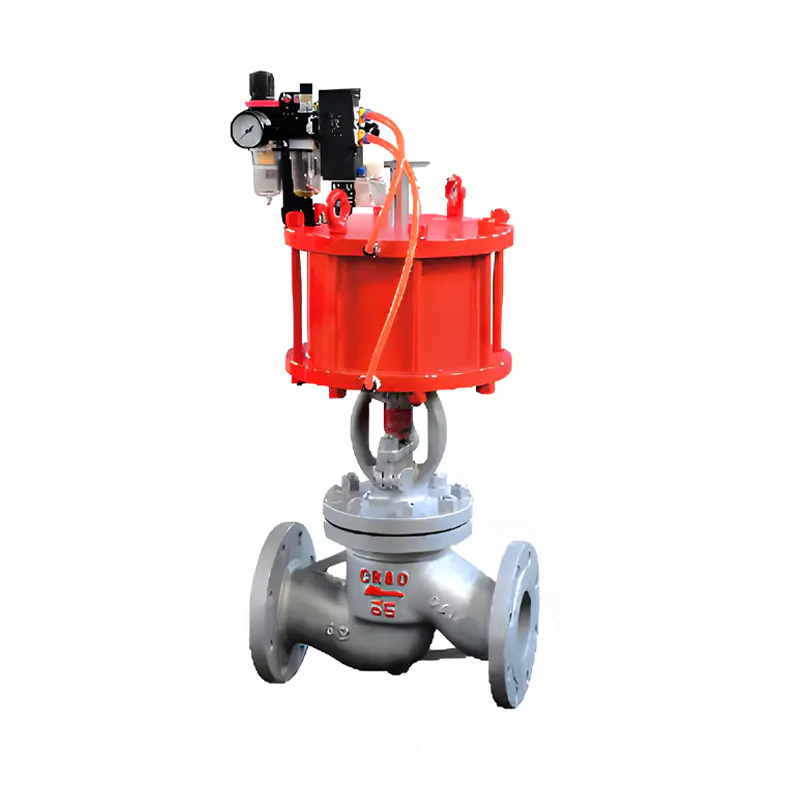
What a Pneumatic Emergency Shut Off Valve Actually Is
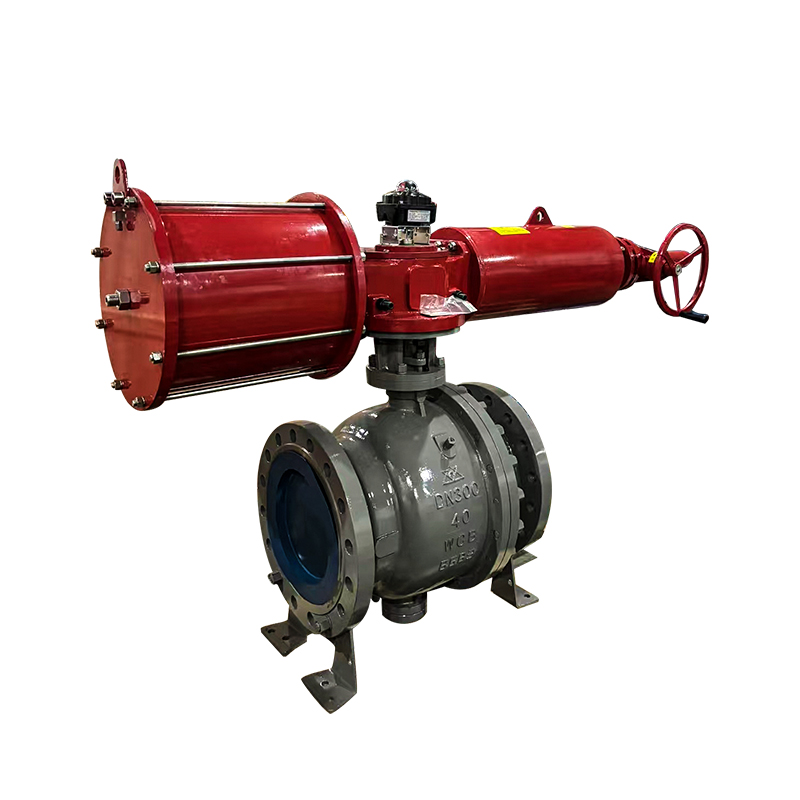
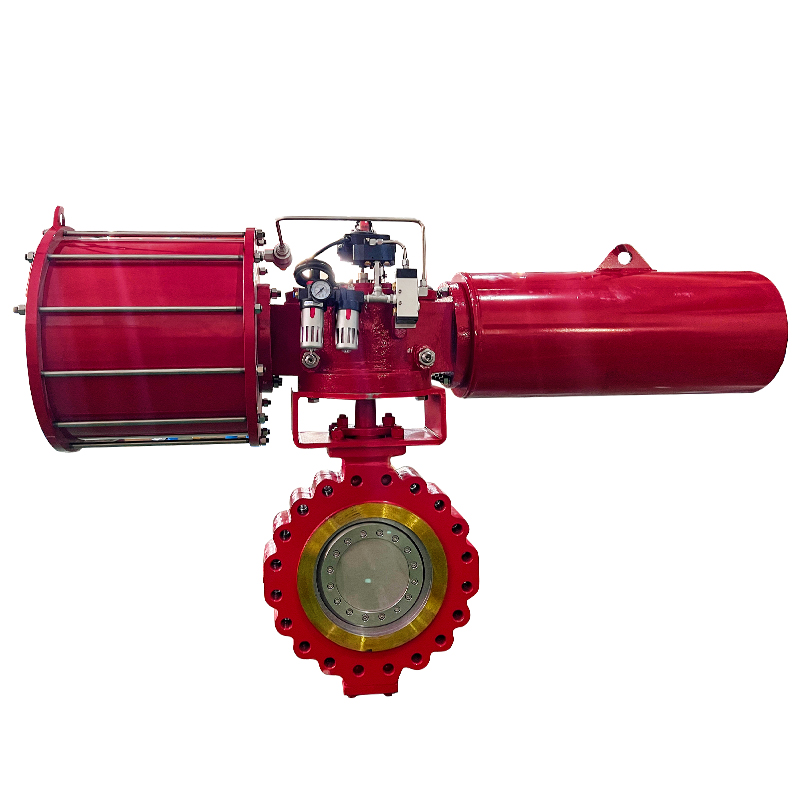
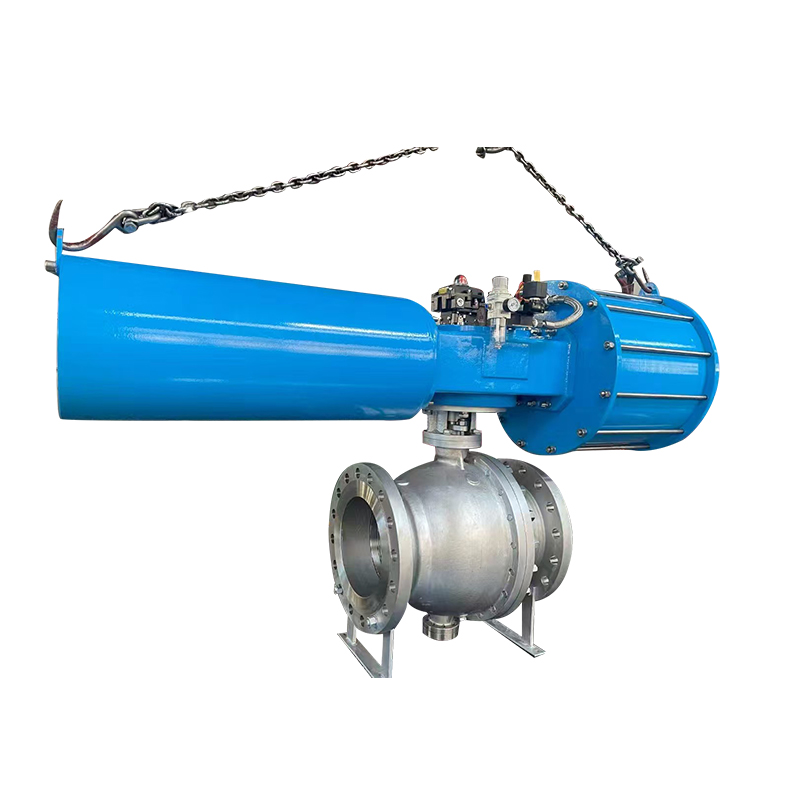
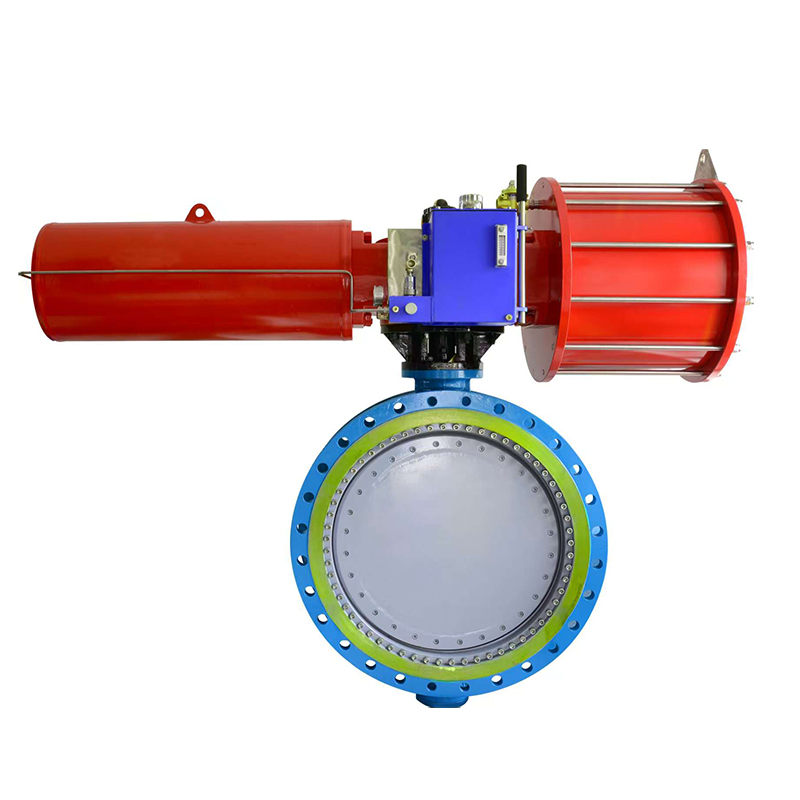
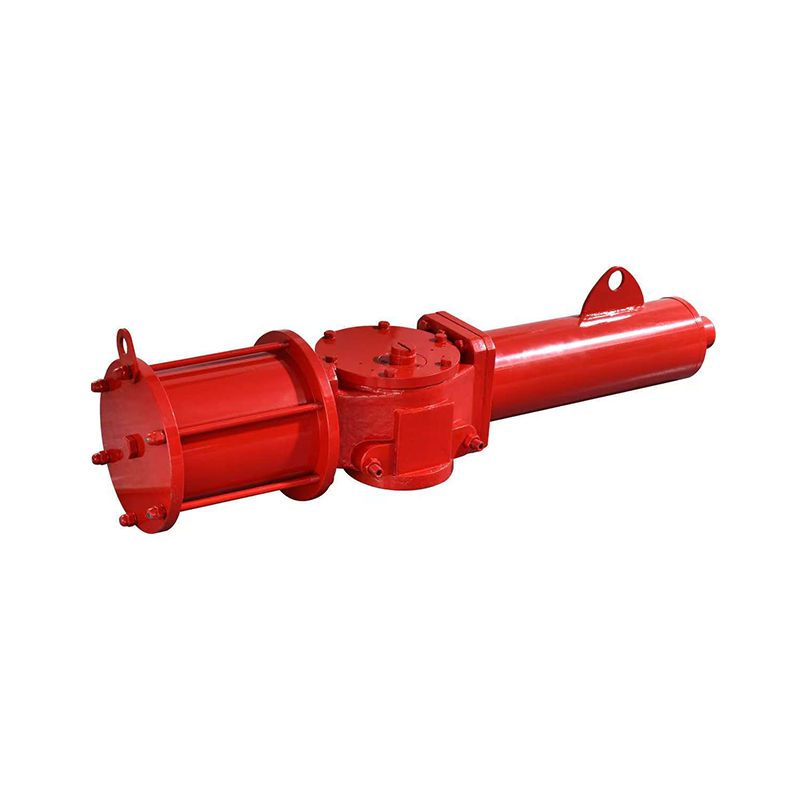
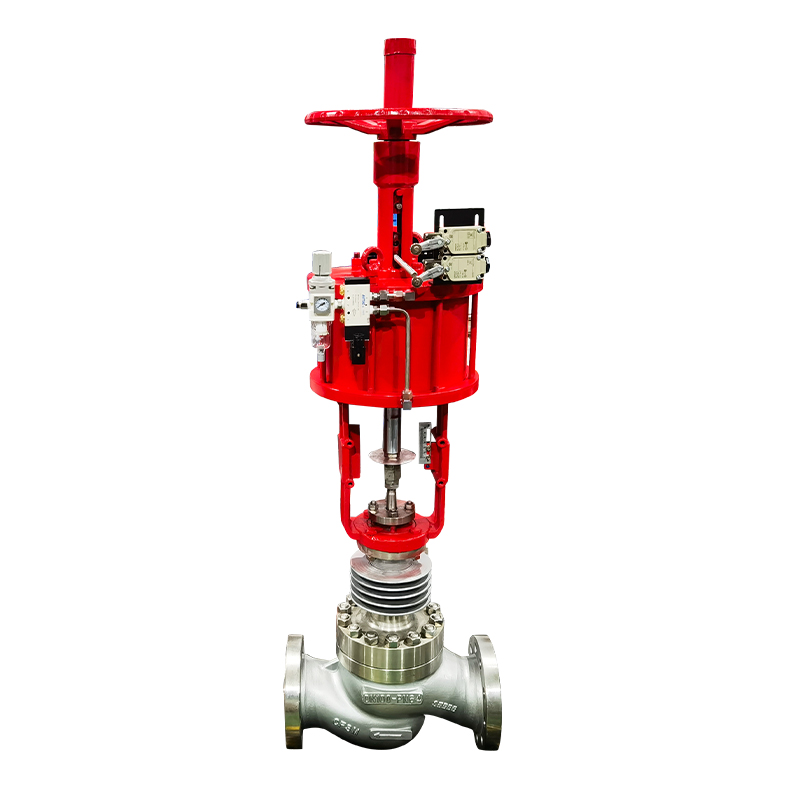
It is a control device built to quickly stop the movement of a medium moving through a pipeline or process system. Unlike valves operated by hand, this type relies on air pressure to create movement. The pneumatic actuator picks up a control signal and shifts the valve mechanism between open and closed positions accordingly.
Common application areas:
| Industry Area | Common Purpose |
|---|---|
| Manufacturing systems | Controls process flow |
| Gas and fluid systems | Provides emergency isolation |
| Industrial equipment | Supports safe operation |
| Automated facilities | Works with control systems |
The main job here is providing a reliable way to shut things down whenever normal operation needs to be interrupted. Worth noting, though — the valve itself is just one piece of a larger safety system. It usually works alongside sensors, control devices, and other equipment to pull off a coordinated response rather than acting alone.
How Does This Valve Actually Work?
The underlying principle here is converting compressed air into mechanical movement.
When the control system sends a signal, compressed air flows into the actuator. The actuator then shifts the internal valve mechanism, letting the valve open or close as needed.
Roughly, the process looks like this:
- The control system detects a situation requiring action
- A signal gets sent to the pneumatic actuator
- Compressed air generates movement inside the actuator
- The valve shifts position to control the flow
Once the emergency condition clears or maintenance wraps up, the system can typically return to normal operation — though this depends on the specific valve design and control method in use. This whole setup lets operators manage the valve without needing direct manual access, which tends to matter a lot in areas that are hard to reach or otherwise restricted.
Why These Valves Show Up So Often in Industrial Systems
Safety is a genuine, ongoing concern across a lot of industrial environments. A system moving fluids or gases often needs a fast way to stop that movement the moment something unexpected happens. A Pneumatic Emergency Shut Off Valve offers a practical way to control flow from a distance, without anyone needing to physically reach the valve.
Common reasons these get used:
| Reason | Description |
|---|---|
| Emergency response | Helps stop flow when needed |
| Remote operation | Allows control away from the valve location |
| Process management | Supports overall system control |
| Equipment protection | Helps reduce risks during abnormal conditions |
The valve tends to become an important piece of a much wider safety strategy. How much value it actually delivers really comes down to proper installation, a suitable application, and consistent maintenance over time.
The Main Components Worth Understanding
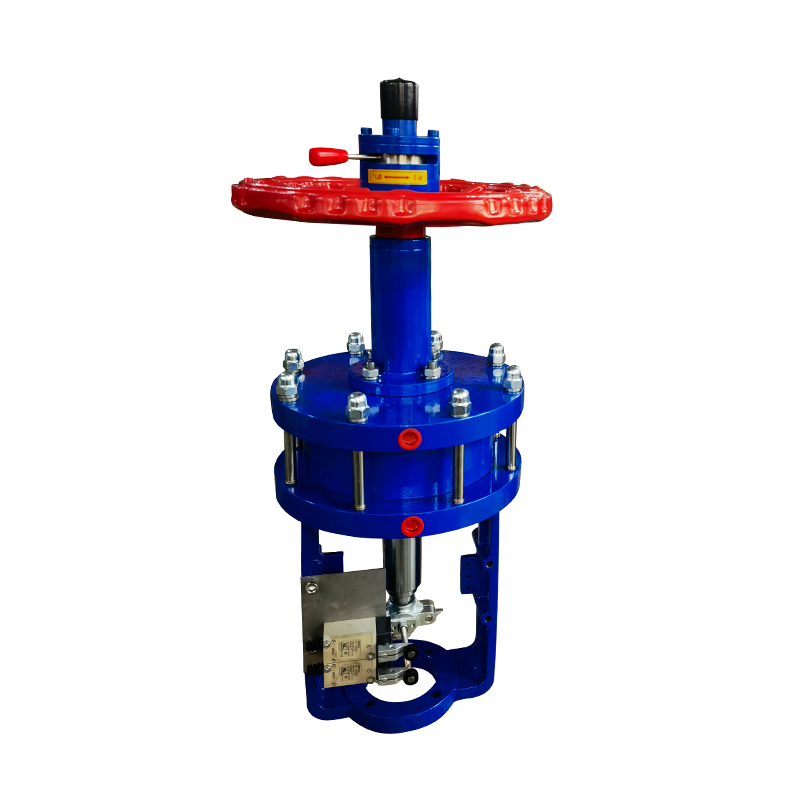
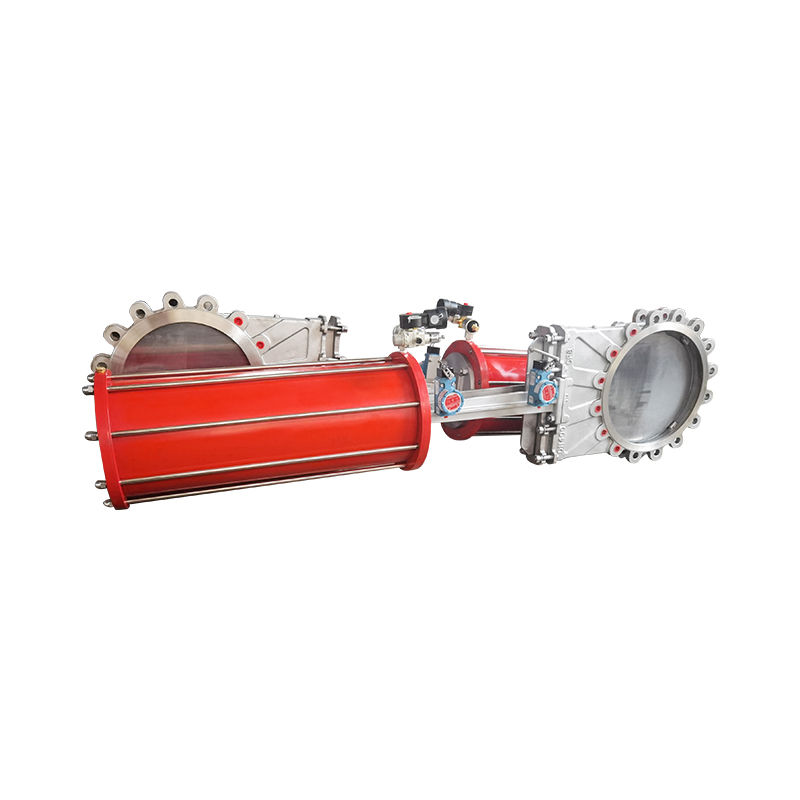
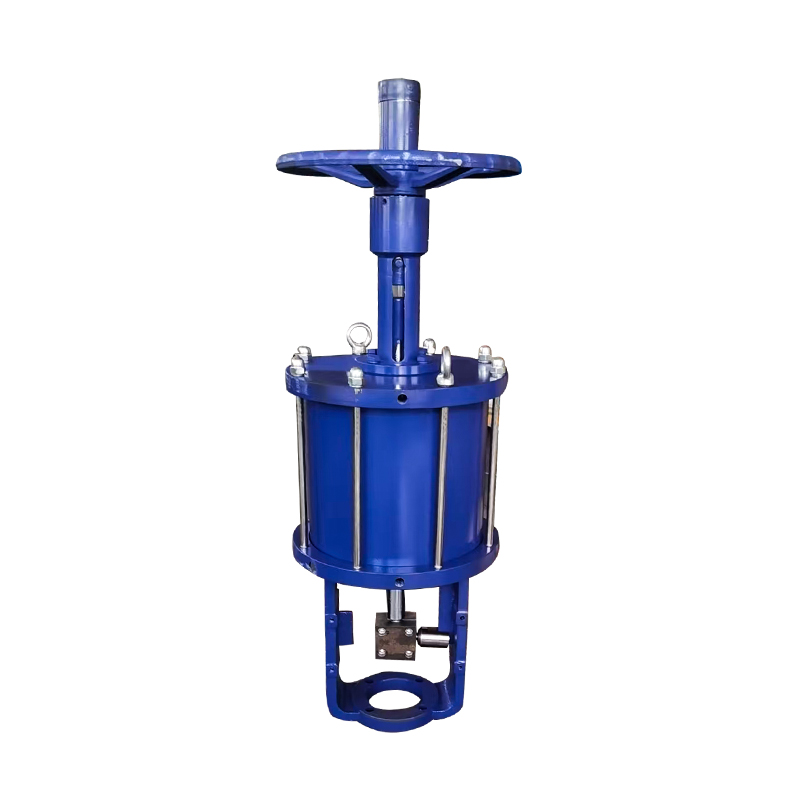
A Pneumatic Emergency Shut Off Valve is made up of several parts that all work together.
The main components typically include:
| Component | Function |
|---|---|
| Valve body | Contains the flow control mechanism |
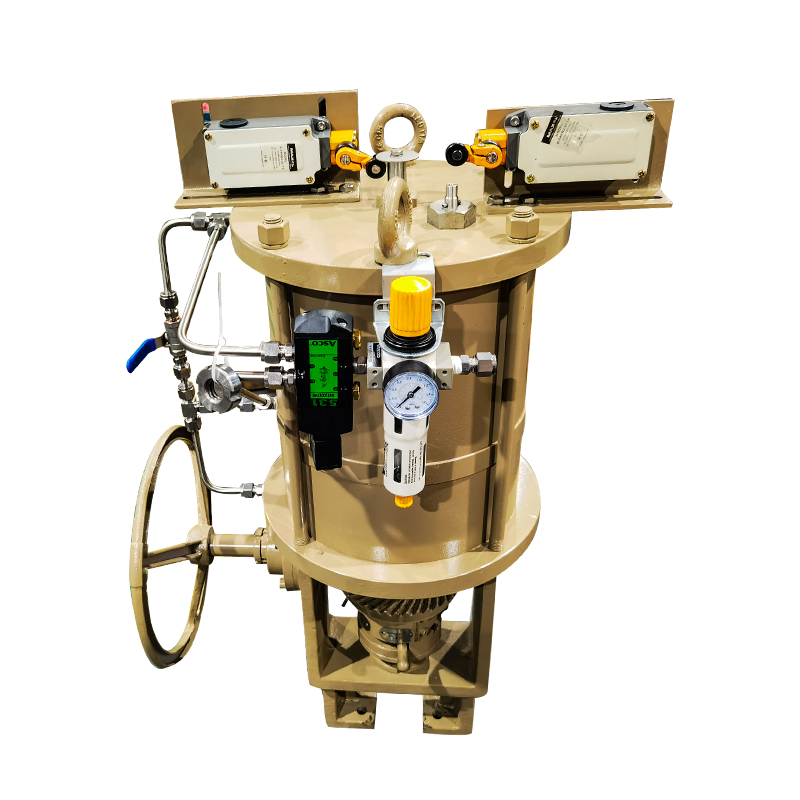
| Actuator | Converts air pressure into movement |
| Control connection | Receives operating signals |
| Internal sealing parts | Helps manage flow control |
Each part carries its own weight here. The actuator handles movement, while the valve body controls the actual path of the medium. The connection between these pieces is what lets the whole system respond to operating requirements in a coordinated way. Understanding this structure tends to make evaluating installation and maintenance needs a lot easier.
Where These Valves Typically Get Used
These valves show up across quite a few industries where controlled shutdown functions genuinely matter.
Manufacturing facilities
Production equipment often needs controlled fluid or gas movement, and a shutdown valve supports safer operation by allowing flow interruption whenever it's necessary.
Energy and utility systems
Systems handling fuel, gas, or other fluids frequently need some kind of emergency isolation method built in.
Chemical and processing industries
Process environments tend to need careful control over material movement — shut off valves support both operational safety and routine maintenance procedures here.
Automated equipment
Modern equipment often runs on automatic control systems, and pneumatic valves integrate well into that setup to provide coordinated operation.
The exact application really depends on the system design and what the operating requirements actually call for.
How Pneumatic Valves Differ From Other Shut Off Options
Different shut off valves rely on different operating methods entirely.
A Pneumatic Emergency Shut Off Valve uses air pressure, while other types lean on manual operation or different control methods altogether.
| Valve Type | Operating Method |
|---|---|
| Pneumatic shut off valve | Uses compressed air control |
| Manual shut off valve | Requires direct operation |
| Electric shut off valve | Uses electrical control |
| Hydraulic shut off valve | Uses fluid pressure control |
Each option suits its own set of applications. Pneumatic solutions tend to get picked when users need remote operation paired with quick response inside a controlled system. Which one actually makes sense depends on equipment design, available energy sources, and the operating conditions at hand.
Factors Worth Weighing Before Choosing One
Picking the right valve means understanding the full application, not just a single spec.
Application requirements
Different systems come with different operating needs. Worth thinking through:
- What type of medium will pass through the valve
- How the valve will actually be used
- Where it'll be installed
- How often emergency actions might realistically be needed
System compatibility
The valve needs to genuinely match the existing equipment. Worth checking:
- Connection method
- Control system design
- Installation space
- Maintenance access
Operating environment
The surrounding environment can shift valve selection quite a bit. Factors like temperature, cleanliness, and general working conditions all deserve a look before deciding.
A suitable valve really needs to fit the actual application, rather than getting chosen off a generic description alone.
How Maintenance Affects Long-Term Performance
Regular maintenance keeps industrial equipment ready to respond when it actually matters. Even though pneumatic valves are built for tough industrial use, they still need consistent inspection and care.
Common maintenance practices:
| Maintenance Activity | Purpose |
|---|---|
| Checking connections | Helps maintain stable operation |
| Inspecting valve condition | Identifies possible issues |
| Cleaning surrounding areas | Supports proper function |
| Reviewing control response | Confirms system readiness |
Maintenance schedules tend to vary depending on the application — a valve working in a demanding environment usually needs more attention than one sitting in a simpler system. Regular checks tend to catch problems well before they affect the broader process.
What to Know Before Installing One
Before installation, it helps to understand exactly how the valve fits into the larger system.
Where Will the Valve Actually Be Installed?
Location affects access, connection method, and future maintenance.
How Will It Connect with the Control System?
Solid integration here supports smoother overall operation.
What Kind of Response Does the Application Actually Require?
Different applications come with different shutdown needs.
How Will Maintenance Realistically Be Managed?
A practical maintenance plan supports reliable long-term use.
Does the Valve Genuinely Match the System Design?
Good compatibility here tends to head off installation headaches later.
Careful planning before installation tends to make everything downstream a lot easier to manage.
A Pneumatic Emergency Shut Off Valve gives industrial systems a controlled way to stop fluid or gas movement exactly when it's needed. By using compressed air to drive the valve mechanism, it supports both remote control and fast emergency response. Understanding how it works, where it fits, what factors shape selection, and what maintenance actually looks like helps users land on a solution that genuinely suits their specific operating environment.