

 English
 русский



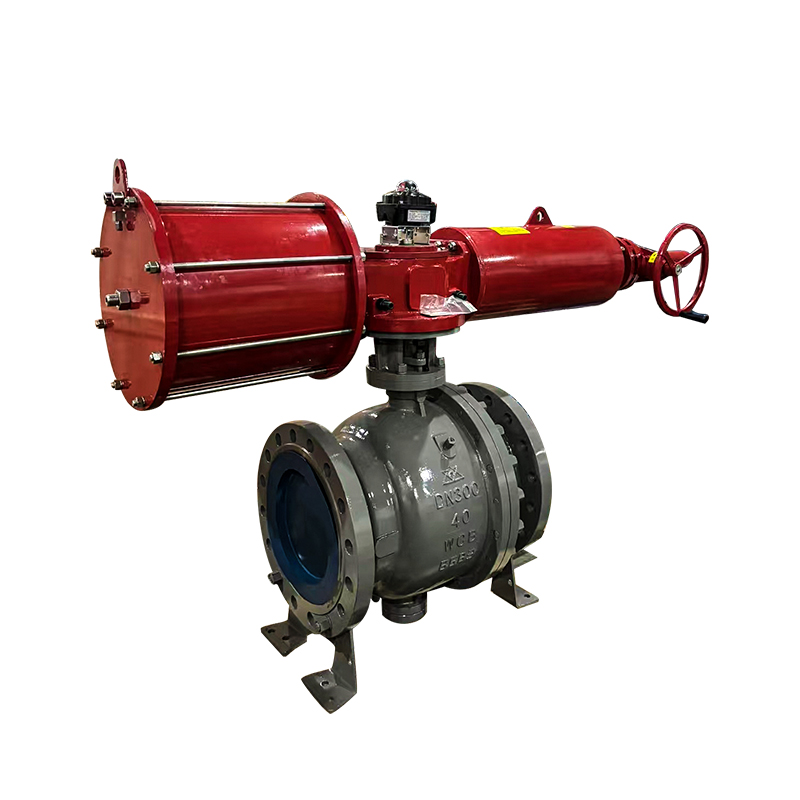
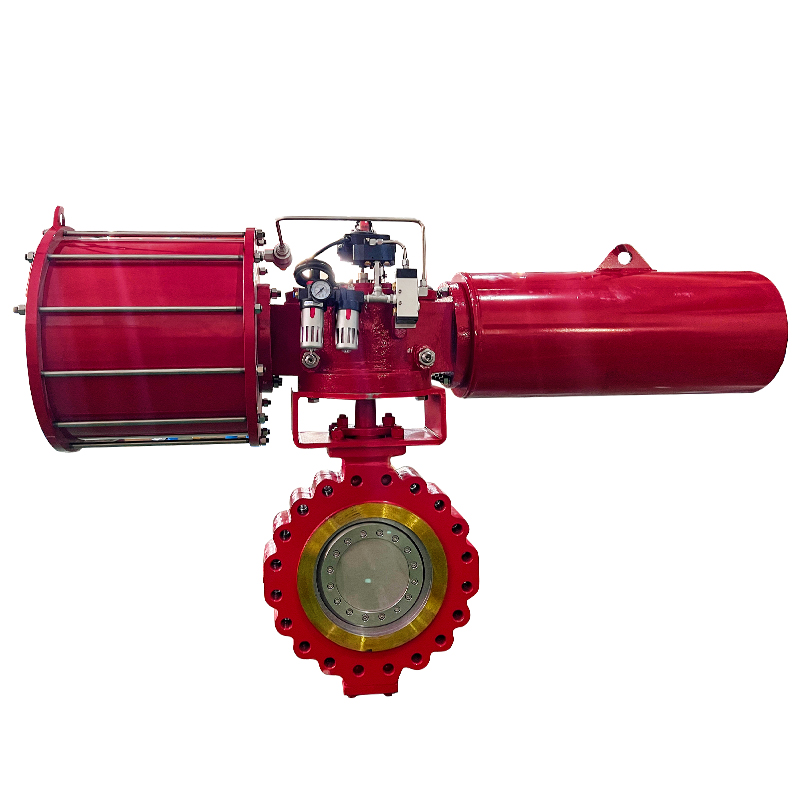
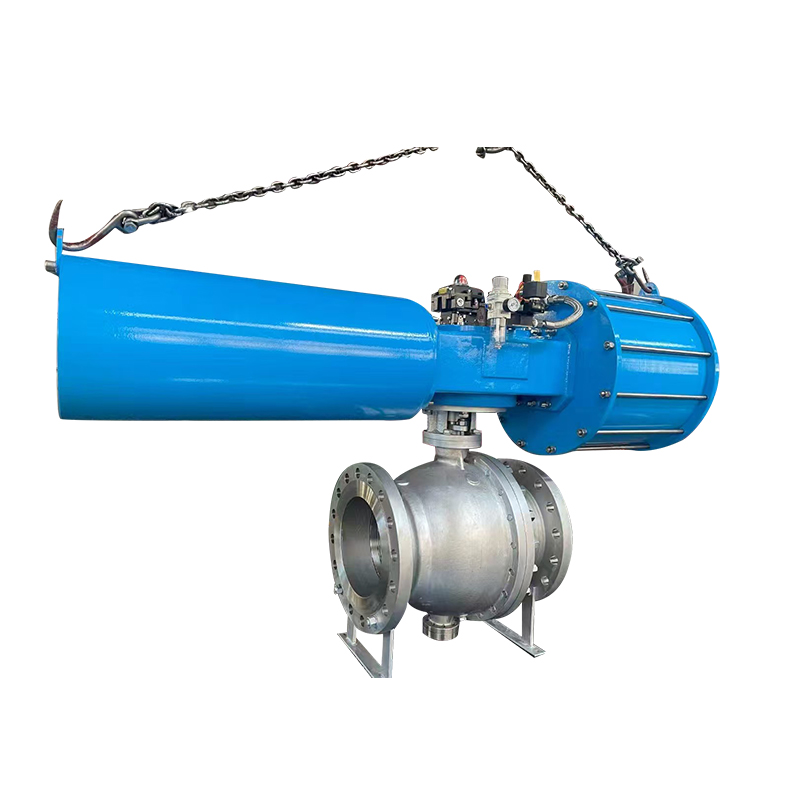
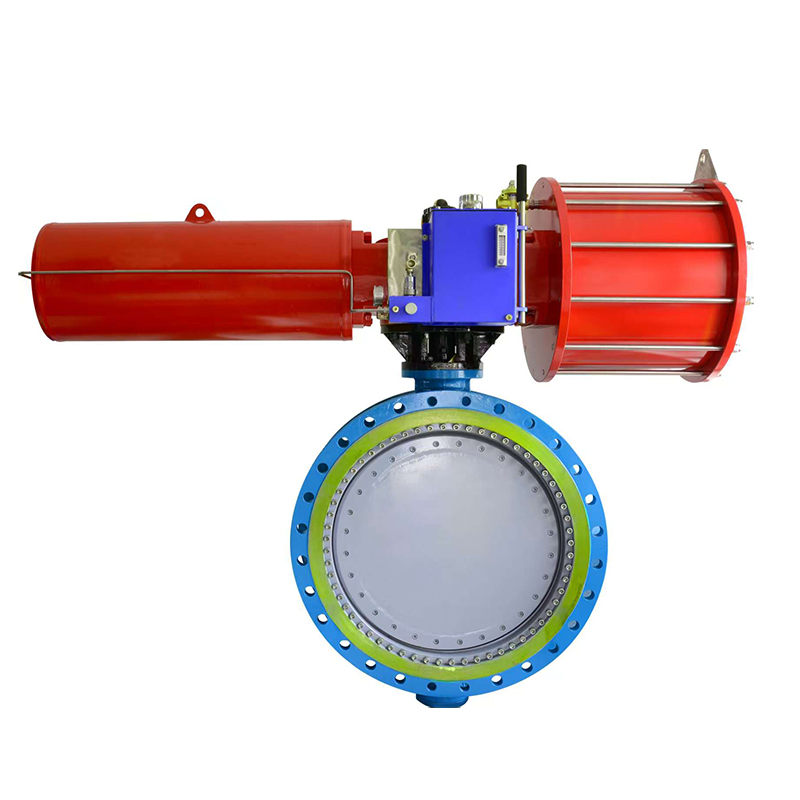
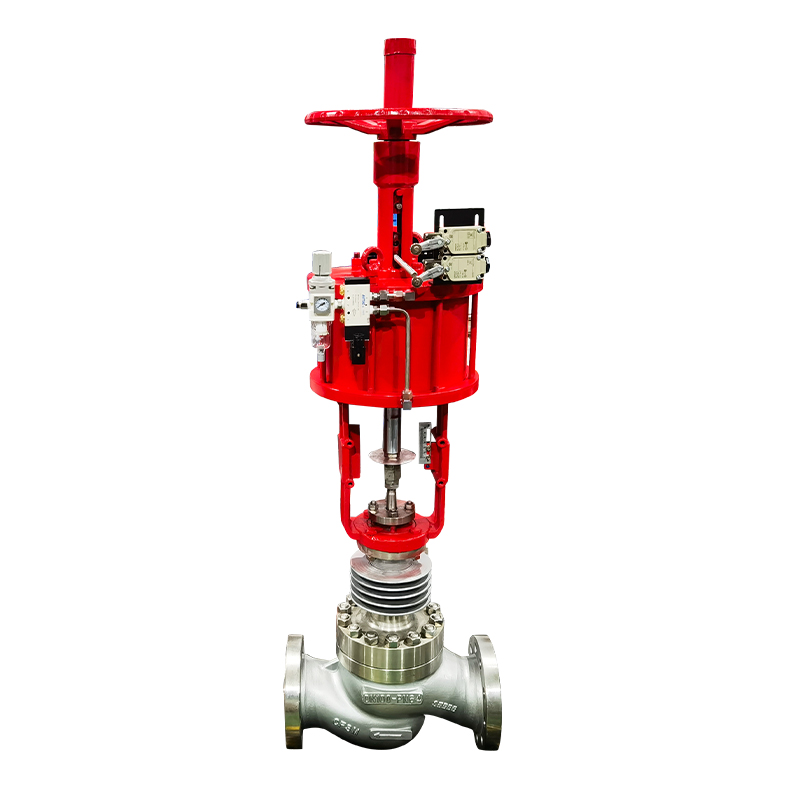
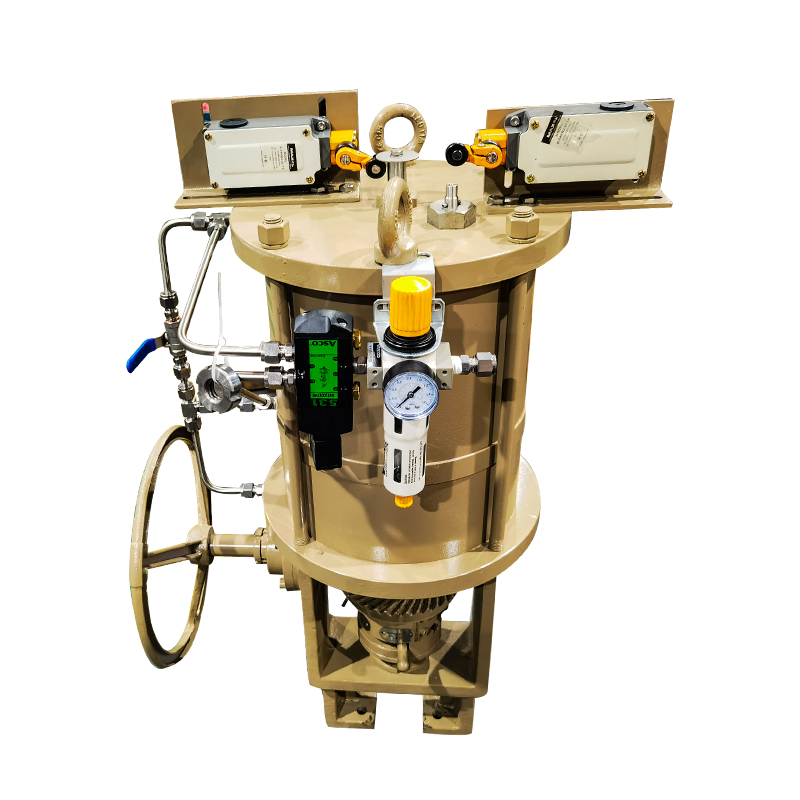
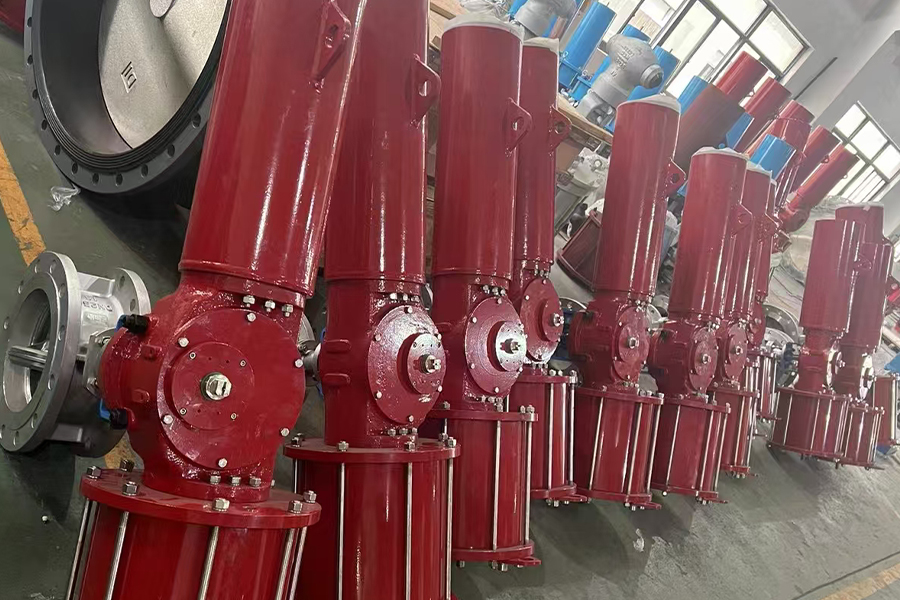
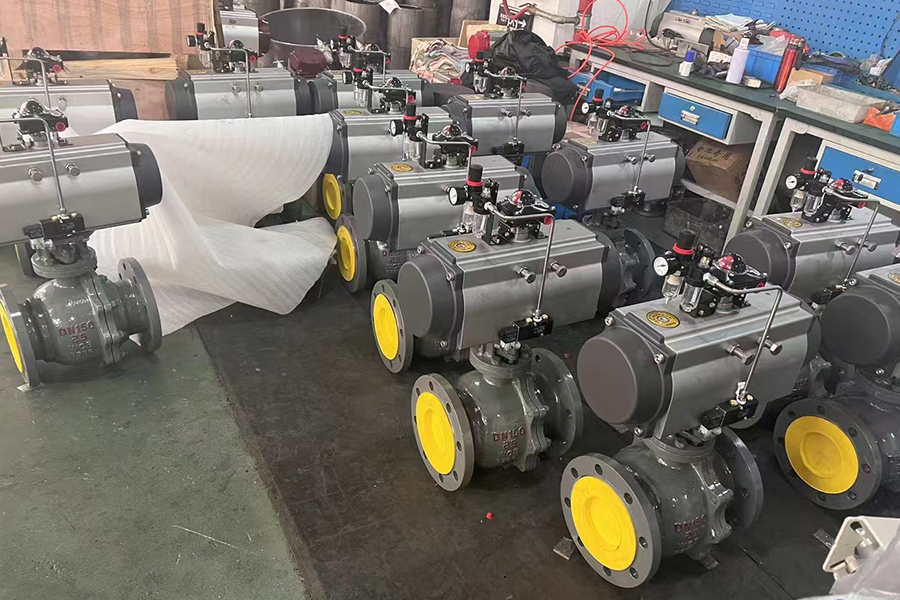
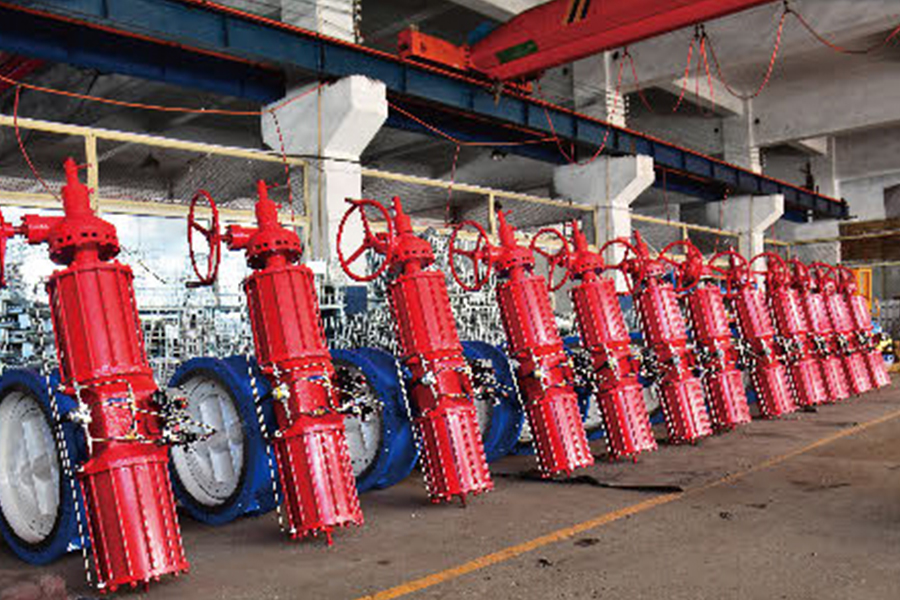
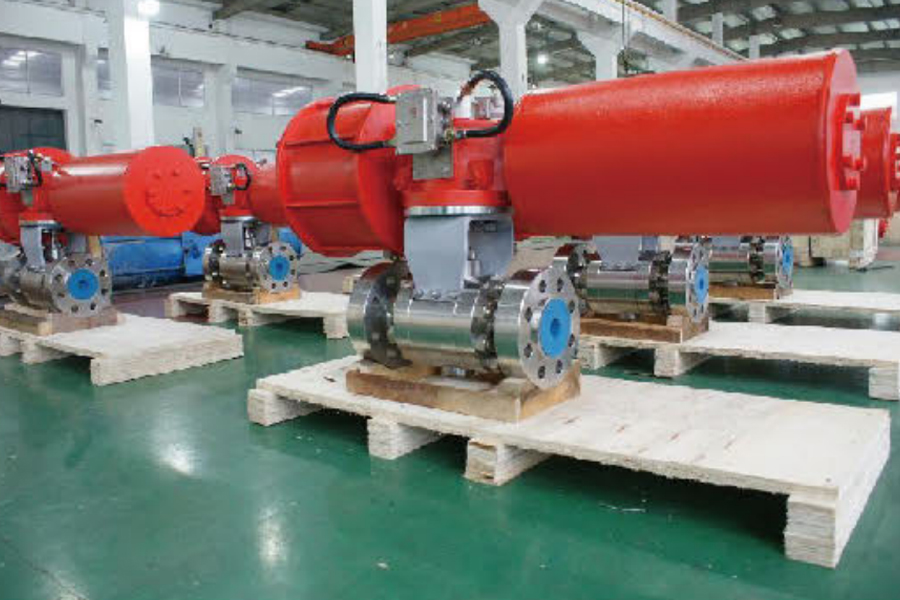
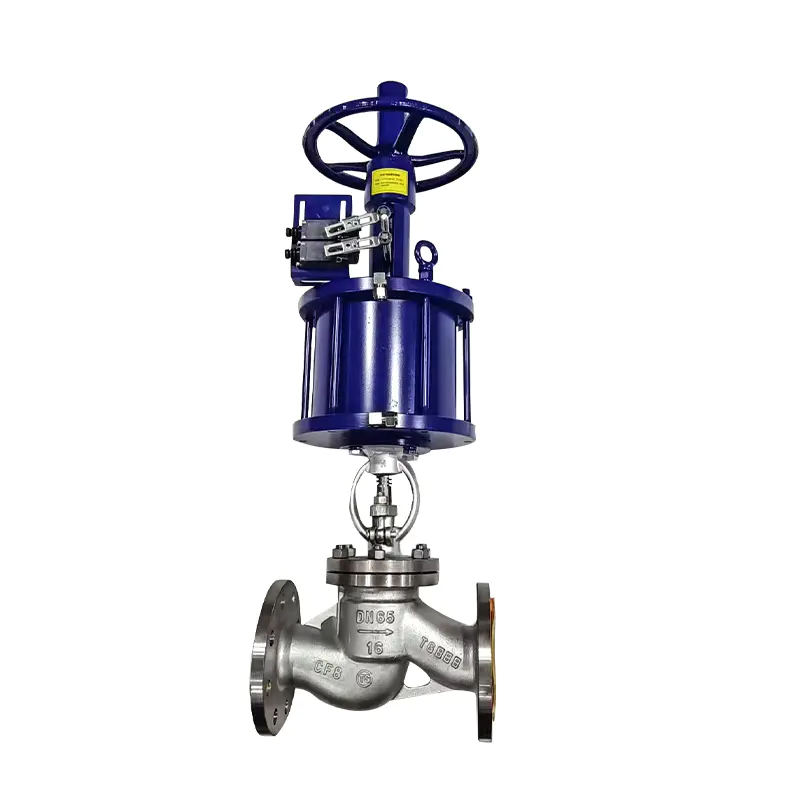
Watching a maintenance crew scramble during a plant shutdown drill, only to discover the shut-off valve they installed months earlier can't respond fast enough to actually stop flow when it counts, is exactly the kind of situation that makes safety engineers rethink their valve choices from the ground up. Buyers often run into trouble picking a valve that doesn't genuinely match the application, or they land on a solution that creates real maintenance headaches down the road. A Pneumatic Emergency Shut Off Valve is built to support quick flow interruption during emergency situations, and understanding its key features helps buyers land on a choice that actually fits. Industrial systems depend heavily on reliable control components to manage all sorts of operating processes running at once. A valve isn't just a connection point sitting somewhere in a pipeline. Its design, response behavior, installation requirements, and service needs all shape how well it actually fits into a working environment day after day. Choosing a Pneumatic Emergency Shut Off Valve genuinely requires attention to the application itself. Different industries carry different requirements, and the right selection really comes down to understanding the surrounding conditions, the system's structure, and what daily operations actually demand.
Why Does Application Assessment Matter Before Choosing a Valve?
Every industrial environment carries its own working conditions. A valve that's suitable for one application might genuinely fail to fit another because the surrounding factors can shift a lot from one setting to the next.
Before selecting a Pneumatic Emergency Shut Off Valve, buyers benefit from understanding exactly where it'll be installed and what role it actually needs to play once it's in place.
A few important application considerations:
| Consideration | Why It Matters |
|---|---|
| Working environment | Shapes overall valve suitability |
| System purpose | Determines the required valve function |
| Installation location | Affects connection and access |
| Operating conditions | Helps identify which designs actually suit the setup |
A clear understanding of the application helps buyers avoid selecting equipment based purely on appearance or a basic spec sheet. The valve should match the needs of the entire system rather than operate as some standalone component doing its own thing.
What Valve Features Should Buyers Actually Consider?
Different valve designs bring genuinely different characteristics to the table. Understanding these features helps buyers compare options a lot more effectively rather than guessing.
A Pneumatic Emergency Shut Off Valve generally needs to support fast, controlled operation the moment an emergency situation actually occurs.
A few key features worth considering:
| Feature | Buyer Consideration |
|---|---|
| Valve structure | Should genuinely match the system arrangement |
| Operating method | Should fit the control process already in place |
| Connection design | Should work with existing equipment on site |
| Maintenance access | Should support regular inspection without hassle |
A genuinely suitable valve balances practical operation with long-term usability. The selection process gets a lot easier once buyers understand which features actually connect to their specific needs.
How Does System Compatibility Affect Valve Selection?
A valve has to work together with the equipment surrounding it. Poor compatibility tends to create installation problems or drag down the overall performance of the system as a whole.
Before choosing a Pneumatic Emergency Shut Off Valve, buyers benefit from reviewing exactly how it connects with existing components already in the pipeline.
A few compatibility factors worth reviewing:
- The pipeline arrangement already in place
- Control system requirements
- Available installation space
- Existing maintenance procedures
A valve that fits the system design genuinely helps create smoother operation across the board. Plenty of purchasing decisions run into trouble because the product gets considered separately from the environment it'll actually work within. Looking at the complete system upfront gives a much clearer view of what type of valve the job genuinely needs.
Why Does Material Selection Matter for Emergency Shut Off Valves?
The material a valve is made from shapes how it interacts with its working environment. Different applications expose equipment to genuinely different conditions, so material suitability deserves real consideration rather than a passing thought.
A few things buyers may want to review:
| Material Factor | Importance |
|---|---|
| Environmental compatibility | Helps match actual operating conditions |
| Surface condition | Influences durability needs over time |
| Structural strength | Supports regular, ongoing operation |
| Maintenance requirements | Affects how service gets planned |
Material selection should be grounded in the actual application rather than general assumptions carried over from a different project. A valve installed in a demanding environment genuinely calls for different considerations compared with one used somewhere a lot simpler.
How Should Buyers Evaluate Installation Requirements?
Installation is a genuinely important part of valve selection. A suitable product shouldn't only perform its intended function, it also needs to fit smoothly into the actual installation process.
A few installation factors worth thinking through:
| Installation Factor | Question to Ask |
|---|---|
| Available space | Can the valve genuinely fit the installation area? |
| Connection method | Does it match the existing system already in place? |
| Access points | Is inspection genuinely convenient afterward? |
| Support equipment | Does it work well with related components? |
Good installation planning genuinely reduces difficulties during setup and whatever maintenance comes later. Understanding installation needs before purchasing lets buyers make choices that actually fit their projects, rather than discovering mismatches after the equipment's already bolted in.
What Role Does Maintenance Play in Choosing a Pneumatic Emergency Shut Off Valve?
Maintenance is a genuinely important part of managing any piece of equipment. Even well-designed components need regular checks and care throughout their working life.
A valve that's difficult to inspect or service tends to create additional challenges for operators who already have enough on their plate.
A few maintenance-related considerations:
- Ease of inspection during routine checks
- Accessibility of internal components
- Cleaning requirements over time
- Convenience of replacement when parts wear out
A practical design genuinely makes routine maintenance easier to manage day to day. When selecting a Pneumatic Emergency Shut Off Valve, buyers benefit from considering not just how it operates, but how it can actually be maintained throughout its entire service life.
How Can Buyers Compare Different Valve Options?
Comparing valves means looking well beyond any single feature in isolation. A genuinely complete evaluation considers how each option fits the actual intended application.
A comparison process might include:
| Evaluation Area | Key Question |
|---|---|
| Application fit | Does it genuinely suit the working environment? |
| Operation | Does it meet the required control expectations? |
| Installation | Can it be integrated smoothly into the existing setup? |
| Maintenance | Is regular service genuinely manageable? |
Every project carries different priorities. A valve that works well in one situation might genuinely fail to suit another entirely. Careful comparison helps buyers understand the real differences between available choices and select equipment that aligns with their actual needs, not just their assumptions going in.
What Mistakes Should Buyers Avoid When Selecting a Valve?
Plenty of selection problems happen because buyers focus on just one aspect of the product and overlook everything else surrounding it.
A few common mistakes worth watching for:
| Mistake | Possible Result |
|---|---|
| Ignoring application conditions | Poor matching with the actual system |
| Overlooking maintenance needs | Genuinely more service difficulty later |
| Choosing without compatibility checks | Installation challenges down the line |
| Focusing only on initial cost | Higher management concerns over time |
A thoughtful selection process weighs both current requirements and future operating needs together. The right choice isn't simply about finding a valve that performs some basic function. It's about finding equipment that genuinely fits the system, the working environment, and the maintenance approach already in place.
How Can a Pneumatic Emergency Shut Off Valve Support Industrial Operations?
A Pneumatic Emergency Shut Off Valve plays a genuinely important role in systems where controlled flow interruption matters. Choosing the right one requires attention to application conditions, design features, material suitability, installation planning, and maintenance requirements all together. Buyers who understand these factors tend to make more informed decisions and cut down on problems caused by an unsuitable equipment choice made too quickly. A well-matched valve supports smoother system management and offers a genuinely practical solution for emergency control needs. The selection process should focus on how the valve works within the complete industrial environment surrounding it. By considering the relationship between the valve, the system, and daily operating conditions, buyers can identify a solution that fits their specific application a lot more effectively than picking based on specs alone.