

 English
 русский



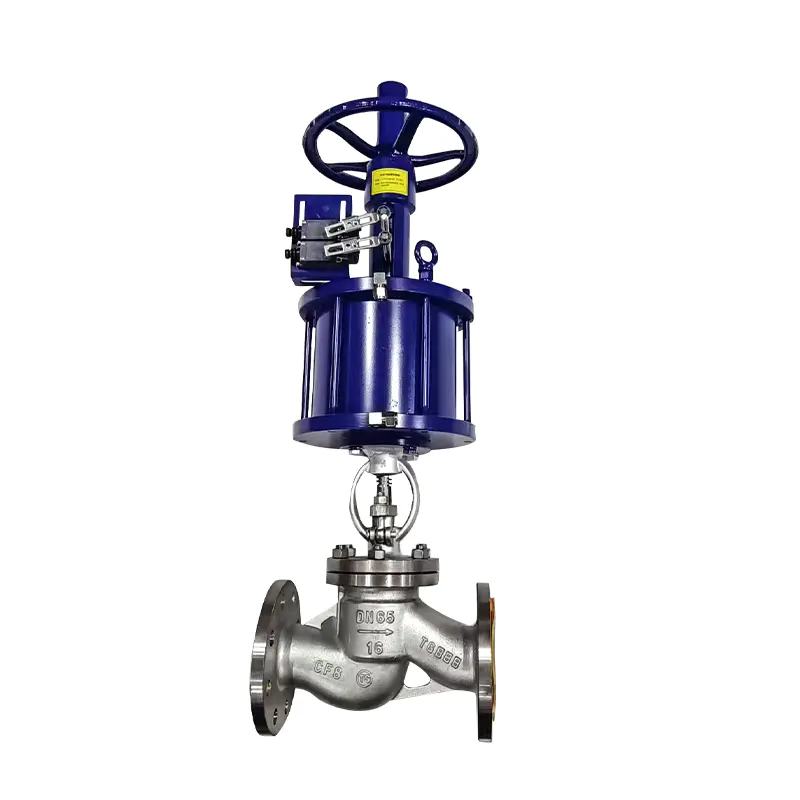
If you've ever watched a pressure reading climb faster than your control system could respond, you already know the specific kind of dread that comes with managing high-pressure pipelines. A pneumatic emergency shut off valve exists precisely for that moment, the point where seconds matter and a manual response simply isn't fast enough to prevent damage, injury, or worse. Engineers and plant managers who've been through even one close call tend to take this equipment far more seriously than those who've only read about it in a manual. High-pressure pipeline systems carry inherent risk by design, that's part of why they require such careful engineering in the first place. But risk isn't something to accept passively, it's something to actively manage through the right combination of monitoring, control, and emergency response equipment. Getting that combination right is what separates a system that handles pressure anomalies smoothly from one that turns a manageable fault into an actual incident.
What Actually Goes Wrong in High-Pressure Pipeline Systems?
Before discussing solutions, it helps to name the specific failure points that create risk in the first place. Most pipeline safety incidents trace back to a handful of recurring issues.
- Pressure spikes beyond design tolerance, often triggered by upstream equipment malfunction or sudden flow restriction downstream.
- Leaks at joints, seals, or valve connections that develop gradually and go unnoticed until pressure loss becomes significant.
- Equipment fatigue over time, particularly in systems running continuously under variable pressure conditions.
- Human response delay during a developing fault, since manual intervention simply can't match the speed a fully automated system provides.
- Control system failure itself, where a fault in monitoring equipment prevents an accurate read on actual pipeline conditions.
Each of these problems compounds risk differently, but they share one thing in common, they all become more dangerous the longer a system takes to detect and respond to an abnormal condition.
Why Does Pipeline Control Rely So Heavily on Valve Systems?
Valves sit at the center of pipeline safety because they're the physical mechanism that actually changes flow conditions in response to a detected problem. Sensors and control systems identify the issue, but valves are what actually do something about it.
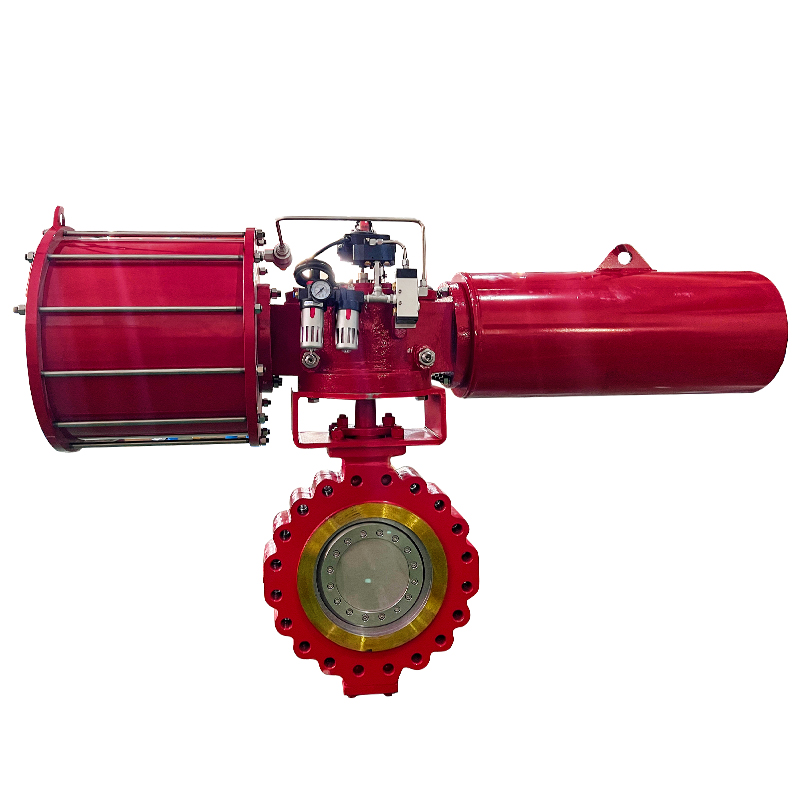
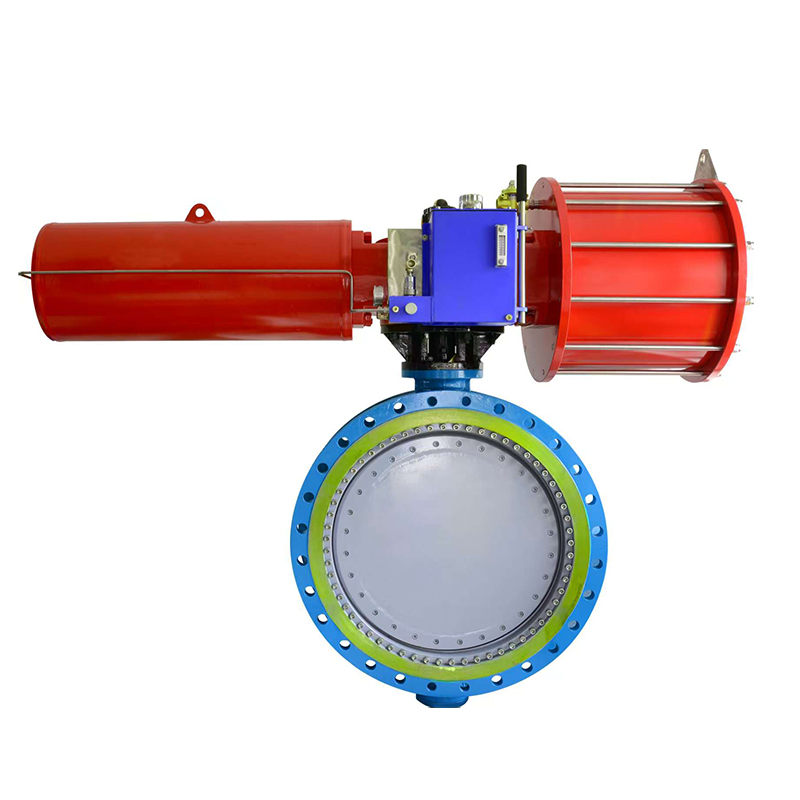
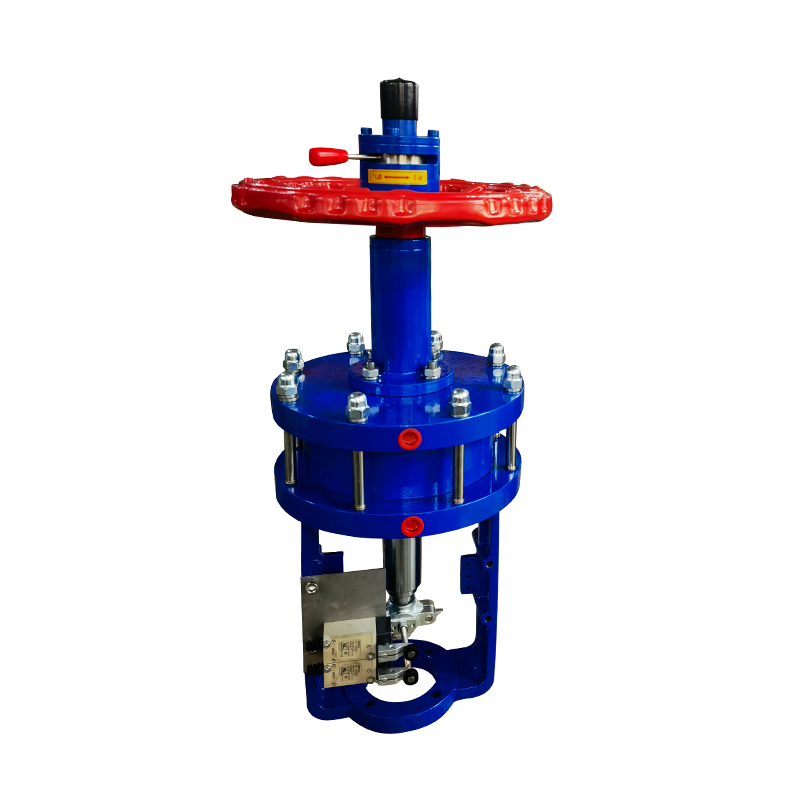
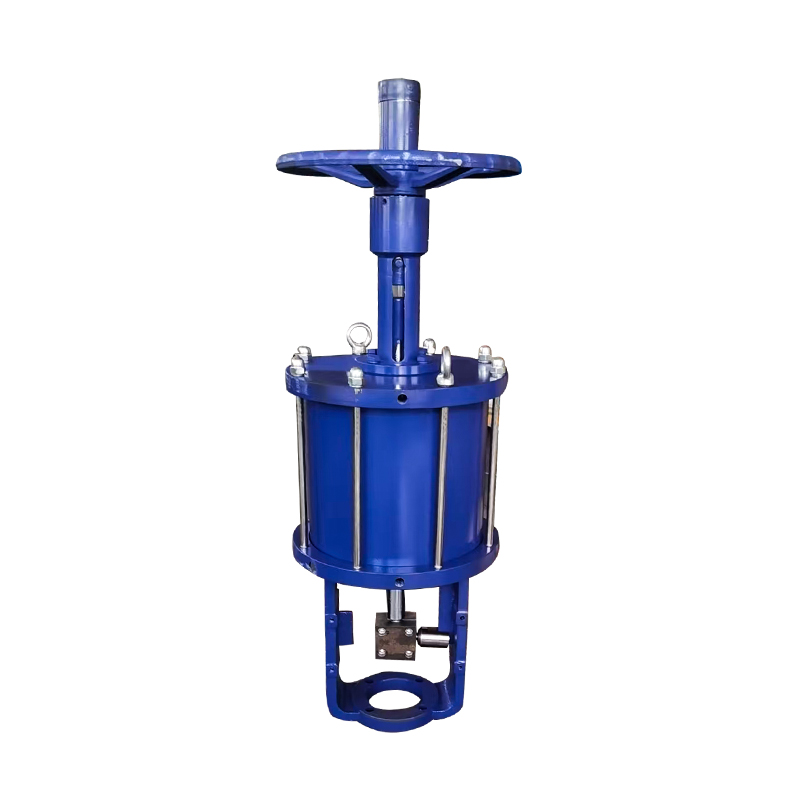
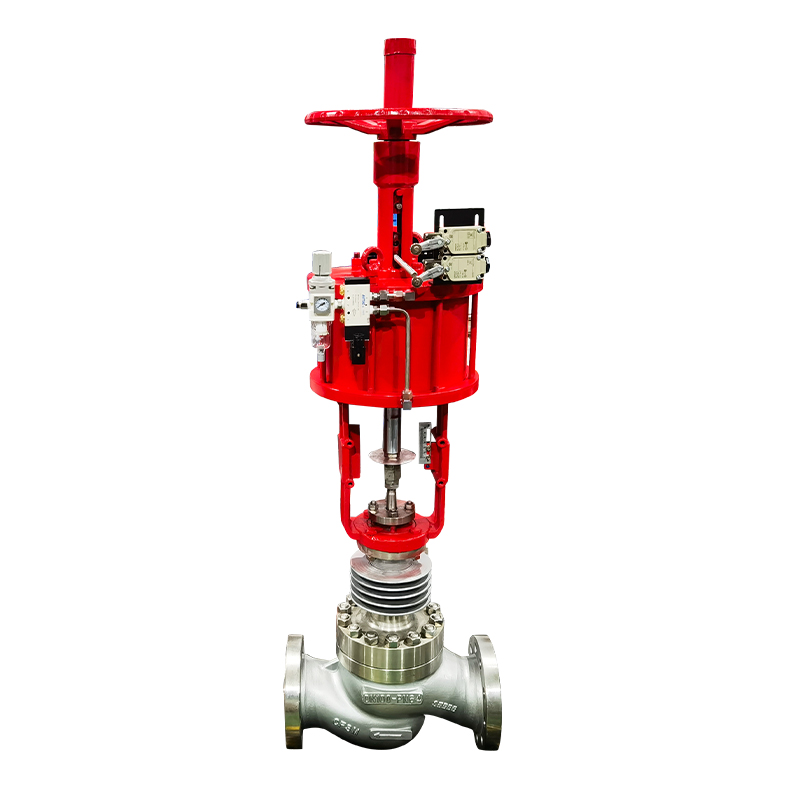
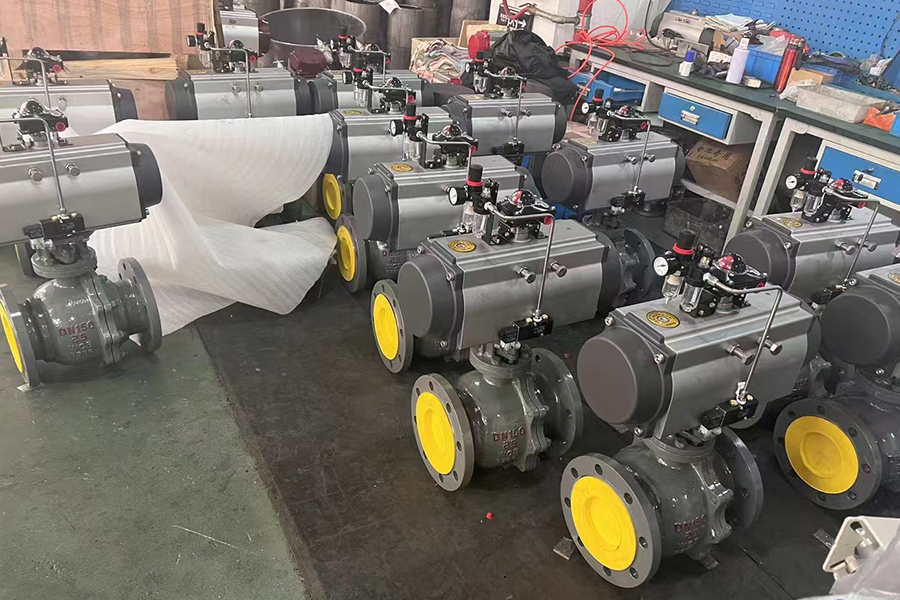
A pneumatic system control valve handles the routine side of this equation. It regulates flow and pressure continuously under normal operating conditions, adjusting incrementally as system demands shift throughout a production cycle. This kind of valve keeps a pipeline running smoothly day to day, responding to gradual changes rather than sudden emergencies.
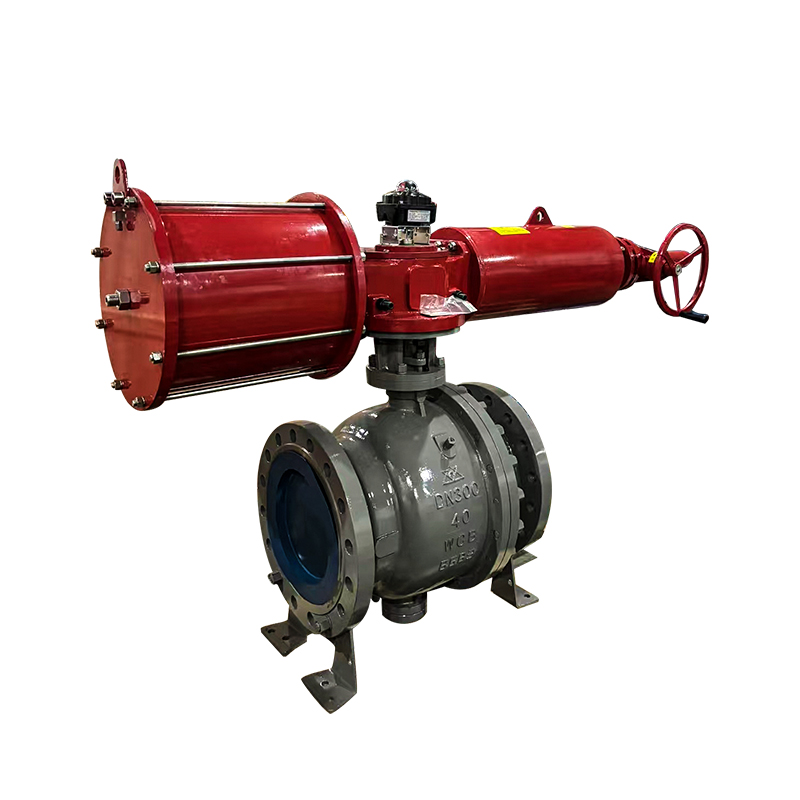
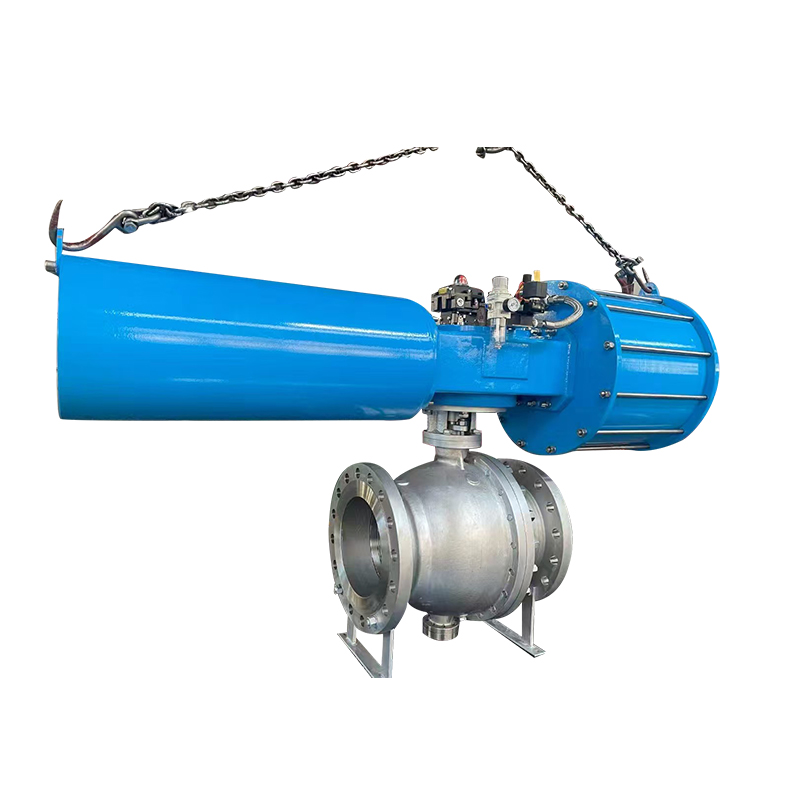
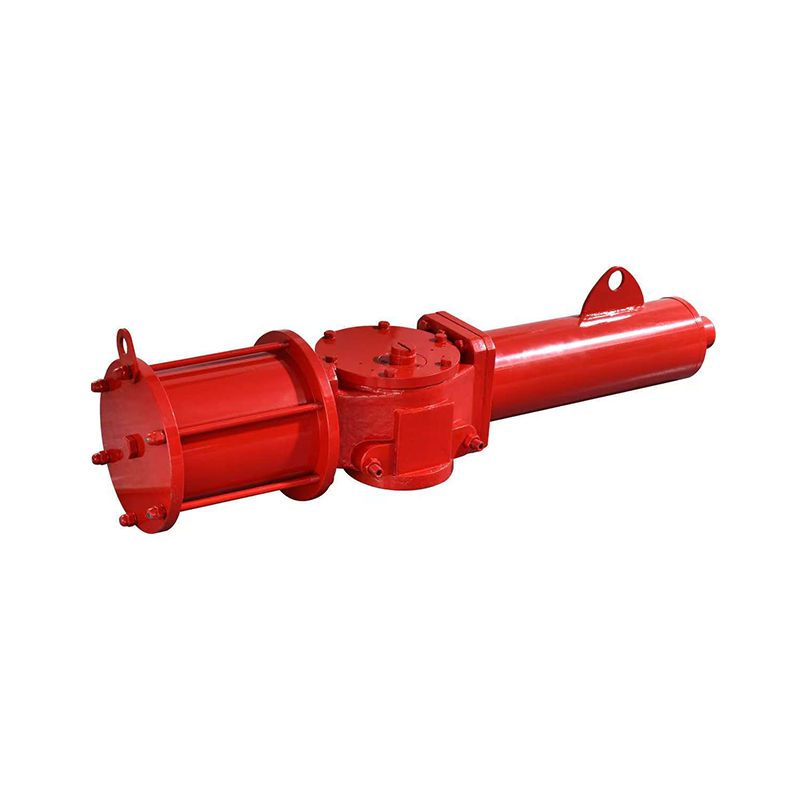
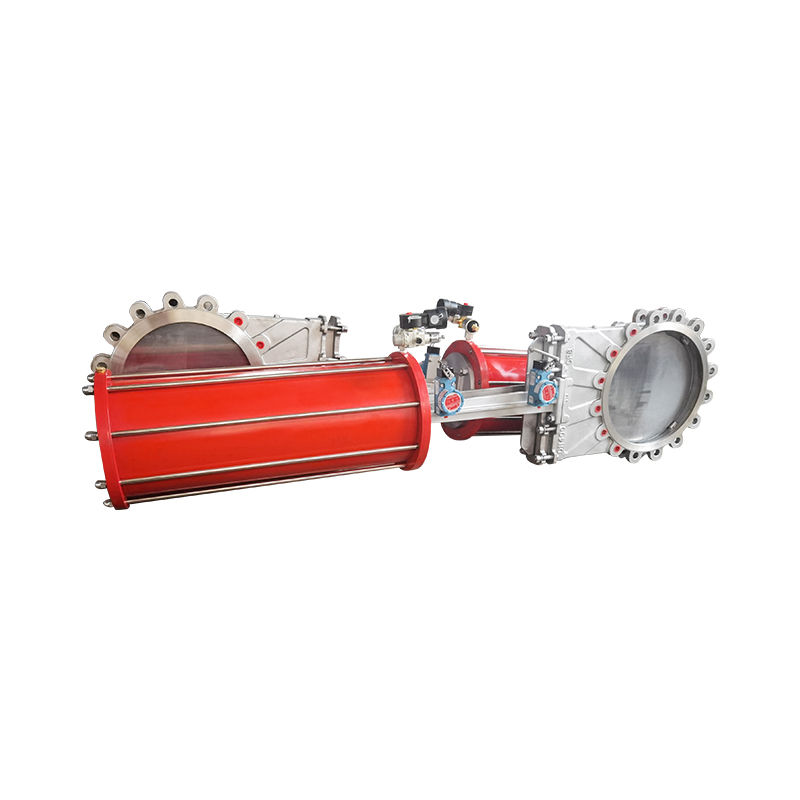
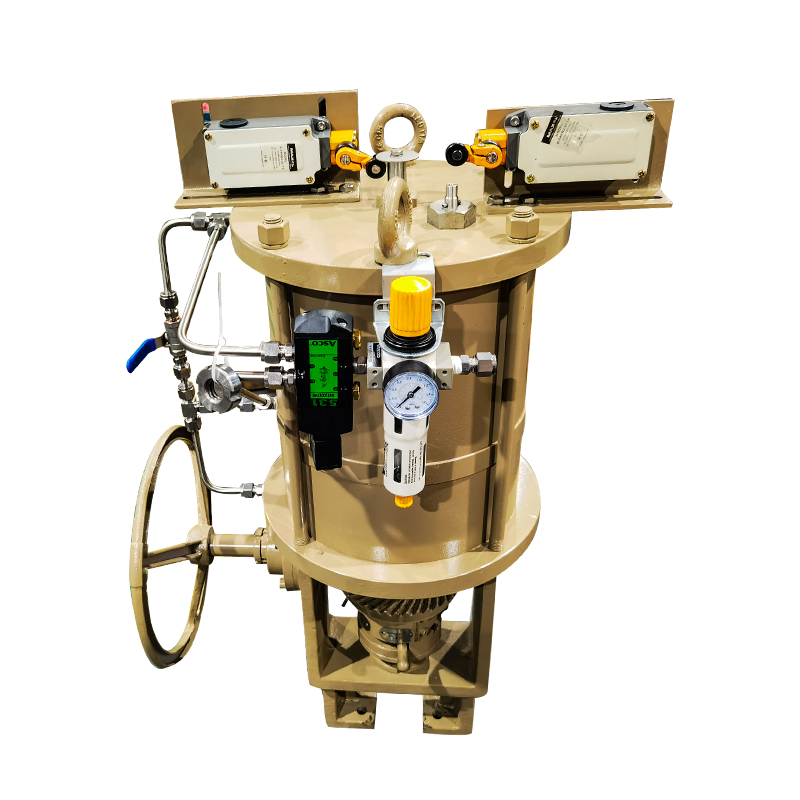
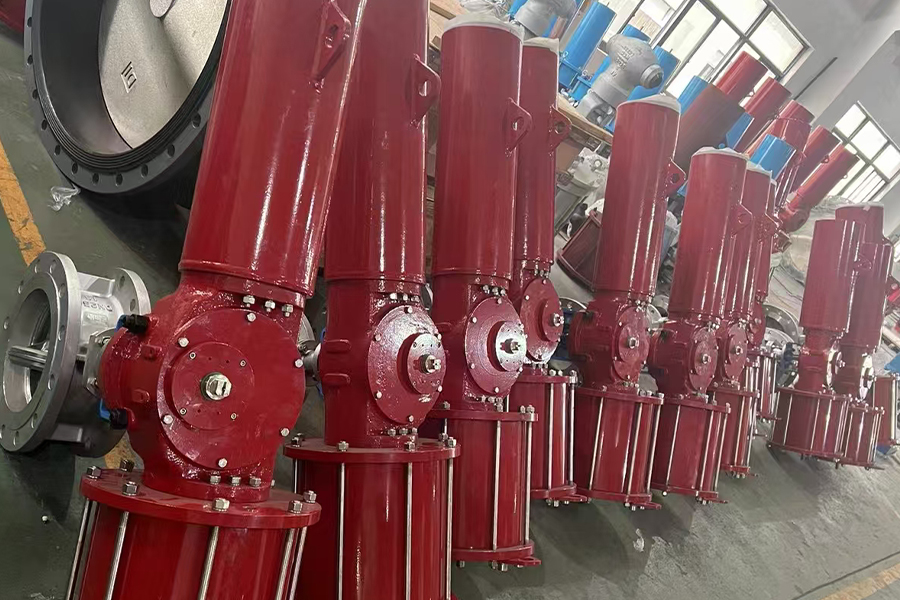
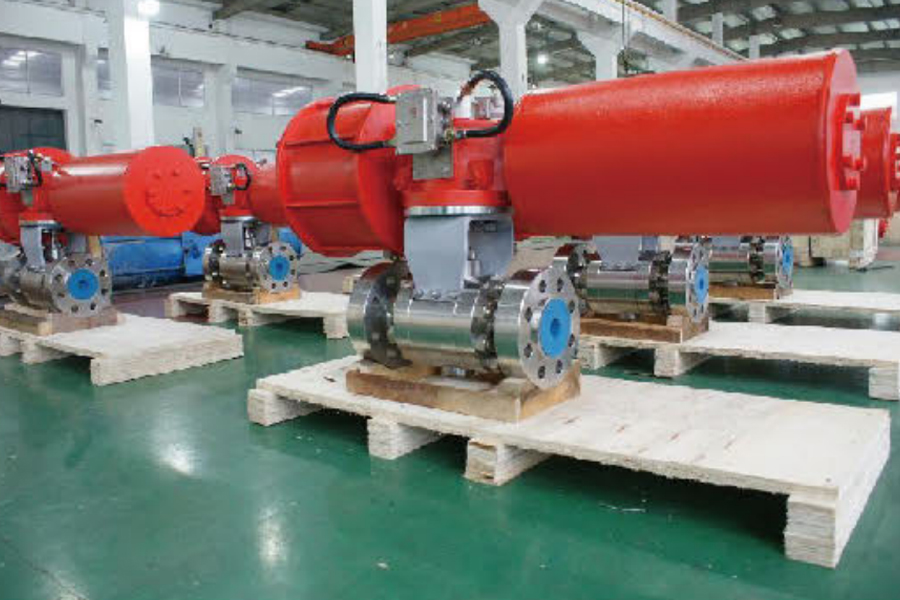
A pneumatic emergency shut off valve serves an entirely different purpose. Rather than fine-tuning flow, it's built to close completely and rapidly when a system detects conditions outside safe operating parameters. Where a control valve manages the ordinary, a shut off valve exists for the moment ordinary stops applying.
How Are Emergency Shut Off Valves Different From Standard Control Valves?
This distinction matters enough to spell out clearly, since confusing the two functions leads to poor system design.
| Factor | Standard Pneumatic Control Valve | Pneumatic Emergency Shut Off Valve |
|---|---|---|
| Primary Function | Continuous flow regulation | Rapid full closure during fault conditions |
| Response Trigger | Gradual adjustment based on demand | Immediate response to abnormal detection |
| Operating Frequency | Constant, ongoing adjustment | Rare, activated only during emergencies |
| Design Priority | Precision and flow control range | Speed and reliability under stress |
| Failure Consequence | Reduced efficiency, minor disruption | Potential for significant safety incident |
Both valve types work together as part of a complete safety architecture, not as competing options. A pipeline relying only on control valves without dedicated emergency shut off capability lacks the fast, decisive response mechanism that abnormal conditions genuinely require.
What Makes a Shut Off Valve Actually Reliable Under Pressure?
Not every valve marketed for emergency use performs equally well when conditions actually turn critical. A few design factors separate a dependable option from one that creates a false sense of security.
- Response time matters more than almost any other single factor, since a valve that takes too long to close defeats its entire purpose regardless of how well it seals once shut.
- Fail-safe design ensures the valve closes automatically if it loses air supply or control signal, rather than remaining open during a power or system failure.
- Material selection needs to withstand the specific pressure rating and media type of the pipeline, since a mismatch here compromises both performance and longevity.
- Seal integrity under rapid closure conditions prevents leakage even after repeated emergency activation, which matters since these valves need to perform reliably even after sitting idle for extended periods.
- Integration compatibility with existing automation and monitoring systems determines whether the valve can actually receive and act on a fault signal without delay.
Skipping careful evaluation on any of these factors tends to produce a system that looks adequate on paper but underperforms exactly when it matters most.
How Does Automation Change the Safety Equation?
Modern pipeline systems increasingly rely on automated detection paired with pneumatic actuation rather than manual monitoring alone, and this shift genuinely changes outcomes.
- Automated pressure sensors detect anomalies faster than any manual inspection schedule could realistically achieve.
- Integrated control logic can trigger a shut off sequence within a fraction of the time a human operator would need to notice, confirm, and manually respond to the same condition.
- Redundant sensor placement reduces the risk of a single point of failure preventing detection altogether.
- Remote monitoring capability allows operators to track system status across multiple locations without needing constant physical presence at every valve point.
None of this eliminates the need for trained personnel, automation supports human oversight rather than replacing it entirely, but it does close the response time gap that has historically been the weak point in pipeline safety architecture.
What Should Buyers Evaluate Before Selecting a Valve System?
Once the general safety case is clear, the conversation shifts toward practical selection criteria. A few questions help buyers avoid mismatched or underperforming equipment.
- Confirm the pressure rating and media compatibility match the specific pipeline application, since a valve rated for one context may not hold up reliably in another.
- Ask about actuation speed testing under realistic conditions rather than relying solely on manufacturer specifications sheets.
- Look into fail-safe behavior specifically, understanding exactly what the valve does if it loses air supply, power, or control signal unexpectedly.
- Request documentation on material certification appropriate for the pipeline's operating environment, particularly for corrosive or high-temperature applications.
- Evaluate whether the supplier offers integration support for connecting valve systems with existing automation and monitoring infrastructure.
Buyers who work through these questions before finalizing a purchase tend to avoid the costly retrofits that come from discovering a mismatch only after installation.
Bringing Pipeline Safety Strategy Together
Reducing risk in high-pressure pipeline operations really comes down to building a layered response system, one where routine control valves manage everyday flow conditions while dedicated emergency shut off capability stands ready for the moments when conditions move outside safe limits. Neither piece of equipment substitutes for the other, and treating them as interchangeable is exactly the kind of oversight that leaves a system vulnerable during an actual fault. Pairing reliable valve hardware with automated detection and a clear fail-safe design gives operators the fastest possible response when seconds genuinely matter, while still maintaining smooth day to day operation the rest of the time. For plant engineers and procurement teams working through this evaluation, Zhejiang Wisley Automatic Valve Co., Ltd. provides pneumatic control and emergency shut off valve solutions built for high-pressure pipeline applications, offering the technical support and customization capability needed to match specific system requirements and help teams close the gap between routine control and genuine emergency readiness.