

 English
 русский



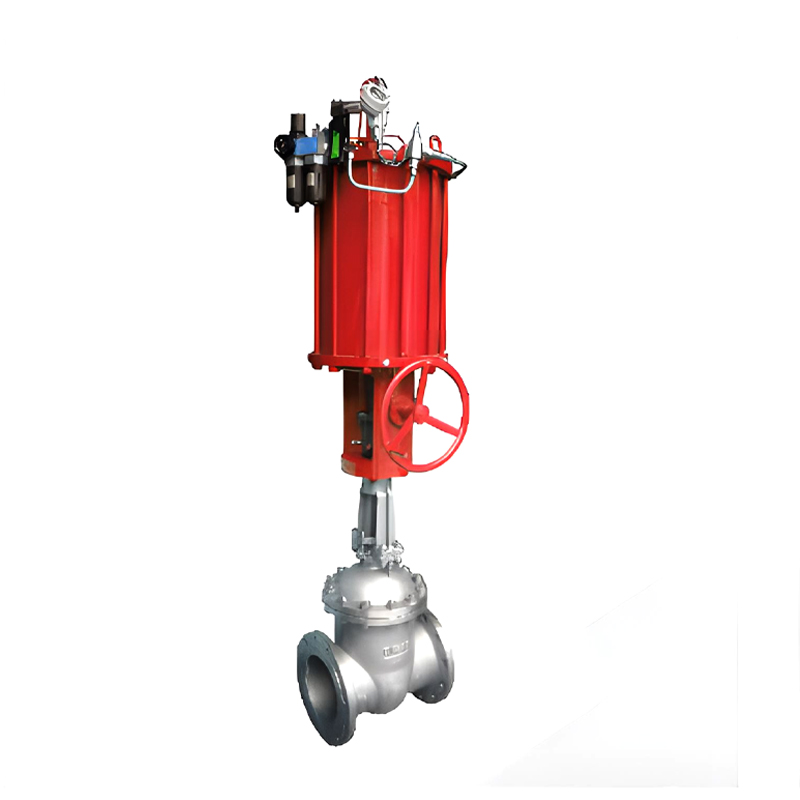
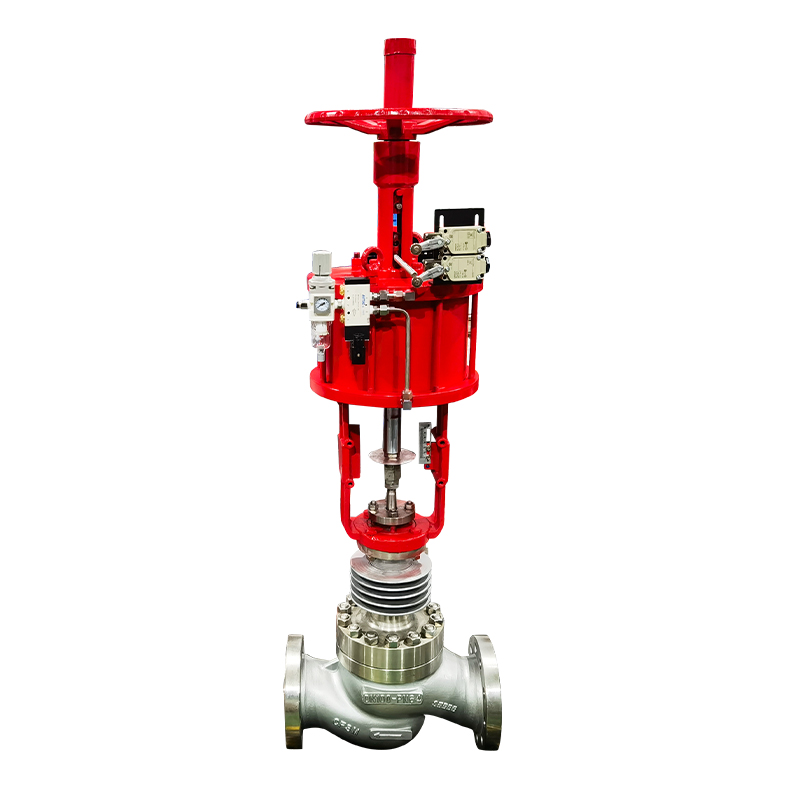
In modern industrial systems, precise and efficient fluid control is essential. A Pneumatic Stop Valve offers an effective solution for regulating, stopping, or isolating fluid flow automatically. Its use in manufacturing, chemical processing, water treatment, and other industrial sectors makes it a practical tool for operators and procurement managers.
What Is a Pneumatic Stop Valve?
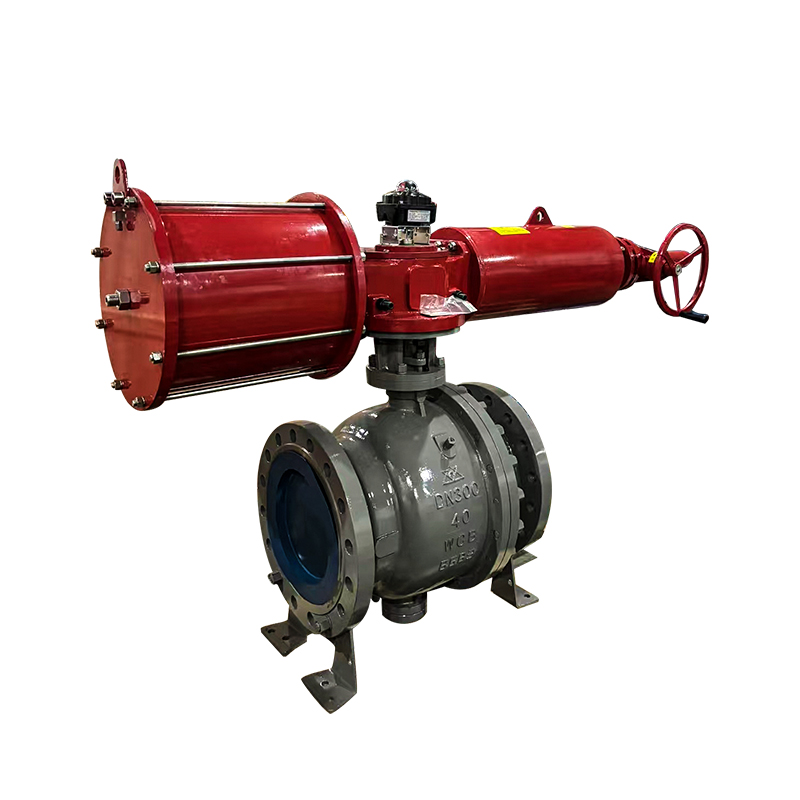
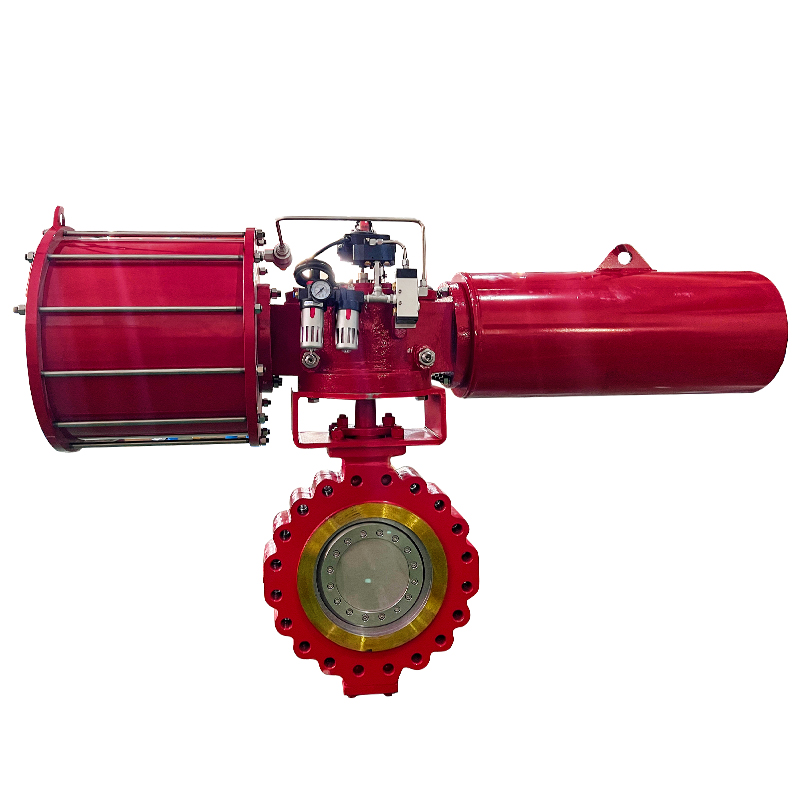
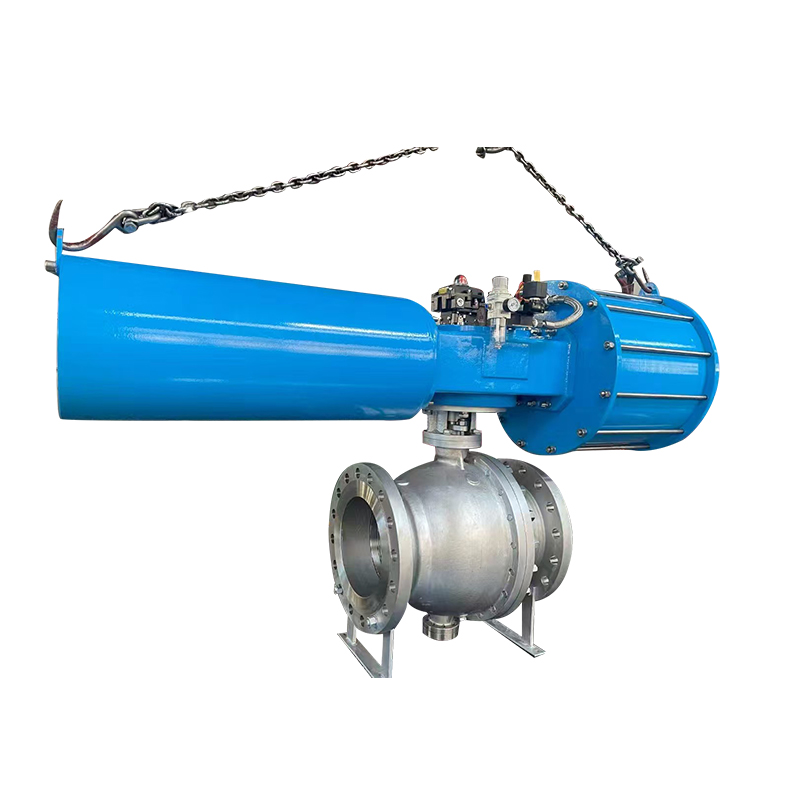
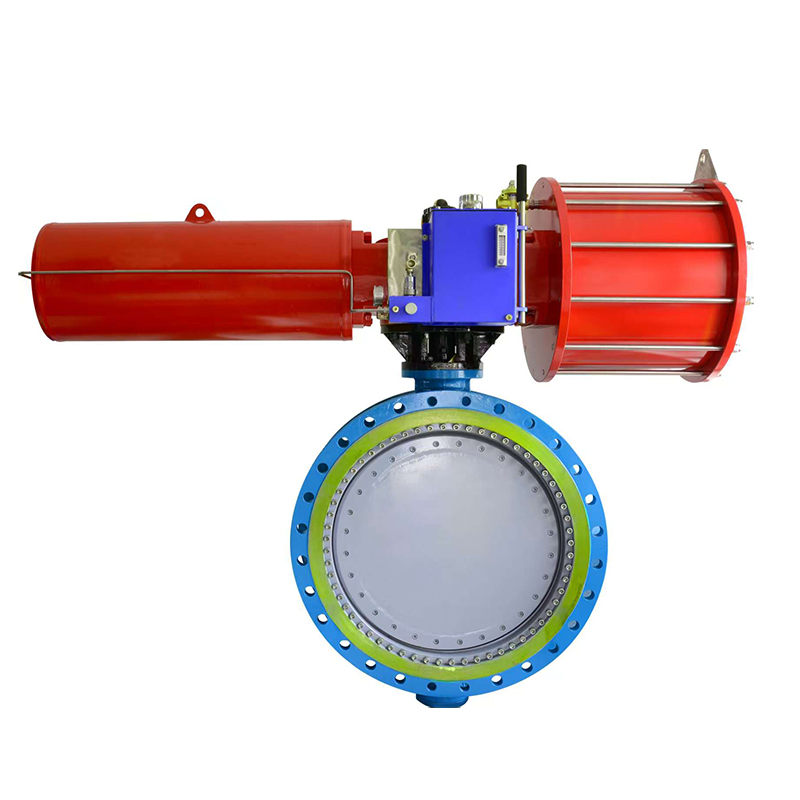
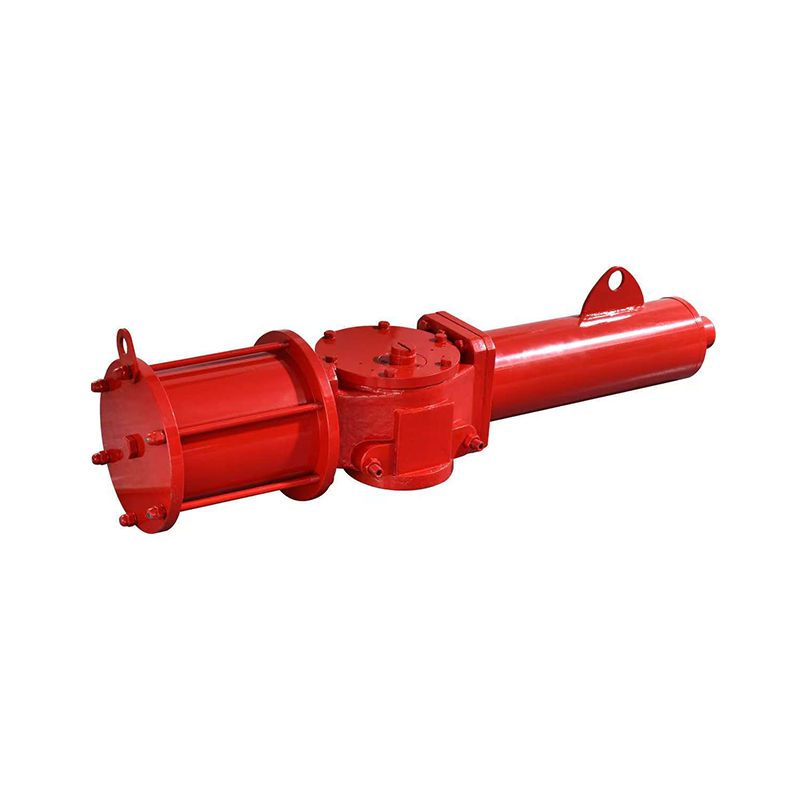
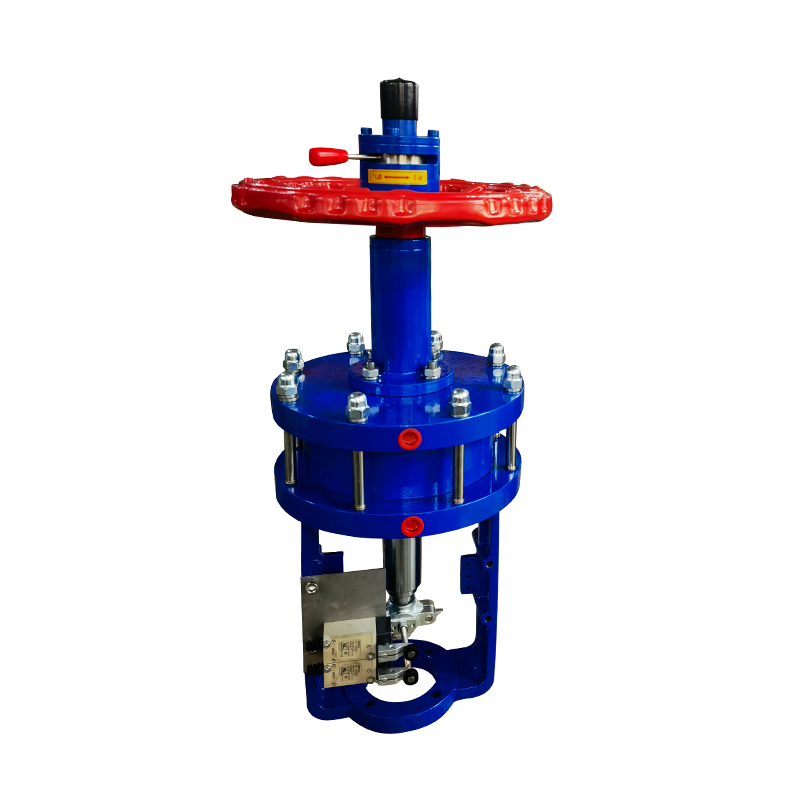
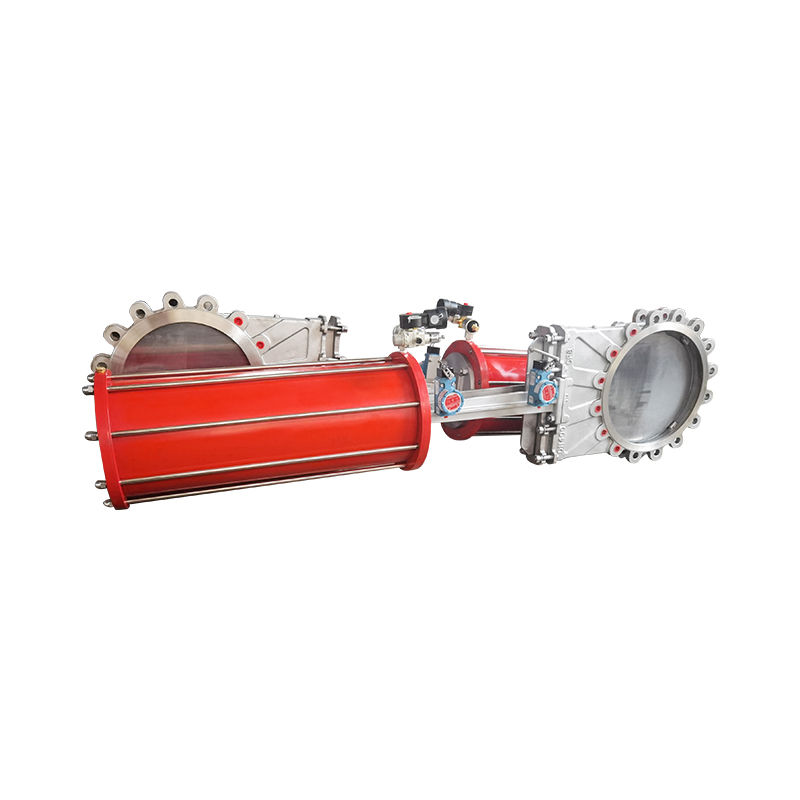
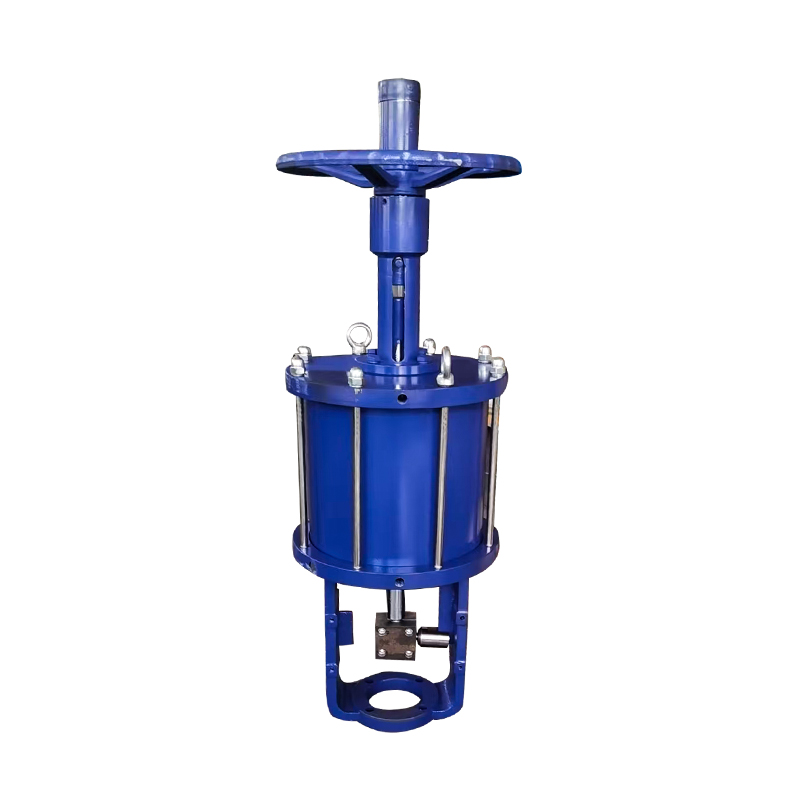
A Pneumatic Stop Valve is a type of valve that uses compressed air to operate its opening and closing mechanism. Unlike manually operated valves, it can respond quickly to control signals, allowing automated processes to maintain accurate flow rates and pressure levels. These valves are commonly integrated into automated pipeline systems, making them suitable for high-volume or safety-critical operations.
Key features include:
- Quick response to pneumatic signals
- Precise stop and start operation
- Ability to handle various fluids, including gases, liquids, and slurries
- Compatibility with industrial automation systems
Advantages of Using a Pneumatic Stop Valve
- Automation-Friendly – Works seamlessly with pneumatic control systems for consistent operation.
- Rapid Response – Opens or closes quickly, preventing accidental overflow or backflow.
- Durable Design – Constructed from materials like stainless steel or cast iron for corrosion resistance.
- Versatile Applications – Suitable for water treatment plants, chemical processing, HVAC systems, and manufacturing.
- Reduced Manual Intervention – Minimizes human error and enhances operational safety.
These characteristics make Pneumatic Stop Valves an appealing option for commercial and industrial buyers who need reliable and automated flow control.
Industrial Applications
Pneumatic Stop Valves are widely used in industries that require precise flow management:
- Water Treatment and Distribution – Control water flow and prevent contamination in municipal systems.
- Chemical Processing – Safely handle aggressive or corrosive liquids while ensuring accurate shutoff.
- Oil and Gas – Integrate into pipelines to maintain pressure and prevent leakage.
- HVAC Systems – Regulate airflow or fluid circulation efficiently in large facilities.
- Manufacturing Facilities – Automate production lines with precise fluid control for cooling, cleaning, or processing.
These valves enhance both operational efficiency and system safety.
Choosing the Right Pneumatic Stop Valve
When selecting a Pneumatic Stop Valve for industrial use, consider:
- Material Compatibility – Stainless steel, brass, or other materials suitable for the fluid type.
- Pressure and Flow Ratings – Ensure the valve meets system specifications to avoid failure.
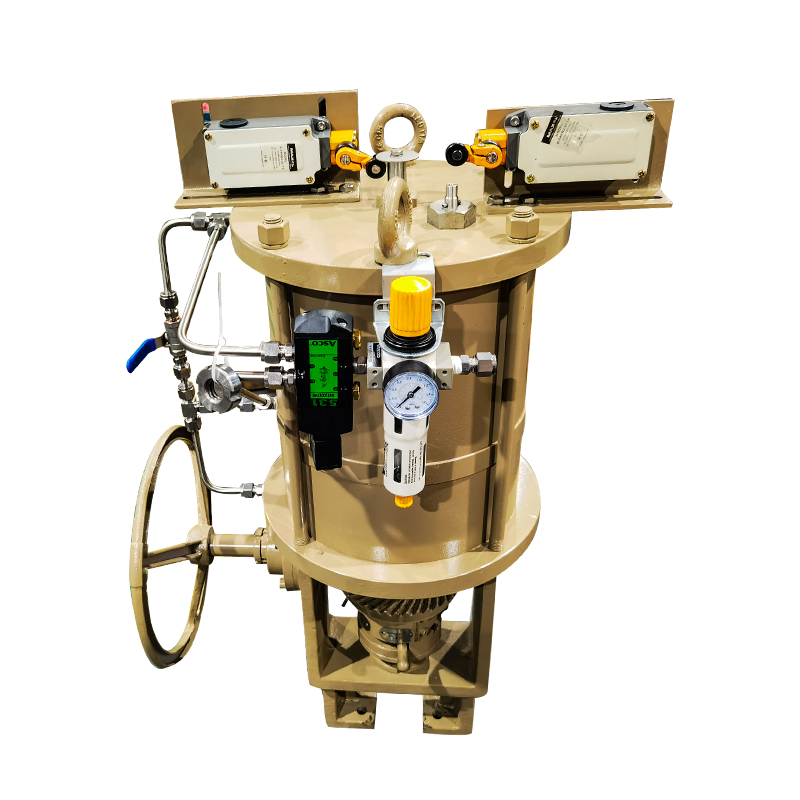
- Actuator Type – Single-acting or double-acting pneumatic actuators depending on application.
- Control Integration – Compatibility with PLCs or pneumatic control systems for automation.
- Maintenance Requirements – Easy access to seals and moving parts reduces downtime and costs.
Correct selection ensures consistent performance, safety, and durability.
Maintenance Tips
Proper maintenance is essential for Pneumatic Stop Valves:
- Regular Inspection – Check seals, actuator function, and valve body for wear or corrosion.
- Clean Components – Remove debris or buildup that may affect operation.
- Lubrication – Use manufacturer-recommended lubricants for moving parts.
- Testing and Calibration – Periodically test to verify response times and full closure.
Routine care maintains operational reliability and prolongs service life.
Why Industries Choose Pneumatic Stop Valves
A Pneumatic Stop Valve offers precise control, rapid operation, and adaptability for automated systems. Its durability and ease of integration make it suitable for diverse industrial applications. For procurement managers and industrial operators, investing in these valves ensures reliable performance, improved safety, and reduced manual labor, making it a practical component in modern pipeline systems.