

 English
 русский



What Design Factors Influence Stable Operation in Piston Pneumatic Valve Systems
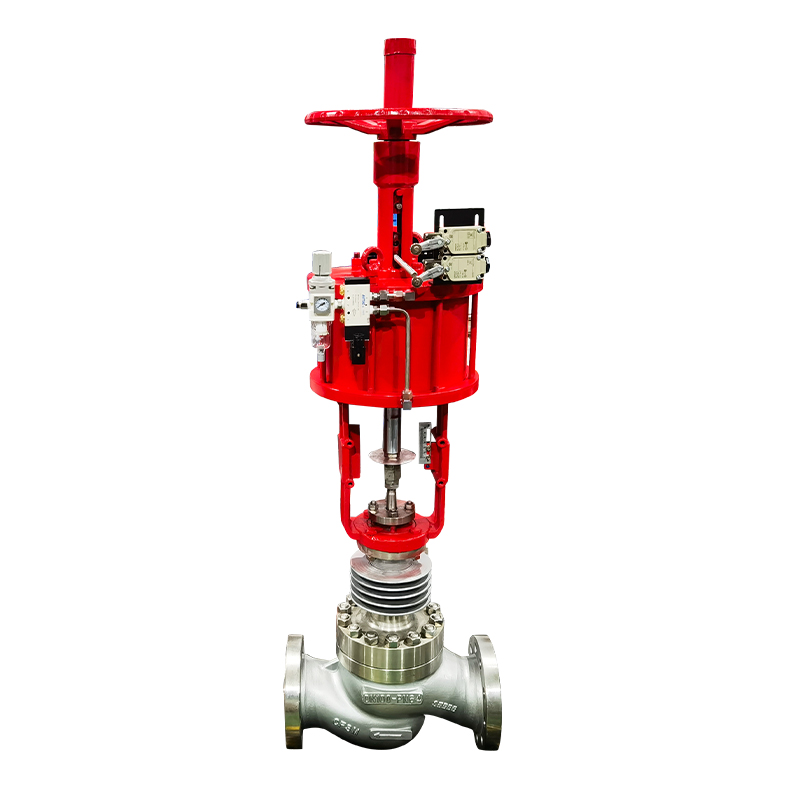
A stable Piston Pneumatic Valve usually depends on how well the internal parts work together during repeated movement. When the structure is balanced, the piston can move in a calmer and more consistent way, and the whole valve tends to behave more steadily in daily use. Small details often matter more than they seem at first glance. If the inside fit is uneven, or if the moving parts do not match well, the valve may feel less smooth during operation. In a Piston Pneumatic Valve, stability often comes from the relationship between alignment, contact, and motion control rather than from one single feature.
The main design concern is whether the valve can keep the same behavior after repeated switching. When the guide area is well matched, the piston is less likely to shift off its intended path. When surface contact stays even, the movement usually feels more predictable. When the internal space is controlled with care, the motion can remain steady for longer periods. For users, this
A Piston Pneumatic Valve with thoughtful internal design usually gives a more regular operating feel. That is why stability is often linked to the way each part supports the next one.
How Piston Movement Design Shapes Response Behavior in Pneumatic Valve Performance
The movement of the piston has a direct effect on how the valve responds when air pressure changes. In a Piston Pneumatic Valve, the piston does not work alone. Its travel path, contact surface, and guiding shape all influence how the valve reacts.
If the piston moves along a clean path, the response often feels more even. If the travel path has too much resistance, the action may become slower or less smooth. If the guiding area is shaped well, the change from one position to another can feel more controlled.
| Movement Design Aspect | Practical Effect |
|---|---|
| Travel path shape | Affects motion smoothness |
| Surface contact | Changes friction level |
| Guiding structure | Supports direction control |
| Transition area | Influences response behavior |
Which Sealing Structures Help Maintain Long Term Air Tight Function
| Sealing Structure | Typical Behavior |
|---|---|
| Elastic contact seal | Adjusts to small surface changes |
| Ring style seal | Supports a steady contact line |
| Multi contact design | Spreads contact more evenly |
| Reinforced edge seal | Helps reduce shape change |
Why Internal Flow Path Design Matters for Pressure Control
The internal flow path has a strong effect on how air moves through a Piston Pneumatic Valve. When the flow path is arranged with care, air can move more evenly through the body of the valve. When the path changes direction too suddenly, resistance can rise and the pressure feel less steady.
A careful internal layout helps the valve support a more controlled air route. The shape of the channel, the smoothness of the turning points, and the balance between entry and exit areas all influence the final behavior. In practical use, a well arranged flow path can help the valve feel more consistent and less strained.
Some design details that matter:
- Smooth transitions inside the channel
- Clear and balanced entry and exit paths
- Fewer sudden changes in direction
- Less disturbance where air enters or leaves
In a Piston Pneumatic Valve, flow path design is often easy to overlook, yet it can shape the way the whole system behaves. When the air path is calm and direct, the valve usually has an easier time doing its job.
How Material Selection Affects Service Life in Design
Material selection has a direct influence on how a Piston Pneumatic Valve behaves over time. Inside the valve, different components are exposed to repeated motion and continuous contact, so the way materials respond under these conditions becomes important. Some materials hold their shape more steadily when force is applied repeatedly, while others may change slightly after long use. This difference can affect how smoothly the piston moves and how stable the internal sealing remains.
In a Piston Pneumatic Valve, the body, guiding areas, and sealing parts often experience different types of stress. If the material combination does not work well together, wear may appear unevenly, which can slowly affect movement consistency. On the other hand, when materials are chosen with similar working behavior in mind, the internal interaction tends to stay more balanced during repeated operation.
Key points that are usually considered include:
- Stability of shape under repeated force
- Surface behavior during continuous contact
- Compatibility between moving and fixed parts
- Response under changing working conditions
Which Design Choices Reduce Leakage Risk in Piston Pneumatic Valve Construction
Leakage in a Piston Pneumatic Valve is often related to how well the internal parts fit and interact during movement. Even small differences in alignment or contact can create conditions where air does not stay fully contained. Because the piston is always in motion, the sealing area needs to remain stable while still allowing smooth travel.
The way parts are assembled and matched plays an important role in controlling this behavior. When the internal spacing is too loose, air may escape more easily. When the fit is too tight or uneven, movement may become less smooth, which can also affect sealing over time. The balance between movement and sealing is usually where design attention is focused.
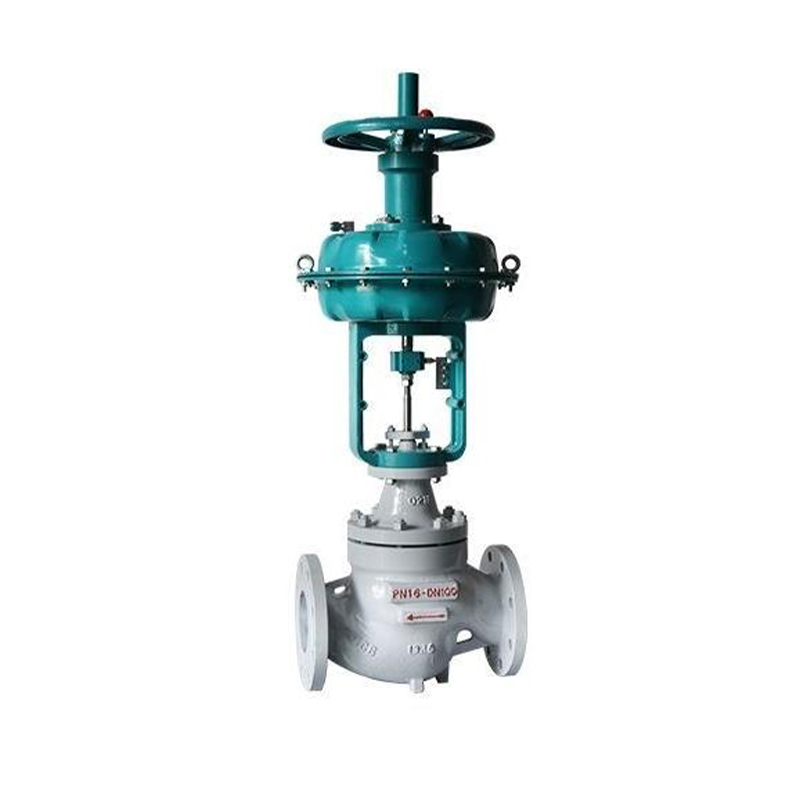
When Double Acting Piston Design Is Suitable for Pneumatic Valve Applications
A double acting configuration in a Piston Pneumatic Valve is typically used when movement needs to be controlled in both directions using air pressure. Instead of relying mainly on one directional force with a return mechanism, both forward and backward movements are guided in a more controlled way.
This type of structure is often considered when the application requires more consistent motion behavior during repeated switching. It can help the piston move with a more balanced feel, especially in systems where timing and repeatability are important. In many cases, it is chosen when mechanical return alone is not sufficient to maintain steady operation.
Ways to Improve Cycle Durability Through Structural Design in Piston Pneumatic Valve Systems
Cycle durability in a Piston Pneumatic Valve is influenced by how internal forces are managed during repeated operation. Each movement creates small contact interactions between surfaces, and over time, these interactions can affect how parts wear and move. If the force is not well distributed, certain areas may experience more stress than others, which can gradually change the movement behavior.
Design choices that support more stable long term operation usually focus on keeping motion smooth and reducing uneven contact between components. The way the piston is guided inside the body, and how the internal surfaces share load during movement, both play a role in how consistent the valve remains over time. When these elements are arranged with balance, the overall cycle behavior of a Piston Pneumatic Valve tends to stay more steady.
In industrial practice, this kind of structural coordination is often reflected in products developed by Zhejiang Wisley Automatic Valve Co., Ltd.