

 English
 русский



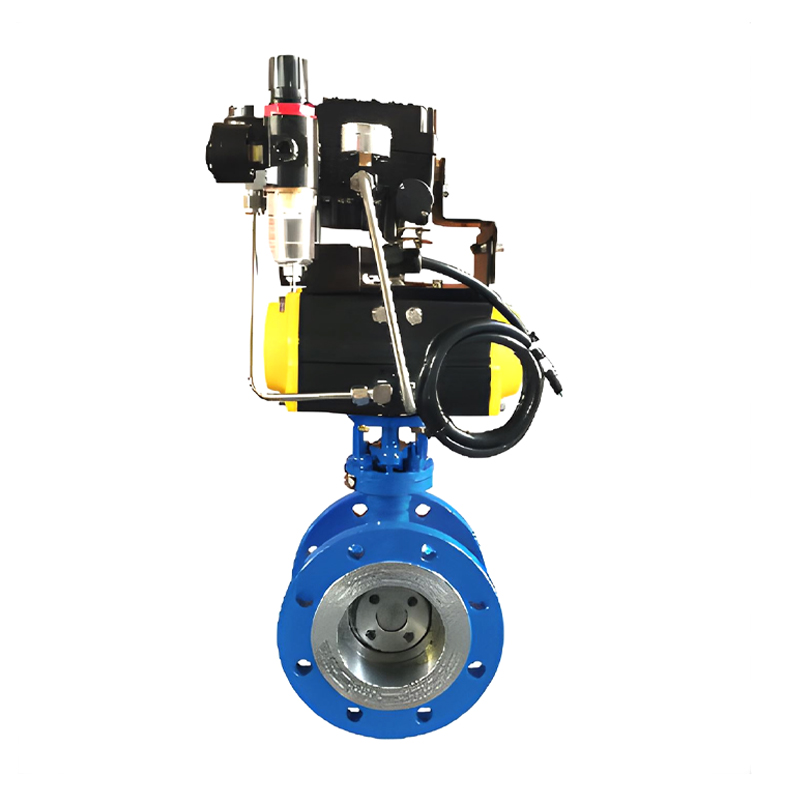
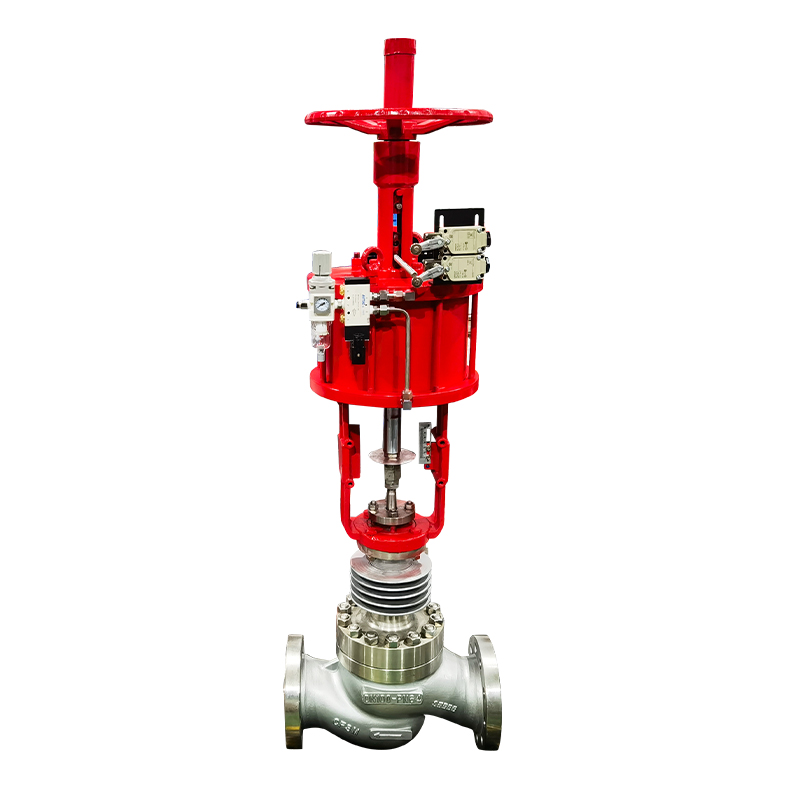
In industrial processes, controlling fluid flow safely and reliably is essential. A pneumatic butterfly valve is widely used in applications where fast, consistent, and automated operation is required. These valves are suitable for liquids, gases, and steam, making them versatile for chemical plants, water treatment facilities, and manufacturing industries.
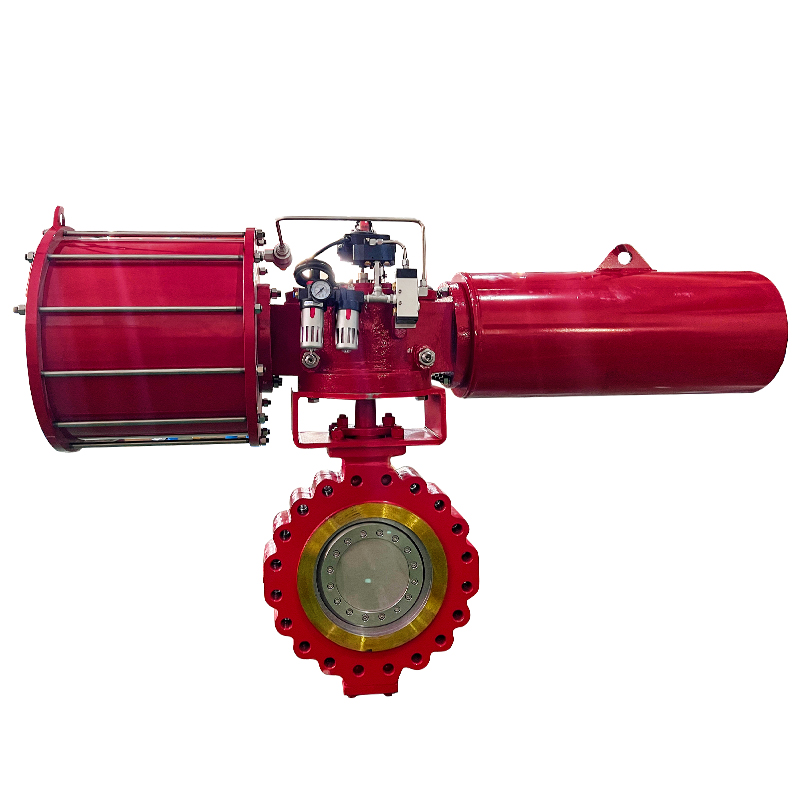
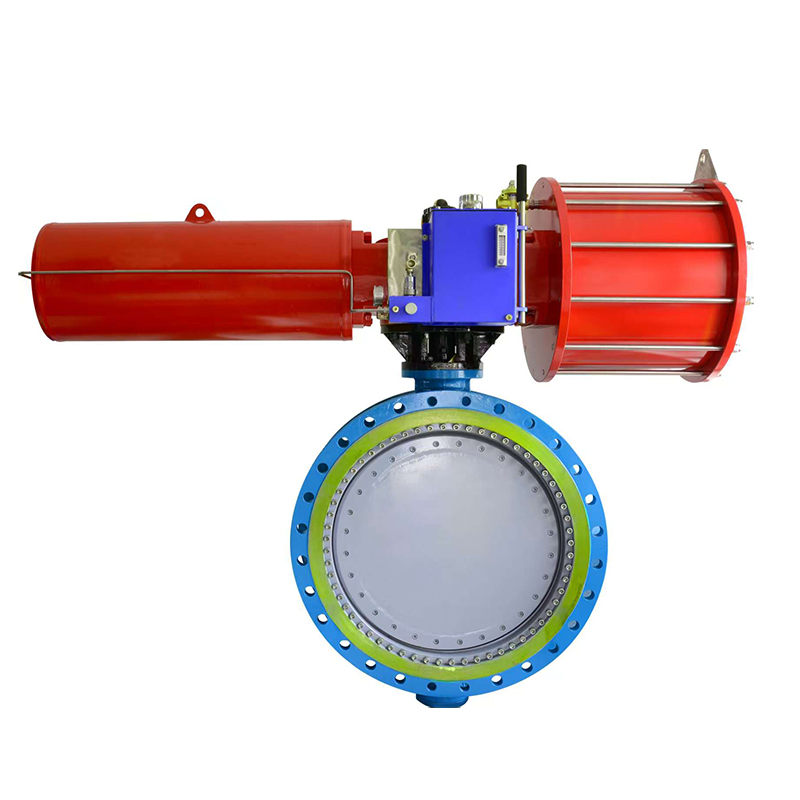
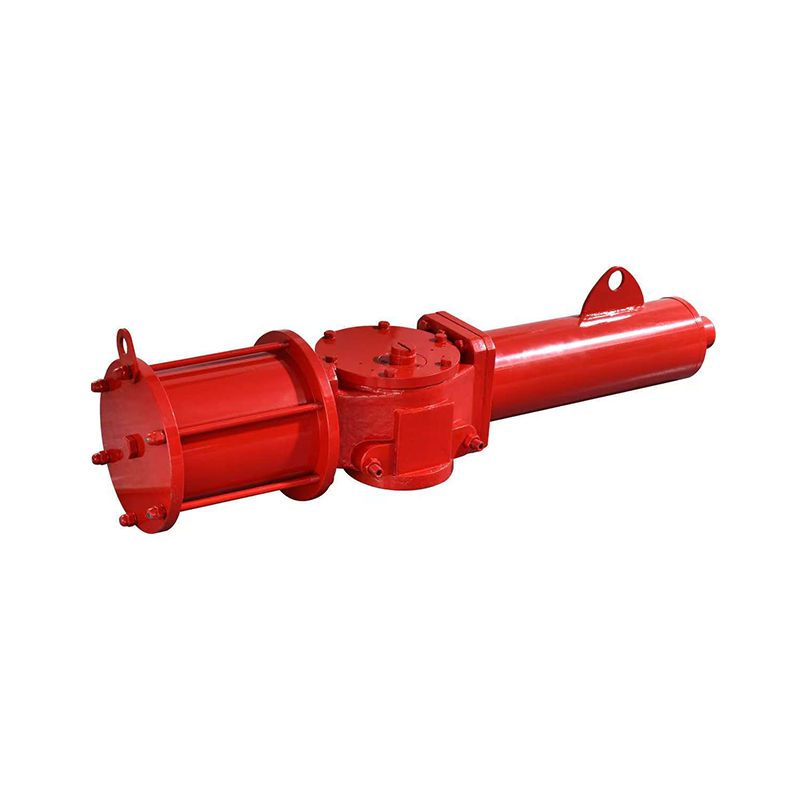
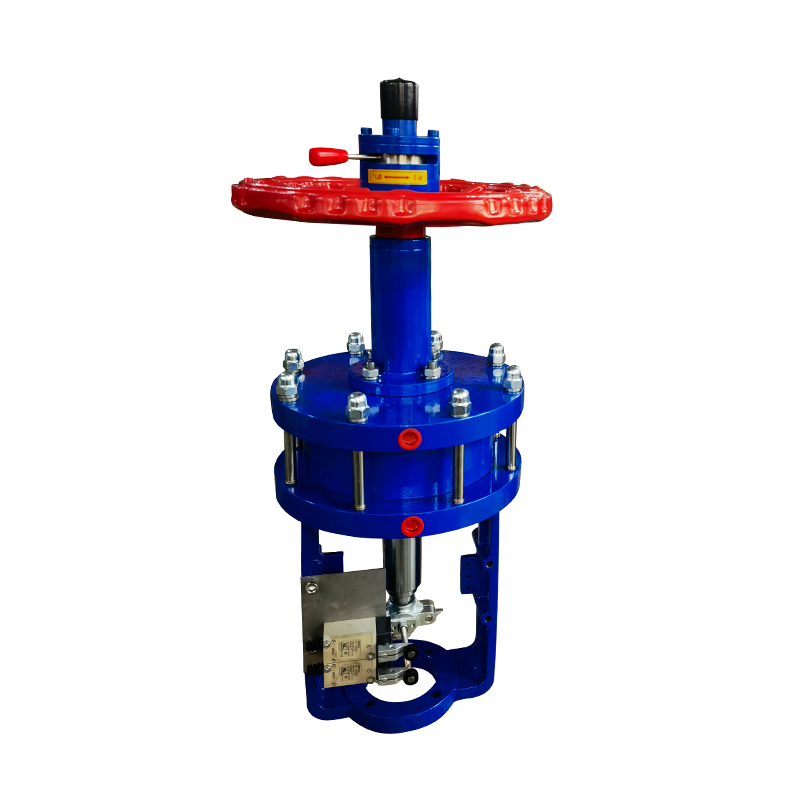
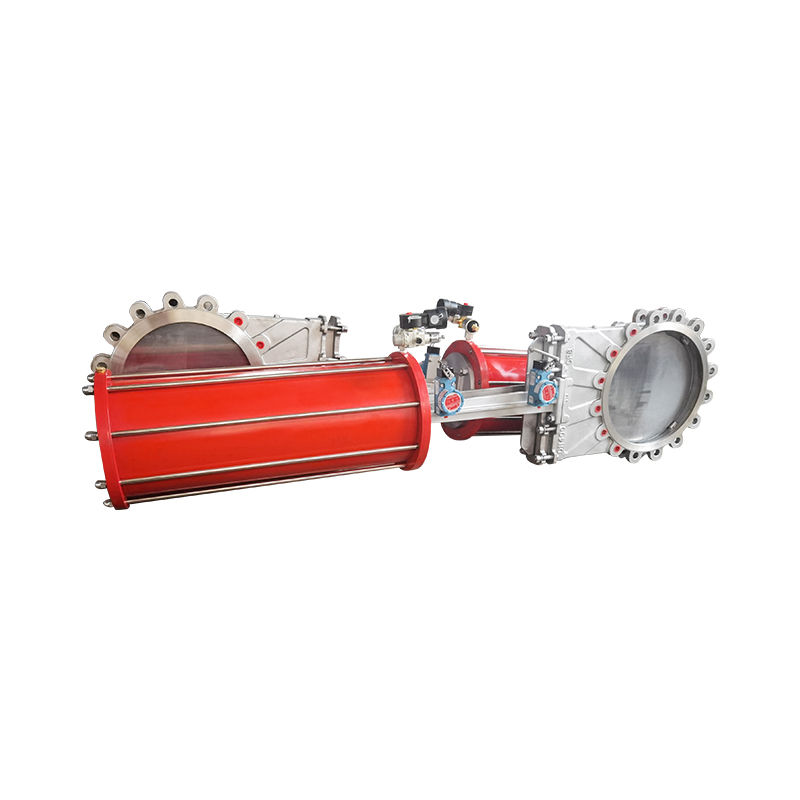
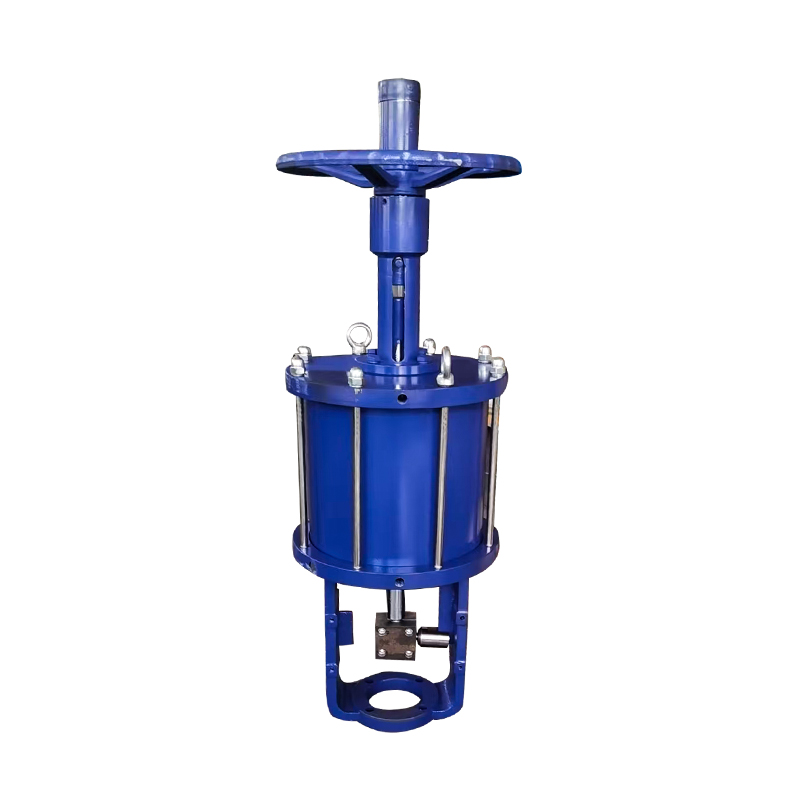
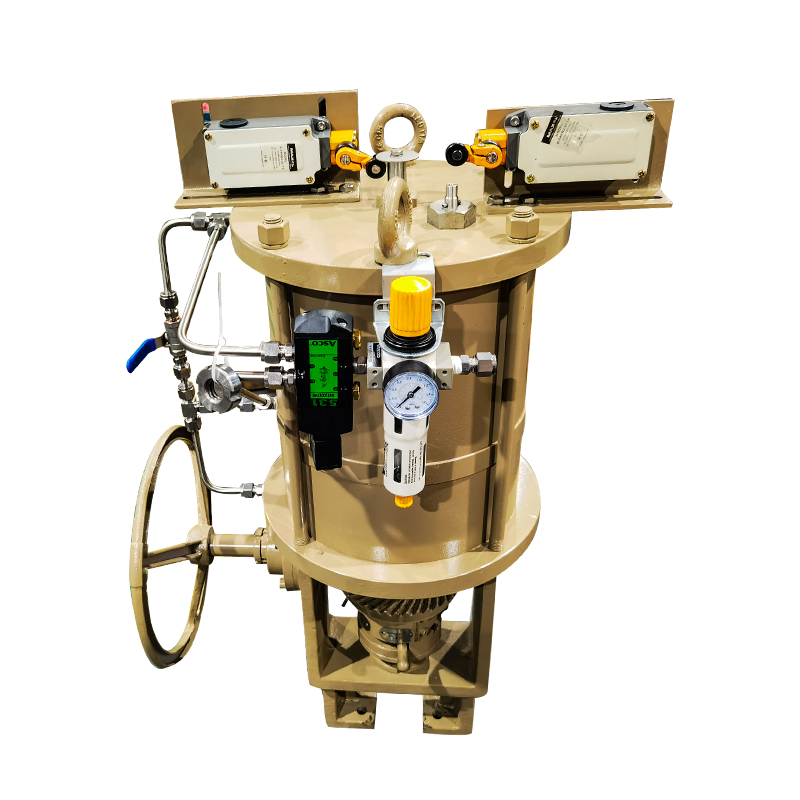
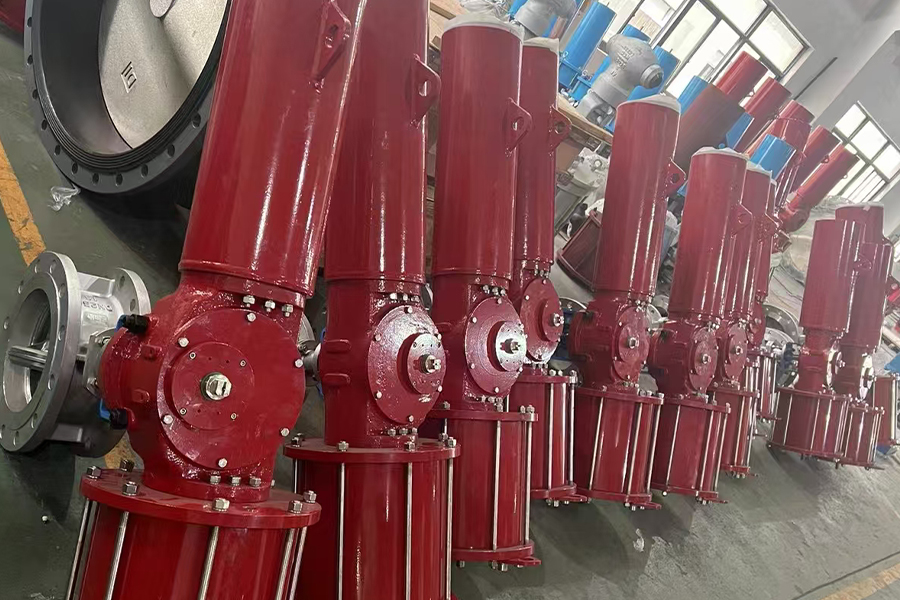
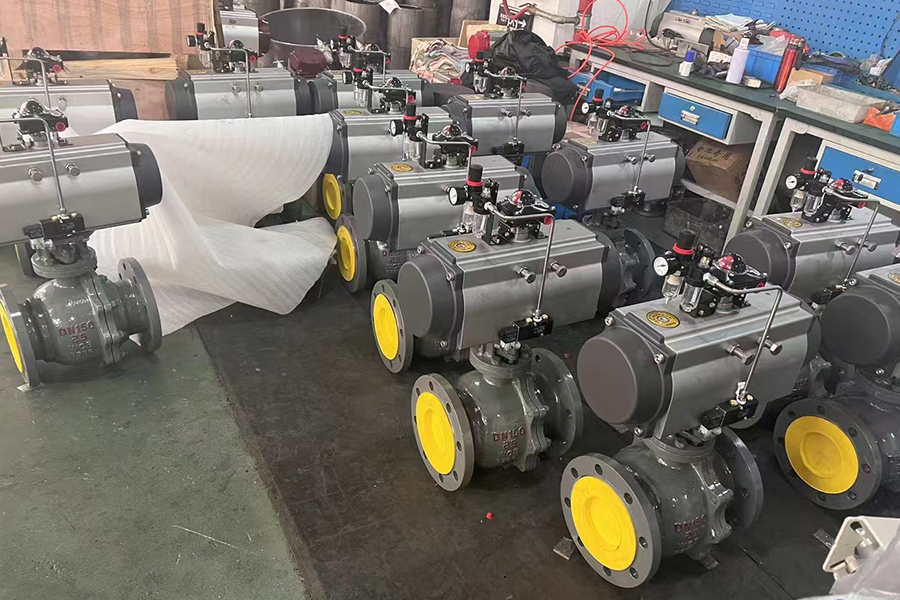
A pneumatic butterfly valve operates by rotating a disc inside the pipe to regulate flow. The valve is actuated by a pneumatic cylinder, allowing quick opening and closing without manual intervention. The design reduces the torque required compared to manual valves and allows integration with automated systems.
These valves are typically compact, lightweight, and capable of handling moderate pressure ranges. Their construction can include different materials such as stainless steel, carbon steel, or specialized alloys, depending on the fluid type and operating conditions.
Key Advantages for B2B Buyers
- Automated Operation – Pneumatic actuation allows precise control over opening and closing, reducing manual labor.
- Fast Response Time – The pneumatic mechanism enables quick valve movement, essential for process control.
- Durability – Designed to withstand frequent operation and harsh industrial environments.
- Versatility – Suitable for water, chemicals, steam, and other process fluids.
- Compact Design – Space-saving structure allows installation in confined areas.
For businesses, these advantages contribute to improved efficiency, reduced downtime, and safer operations.
Considerations for Purchasing
When selecting a pneumatic butterfly valve, industrial buyers should evaluate the following:
- Size and Pressure Rating – Ensure the valve fits the pipeline diameter and system pressure requirements.
- Material Compatibility – Materials must resist corrosion, abrasion, and chemical reactions with the process fluid.
- Actuation Type – Single-acting or double-acting pneumatic actuators can affect installation and control system design.
- Seal and Seat Design – Choose options that ensure reliable sealing, reduce leakage, and extend service life.
Proper evaluation ensures the valve operates reliably and meets operational needs over the long term.
Applications in Industry
Pneumatic butterfly valves are commonly used in various sectors:
- Chemical Processing – Control corrosive or high-temperature fluids safely and consistently.
- Water and Wastewater Treatment – Regulate water flow, filtration, and treatment processes efficiently.
- Food and Beverage Manufacturing – Maintain sanitary conditions while automating flow control.
- Power Generation – Manage steam, cooling water, and other auxiliary flows in industrial plants.
Their automated operation and reliability make pneumatic butterfly valves an essential component in modern industrial systems.
Maintenance and Operational Tips
Routine maintenance is important to ensure long-term performance. Inspect actuator performance, seals, and disc movement regularly. Lubricate moving parts as required, and replace worn seals promptly to prevent leakage. Proper maintenance reduces operational interruptions and extends the valve's service life.
A pneumatic butterfly valve provides reliable, automated, and durable flow control for industrial systems. For B2B buyers, understanding the appropriate size, material, actuator type, and seal design is critical to ensuring performance and efficiency. These valves are widely applied in chemical plants, water treatment facilities, food and beverage operations, and power plants, supporting safe and efficient fluid management. By integrating pneumatic butterfly valves, businesses can enhance process control, improve operational safety, and reduce maintenance costs.