

 English
 русский



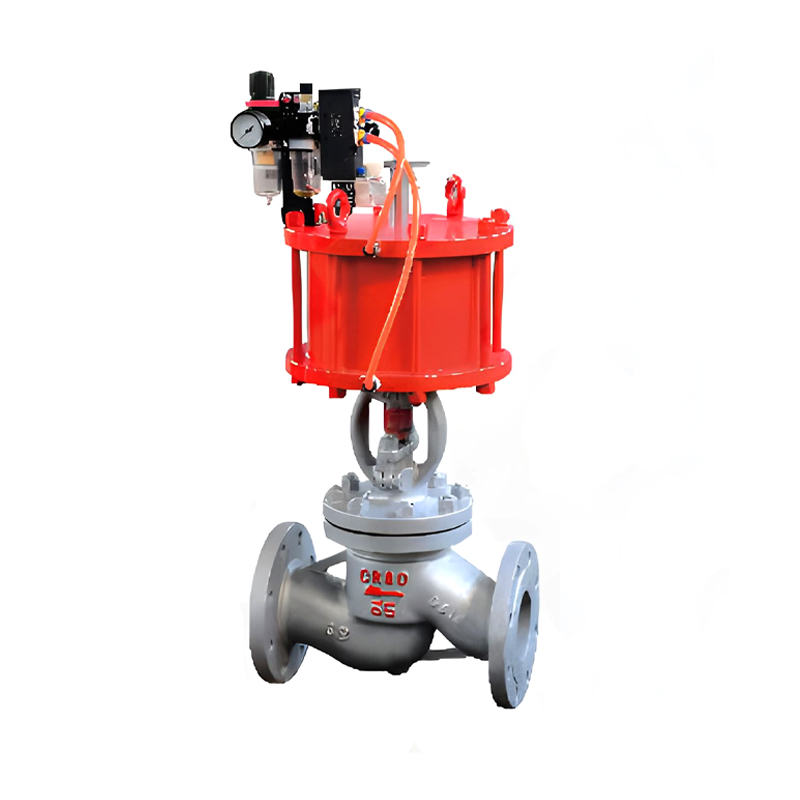
In industrial pipelines, controlling the flow of liquids and gases efficiently is crucial for operational safety and productivity. The pneumatic gate valve is a widely used solution that offers automation, reliability, and durability. By utilizing compressed air to operate the gate, these valves provide smooth operation and consistent performance in various industrial environments.
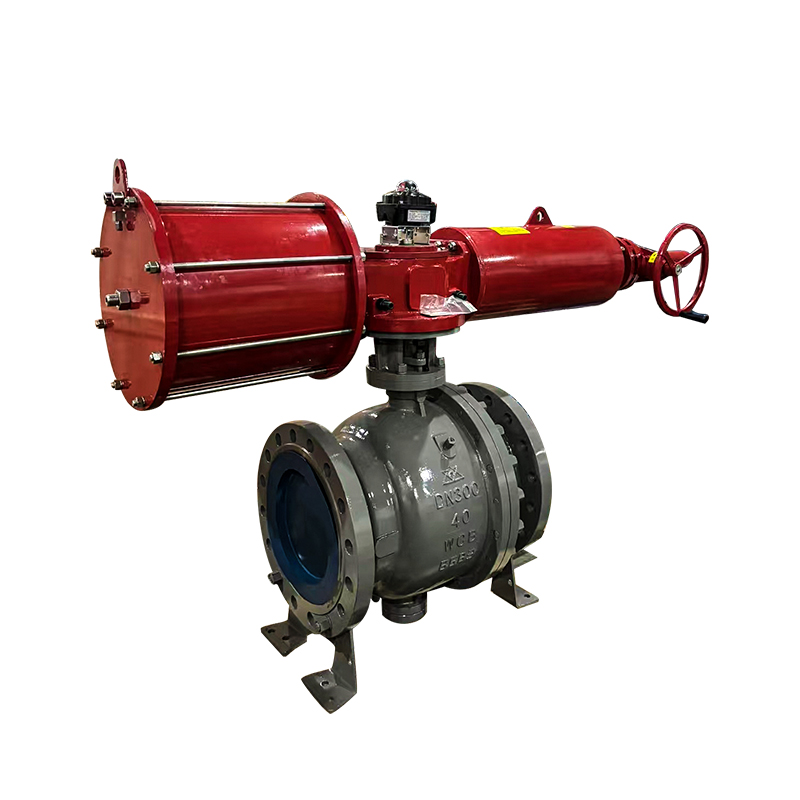
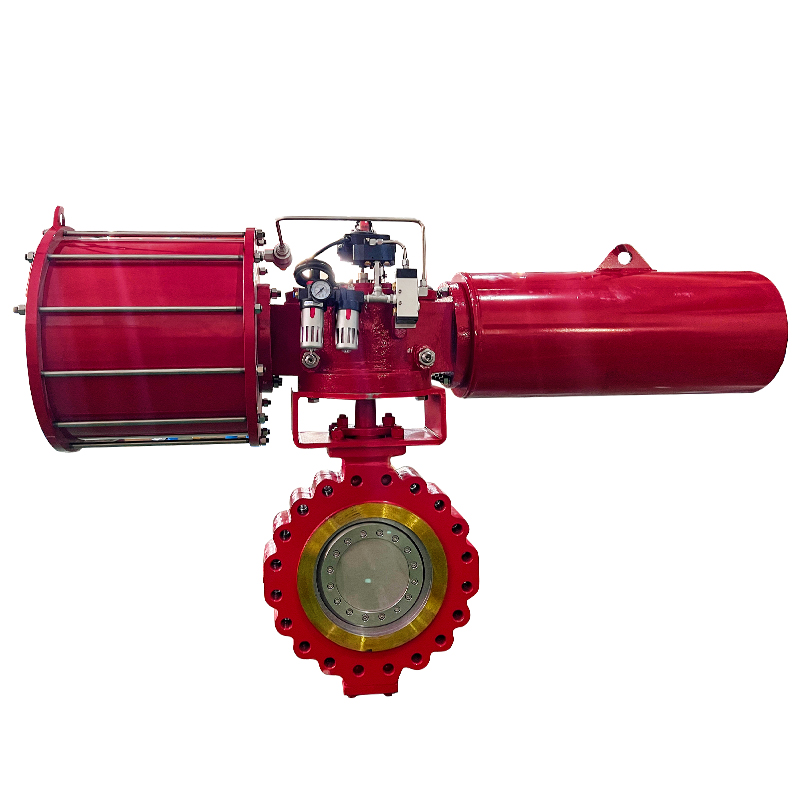
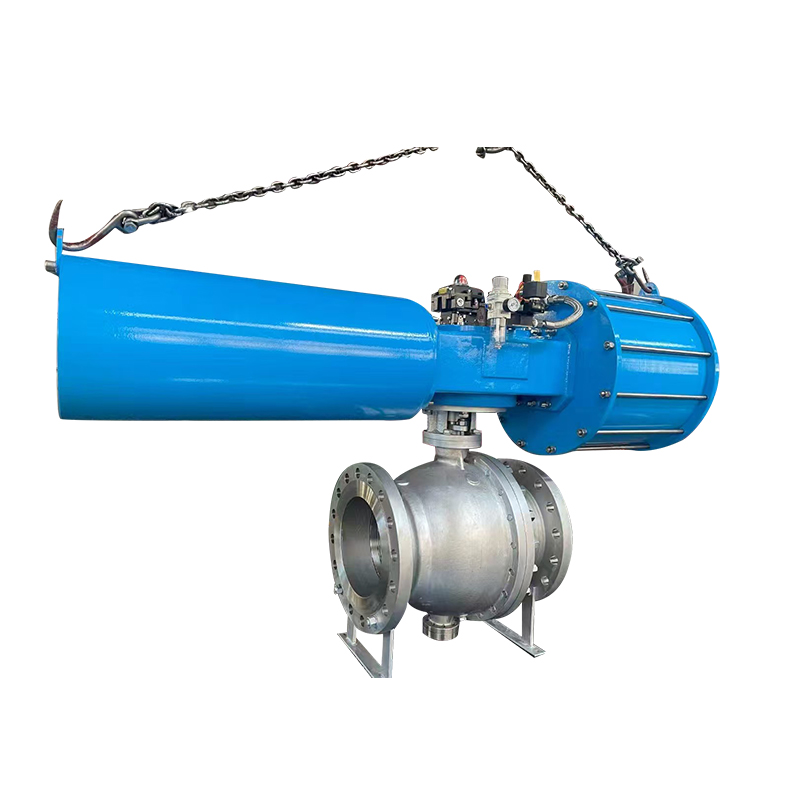
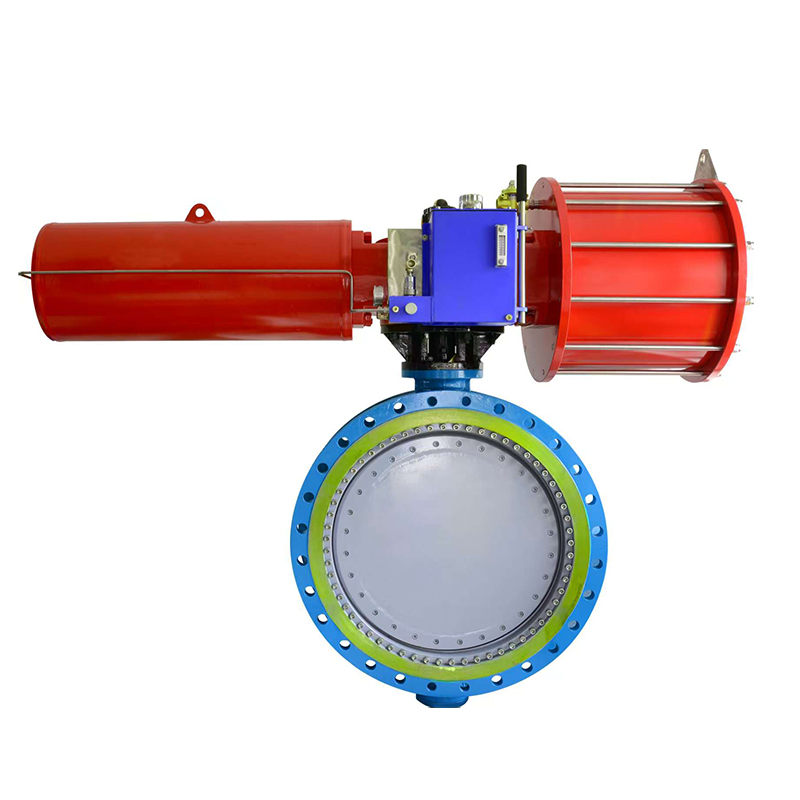
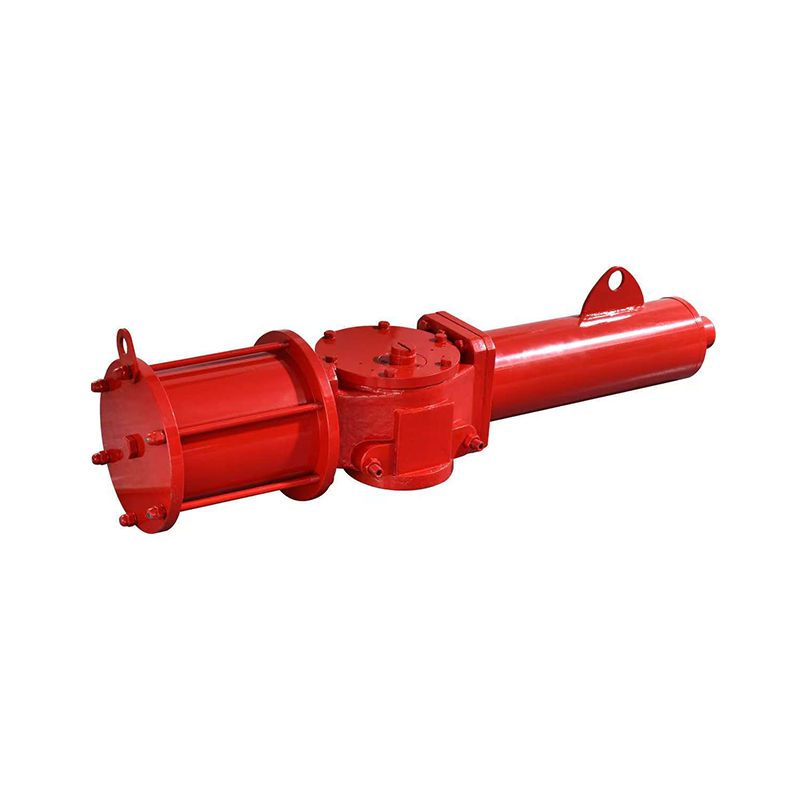
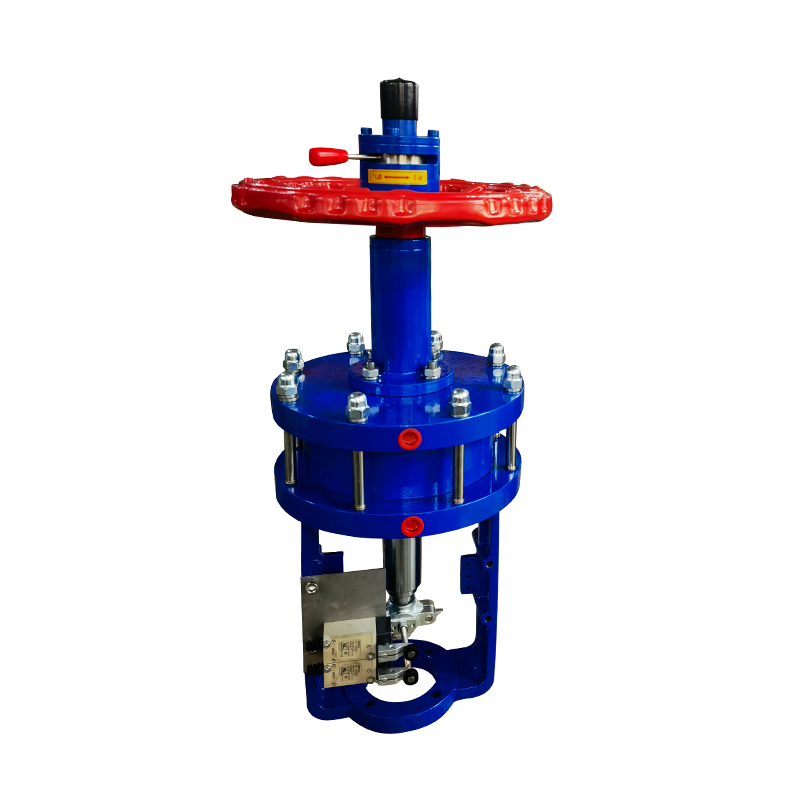
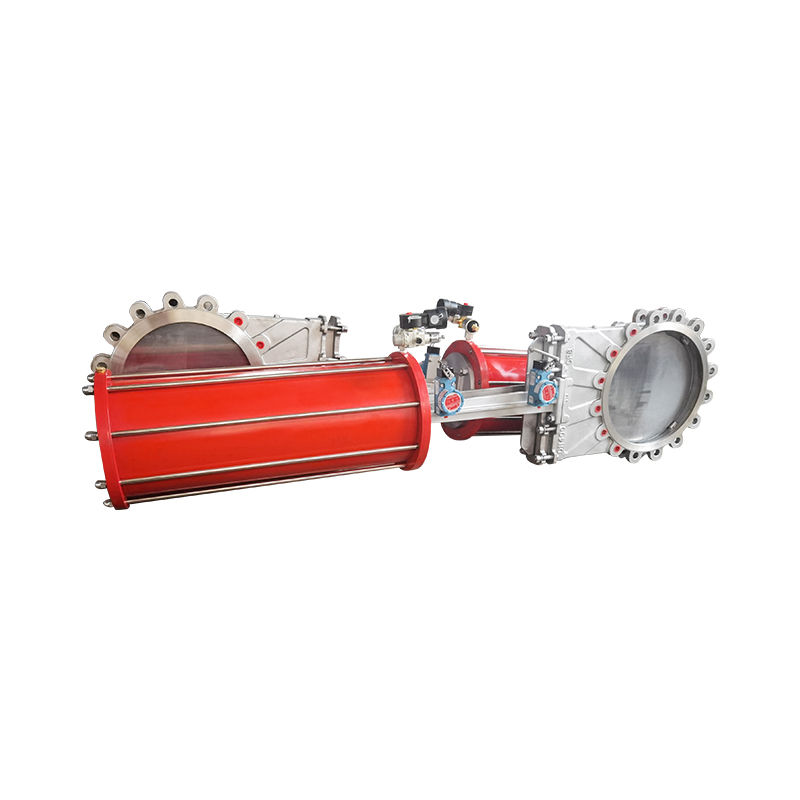
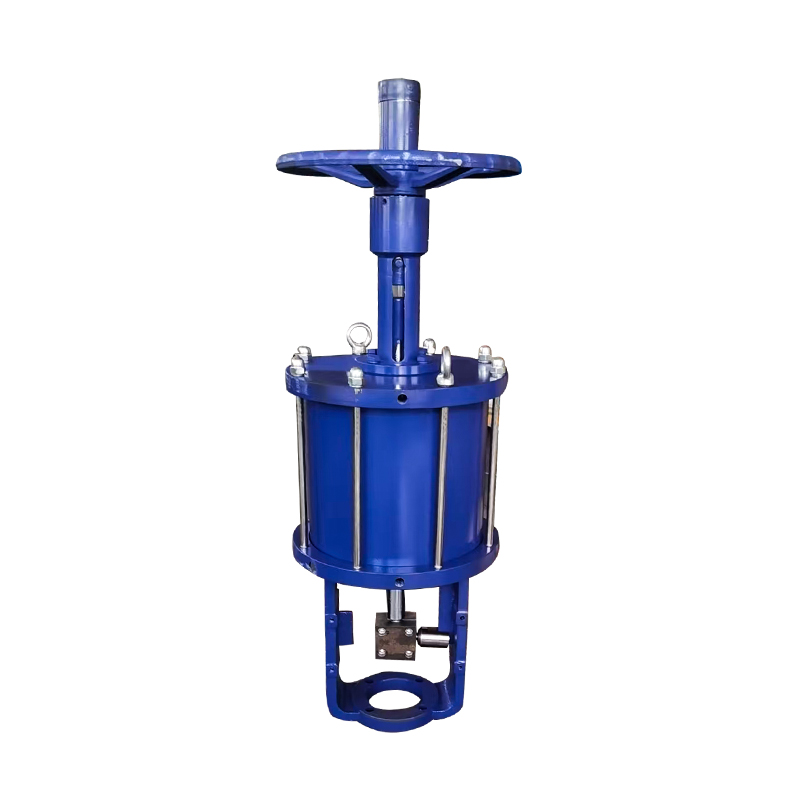
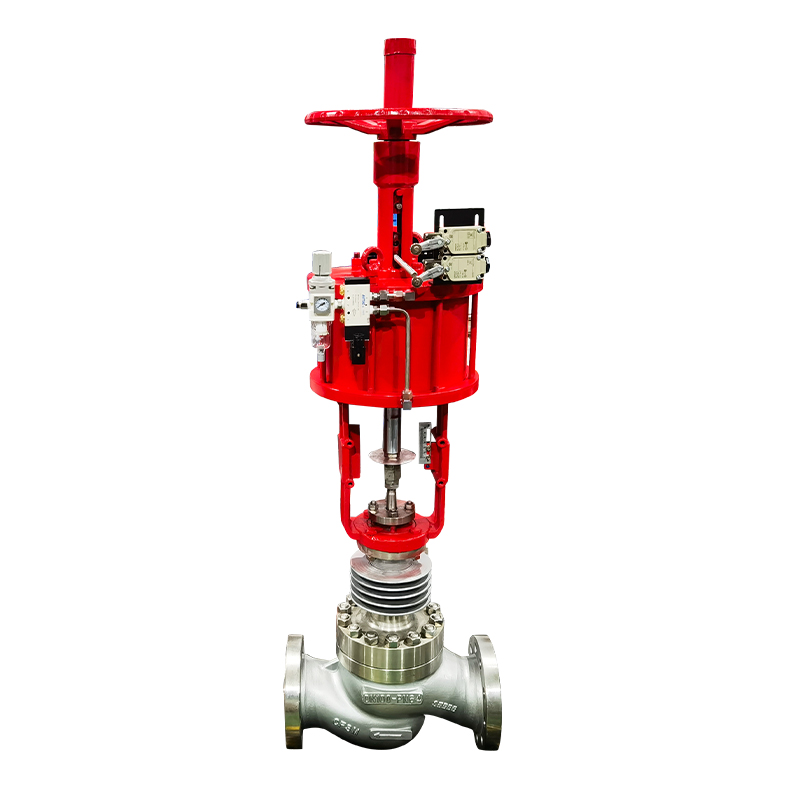
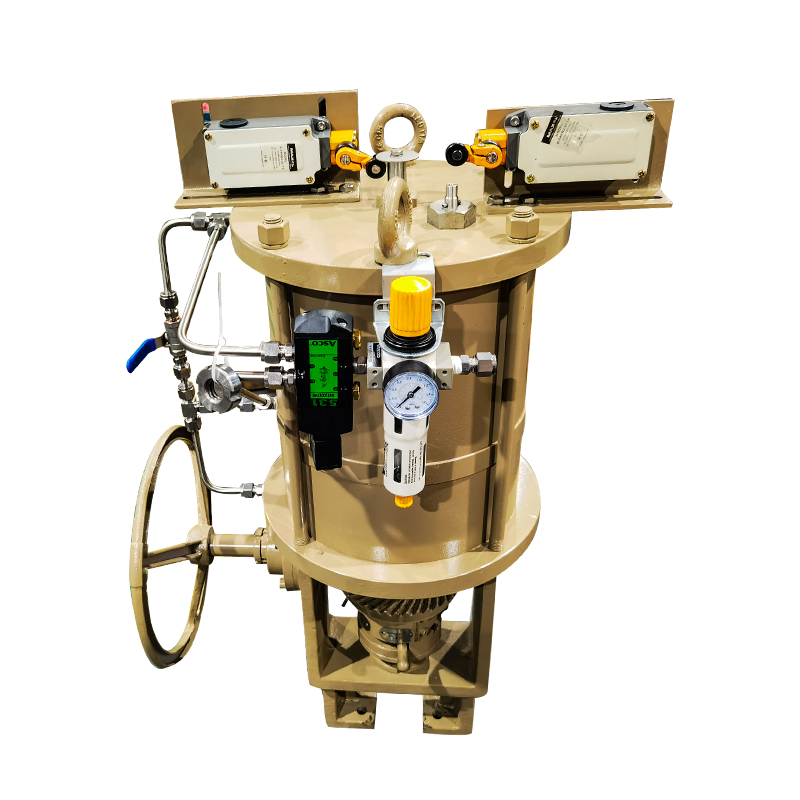
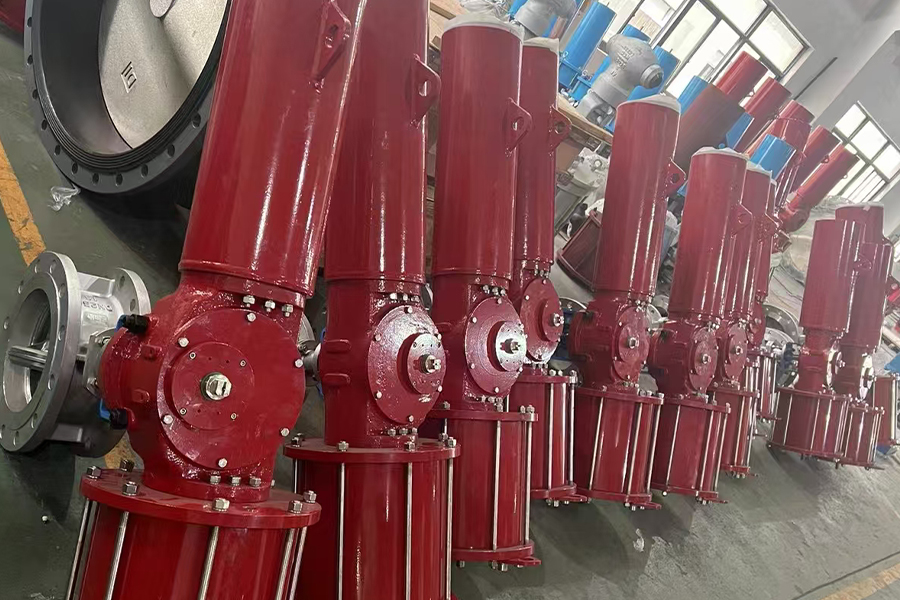
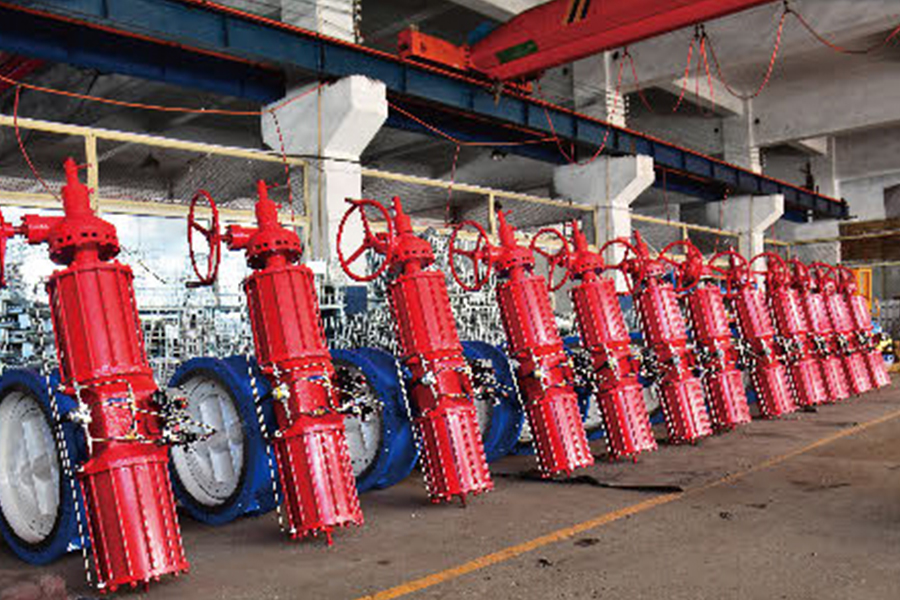
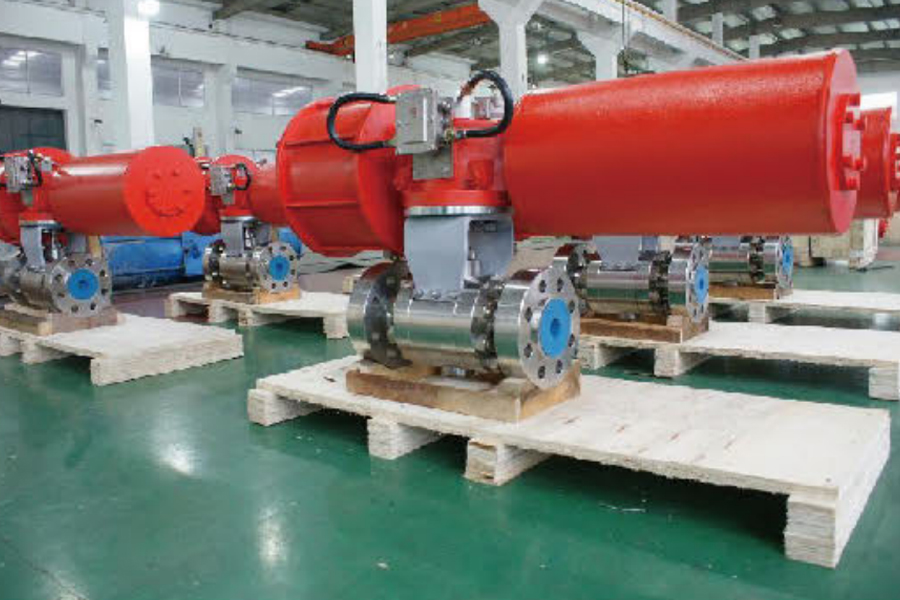
A pneumatic gate valve consists of a sliding gate mechanism controlled by a pneumatic actuator. Unlike manual gate valves, pneumatic versions allow remote operation, reducing the need for manual labor and improving safety in large or high-pressure systems. The actuator applies air pressure to move the gate up or down, opening or closing the flow channel.
These valves are suitable for water, oil, steam, and gas applications, making them adaptable across industries. Their simple structure also allows for easy maintenance and long-term operation without frequent adjustments.
Advantages in Industrial Operations
The pneumatic gate valve offers several advantages for commercial and industrial operators:
- Automation and Safety: Remote actuation minimizes the need for personnel to operate valves in potentially hazardous areas.
- Durable Sealing: A well-designed gate and seat ensure minimal leakage, maintaining system efficiency.
- Versatility: Capable of handling high pressures, temperatures, and different types of fluids, these valves are adaptable to various pipelines.
These benefits help companies reduce downtime, improve productivity, and maintain safe operations.
Design Considerations
When selecting a pneumatic gate valve, several factors should be considered:
- Material Compatibility: Materials should match the type of fluid to prevent corrosion and wear.
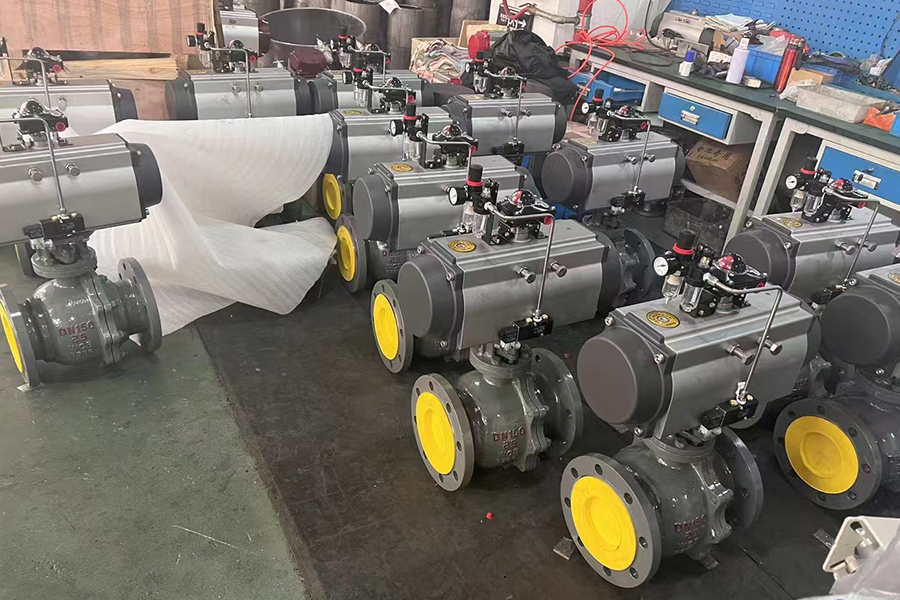
- Actuator Type: Single-acting or double-acting pneumatic actuators provide different operation styles depending on system requirements.
- Pressure Rating: Ensuring the valve withstands the system pressure is crucial for safety and longevity.
Understanding these design factors ensures reliability and helps businesses avoid operational disruptions.
Installation and Maintenance
Installing a pneumatic gate valve requires proper alignment with the pipeline and sufficient space for actuator operation. Regular maintenance focuses on inspecting the actuator, gate, and seat, and checking for air leaks. Because the pneumatic system is straightforward, replacement parts are widely available, and maintenance can be scheduled without major interruptions.
For B2B procurement, suppliers often offer bulk orders, spare parts support, and technical guidance, ensuring that operators maintain continuous flow without unexpected downtime.
Industrial Applications
The pneumatic gate valve is widely used in industries such as:
- Water Treatment: Controlling water flow in filtration and distribution systems.
- Oil and Gas: Managing crude oil, refined products, and natural gas pipelines.
- Chemical Processing: Handling corrosive liquids safely with appropriate materials.
- Power Generation: Regulating steam or cooling water in power plants.
Its adaptability and automation make it a practical solution for industrial operators requiring consistent performance.
Supporting Operational Efficiency
By integrating pneumatic gate valves, businesses can improve automation, reduce manual intervention, and maintain consistent flow control across pipelines. These valves support safe operations, minimize leakage, and provide flexibility for various industrial environments. For companies managing multiple sites, pneumatic gate valves can be connected to centralized control systems, simplifying monitoring and operation.
A pneumatic gate valve combines reliability, automation, and versatility to support industrial fluid control. Its durable construction, ease of operation, and compatibility with diverse applications make it a valuable investment for commercial and industrial operators seeking efficiency, safety, and consistency.