

 English
 русский



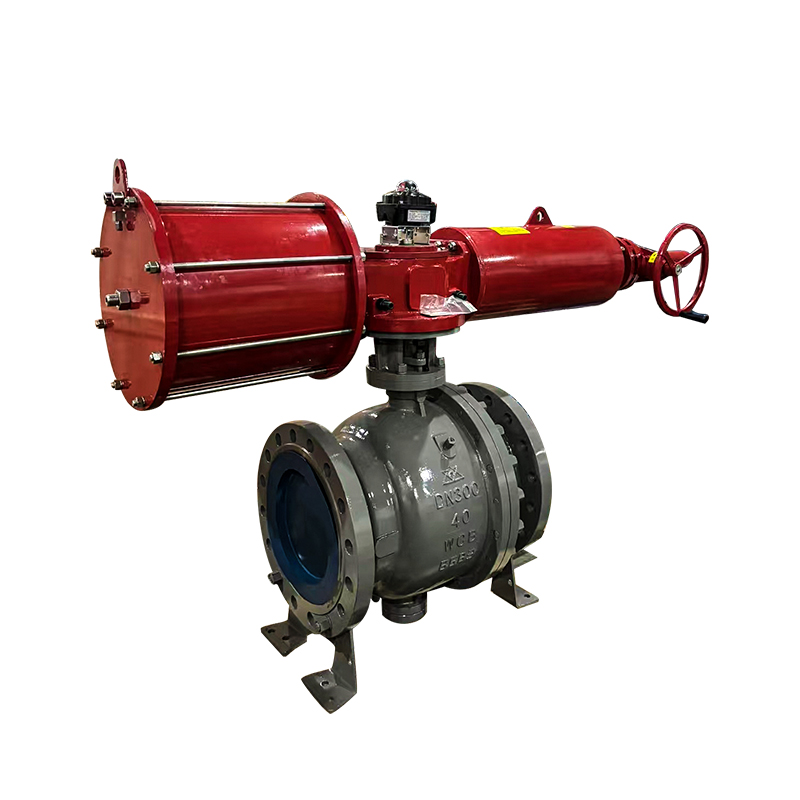
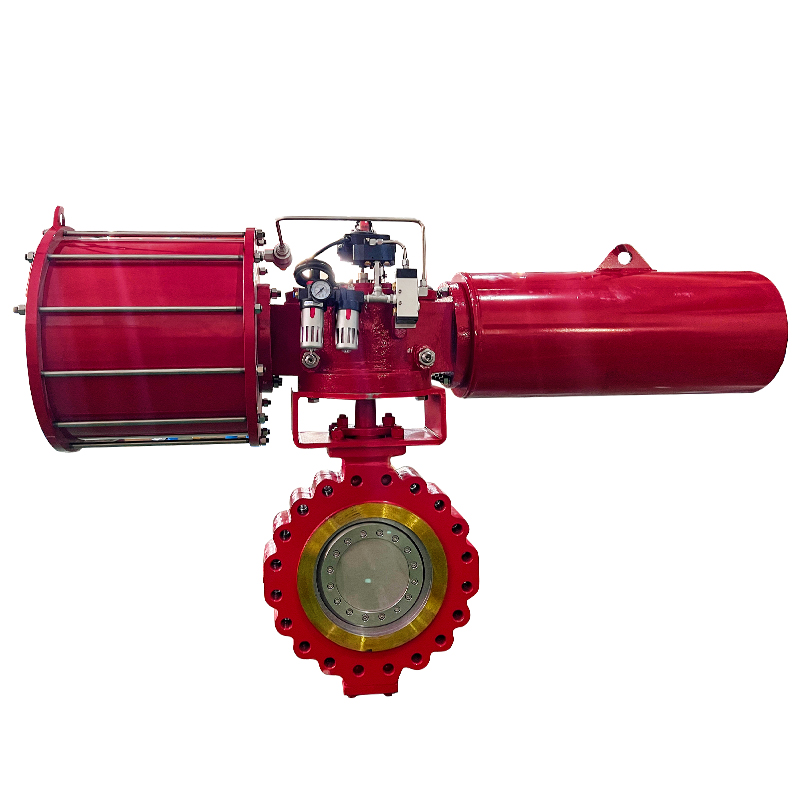
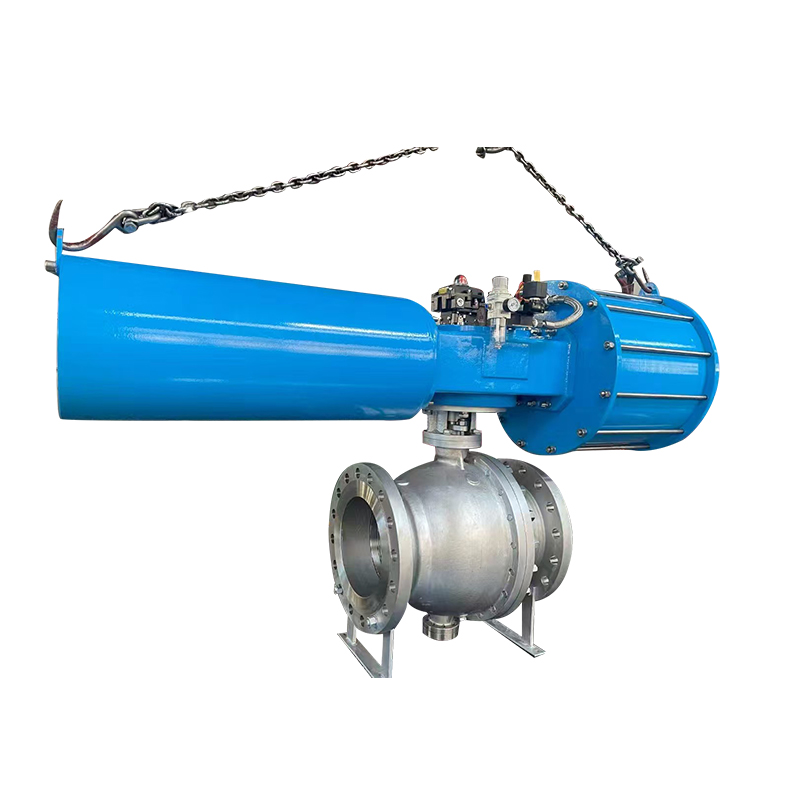
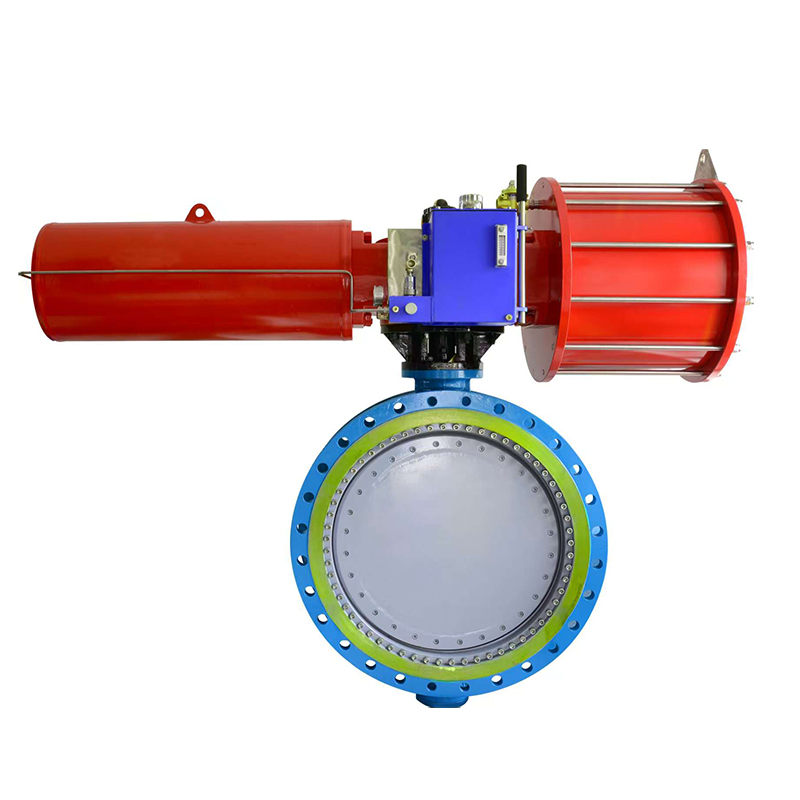
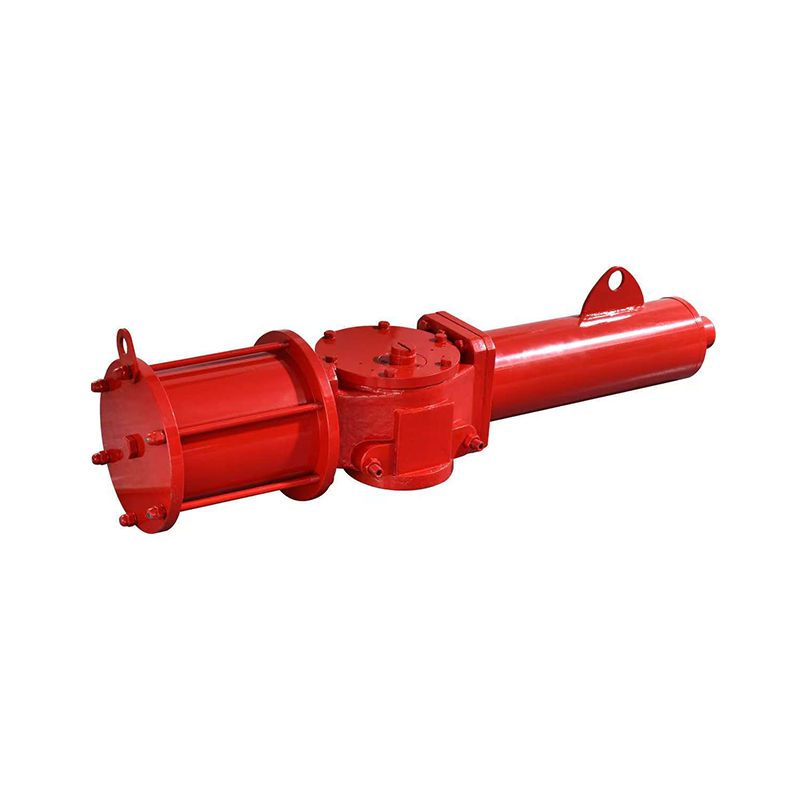
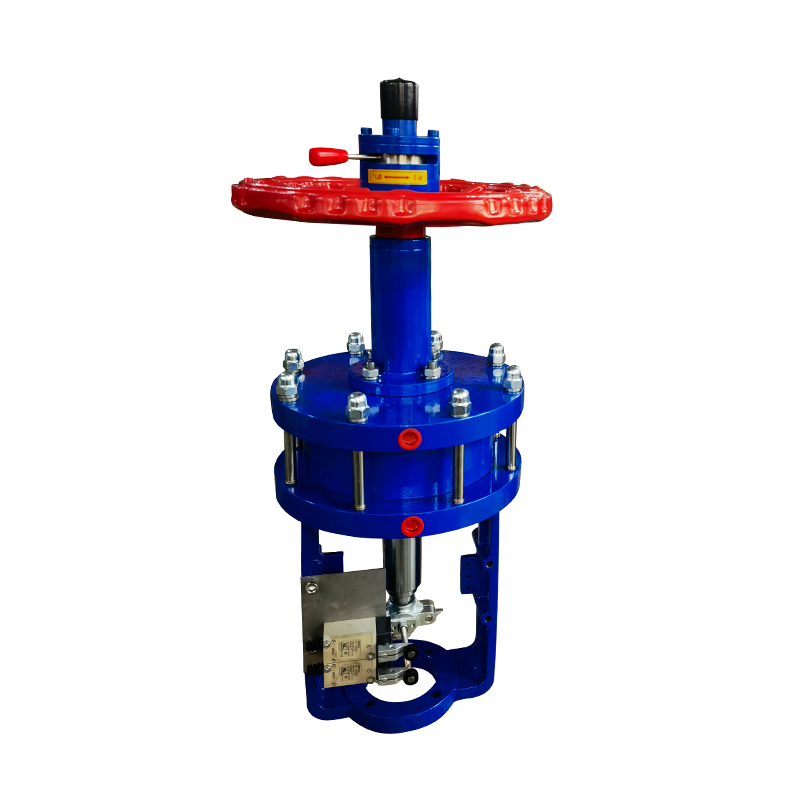
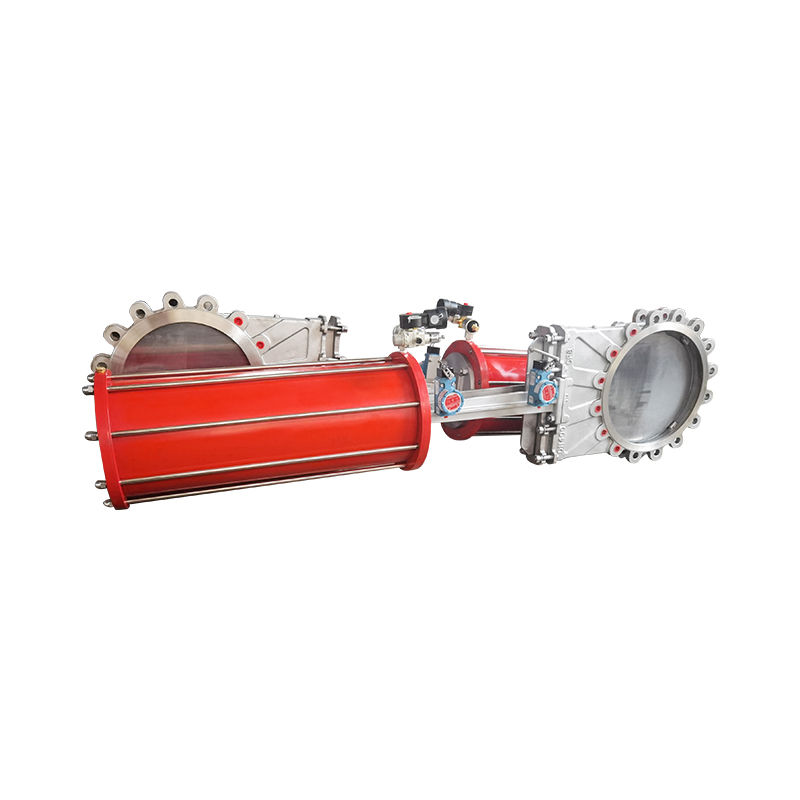
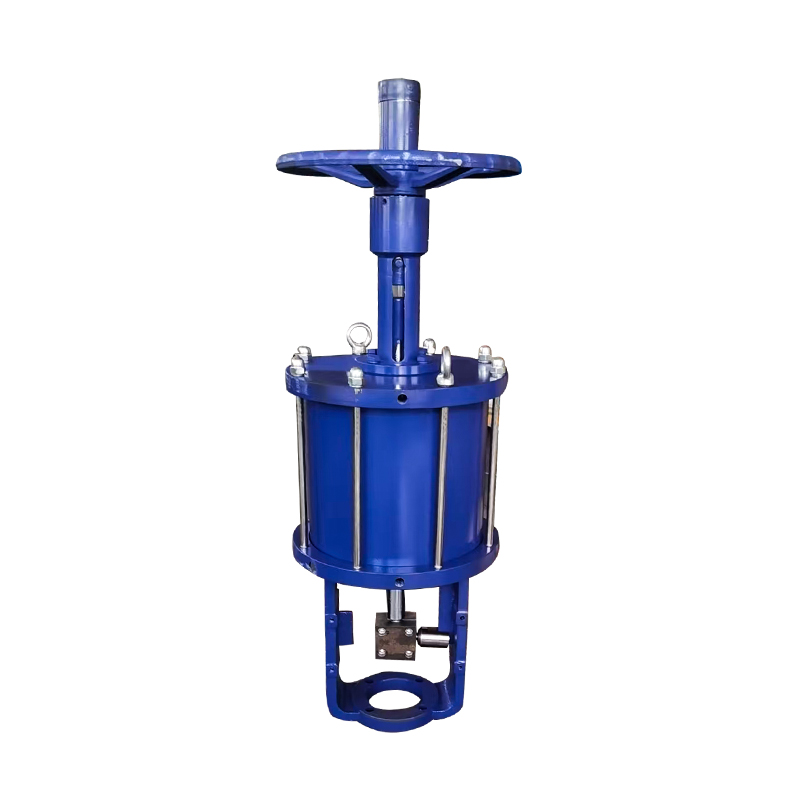
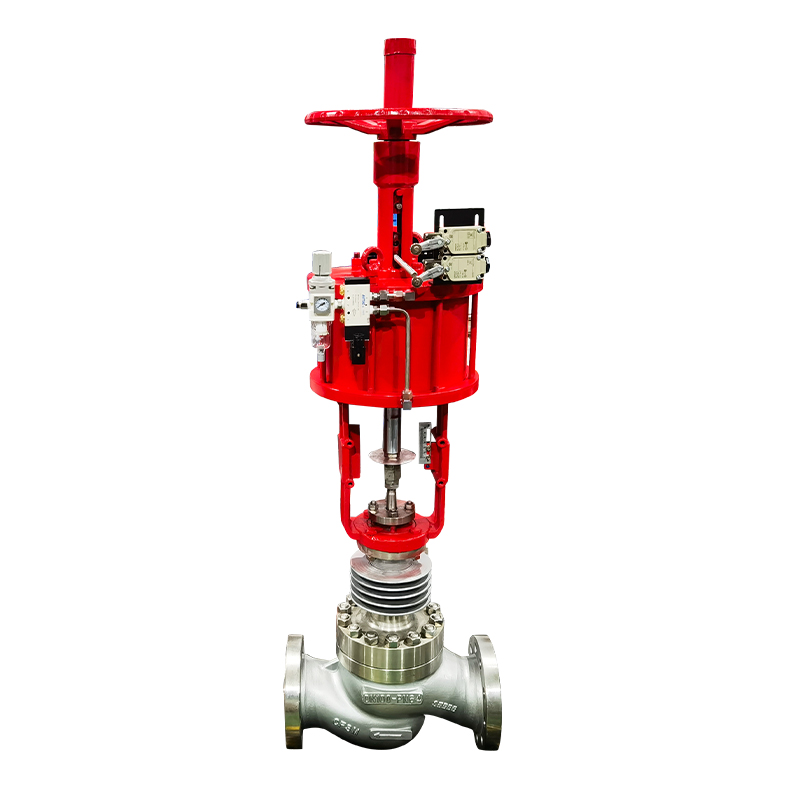
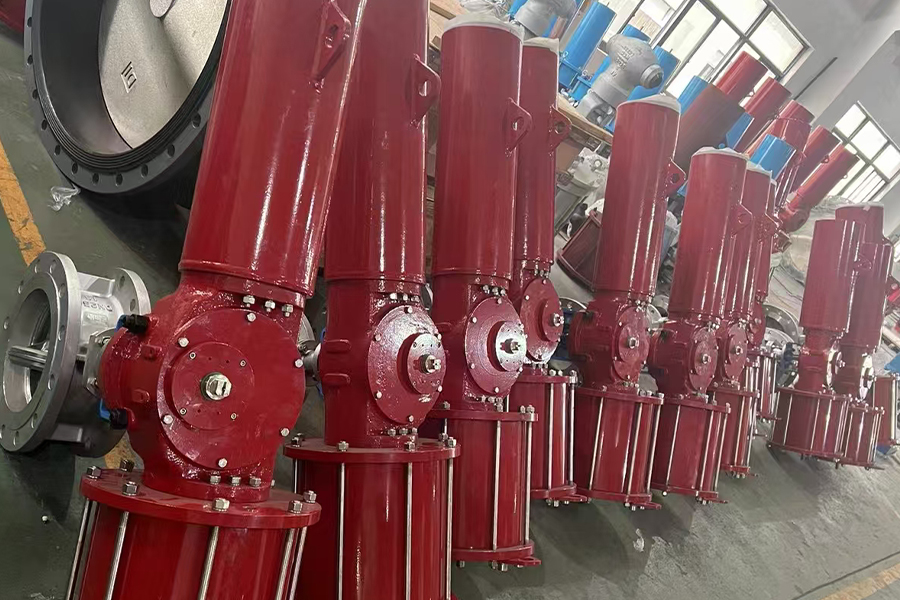
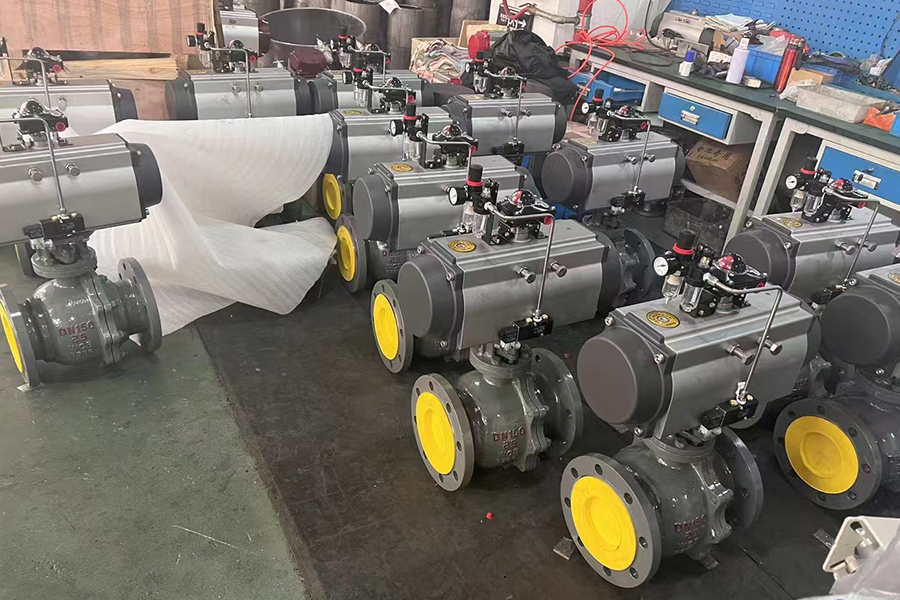
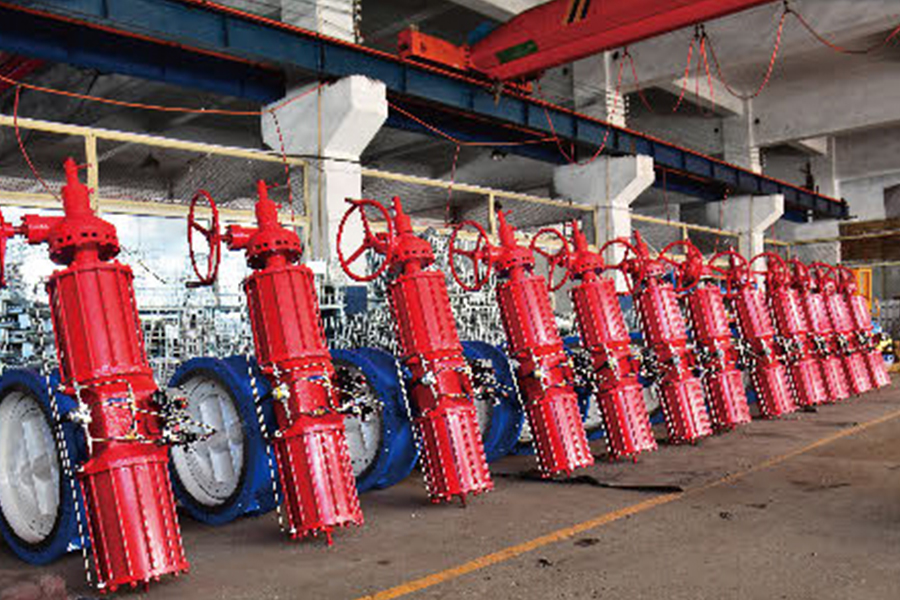
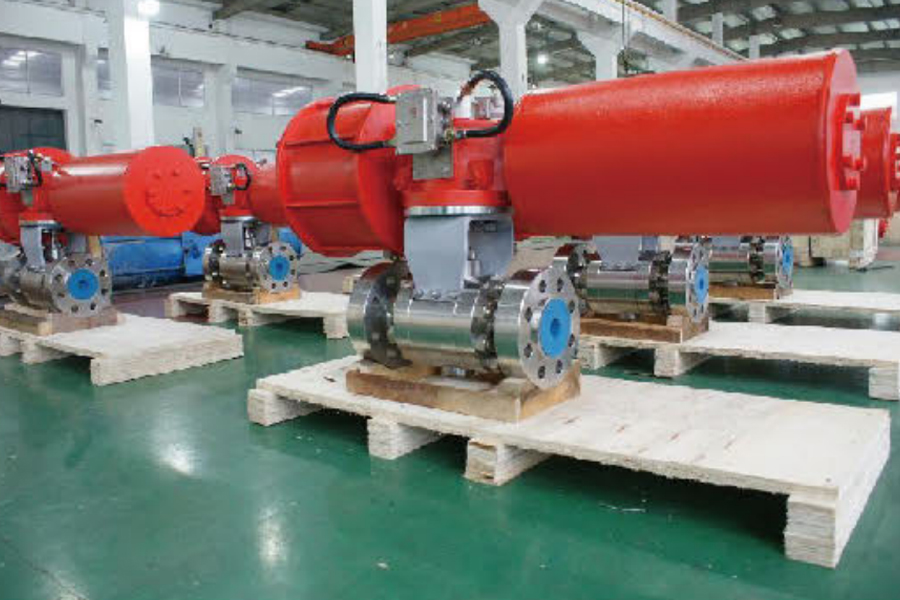
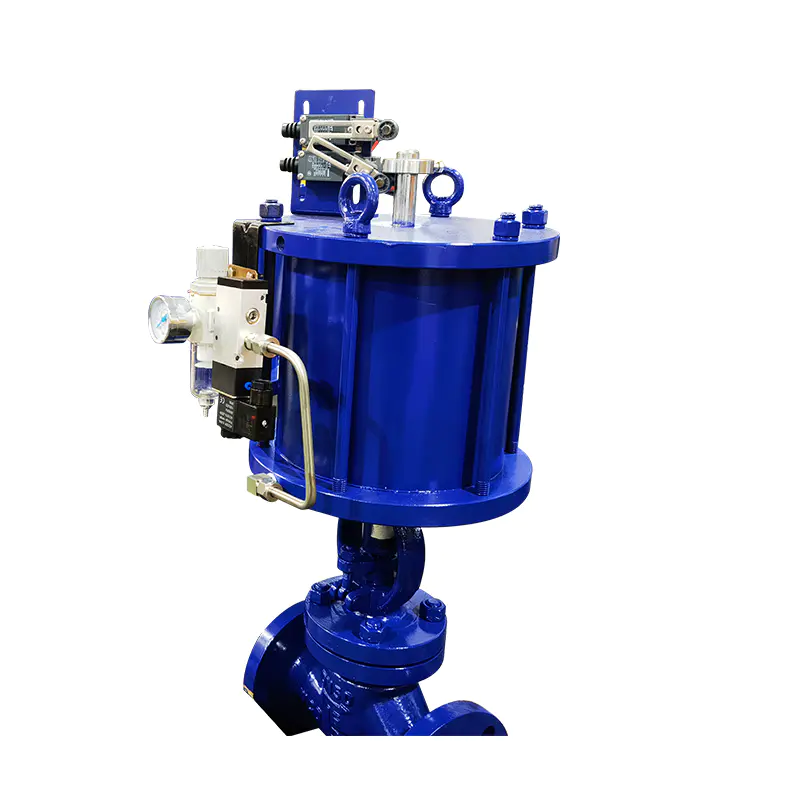
In many industrial environments, valve control still depends on manual operation, and on paper it often looks acceptable because the mechanism itself is simple and familiar. Yet in real operating conditions, things rarely stay that clean. An operator has to move, observe, adjust, sometimes repeat the same action under changing pressure or flow conditions, and all of that introduces a kind of delay that does not show up in diagrams but shows up in performance. Over time, these small gaps between decision and action start shaping system behavior in subtle ways. This is where Pneumatic Emergency Shut Off Valve solutions and Pneumatic System Control Valve configurations start to matter, not as abstract upgrades, but as practical ways to reduce dependence on human timing inside industrial flow systems.
Manual Valve Operation in Real Industrial Conditions
Manual valves are still widely used because they are straightforward and do not rely on complex electronics. There is a certain comfort in that simplicity. A handle, a turn, a visible response in flow, and the system changes state.
But once the environment becomes more dynamic, that simplicity starts to stretch.
Operators rarely stand next to every valve. They move between stations, monitor multiple signals, and respond to different priorities at the same time. So when a valve needs adjustment, there is always a small delay before action begins. Sometimes it is physical distance, sometimes it is attention shifting from another task.
Even after reaching the valve, response behavior can vary. One operator might adjust slowly, another might react quickly based on experience or urgency. Neither is incorrect, but the system does not respond identically in each case. Over time, that difference becomes part of system behavior.
Feedback is another quiet limitation. Manual control often depends on observing results after adjustment rather than receiving direct system feedback. That creates a loop of adjustment, observation, correction, and repetition. It works, but it is not always stable when conditions change quickly.
Why Pneumatic Control Changes the Nature of Operation
Once pneumatic actuation is introduced, the way control happens begins to shift in a noticeable way, even if the physical system looks similar from the outside.
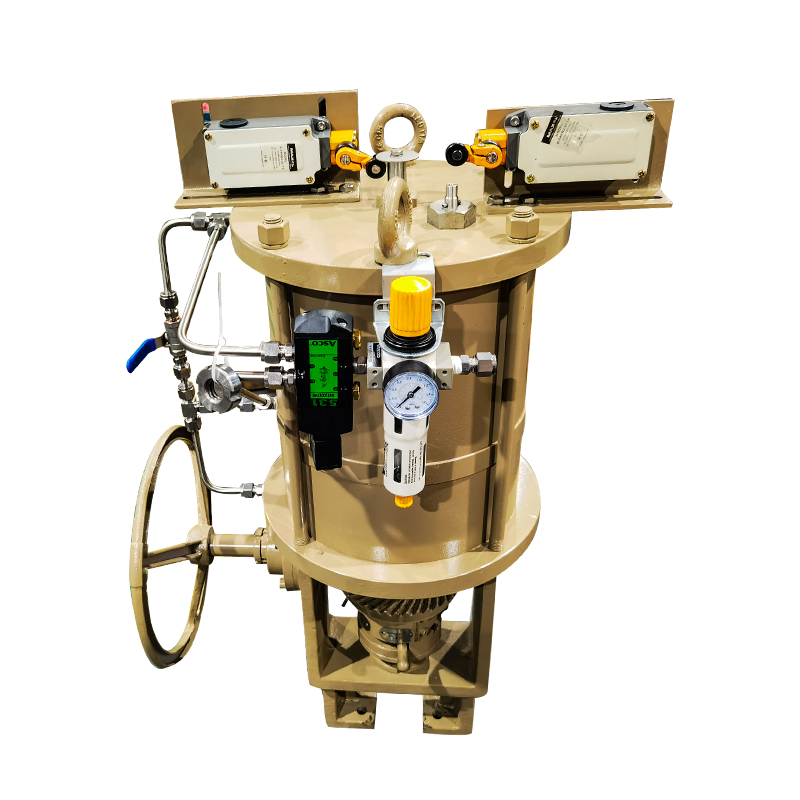
Instead of relying on direct human force, compressed air becomes the driving mechanism for valve movement. That change removes the need for physical presence at the valve location. Control can be executed remotely, which immediately changes how engineers think about system layout.
Valves no longer need to be positioned based on accessibility alone. They can be placed where flow behavior is most efficient, not where human reach is convenient. This often leads to more flexible system design, especially in complex installations.
Another change appears in consistency. Pneumatic systems respond based on defined pressure and signal conditions. Once configured, actuation behavior becomes more repeatable compared to manual adjustments, which naturally vary from person to person.
Pneumatic Emergency Shut Off Valve and System Safety Response
Emergency situations expose the limitations of manual operation very clearly. In a manual setup, someone has to notice the problem, interpret it correctly, decide on action, and physically execute that action. Even when everything is well organized, that sequence still takes time.
A Pneumatic Emergency Shut Off Valve reduces that dependency by allowing isolation to happen through a control signal. Once triggered, the mechanical response happens without waiting for human movement or proximity.
In some configurations, the system is designed to shift toward a safe state when control signals are lost. That means safety behavior is not only reactive, but also pre-defined in advance. The system already "knows" what to do when communication breaks down.
This changes how engineers think about risk. Instead of relying only on response speed, the focus moves toward response structure.
Pneumatic System Control Valve Behavior in Industrial Networks
Control valves in pneumatic systems are not just individual components. They become part of a larger behavior network.
When multiple pneumatic valves are connected to a shared control logic, the system stops behaving as separate manual points and starts acting as a coordinated structure. Changes in one area can be reflected across the system based on signals rather than isolated actions.
When sensors are included, the system becomes even more responsive. Pressure and flow data can influence valve behavior directly, reducing the need for constant manual inspection.
At that point, the operator's role shifts. Instead of physically adjusting valves, attention moves toward monitoring system behavior, interpreting signals, and managing exceptions rather than routine adjustments.
Limitations of Manual Systems Under Operational Load
Manual valve systems do not usually fail in an obvious way. The limitations appear gradually, especially when operational demands increase.
If adjustments happen frequently, the physical workload becomes more noticeable. If valves are spread across a large facility, travel time becomes part of the system delay. Neither of these issues is dramatic on its own, but together they influence overall performance.
In systems where flow conditions change quickly, even small delays in response can affect downstream behavior. The system may still function, but the margin for timing error becomes smaller.
Over time, manual operation begins to feel less aligned with the speed and complexity of the system it is supporting.
Decision Conditions for Pneumatic System Adoption
Industrial upgrades rarely happen as a single step. More often, they appear when certain conditions start to repeat.
When response time becomes more critical to system stability, manual operation starts to show its limits. When system complexity increases, coordination becomes harder to maintain through human action alone. When safety requirements become stricter, reliance on manual intervention feels less predictable.
At that point, pneumatic systems are not introduced as a complete replacement immediately. They often begin with key points in the system, especially where timing or safety matters most, and then expand gradually.
Application Environments Where Pneumatic Control Becomes Relevant
Different industrial settings reveal different weaknesses in manual operation.
In continuous flow systems, delays can propagate through the entire process and affect downstream stability. In chemical environments, timing and isolation play a direct role in safety behavior. In water distribution networks, segment control becomes important when irregular conditions occur. In manufacturing environments, consistency of flow often matters as much as speed.
Although the contexts differ, the underlying challenge is similar. Manual operation introduces variability that becomes harder to manage as systems grow in scale.
Long Term Operational Drift in Manual Control Systems
One aspect that is often overlooked is how manual systems change over time without intentional redesign.
Operators naturally develop habits. Small adjustments become routine. Different individuals introduce slightly different handling styles. Over long periods, these variations accumulate.
This creates a drift between how the system was originally designed and how it is actually operated day to day. It is rarely documented, but it exists in many long running installations.
Pneumatic systems reduce this effect by standardizing actuation behavior. The response is defined by system conditions rather than individual interpretation.
Reliability as a Combination of Hardware and Control Behavior
Reliability is often associated with physical durability, but control structure plays an equally important role.
A system with strong components can still behave unpredictably if manual operation introduces inconsistency. On the other hand, a well-structured pneumatic system can improve stability even under demanding conditions.
When Pneumatic Emergency Shut Off Valve mechanisms are combined with Pneumatic System Control Valve architecture, the system gains a more defined response pattern. It is not just about faster movement, but about predictable behavior under changing conditions.
Final Perspective on Industrial Valve System Evolution
Manual valve operation still has its place, especially in simpler systems where conditions are stable and response demands are low. But as industrial environments become more complex and timing becomes more sensitive, its limitations become harder to ignore.
Pneumatic systems do not remove human involvement from industrial control. Instead, they change its position. Operators move away from direct physical execution and toward supervision and system-level coordination.
In this ongoing shift, Zhejiang Wisley Automatic Valve Co., Ltd. continues focusing on pneumatic valve system solutions designed for industrial environments where consistency, response timing, and controlled system behavior are becoming increasingly important in real operational conditions.