

 English
 русский



In many industrial pipelines, flow does not stay constant for long. Pressure shifts, operating cycles change, and equipment has to respond without adding unnecessary delay. In that setting, air driven shutoff devices are often chosen because they can move in a controlled way and fit into automated systems without much complexity.
What matters most is not only whether the valve opens or closes, but how it behaves when conditions change around it. Air supply quality, mechanical fit, sealing contact, and installation details all shape the final result. A valve may look straightforward on paper, yet in operation it depends on several small things working together.
The following sections move from basic function to practical use. The focus is on how the device works, what happens when air pressure shifts, which design points affect sealing, and how selection should match the actual job.
What is a Pneumatic Stop Valve and how it controls industrial flow systems
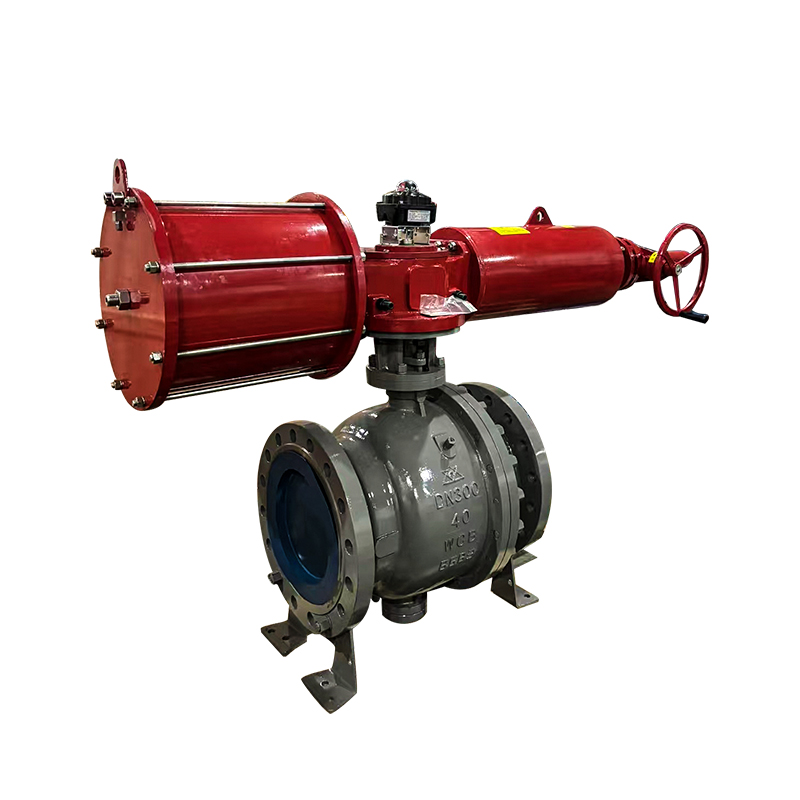
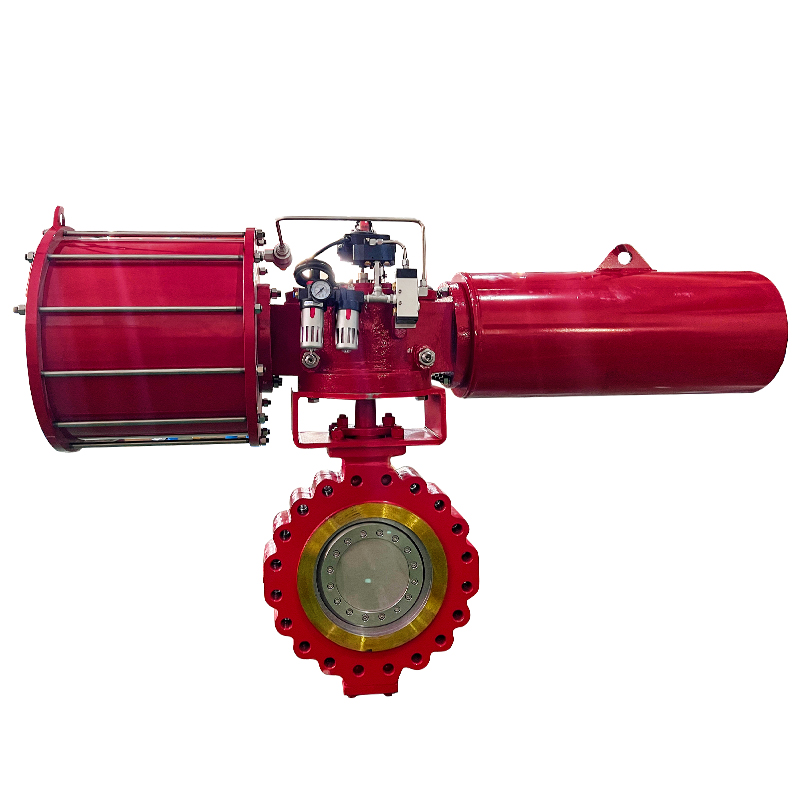
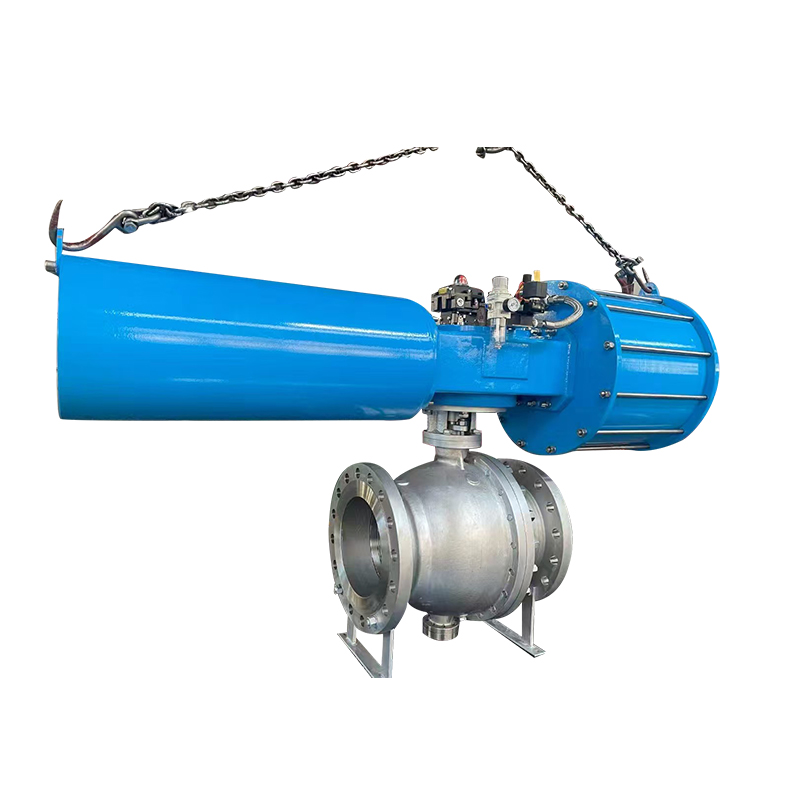
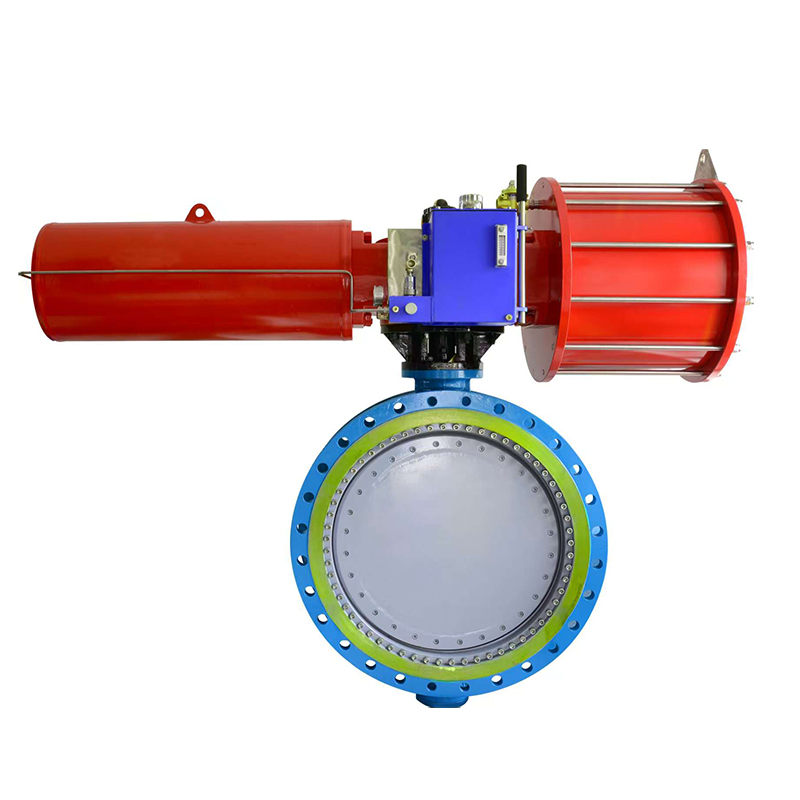
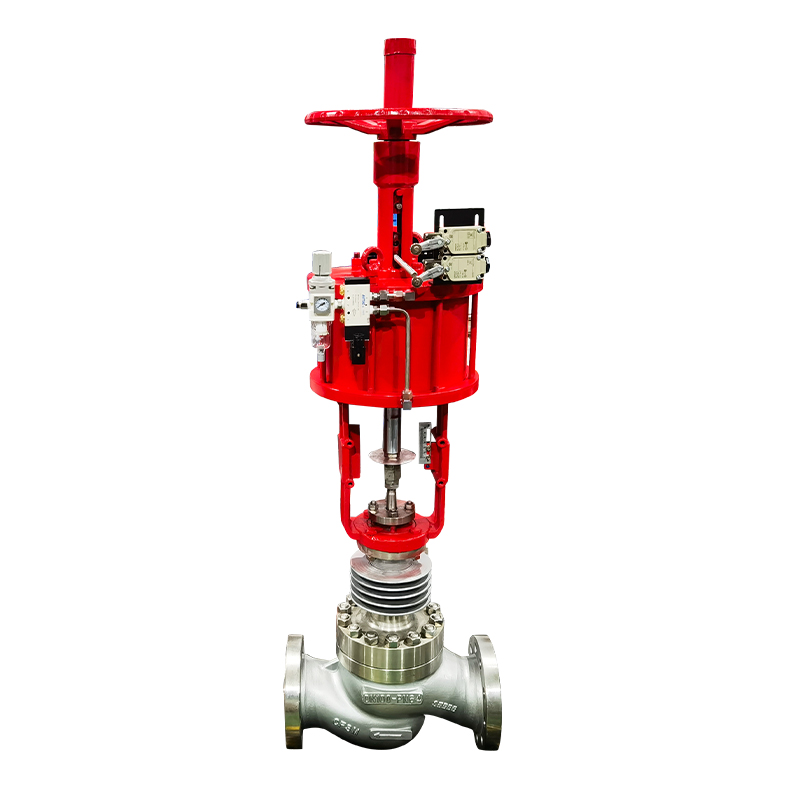
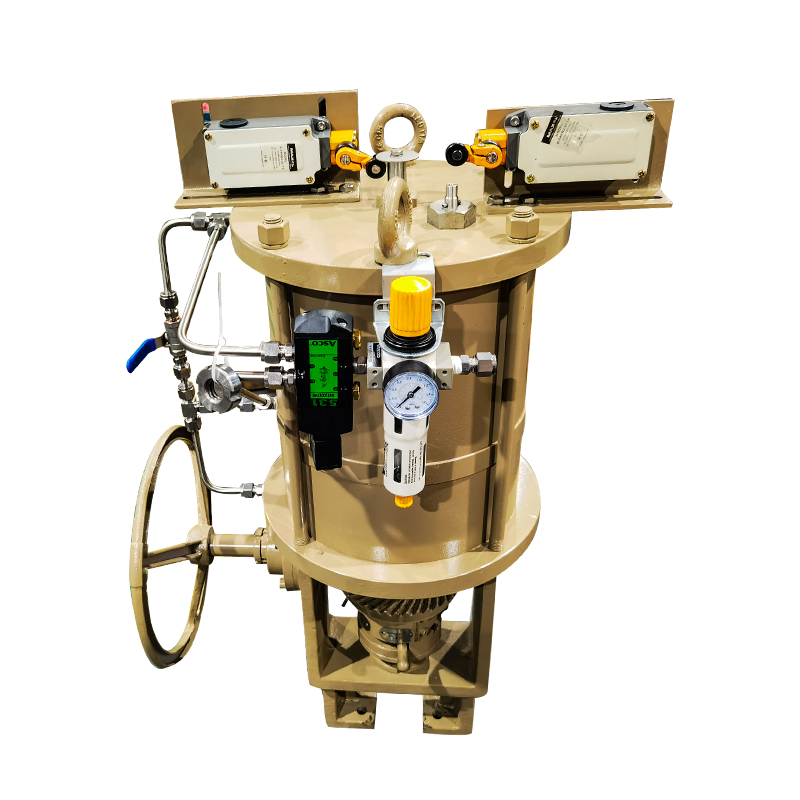
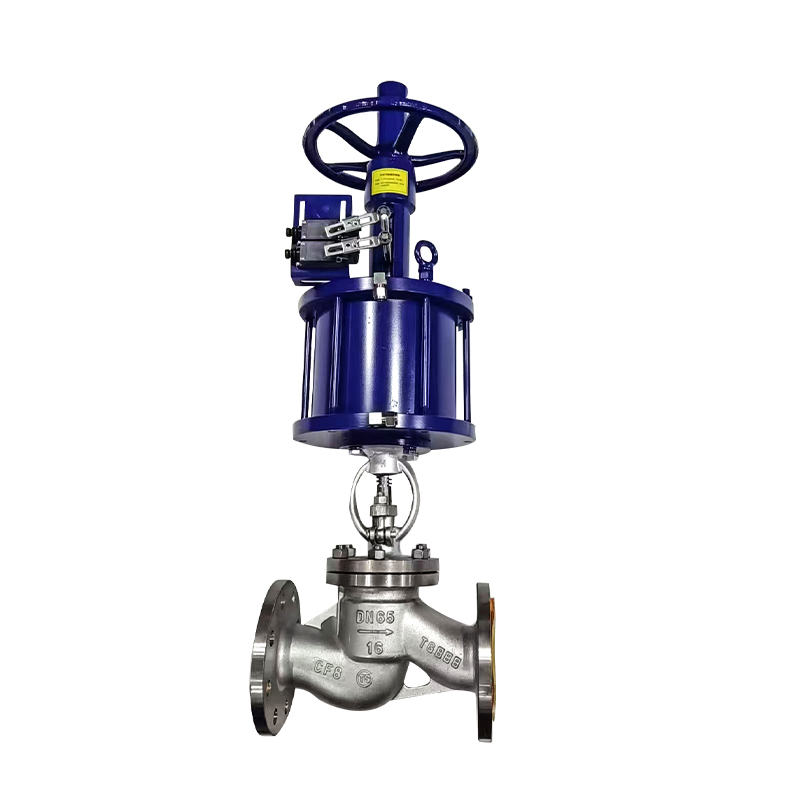
A Pneumatic Stop Valve is used when a pipeline needs controlled opening and closing through compressed air. Instead of relying on manual force, it uses air to move internal parts that either block or release the passage.
In a working system, the process is usually simple to follow:
- air enters the actuator section
- the internal movement is transferred to the closing part
- the passage opens or shuts depending on the signal
- flow resumes or stops in line with the control demand
The device is often used where operators need remote action or repeated switching. It fits into systems that already use air supply and control signals, so the change in flow can be managed from a central point rather than from the pipeline itself.
One reason it is widely used is that the movement path is clear and predictable. When the air signal changes, the valve responds through a defined mechanical action. That makes it easier to coordinate with other equipment in the line.
| Part of the system | Practical role |
|---|---|
| Air actuator | Converts air pressure into movement |
| Valve body | Provides the flow path |
| Sealing surface | Blocks or releases the passage |
| Connection point | Links the device to the pipeline |
How a Pneumatic Stop Valve responds to air pressure changes in real operating conditions
In normal use, the device does not move in a vacuum. It reacts to changes in air pressure, and those changes shape how quickly and smoothly it shifts position.
When air pressure rises, the actuator moves. When air pressure drops, the return side takes over and brings the moving part back. That sounds direct, but real systems are rarely uniform. The response can vary with friction, temperature, air supply stability, and the condition of moving parts.
A few points usually matter in practice:
- steady air supply helps keep movement consistent
- friction in the moving section can slow the response
- temperature changes can alter how parts fit or slide
- back pressure in the line can make closing feel less direct
A valve that reacts cleanly in one setup may feel different in another. That is why operating conditions matter just as much as the device itself. In plant use, the air signal is only one side of the picture. The surrounding system can change the way the device behaves from one shift to the next.
What factors influence sealing performance in a Pneumatic Stop Valve design
Sealing performance decides whether the flow actually stops in the way expected. If the sealing surfaces do not meet properly, the result can be partial leakage, unstable shutoff, or gradual wear over time.
Several points shape the sealing result:
- contact quality between the sealing surfaces
- alignment of the moving parts
- surface condition after repeated operation
- compatibility between internal materials and the media in the line
- force applied during closing
| Factor | What it affects |
|---|---|
| Surface contact | How tightly the passage closes |
| Alignment | Whether pressure is spread evenly |
| Material choice | How the parts handle wear |
| Closing force | Whether shutoff feels complete |
In actual use, sealing is not only about the final closed position. It also depends on how the parts arrive there. A slight offset or uneven contact can matter more than it seems at first glance. Over time, repeated movement can change the sealing quality, especially when the line carries demanding media or the operating cycle is frequent.
How to select a Pneumatic Stop Valve based on pressure temperature and media characteristics
Selection becomes easier when the operating conditions are clear. A device that works well in one line may be unsuitable in another if the pressure range, temperature level, or media type is different.
The main points to check are:
- pressure conditions in normal operation
- temperature changes during running or shutdown
- type of media moving through the line
- how often the valve needs to change state
- whether the line calls for stable shutoff or repeated switching
| Operating condition | What to look at |
|---|---|
| Higher pressure | Body strength and closing stability |
| Temperature change | Material behavior under heat or cold |
| Corrosive media | Internal material compatibility |
| Frequent switching | Mechanical durability and response consistency |
When the selection matches the process, the device tends to run with fewer interruptions. If the fit is poor, the system may still operate, but wear, leakage, or unstable action can appear sooner than expected.
For that reason, the choice should follow the actual pipeline environment rather than a generic specification sheet.
Why air quality affects the long term performance of a Pneumatic Stop Valve system
Air supply is easy to overlook because it is not always visible during operation. Even so, the condition of the air can have a direct effect on how the valve performs over time.
Moisture, oil, dirt, and uneven pressure can all influence the moving parts. If the air carries contamination, the actuator may not move as smoothly as intended. If pressure is unstable, the valve can respond with less consistency from one cycle to the next.
In real plant use, cleaner air usually supports steadier motion. Poor air conditions can lead to:
- slower movement
- uneven response
- extra wear inside the actuator
- less stable shutoff behavior
That is why the air side of the system deserves the same attention as the body and sealing parts. A valve can be well made and still show weak performance if the supply conditions are poor.
What are the common installation issues that affect Pneumatic Stop Valve reliability
Even a well matched device can behave poorly when installation is not handled carefully. Small alignment errors, strain in the piping, or loose mounting can all affect how the valve works once the line is running.
Common issues include:
- pipe stress pulling on the valve body
- poor alignment between connected parts
- limited space around the actuator
- incorrect signal connection
- weak support for the surrounding line
These problems may not appear immediately. Often they show up as uneven movement, noisy operation, or sealing that changes after a period of service. In other cases, the device may seem normal at startup but become less stable once the system begins cycling.
A careful installation helps the device work as intended and reduces the chance of early wear.
How Pneumatic Stop Valves behave in emergency shutdown and fail safe situations
A Pneumatic Stop Valve is often selected not only for routine flow control but also for how it behaves when the system no longer runs under normal conditions. In emergency shutdown situations, the motion pattern matters just as much as the open or closed state.
Some systems are arranged so the valve closes when air supply is lost. Others are set to move in the opposite direction. The choice depends on the role of the line and the level of protection required.
In those situations, the device must respond in a way that the process can accept. If the return action is too slow or the closing motion is uneven, the line may not reach the desired state in time. That is why fail safe behavior is often checked during planning rather than after installation.
How maintenance practices can extend the working life of a Pneumatic Stop Valve
Once the valve is in service, regular attention helps it remain stable. Maintenance does not need to be complicated, but it should be consistent.
Typical care points include:
- checking the air supply condition
- watching for unusual delay in response
- inspecting the sealing surfaces
- confirming that the actuator moves freely
- looking for leakage around connections
Small changes are often easier to correct early. A slight drop in response speed or a small change in closing behavior may be the first sign that something in the system needs attention. When those signs are noticed in time, the device is usually easier to keep in steady operation.