

 English
 русский



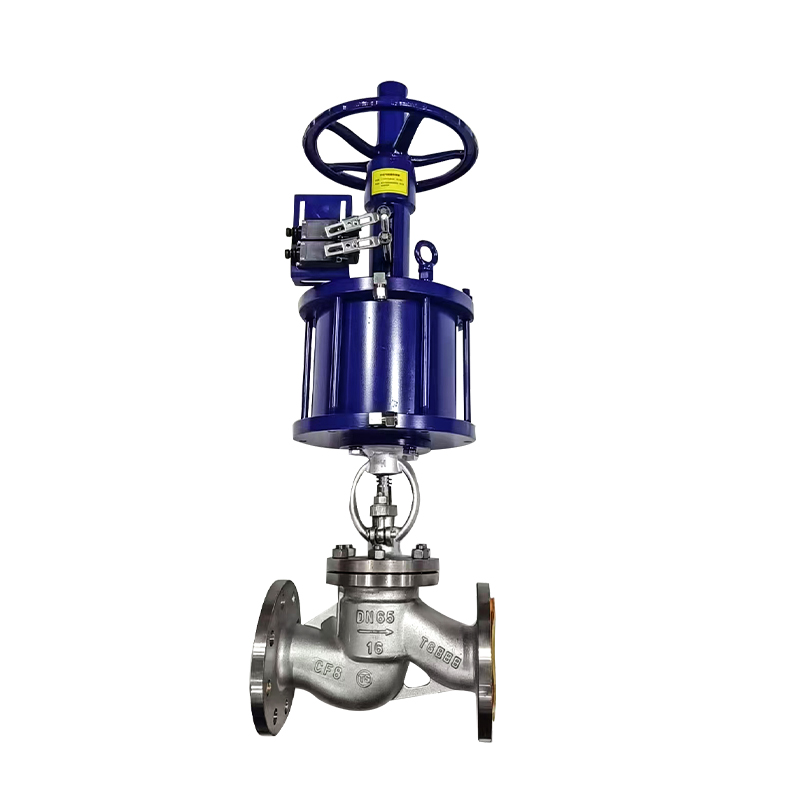
In industrial systems, controlling the flow of liquids and gases is crucial for efficiency, safety, and reliability. Among the devices used for this purpose, the Pneumatic Stop Valve offers a practical solution. By using compressed air to operate, these valves provide fast, precise control over fluid flow, making them suitable for a variety of applications across manufacturing, water treatment, and chemical processing industries.
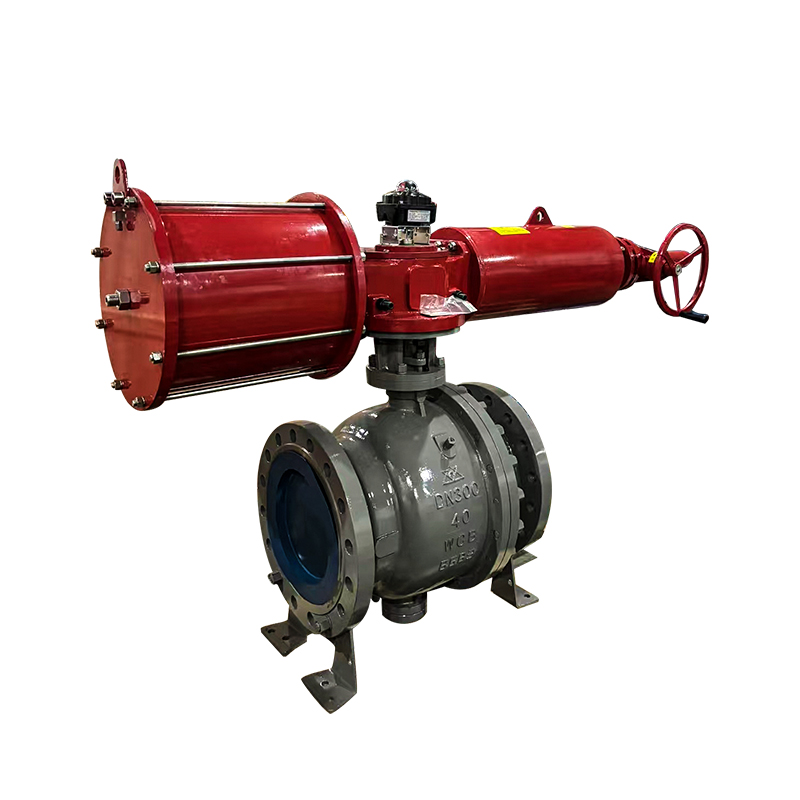
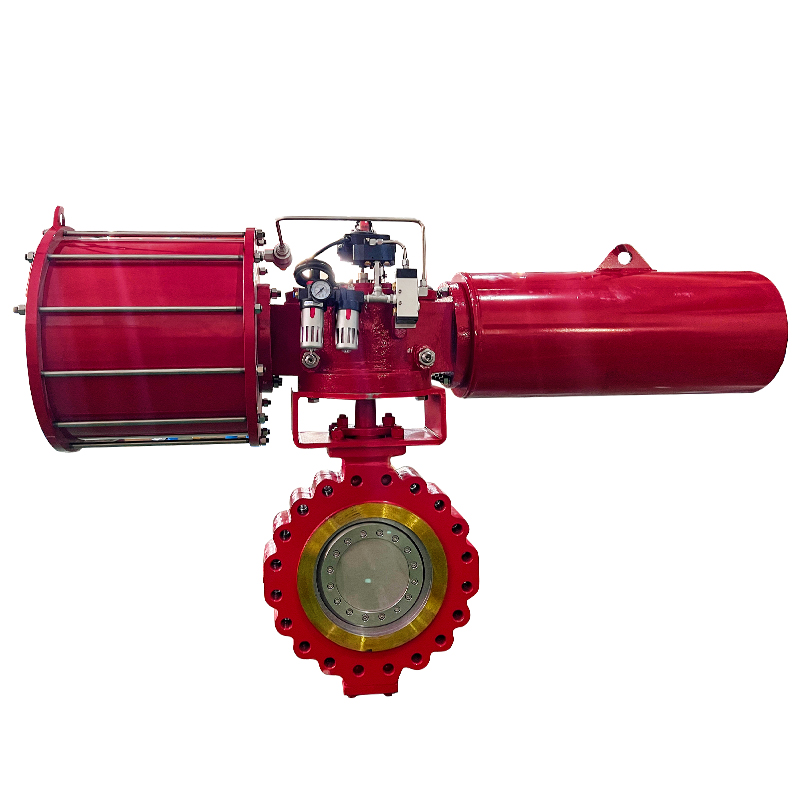
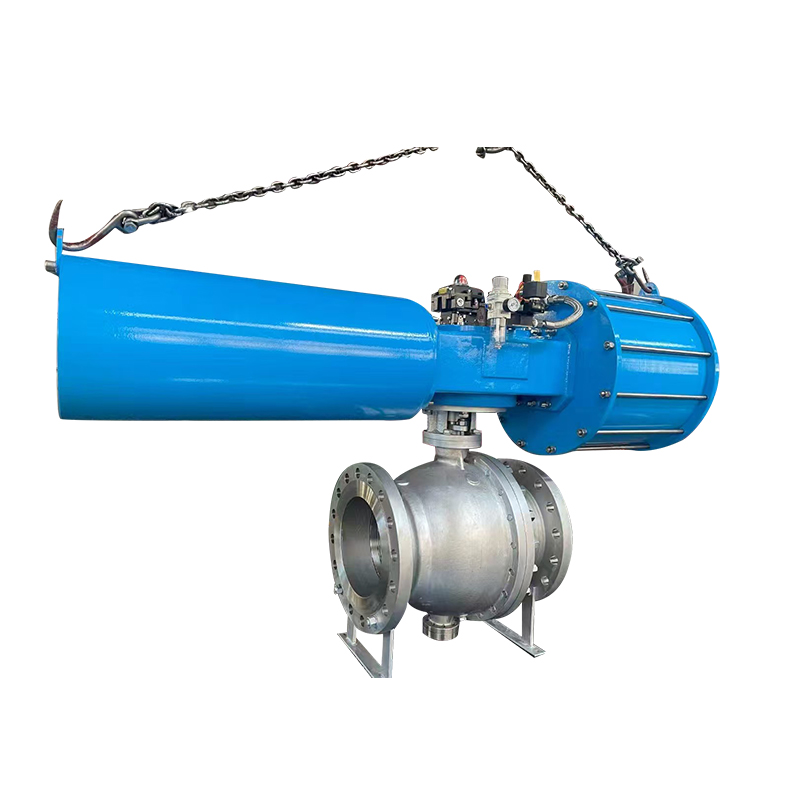
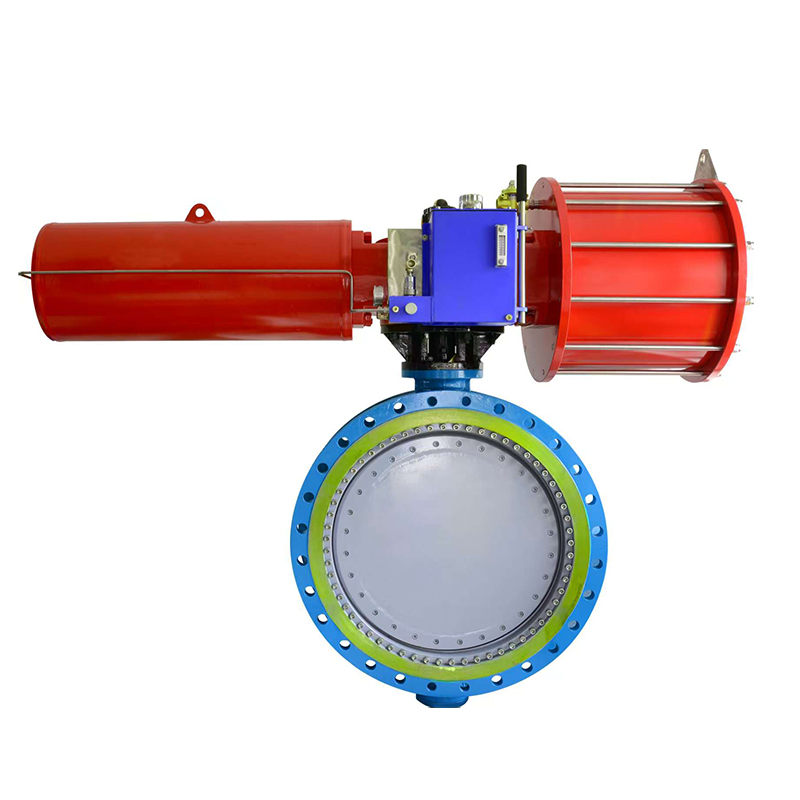
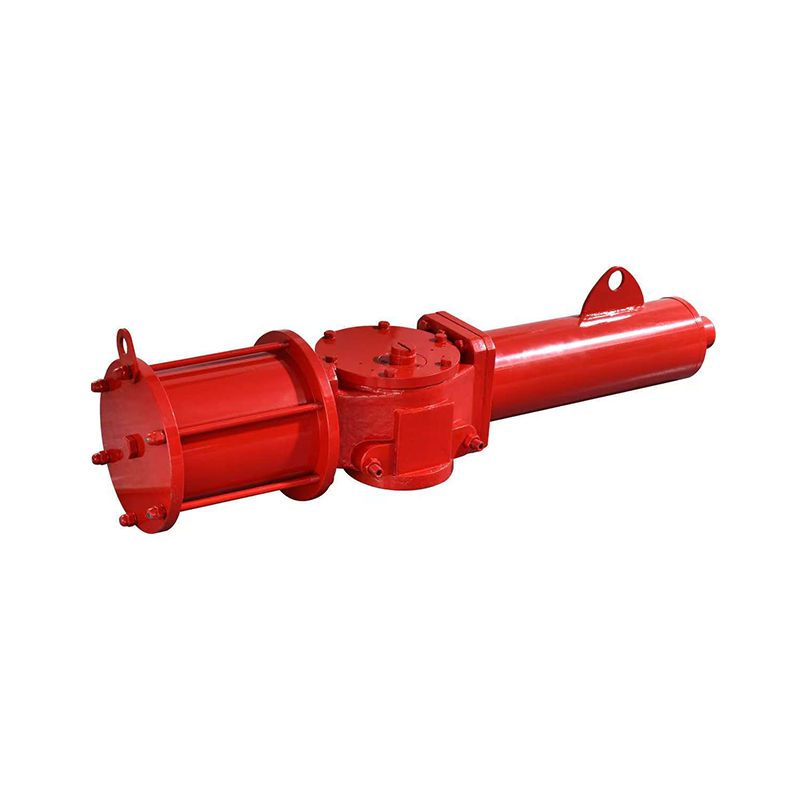
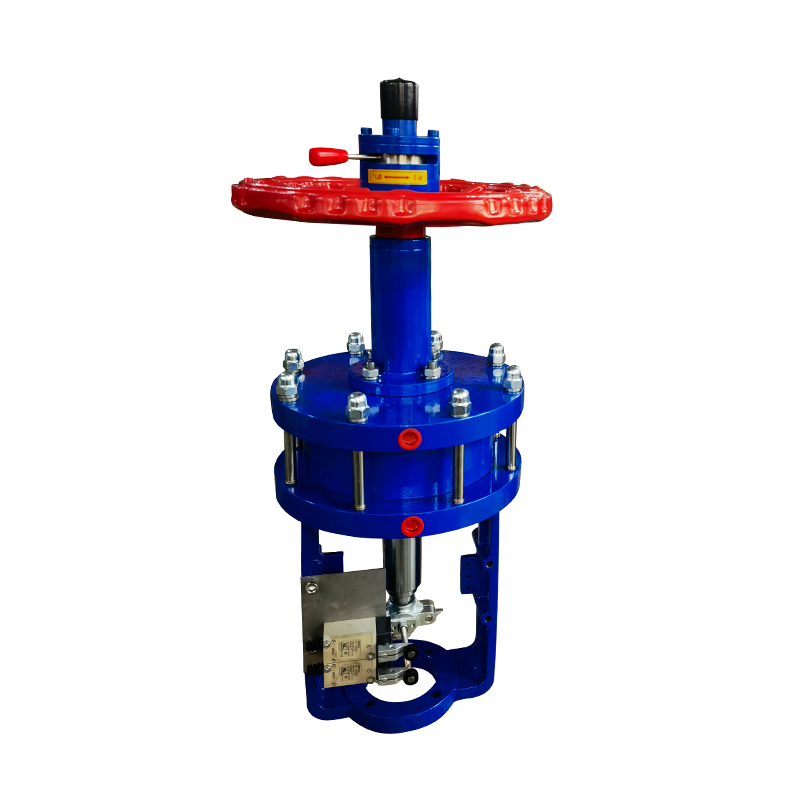
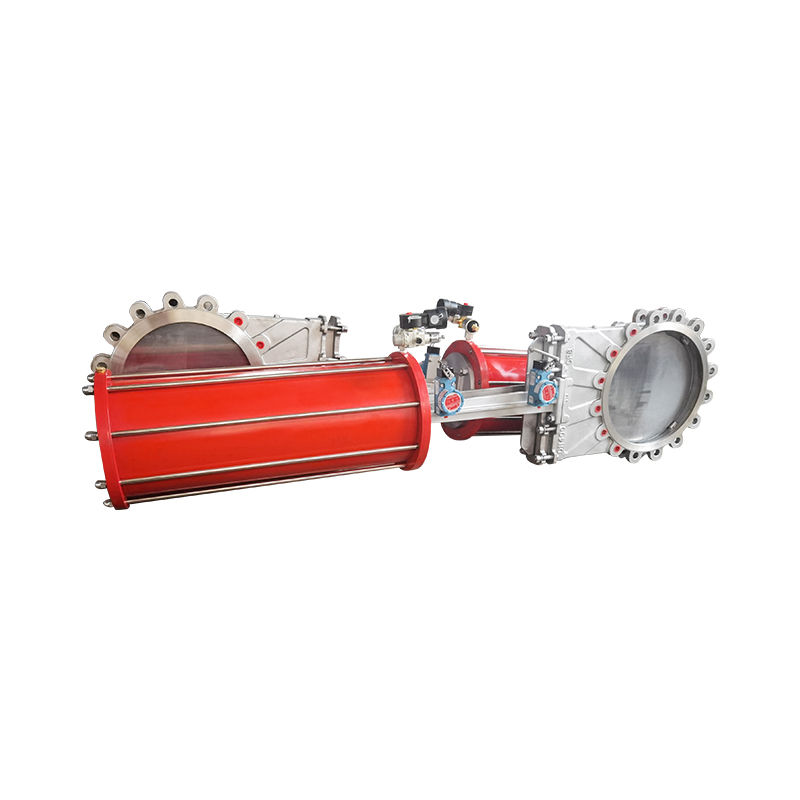
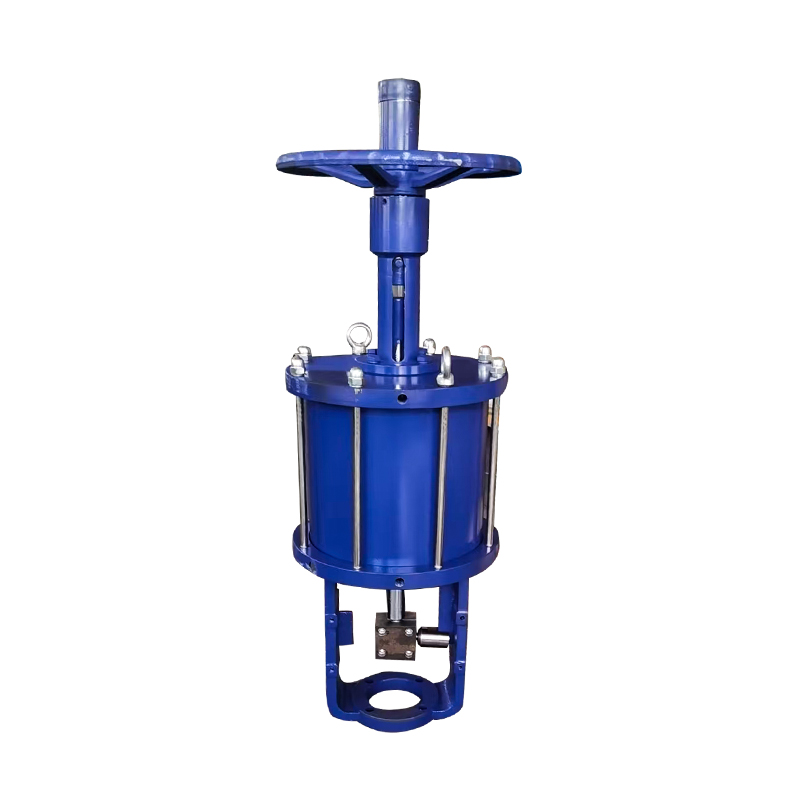
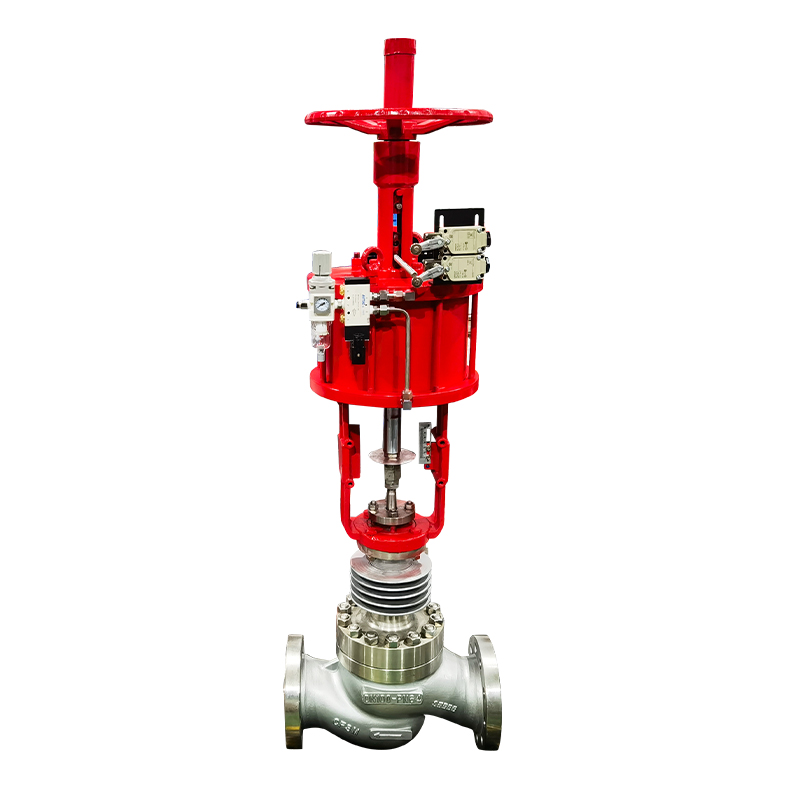
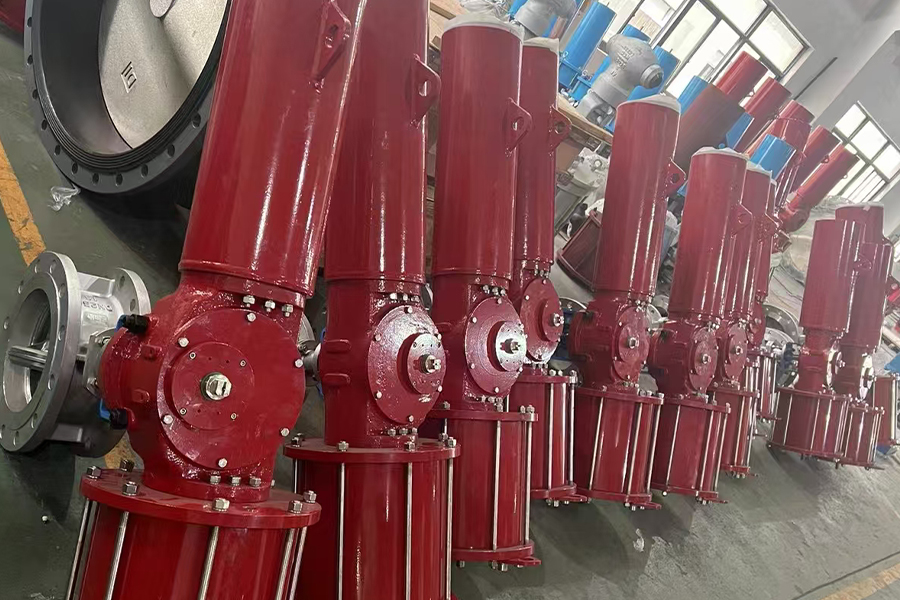
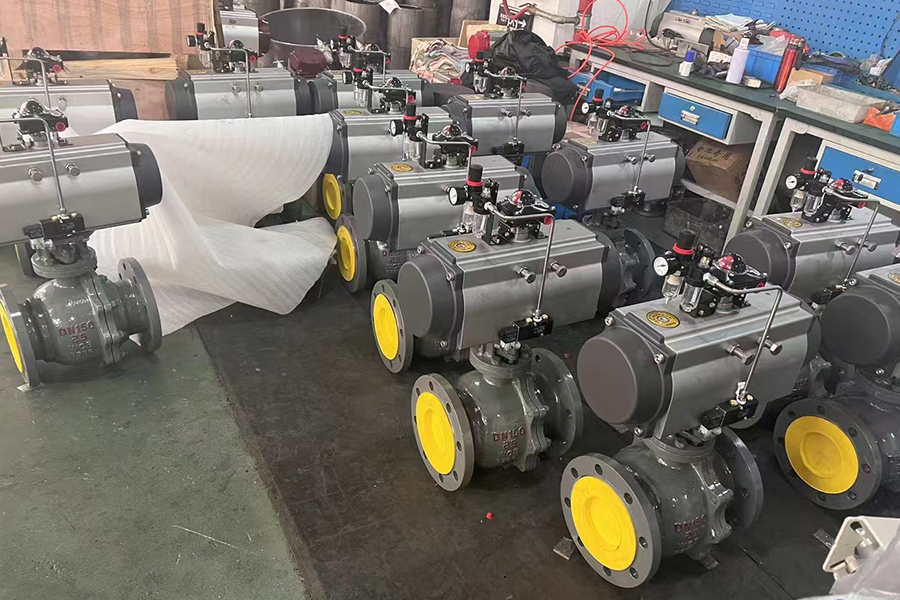
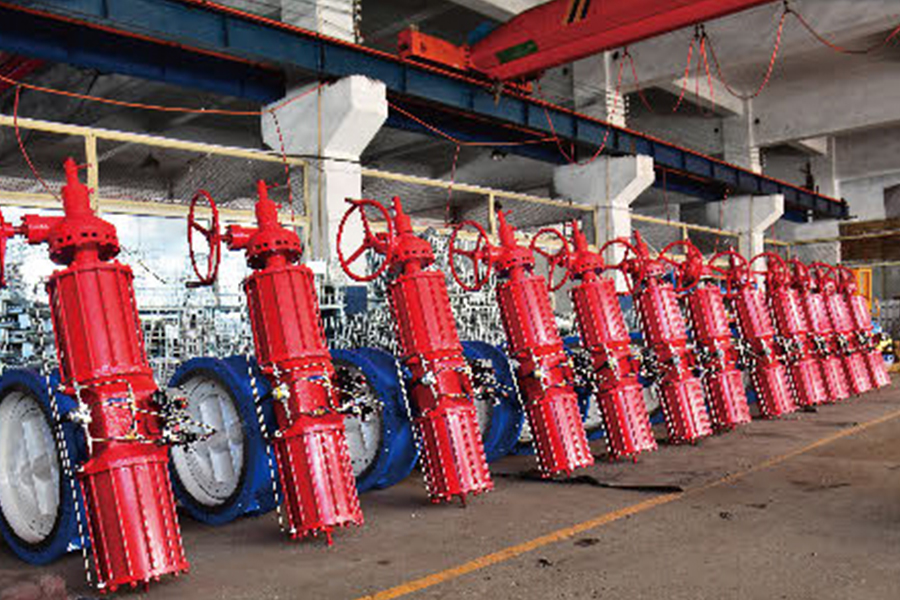
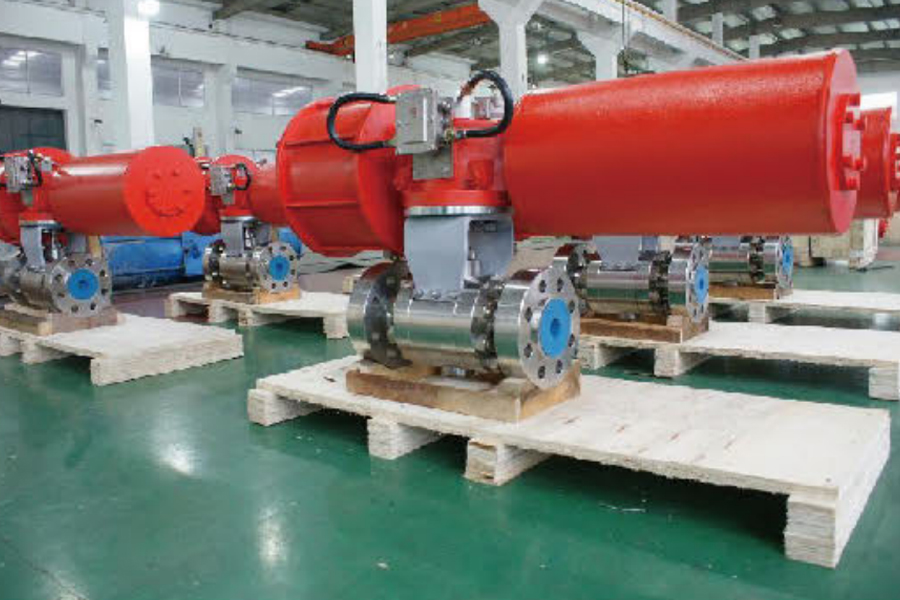
A Pneumatic Stop Valve is a type of control valve that uses air pressure to move the valve mechanism between open and closed positions. Unlike manually operated valves, pneumatic actuation allows for quick and consistent operation, which is particularly important in automated systems.
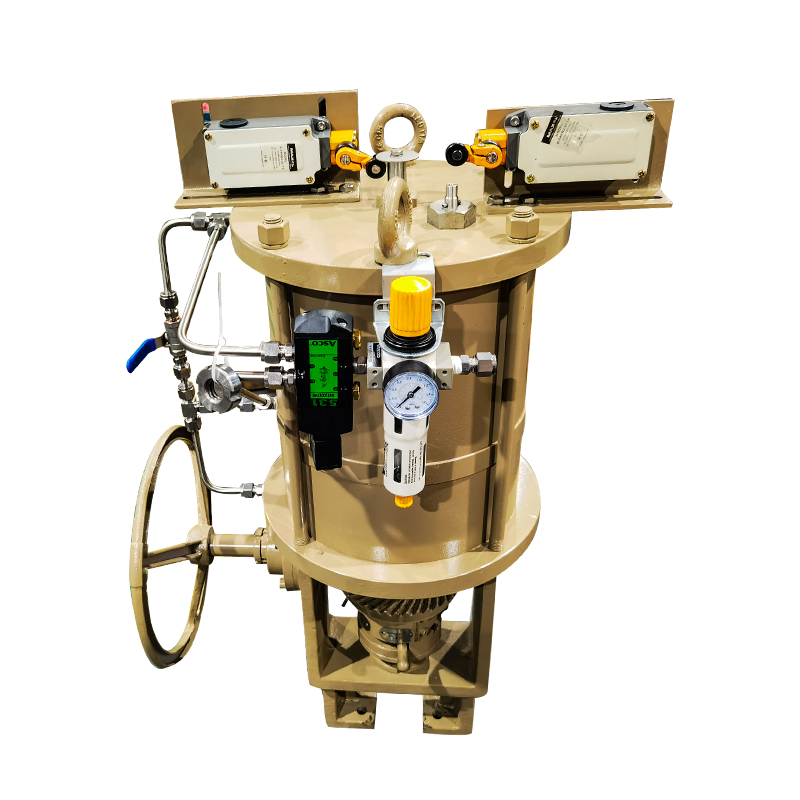
The valve typically features a piston or diaphragm actuator, which converts compressed air into linear or rotary motion to control the valve disc or plug. This design ensures reliable flow interruption with minimal effort, even in high-pressure or hazardous environments.
Advantages in Industrial Applications
One of the main benefits of a Pneumatic Stop Valve is speed. The valve can open or close almost instantly, allowing operators to manage process flows efficiently. This is useful in systems that require rapid shutdowns to prevent accidents, leaks, or damage to equipment.
Additionally, pneumatic operation reduces the need for manual intervention, which lowers labor requirements and improves consistency. In automated pipelines, the valve can be integrated with sensors and control systems to respond to changing process conditions without delay.
Durability and Material Selection
Pneumatic Stop Valves are designed to handle challenging industrial conditions. Depending on the application, materials such as stainless steel, brass, or high-grade alloys are used to resist corrosion, pressure fluctuations, and wear. Seals and gaskets are carefully selected to maintain a leak-free environment, even under repeated cycling.
The simple yet robust construction of these valves reduces maintenance needs. Components are accessible for inspection, and the actuator system is designed for long-term reliability with minimal servicing.
Integration with Automated Systems
Modern industrial systems increasingly rely on automation, and Pneumatic Stop Valves are well-suited for this environment. They can be connected to programmable logic controllers (PLCs), allowing remote operation and precise flow control.
This integration enhances safety by enabling emergency shutdowns and operational flexibility. Facilities can adjust flow rates, stop operations quickly in case of faults, and coordinate multiple valves simultaneously, improving overall process efficiency.
Energy Efficiency and Practical Benefits
While pneumatic systems require compressed air, the fast response and minimal energy consumption per operation often make Pneumatic Stop Valves more efficient than motor-driven alternatives for frequent cycling. The valve's ability to operate reliably under pressure fluctuations also reduces energy loss in pipelines, contributing to cost savings and system stability.
Moreover, reducing manual handling not only lowers labor costs but also improves operator safety. Pneumatic Stop Valves help prevent accidents in high-temperature, high-pressure, or hazardous fluid systems, making them a practical solution for demanding industrial environments.
Versatility Across Industries
Pneumatic Stop Valves are used in a wide range of sectors, including water and wastewater management, chemical manufacturing, food and beverage processing, and energy production. Their combination of speed, reliability, and automated control makes them suitable for both critical safety functions and routine flow management.
Their adaptability, combined with durable construction, ensures consistent performance across diverse conditions, from corrosive liquids to high-pressure gas pipelines. This flexibility highlights the value of Pneumatic Stop Valves as essential components in modern industrial infrastructure.
Balancing Control and Reliability
In conclusion, the Pneumatic Stop Valve is more than just a flow control device. Its rapid response, durability, and compatibility with automated systems make it a versatile tool for industrial operations. By improving safety, efficiency, and process control, these valves play a significant role in maintaining smooth, reliable, and cost-effective workflows across industries.
Whether for emergency shutdowns or precise flow management, the Pneumatic Stop Valve demonstrates how thoughtful engineering can enhance both functionality and operational safety in industrial systems.