

 English
 русский



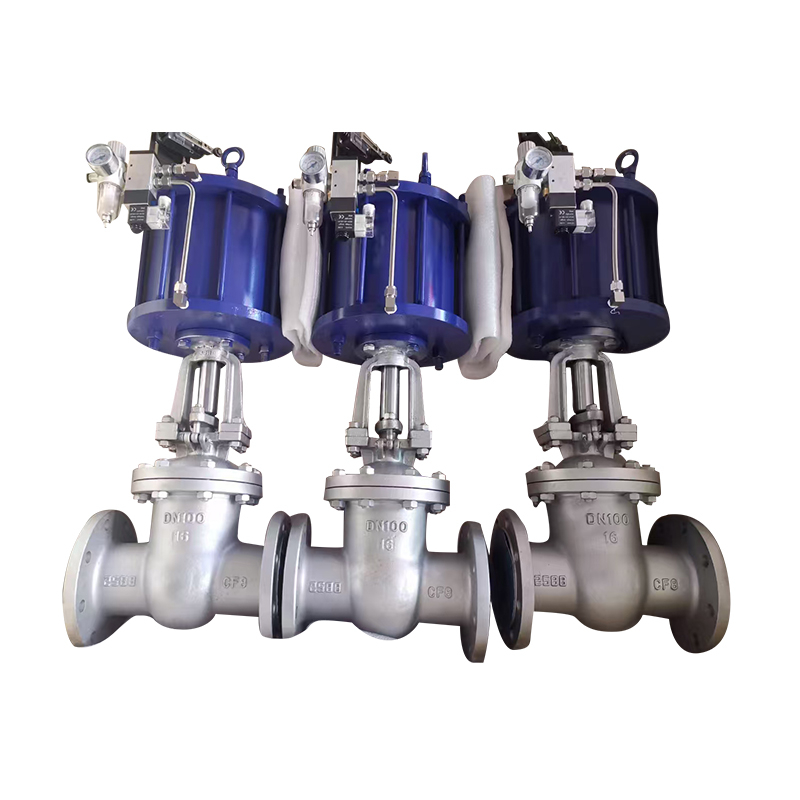
In industrial systems, controlling the flow of liquids, gases, or slurries is a critical task. Among various types of valves, the Pneumatic Gate Valve has become a popular choice in applications where quick, reliable, and automated operation is required. By combining a gate-style closure with pneumatic actuation, this valve type provides both robust sealing and convenient control.
Basic Structure and Operation
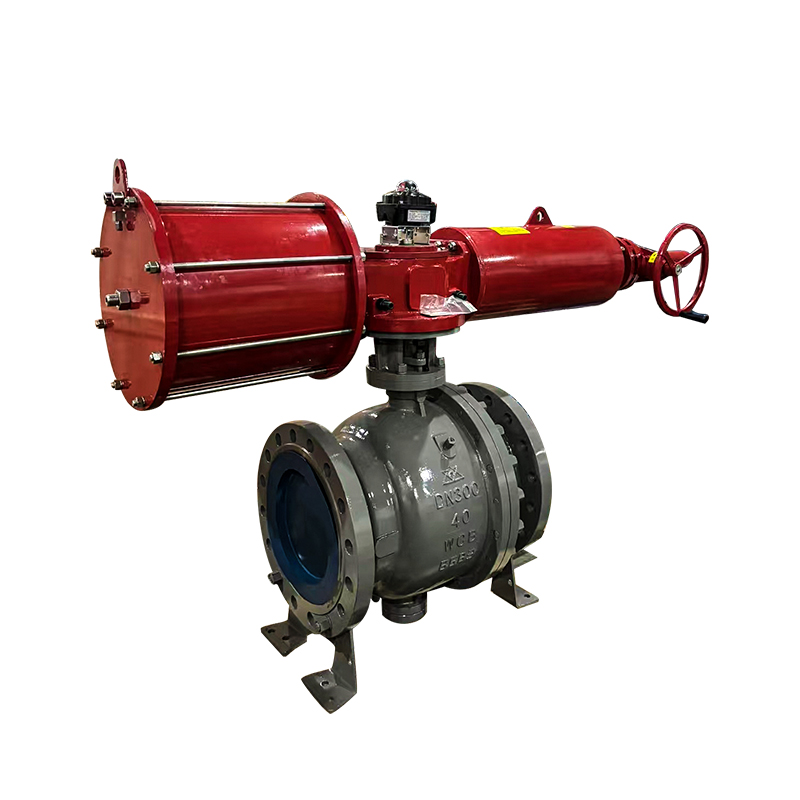
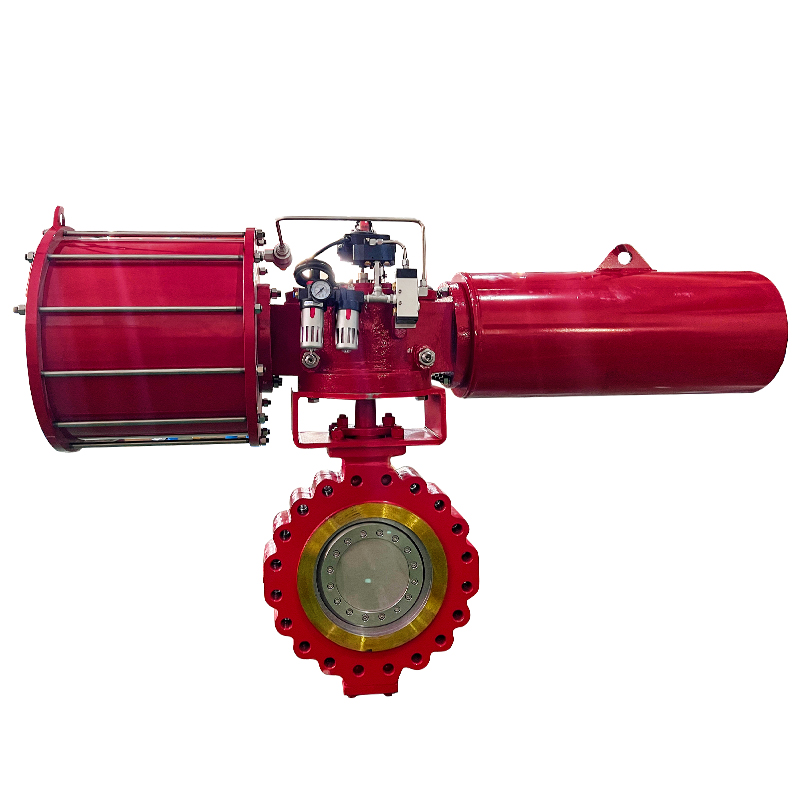
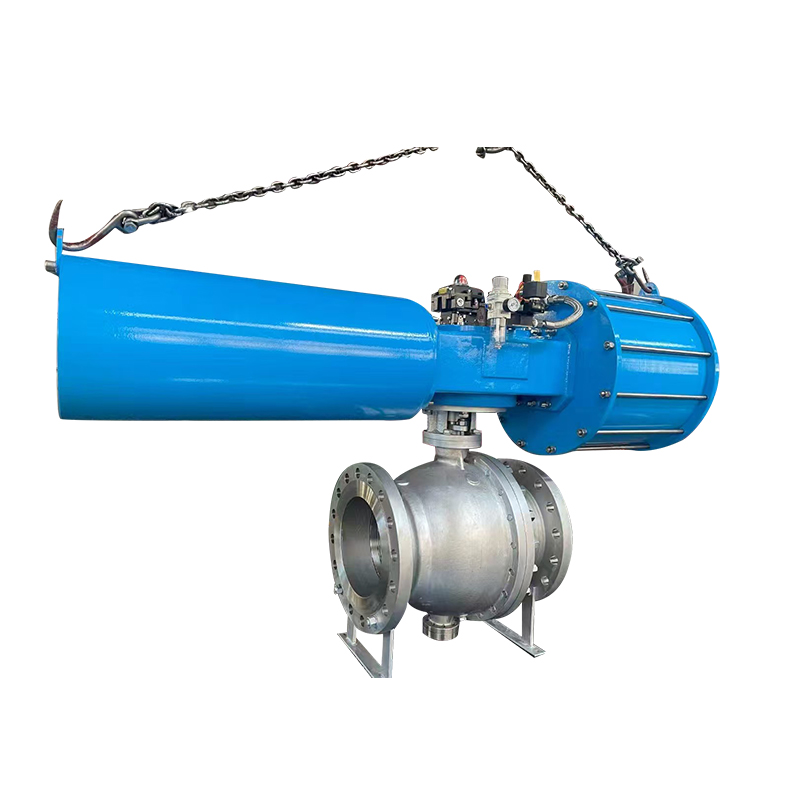
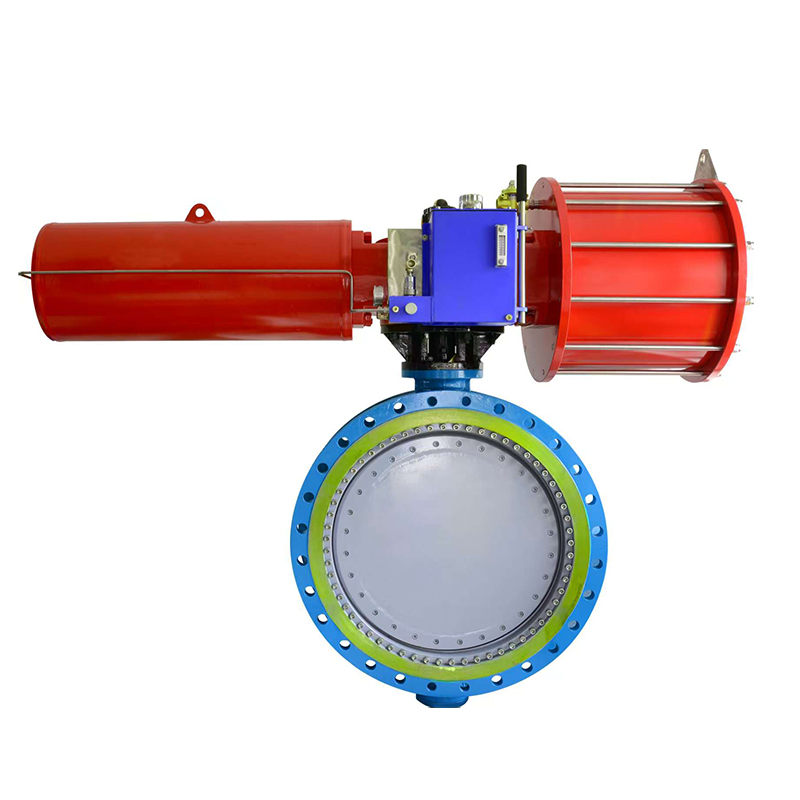
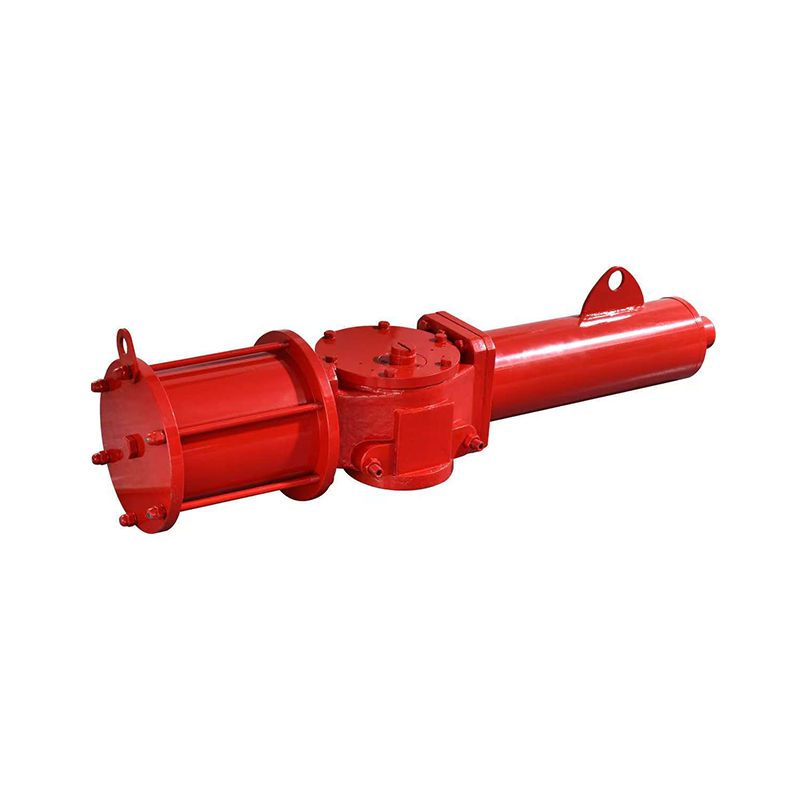
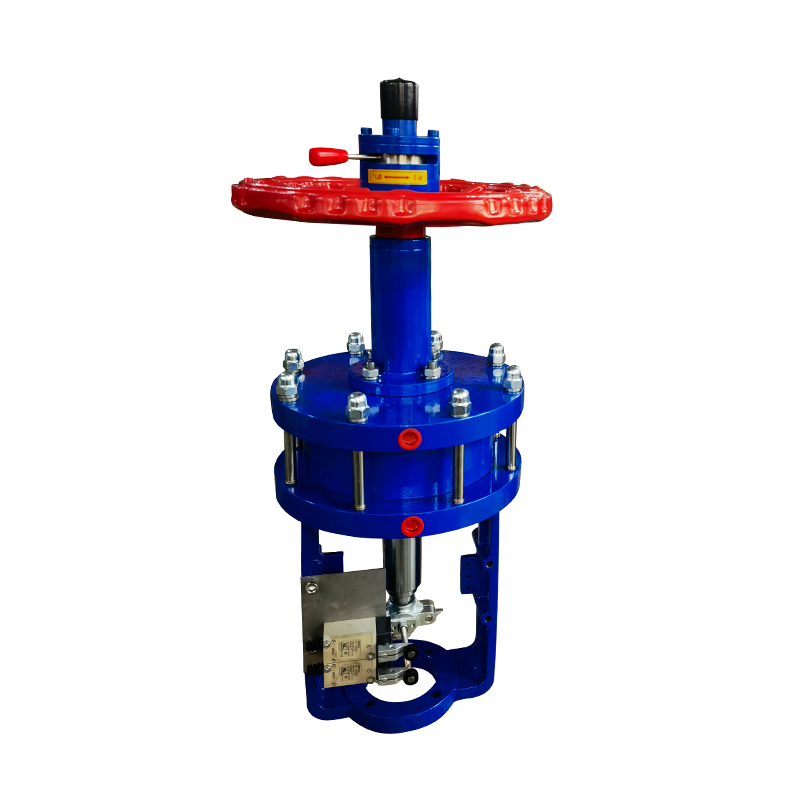
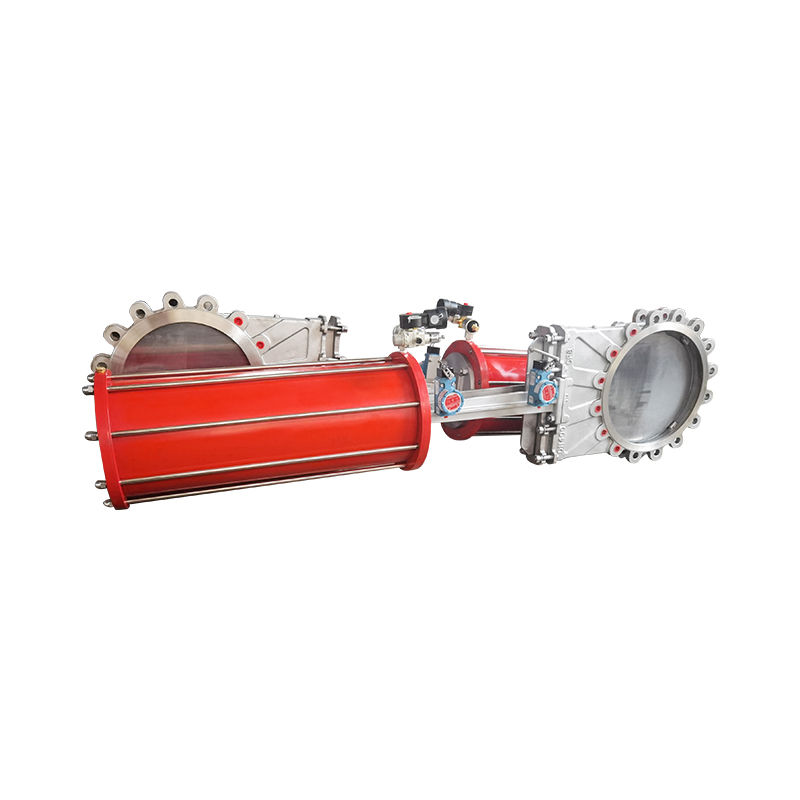
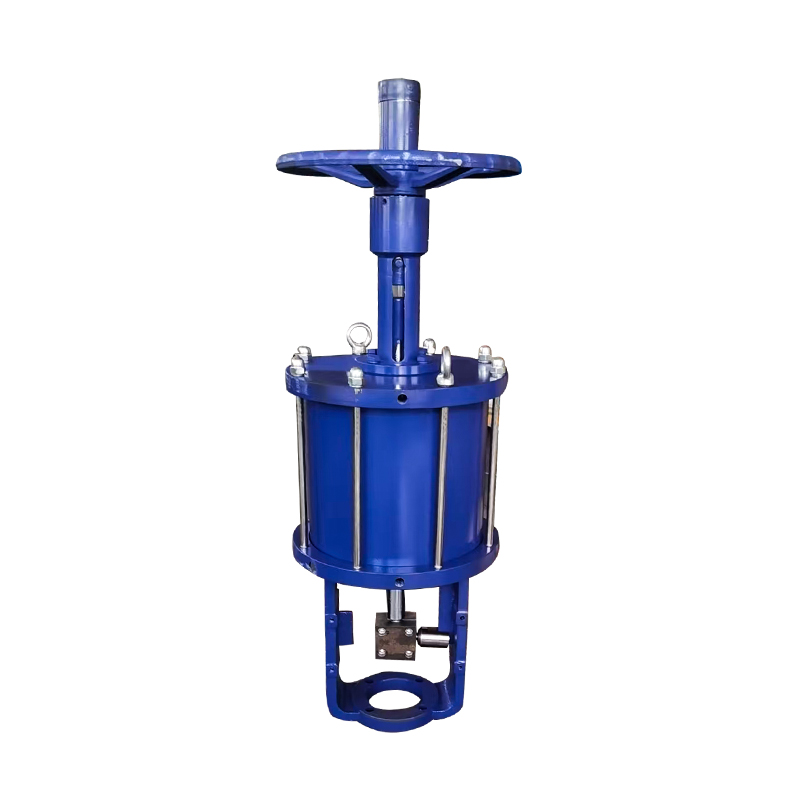
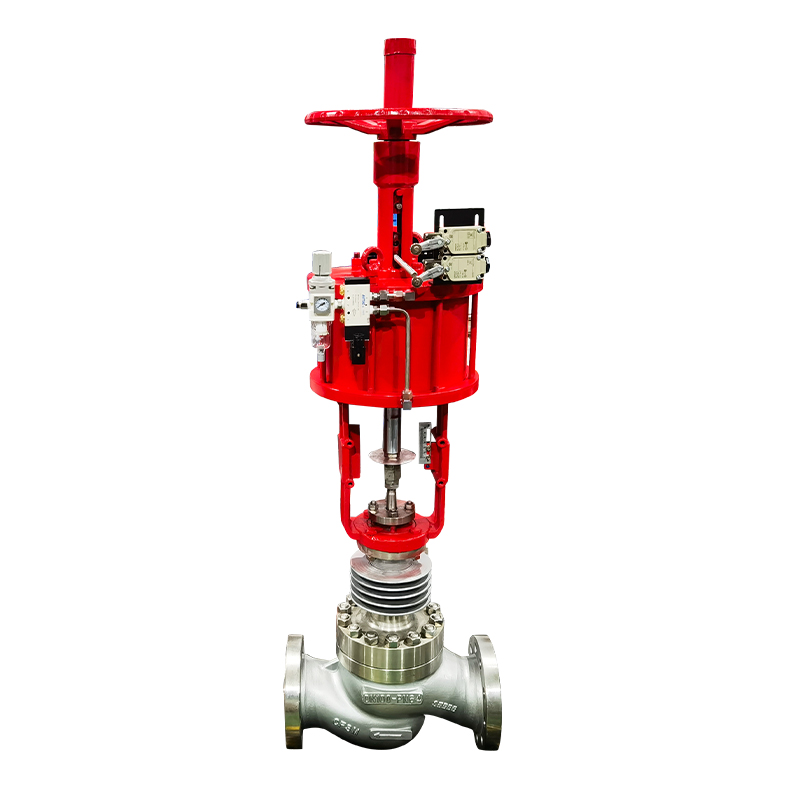
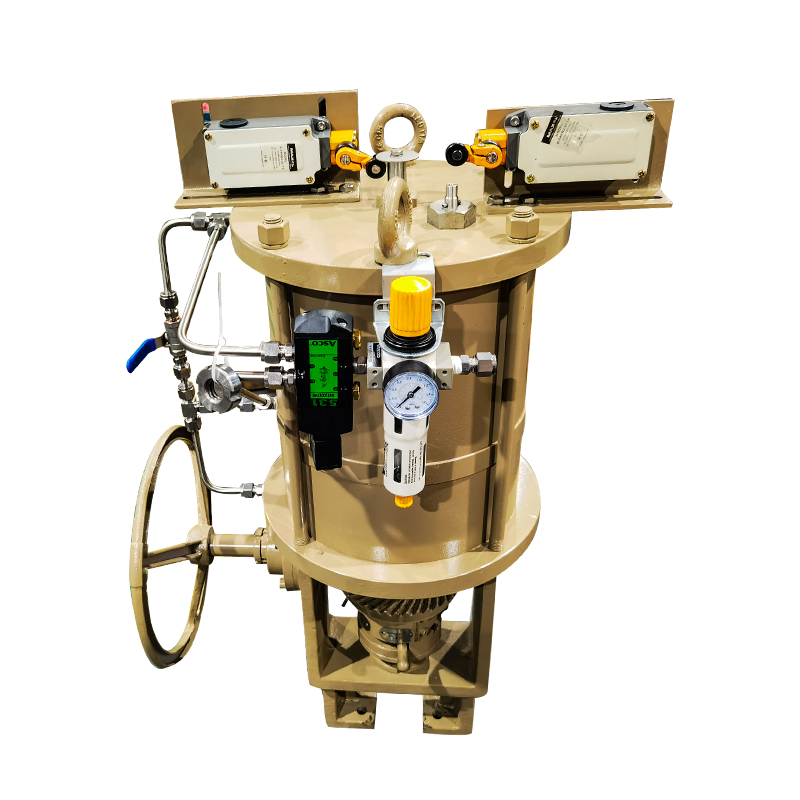
A pneumatic gate valve consists of a flat or wedge-shaped gate, a valve body, and a pneumatic actuator. The actuator uses compressed air to lift or lower the gate, allowing or stopping flow. Unlike manual gate valves, which require turning a handwheel, the pneumatic system allows remote or automated operation, saving time and reducing operator effort.
The Pneumatic Gate Valve works well in applications where full open or full closed positions are needed. The linear motion of the gate provides minimal flow resistance when open and tight sealing when closed, making it suitable for heavy-duty pipelines.
Advantages in Industrial Systems
One of the main benefits of a Pneumatic Gate Valve is rapid and consistent operation. Pneumatic actuation enables quick opening and closing cycles, which is particularly useful in processes that require precise flow timing. Additionally, the valve can handle high pressures and temperatures, depending on the materials used in the body and gate.
The linear sealing mechanism also reduces wear on the valve seats and prevents leakage, which is essential for industries that deal with corrosive, abrasive, or pressurized fluids.
Material Selection and Durability
The performance and lifespan of a Pneumatic Gate Valve depend heavily on material selection. Common materials include stainless steel, carbon steel, and specialized alloys. Valve seats are often lined or coated to resist corrosion and abrasion. Choosing the right combination ensures the valve can withstand harsh conditions and maintain tight sealing over repeated cycles.
Durable design also reduces maintenance requirements, helping industrial operators avoid costly downtime in critical systems.
Automation and Control
Pneumatic actuation allows integration with control systems, making the Pneumatic Gate Valve suitable for automated pipelines. Sensors and controllers can monitor valve position, flow rates, and system pressures, enabling real-time adjustments. This automation improves efficiency, reduces human error, and supports safety in environments where manual operation could be risky.
Many valves also allow manual override, giving operators flexibility in case of air supply failure or emergency conditions.
Applications Across Industries
These valves are widely used in industries such as:
- Water and wastewater treatment
- Power generation
- Chemical and petrochemical processing
- Oil and gas pipelines
The ability to handle high flow rates and challenging media makes the Pneumatic Gate Valve versatile and reliable in diverse industrial settings.
Maintenance and Practical Considerations
Maintenance of a Pneumatic Gate Valve is simplified by its modular design. Actuators, gates, and seats can be serviced separately, reducing the need for full system shutdowns. Regular inspection of seals, lubrication, and air supply ensures long-term performance.
Proper installation, including alignment and support of piping, further enhances durability and prevents stress on the valve body or actuator.
So, can a pneumatic gate valve enhance industrial flow control? Absolutely. By combining robust sealing, rapid operation, and automation capabilities, the Pneumatic Gate Valve provides reliable and efficient management of fluids in pipelines.
From chemical plants to water treatment facilities, this valve type offers flexibility, durability, and practical integration with modern control systems. Its design makes it a valuable component for industries that require safe, repeatable, and precise flow management.