

 English
 русский



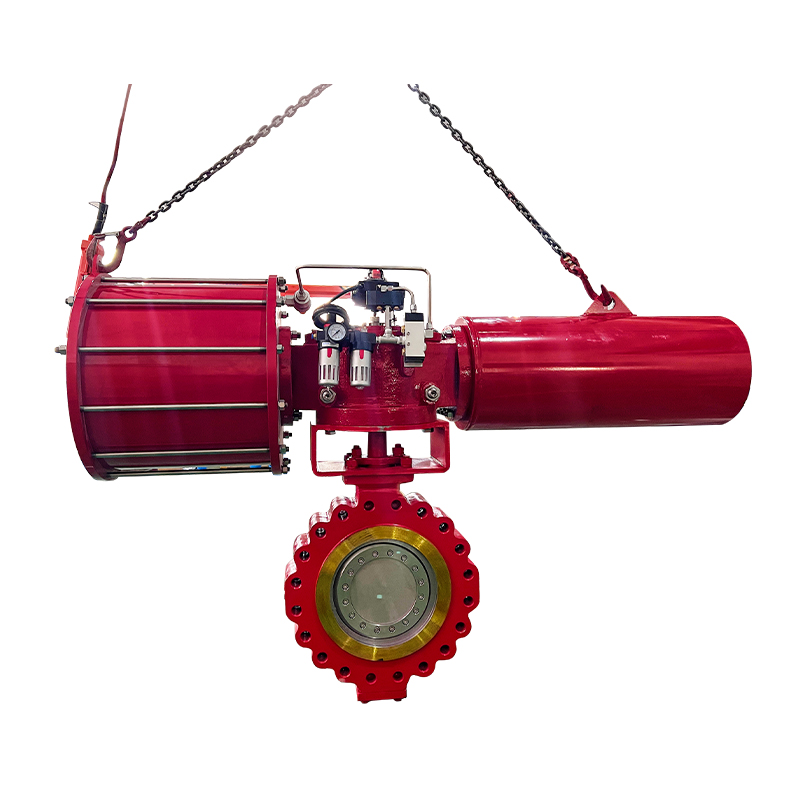
In industrial automation, controlling air flow with accuracy and speed is crucial for system efficiency. Among the various pneumatic components, the Fork Type Pneumatic Valve has emerged as a versatile solution. Its unique fork design enables precise actuation and smooth integration into complex systems. But what makes this valve an important choice for engineers and operators?
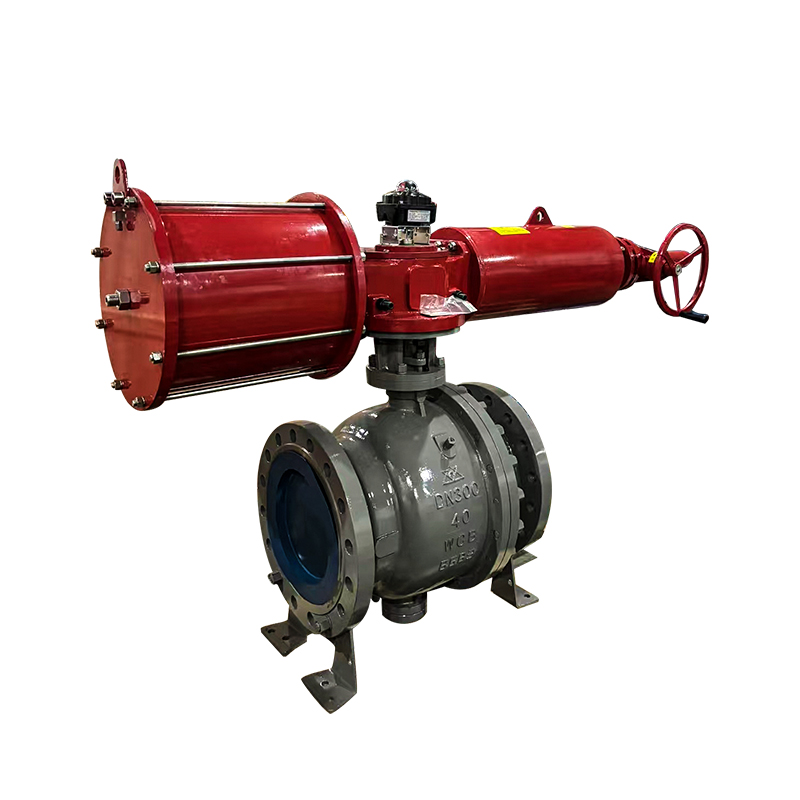
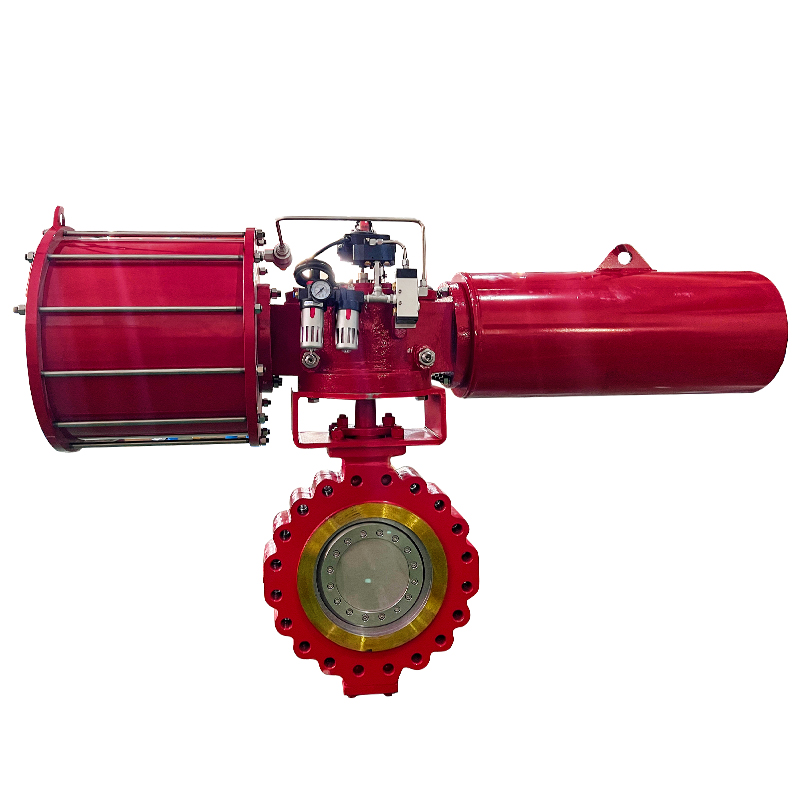
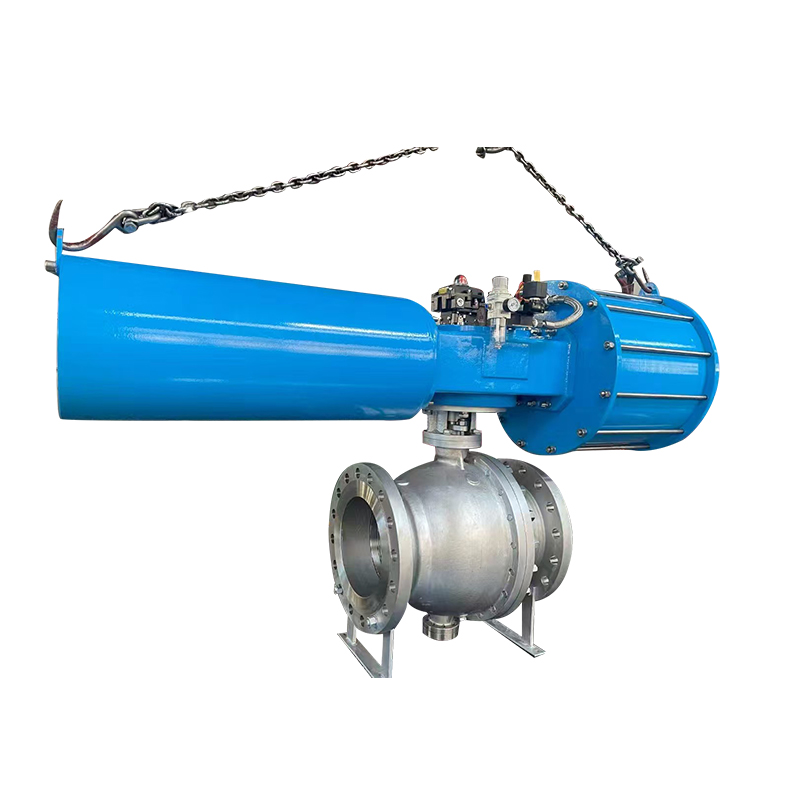
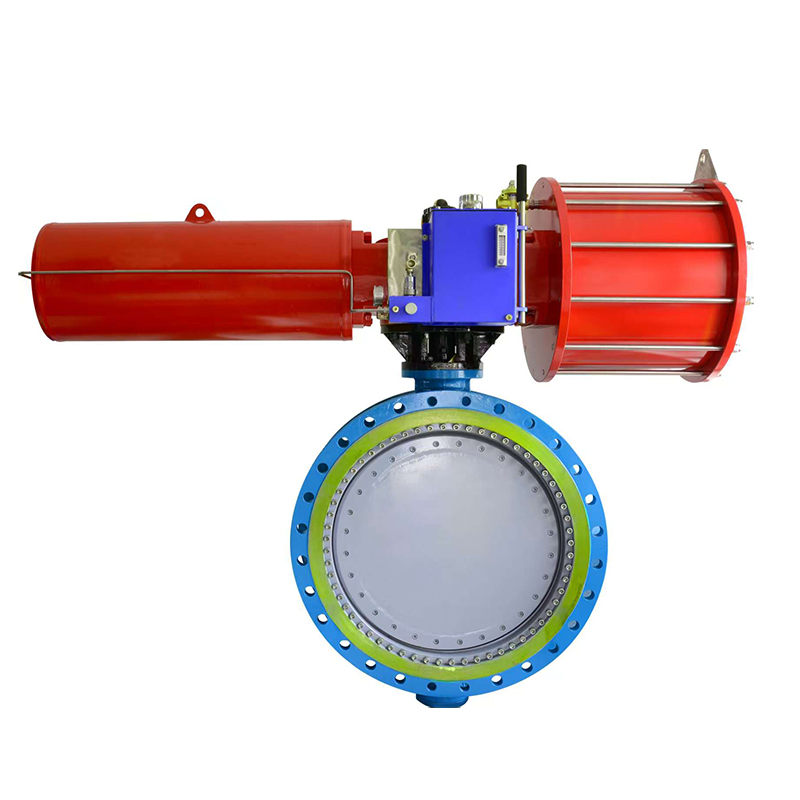
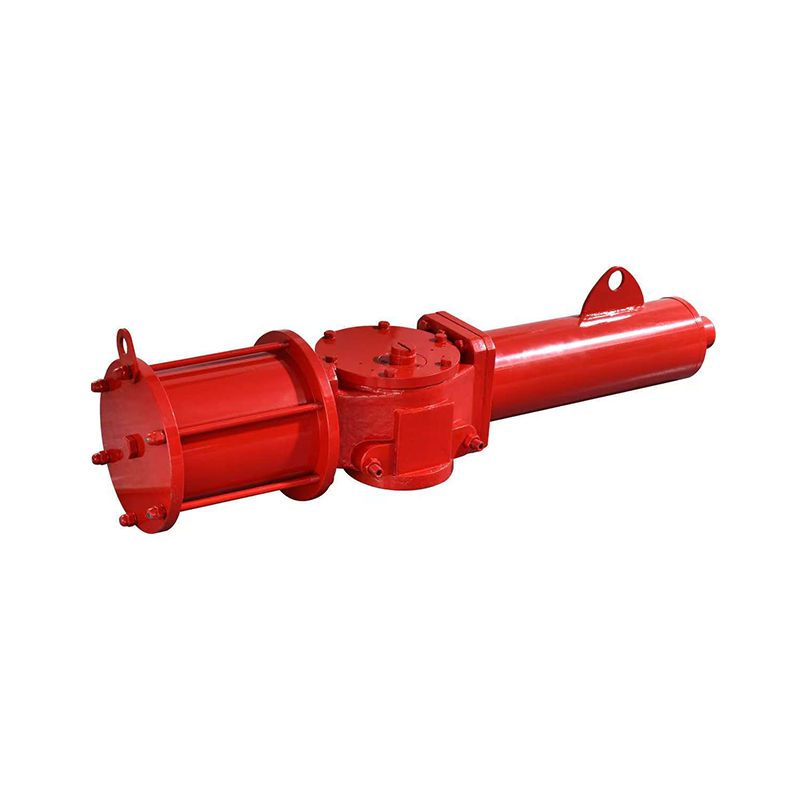
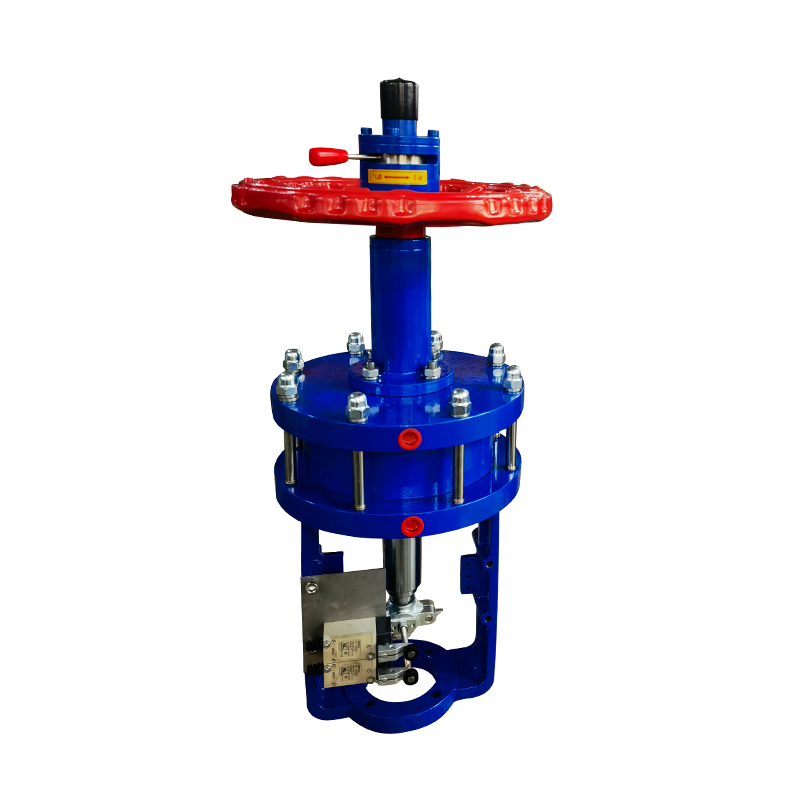
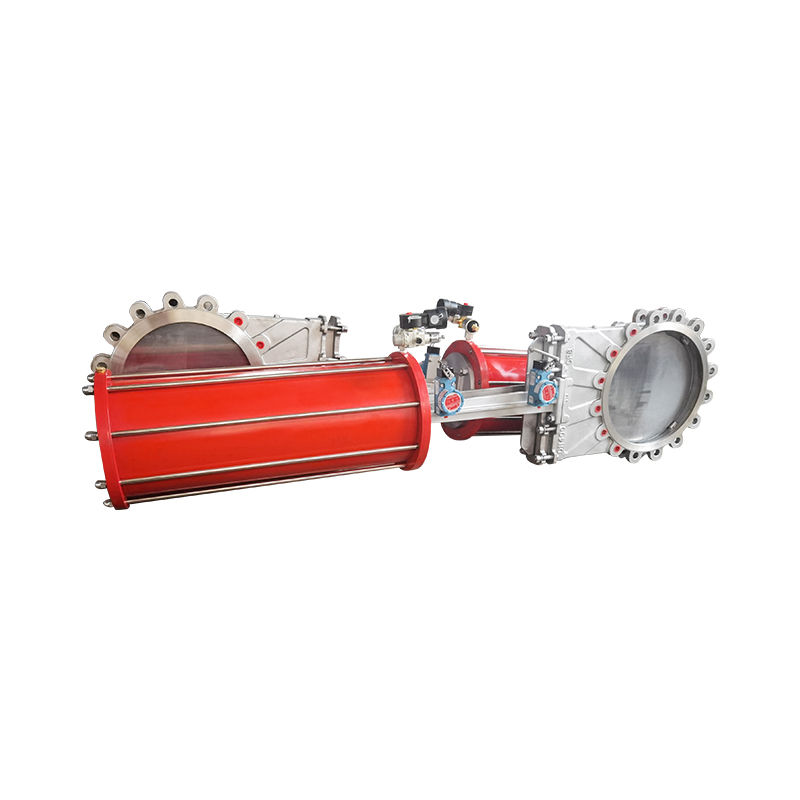
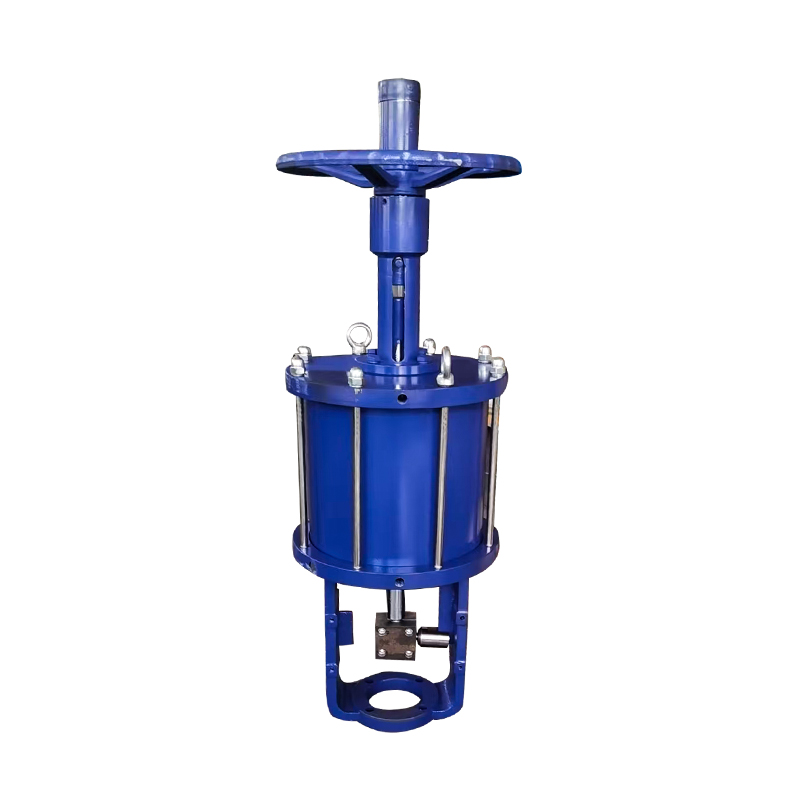
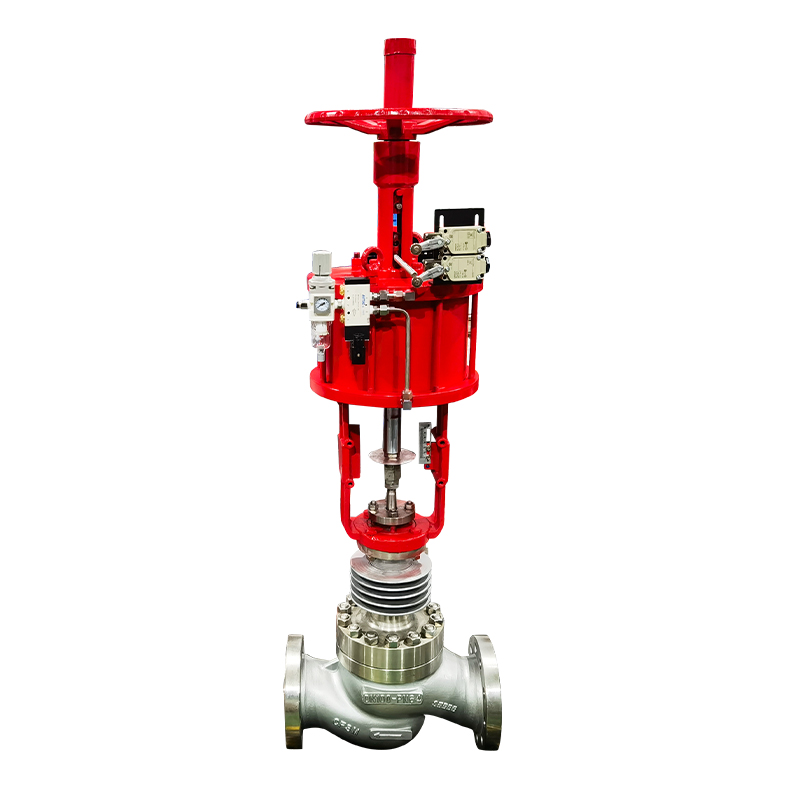
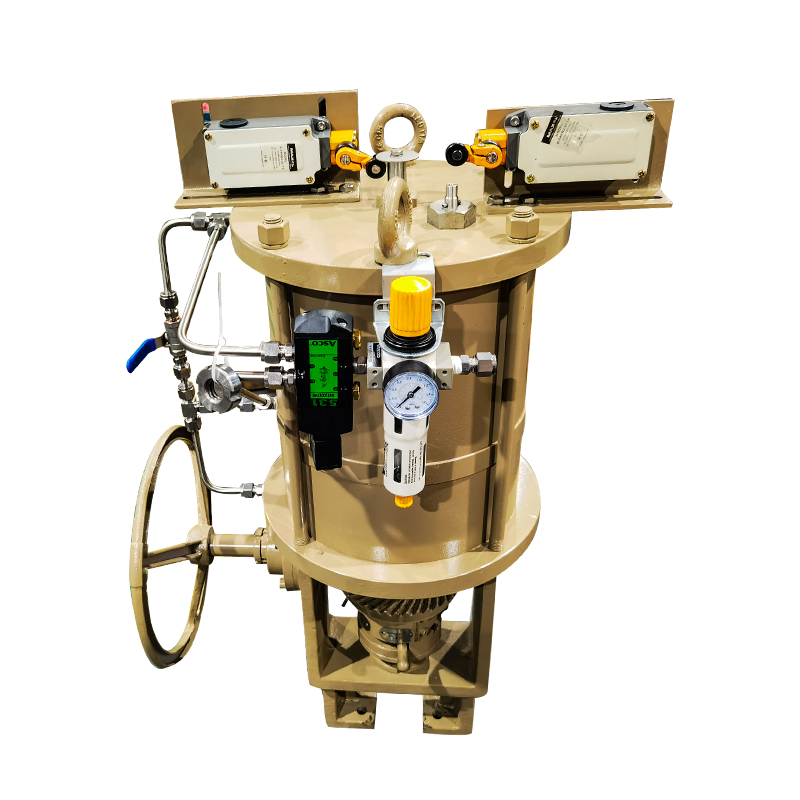
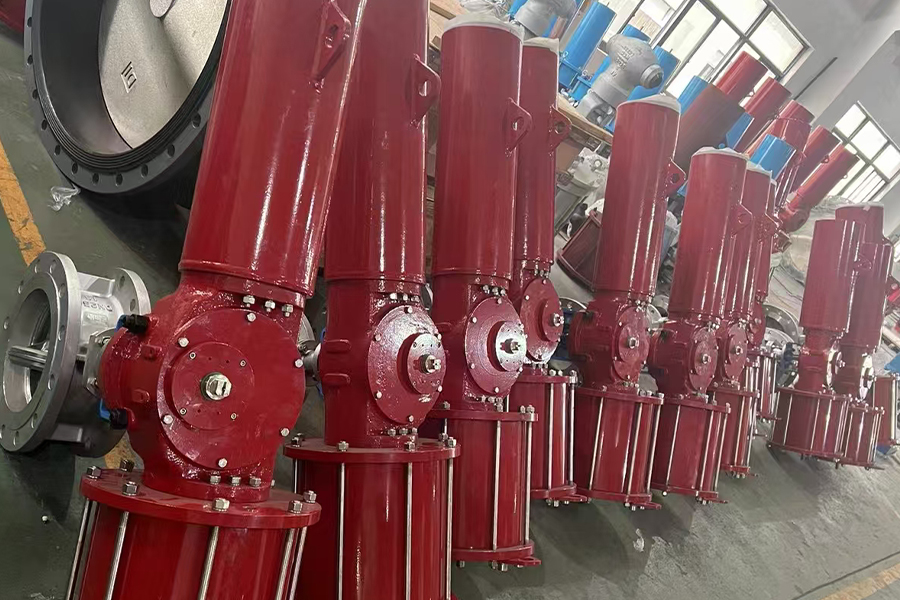
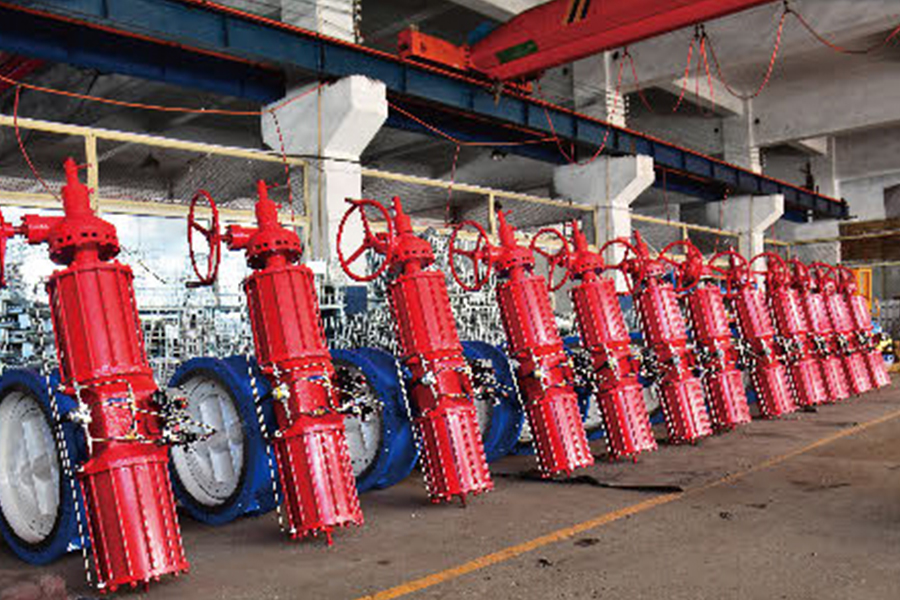
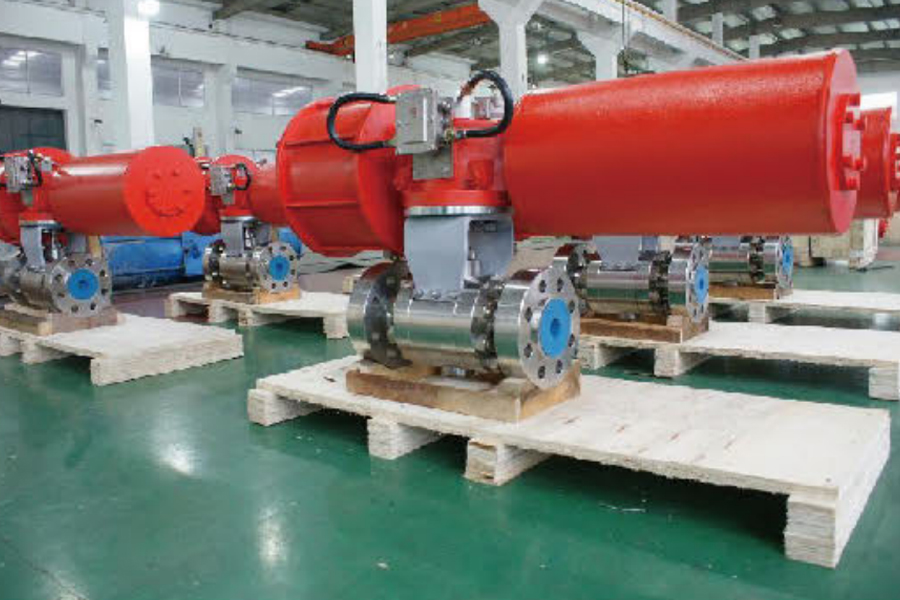
A Fork Type Pneumatic Valve typically features a fork-shaped actuator mechanism that interacts with a control system to regulate compressed air. This design allows for reliable opening and closing of the valve while maintaining consistent air flow.
The fork mechanism also enables the valve to respond quickly to control signals, making it suitable for applications that demand rapid actuation. Its compact structure simplifies installation in confined spaces while providing clear visual feedback of valve position.
Applications Across Industries
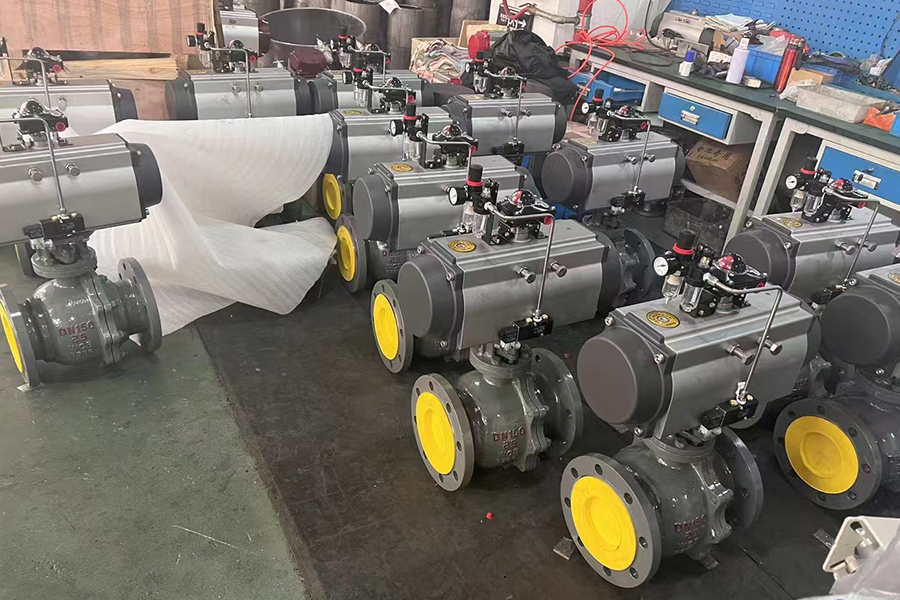
The Fork Type Pneumatic Valve is widely used in industries where air-powered systems are essential. Manufacturing lines, packaging equipment, and material handling systems often rely on this valve to control actuators, cylinders, and other pneumatic devices.
In automation setups, the fork design allows for precise timing and repeatable operations. Whether it is controlling a robotic arm or regulating air flow to multiple stations, the valve ensures consistent performance while minimizing downtime.
Advantages in Performance
One of the key benefits of the Fork Type Pneumatic Valve is its ability to provide accurate, repeatable actuation. Unlike traditional valves, the fork mechanism reduces play or slack in the system, which can improve precision in complex machinery.
Additionally, this design contributes to durability. By reducing friction points and evenly distributing mechanical stress, the valve maintains performance over prolonged use. The result is a component that reliably supports high-speed operations without frequent maintenance.
Ease of Installation and Maintenance
The compact and accessible design of a Fork Type Pneumatic Valve simplifies installation. Its fork-shaped actuator allows for straightforward alignment with cylinders or other mechanical components.
Maintenance is also simplified. Fewer moving parts and clear actuator visibility make it easier to inspect, lubricate, or replace worn components. For factory managers, this translates into lower downtime and more predictable maintenance schedules.
Integration with Modern Systems
Modern factories increasingly rely on automated control systems. The Fork Type Pneumatic Valve can be integrated with electronic sensors and controllers to enable precise air flow regulation.
By combining mechanical reliability with automation compatibility, the valve supports intelligent control systems. Operators can monitor valve status, adjust actuation parameters, and optimize performance for different tasks without manual intervention.
Versatility and Reliability
The adaptability of the fork-type design allows it to perform in various operating conditions. From low-pressure applications in packaging to higher-pressure industrial processes, the valve maintains reliable control of air flow.
Its predictable operation also enhances safety. Consistent actuation reduces the risk of unexpected motion in connected cylinders or machinery, protecting both equipment and operators.
The Fork Type Pneumatic Valve is a practical and adaptable solution for modern pneumatic systems. Its fork-shaped actuator offers precise, repeatable performance while supporting integration with automated control systems.
By combining reliability, ease of maintenance, and versatility across industries, this valve is more than a simple component—it is a tool for improving efficiency, safety, and control in industrial environments. For engineers and operators seeking dependable pneumatic solutions, the fork-type valve provides a balance of performance and practicality that addresses the demands of modern automation.