

 English
 русский



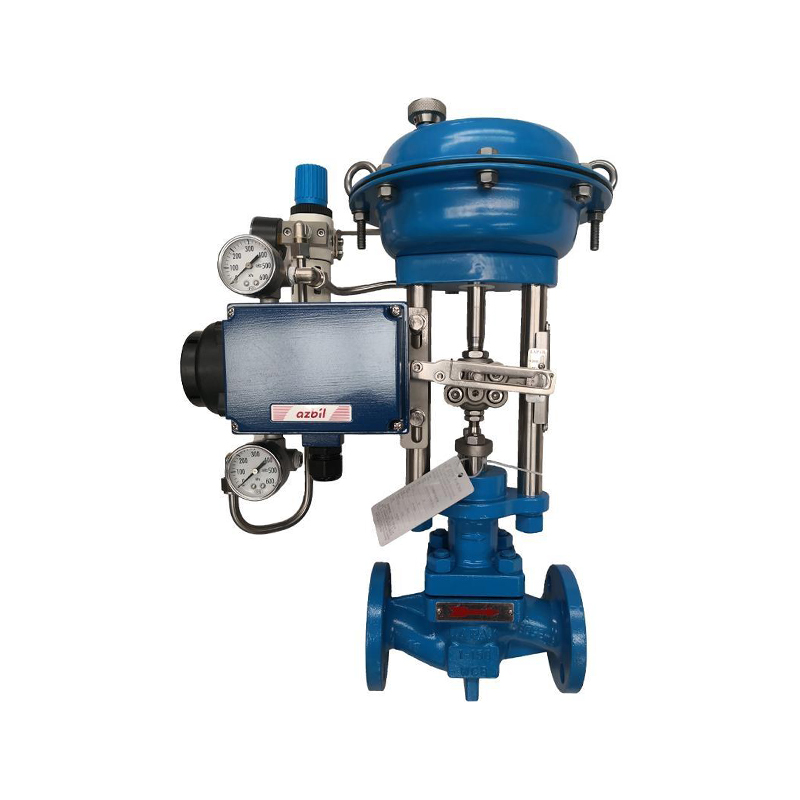
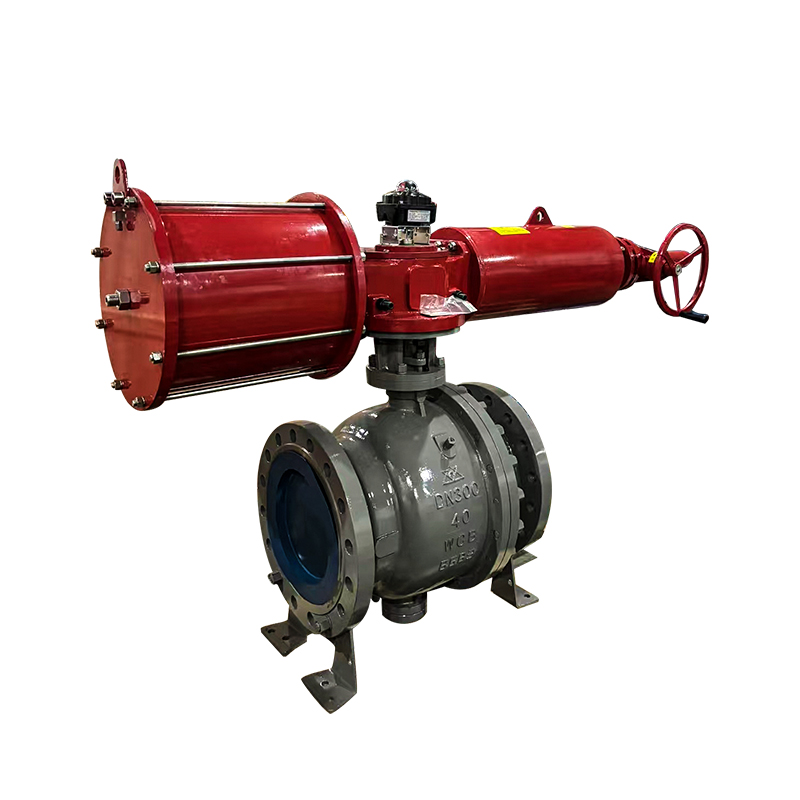
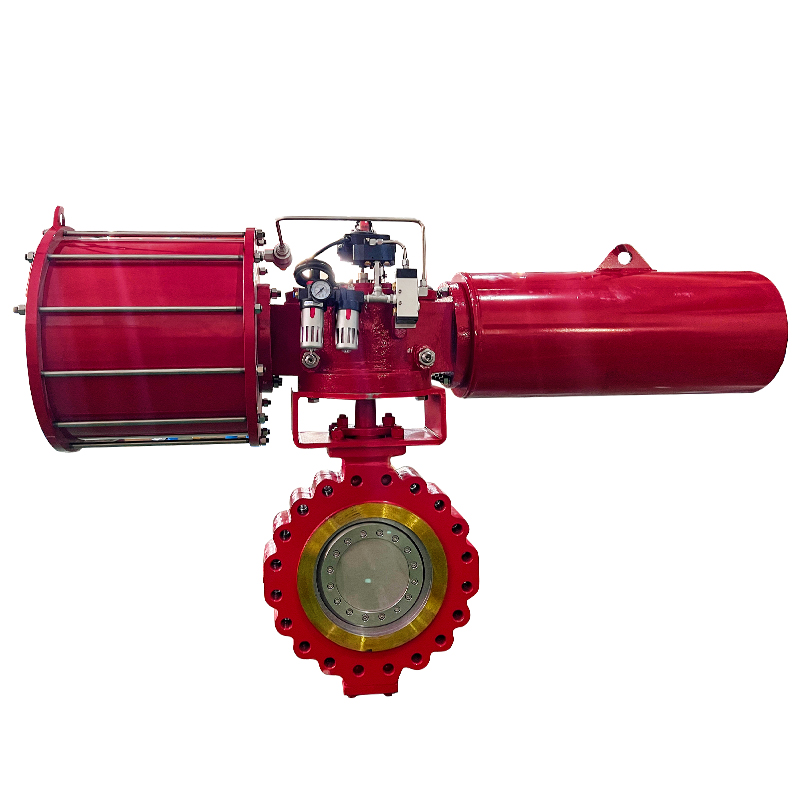
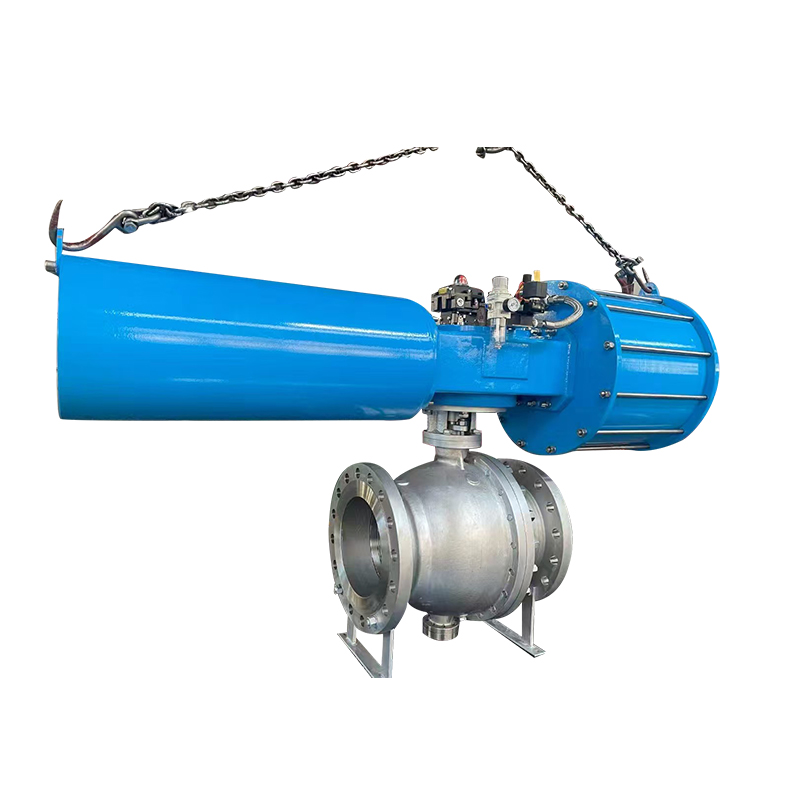
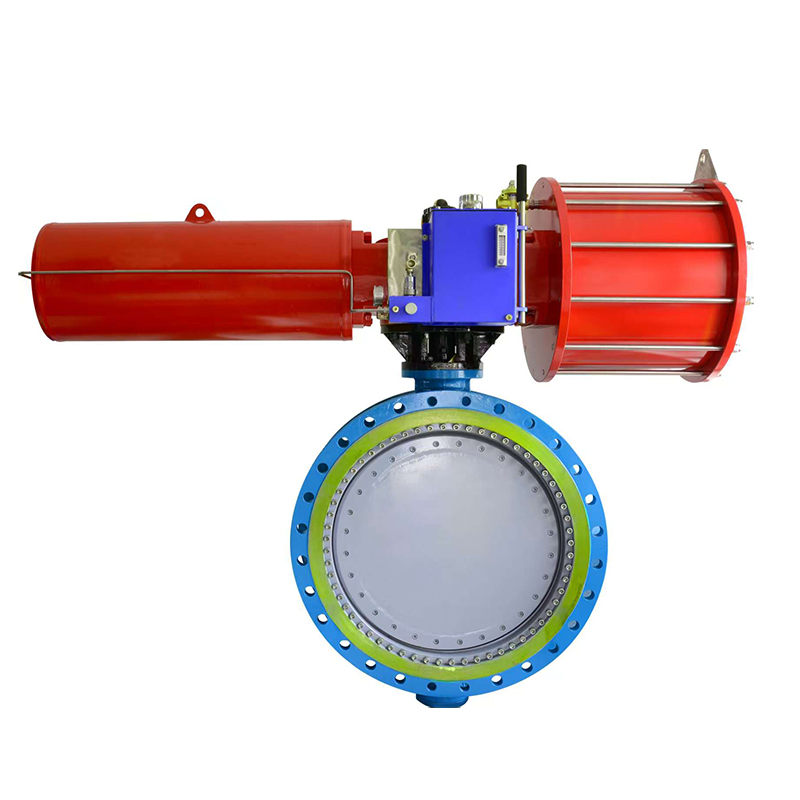
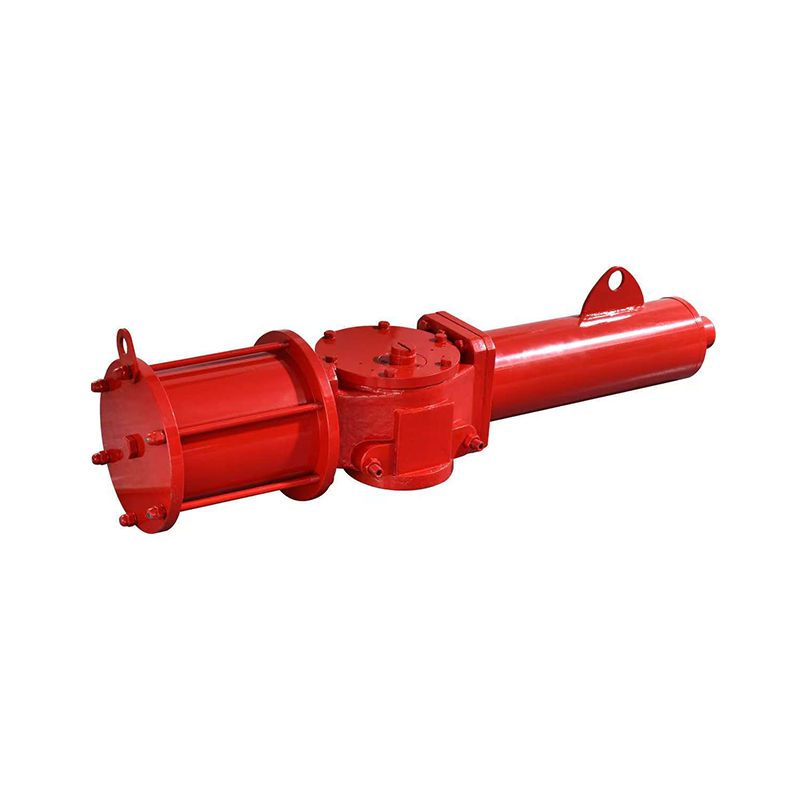
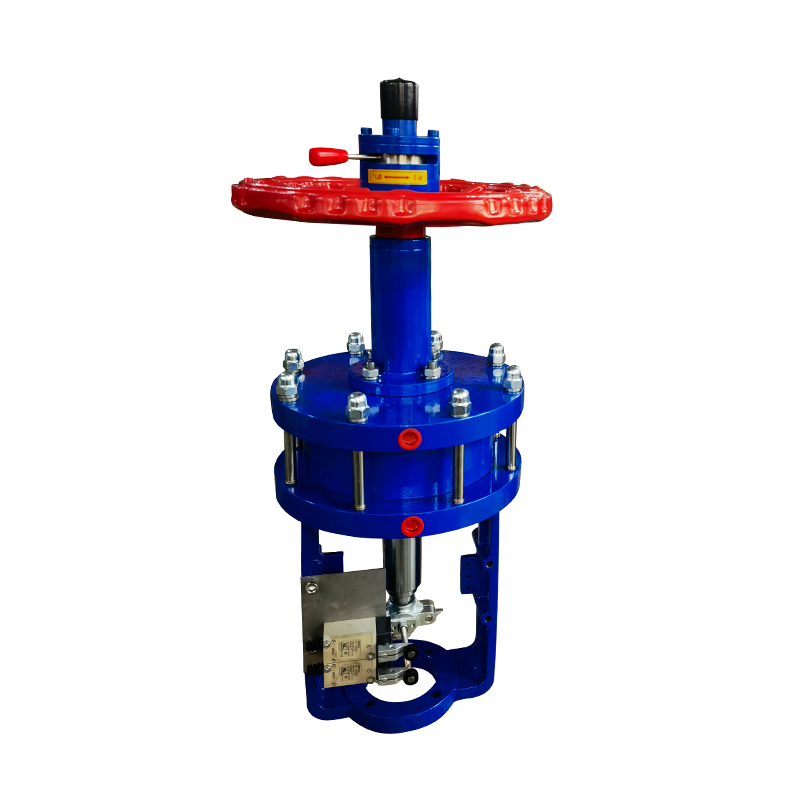
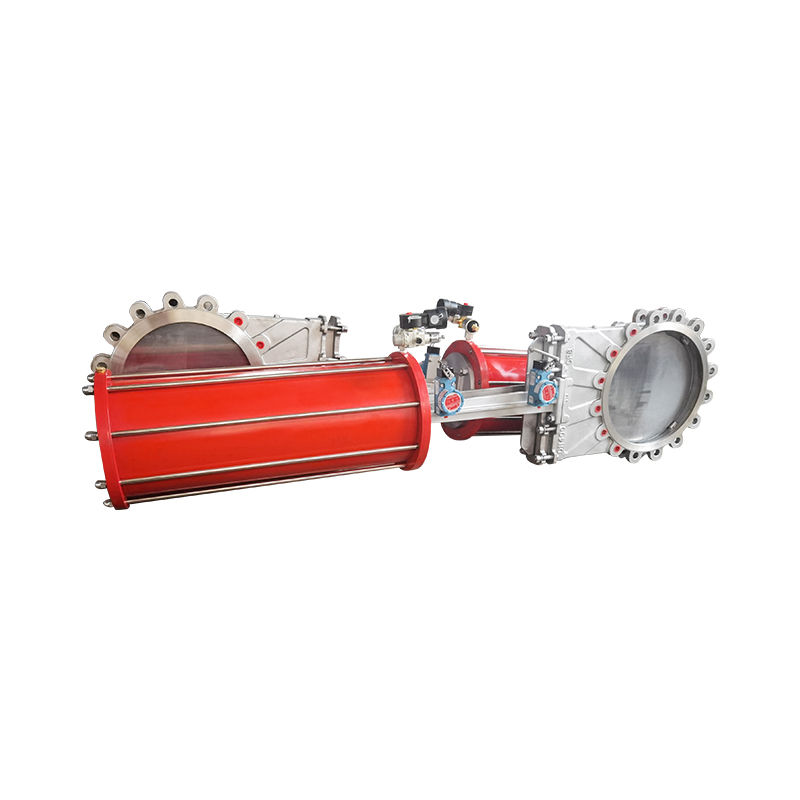
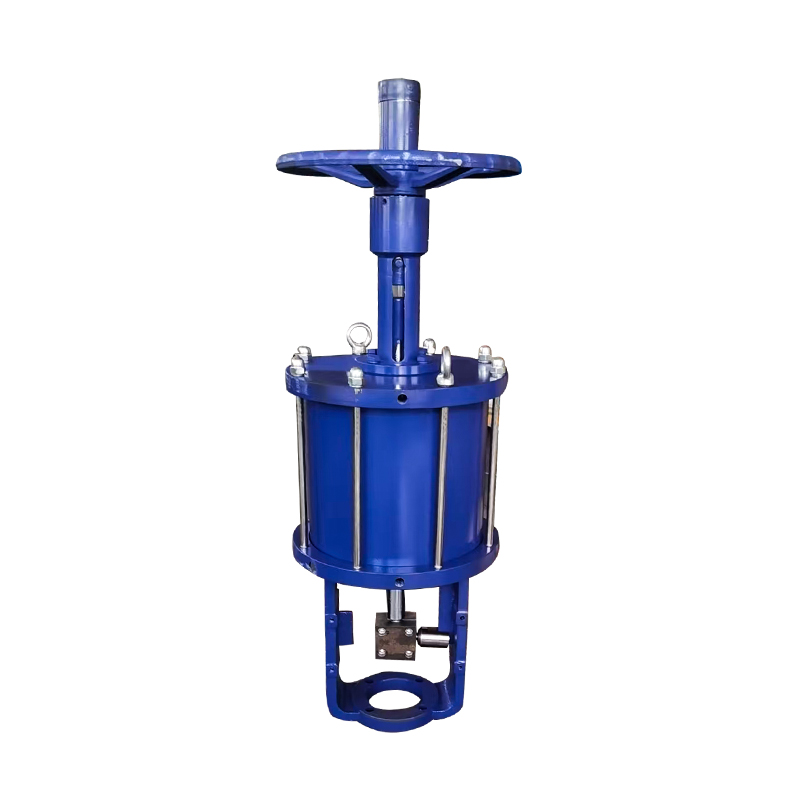
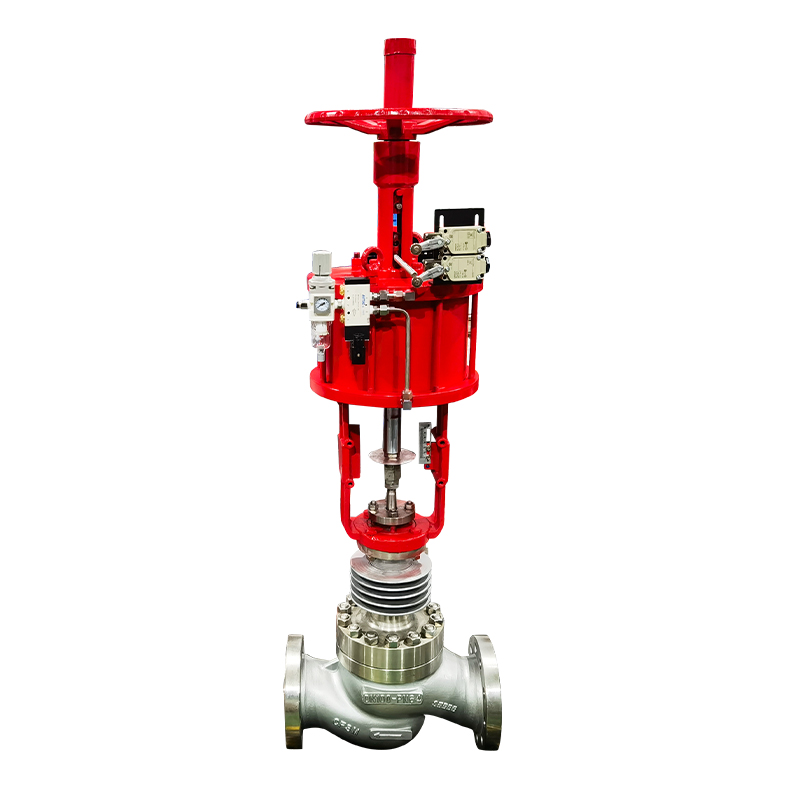
In modern industrial automation, controlling compressed air or gas flow is critical for operational efficiency. One key component in pneumatic systems is the Piston Pneumatic Valve. These valves regulate, start, or stop airflow in industrial equipment, helping businesses maintain precision, safety, and reliability in automated processes.
What is a Piston Pneumatic Valve?
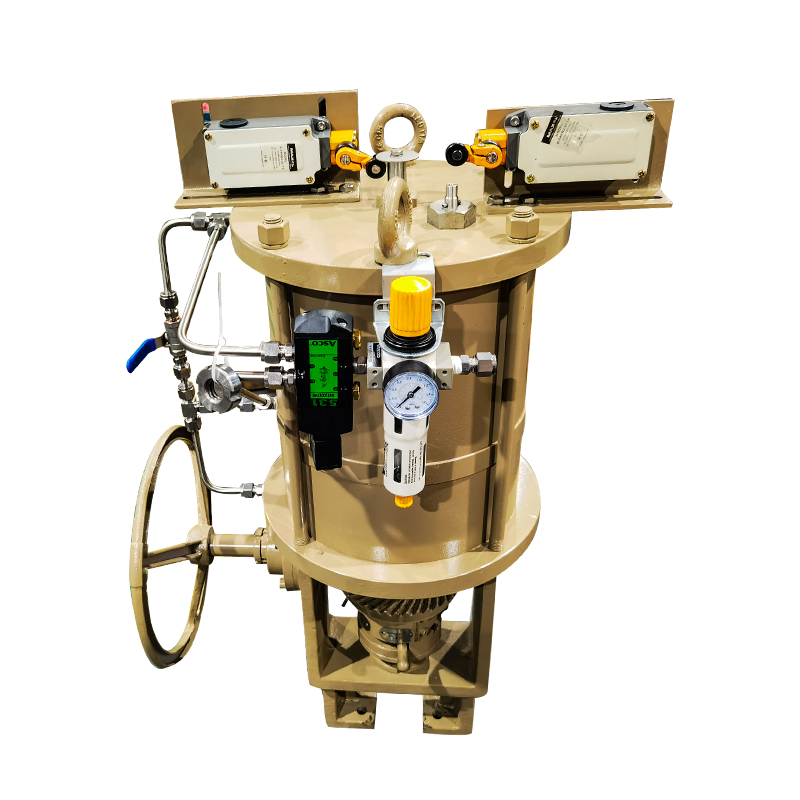
A Piston Pneumatic Valve uses a piston mechanism to control the movement of air or gas within a pipeline. When actuated, the piston slides within a chamber, opening or closing flow paths according to operational requirements. Compared to traditional spool or diaphragm valves, piston pneumatic valves provide faster response times and consistent sealing performance, making them suitable for demanding industrial applications.
These valves are typically rated for specific pressure ranges and can be operated manually, electrically, or pneumatically, depending on system integration needs. Standardized dimensions and performance specifications help ensure compatibility with a wide range of industrial equipment.
Key Features and Advantages
Piston Pneumatic Valves offer several advantages that appeal to B2B buyers:
- Rapid Actuation: Piston movement allows quick opening and closing, which is essential for automated systems
- Durable Sealing: Reliable sealing reduces leakage and maintains operational efficiency
- Compact Design: Smaller footprint compared to other valve types, saving installation space
- Versatility: Suitable for controlling air, inert gases, or low-viscosity fluids in various industrial applications
These features make piston pneumatic valves practical choices for manufacturing plants, packaging lines, and automated material handling systems.
Applications in Industrial Settings
Industrial clients rely on Piston Pneumatic Valves across multiple sectors:
- Automotive Manufacturing: Controlling pneumatic cylinders and actuators in assembly lines
- Food and Beverage Processing: Regulating air-driven equipment in production and packaging
- Material Handling: Ensuring precise control of pneumatic conveyors or pick-and-place systems
- Electronics Manufacturing: Operating small-scale pneumatic actuators in cleanroom environments
When sourcing piston pneumatic valves, B2B buyers evaluate performance consistency, material compatibility, and maintenance requirements to ensure long-term reliability.
Selection Considerations for Buyers
When choosing a Piston Pneumatic Valve, industrial buyers often focus on:
- Pressure and Flow Ratings: Matching the valve to system specifications
- Actuation Method: Selecting manual, electric, or pneumatic actuation depending on operational needs
- Material Selection: Ensuring resistance to corrosion, wear, and environmental conditions
- Maintenance and Serviceability: Ease of inspection and replacement of piston seals or other components
Working with reputable suppliers ensures that valves meet operational standards and minimize downtime in production processes.
Maintenance and Longevity
Maintenance of piston pneumatic valves is generally straightforward. Periodic inspection of seals, pistons, and actuator mechanisms, along with lubrication as needed, helps maintain smooth operation. Durable construction and consistent performance reduce operational interruptions, which is a significant consideration for industrial procurement teams.
A Piston Pneumatic Valve is an essential component in modern industrial systems where precise control of airflow is necessary. By combining fast actuation, reliable sealing, and adaptability to multiple applications, these valves support efficient automation in manufacturing, processing, and material handling environments.
For B2B buyers, selecting the right piston pneumatic valve involves evaluating pressure ratings, actuation methods, and material durability. Investing in valves that meet these standards ensures operational efficiency, reduces maintenance requirements, and provides consistent performance across automated processes.