

 English
 русский



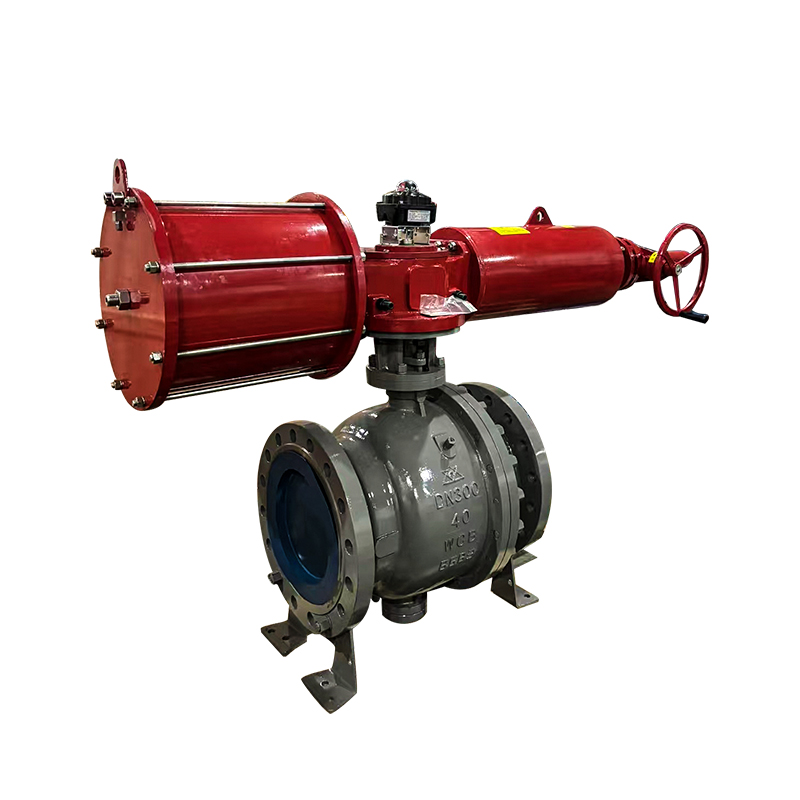
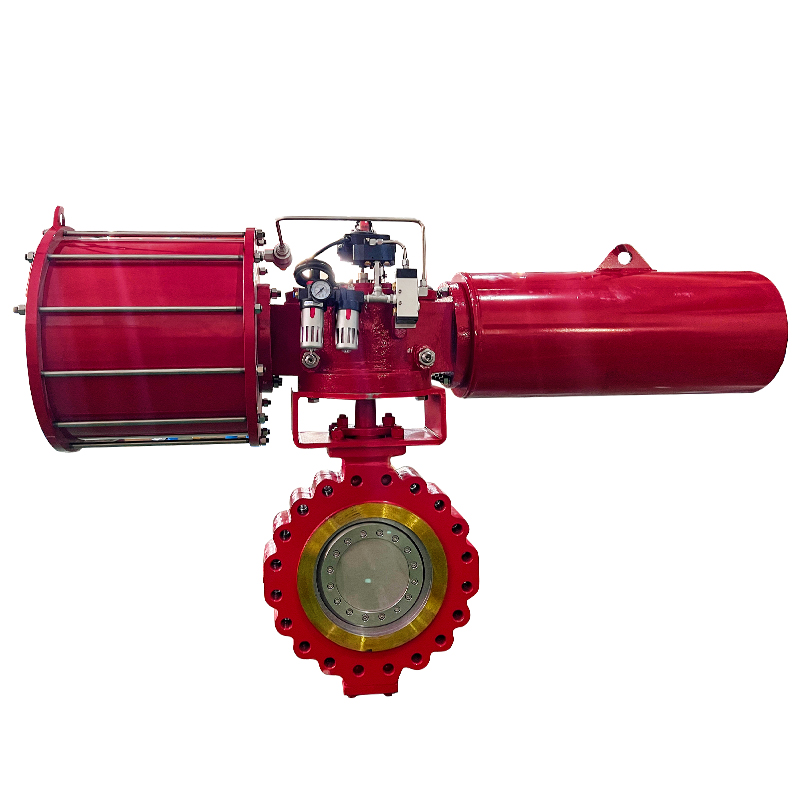
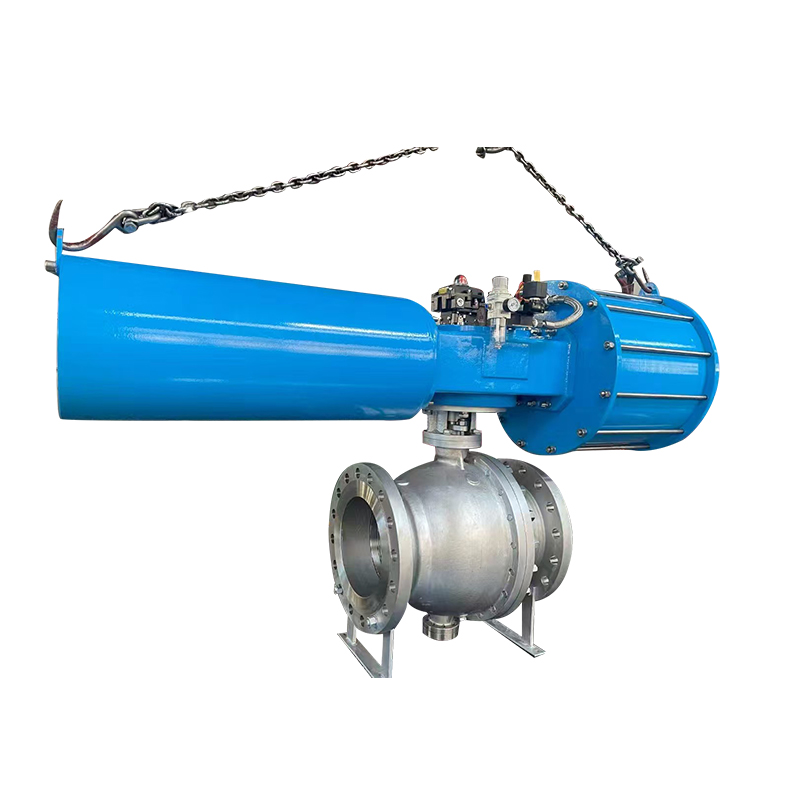
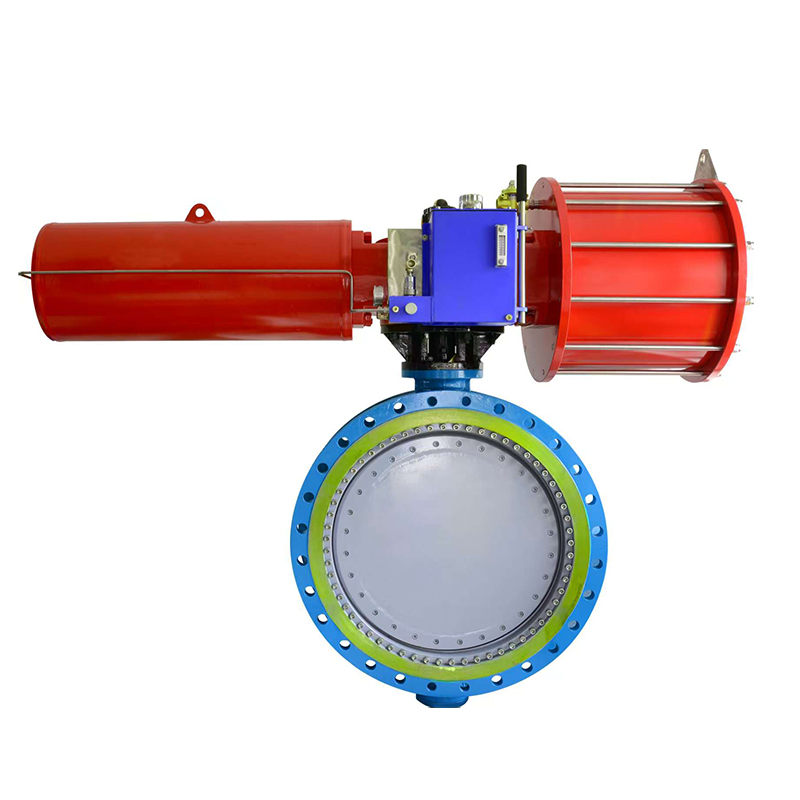
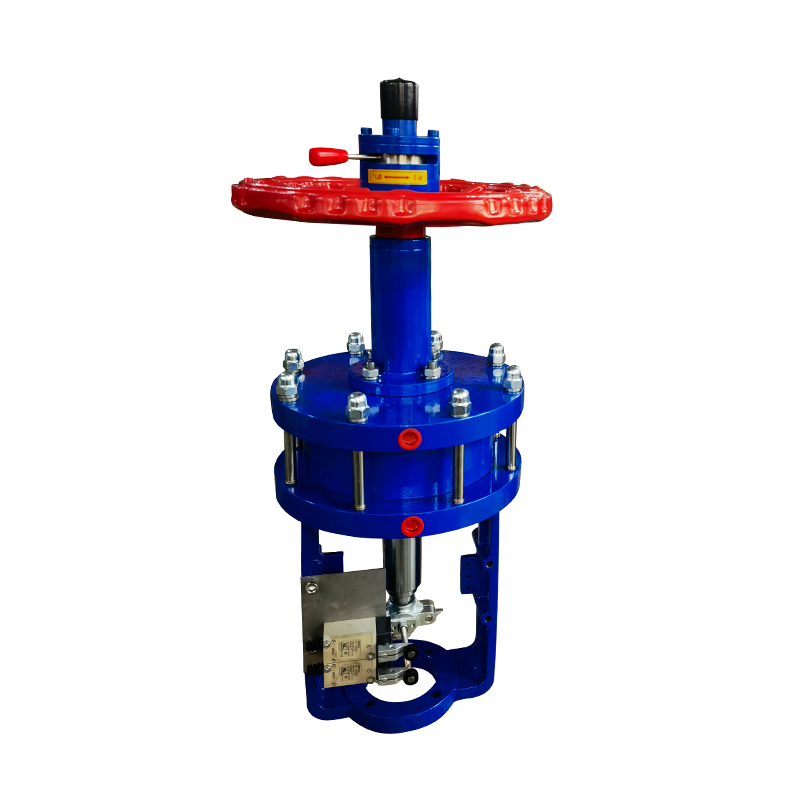
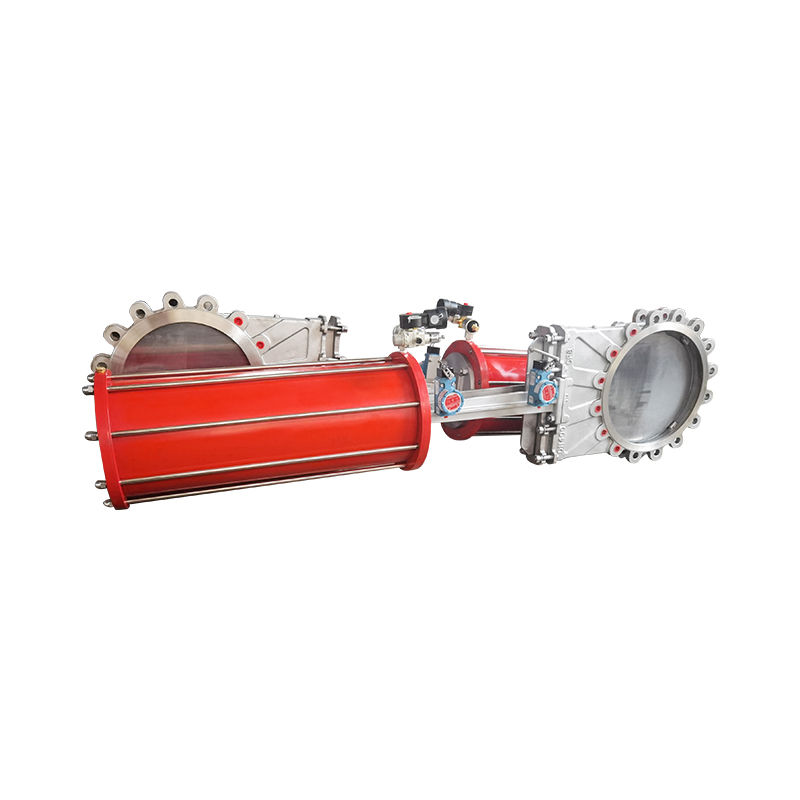
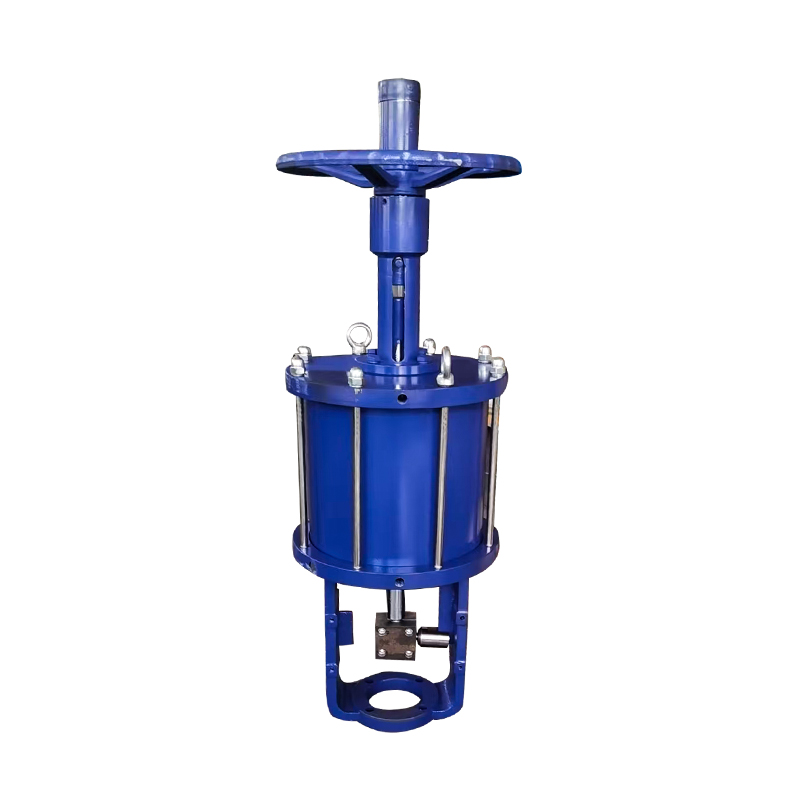
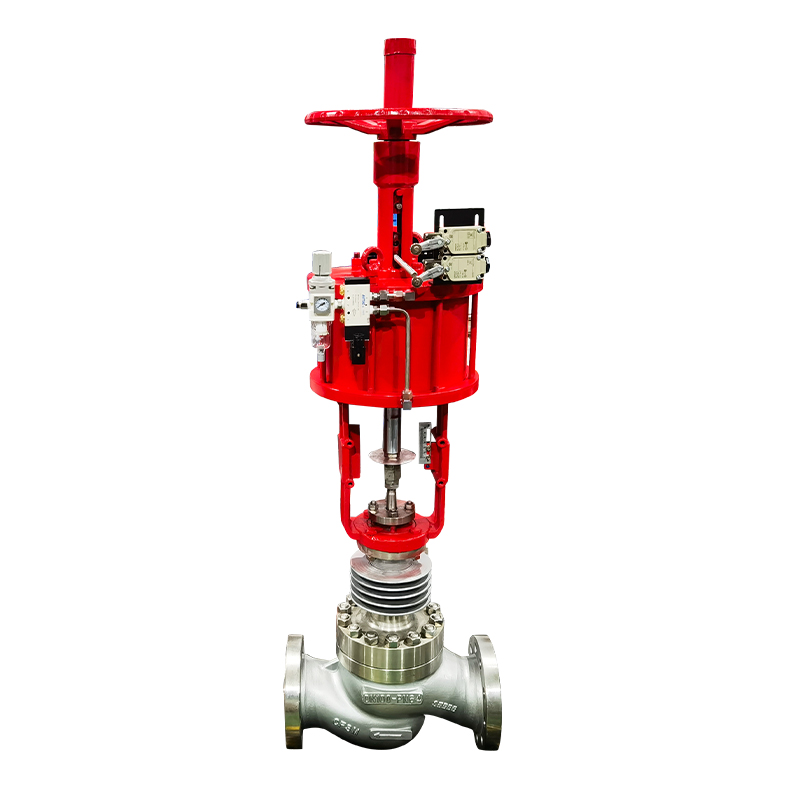
Industrial systems that rely on the precise control of air or fluid flow require reliable valve solutions. The fork type pneumatic valve is a specialized component that allows automated and efficient management of pneumatic systems. With its distinct forked actuator design, this valve ensures responsive operation and adaptability for a variety of industrial applications.
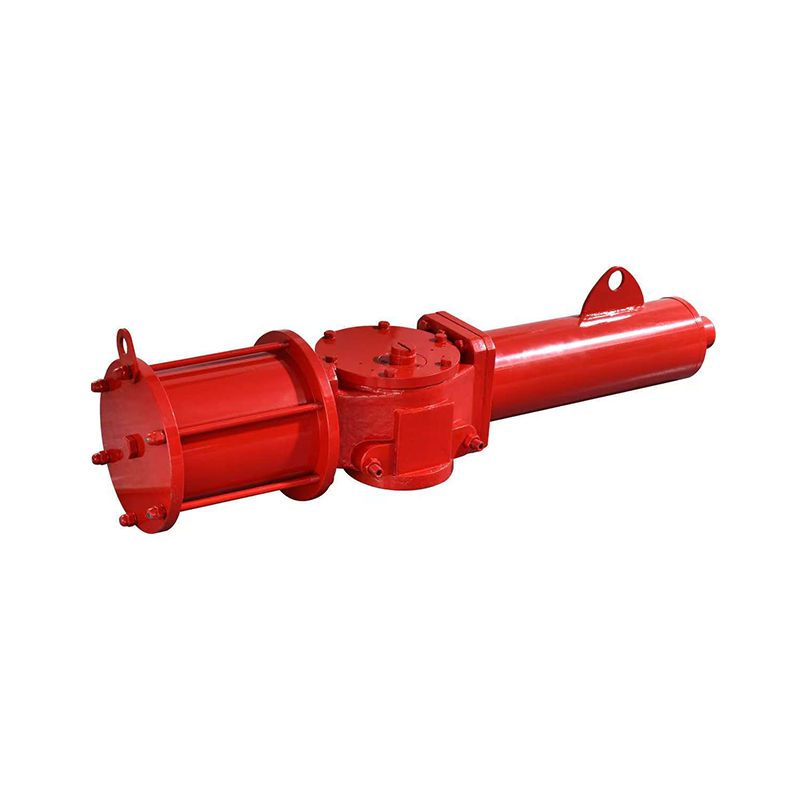
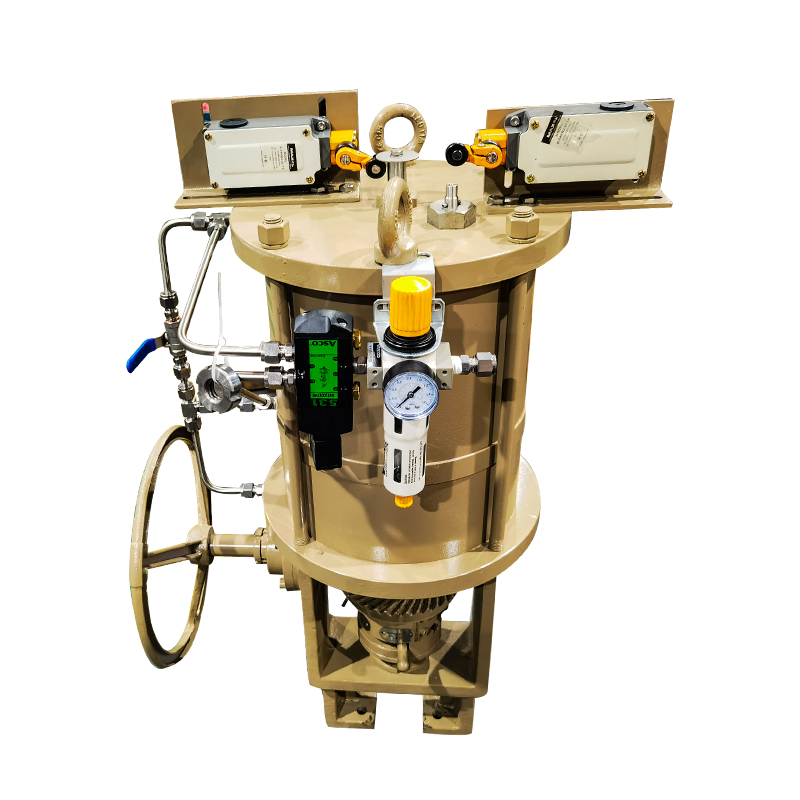
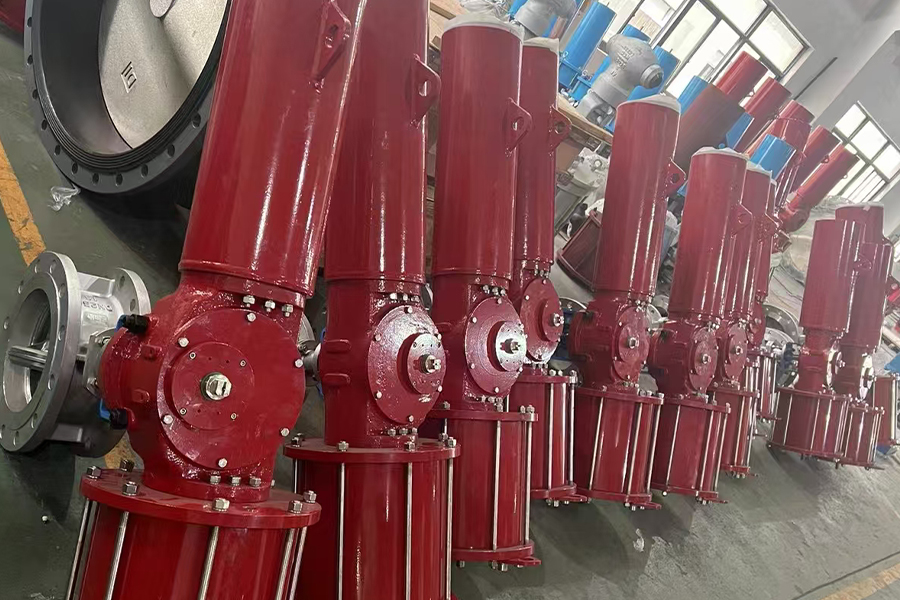
A fork type pneumatic valve consists of a main body and a forked actuator that interacts with the valve stem to control the opening and closing of the flow passage. Unlike conventional pneumatic valves, the fork design enables stable movement and reduces wear on the internal components, extending service life.
These valves are typically made from robust materials such as stainless steel, aluminum, or engineered polymers. Their compatibility with compressed air, inert gases, and some liquids makes them suitable for assembly lines, packaging machinery, and automated manufacturing systems.
Advantages for Industrial Operators
The fork type pneumatic valve provides multiple benefits for industrial users:
- Precision Control: The forked actuator allows smoother movement, ensuring accurate flow regulation.
- Durable Operation: Reduced internal friction minimizes maintenance needs and extends operational life.
- Automation-Friendly: Easily integrated into automated pneumatic systems, supporting centralized or remote control.
For businesses, these advantages translate to more predictable processes, less downtime, and consistent output.
Design and Selection Considerations
Selecting a fork type pneumatic valve for B2B operations requires attention to several factors:
- Material and Medium Compatibility: Ensure the valve body and seals match the type of air or fluid to avoid corrosion or leakage.
- Actuation Pressure: Confirm that the pneumatic actuator can handle operational pressures safely.
- Valve Size and Flow Capacity: Proper sizing guarantees efficient performance and prevents bottlenecks in production lines.
Addressing these considerations helps companies make informed purchasing decisions and maintain reliable system operation.
Installation and Maintenance
Installation typically involves securing the valve in line with the pneumatic system and connecting the actuator to a compressed air source. Regular maintenance focuses on actuator performance, seal condition, and overall cleanliness to prevent contamination or obstruction.
B2B procurement benefits from suppliers who provide bulk orders, spare parts, and technical support. This ensures minimal disruption in industrial operations and supports long-term reliability.
Applications Across Industries
The fork type pneumatic valve is suitable for various industrial settings, including:
- Automated Manufacturing: Controlling air flow in assembly lines and robotic systems.
- Packaging Machinery: Managing pneumatic actuators in filling, capping, or sealing equipment.
- Material Handling Systems: Regulating actuators in conveyor or sorting systems.
- Process Industries: Supporting pneumatic control in chemical, food, or pharmaceutical production.
Its adaptability and durability make it a practical choice for B2B clients seeking efficient flow control solutions.
Supporting Operational Efficiency
Integrating fork type pneumatic valves into industrial systems helps reduce manual intervention, improve precision, and maintain continuous production. Their responsive operation and reduced wear contribute to longer service life and lower maintenance costs, providing measurable value for commercial operations.
A fork type pneumatic valve combines precision, durability, and automation-friendly design to meet diverse industrial needs. Its reliable performance and adaptability make it an essential component for companies aiming to enhance pneumatic system efficiency and maintain smooth industrial operations.