

 English
 русский



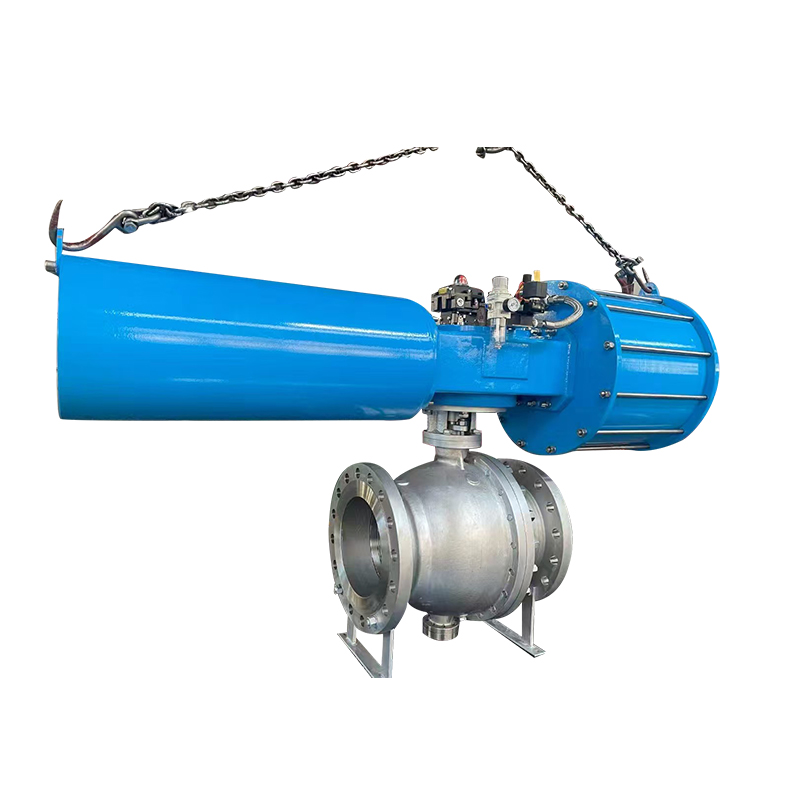
Pneumatic valves play a key role in automated industrial systems, where precise and reliable control of fluid or gas flow is required. Among various actuator designs, the Fork Type Pneumatic Valve is widely used due to its compact structure and stable performance. Understanding how this type of valve works and where it is applied can help engineers and buyers select suitable solutions for different operating conditions.
Basic Concept of a Fork Type Pneumatic Valve
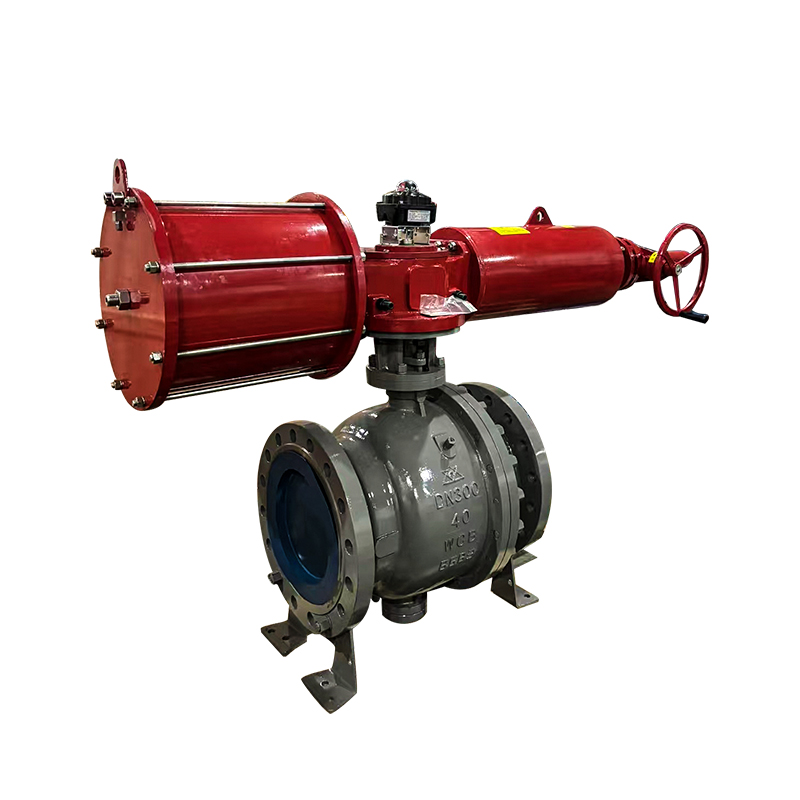
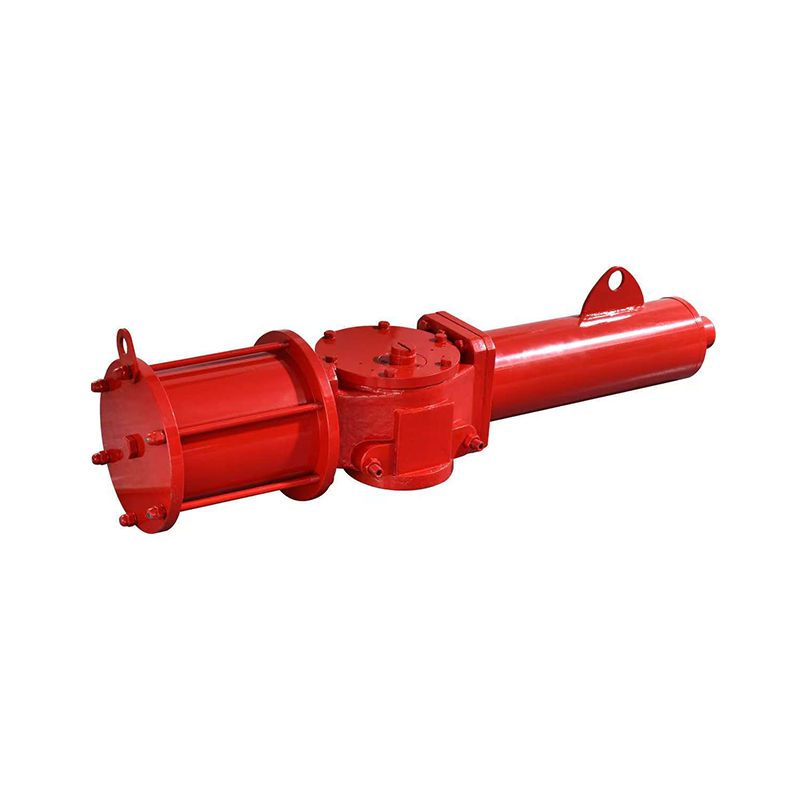
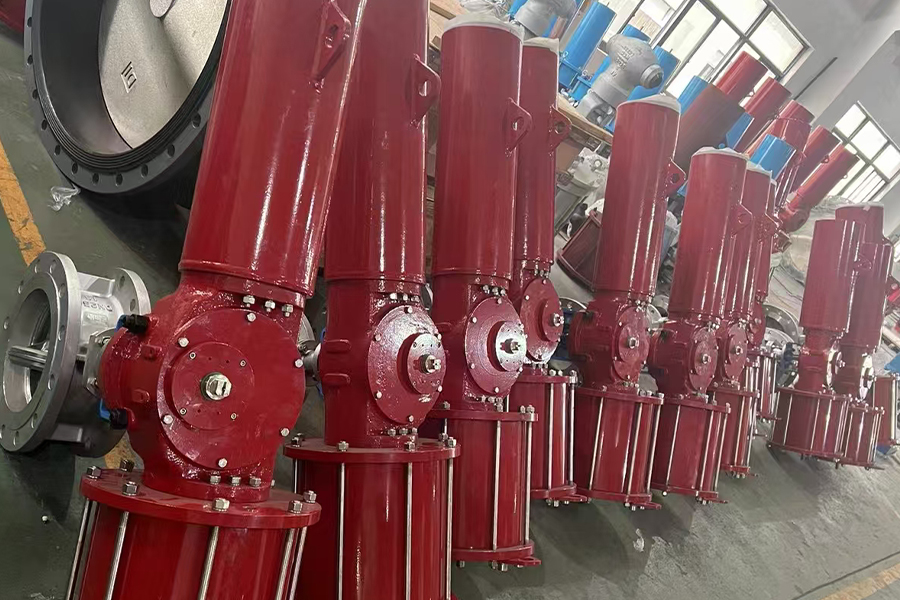
A Fork Type Pneumatic Valve uses compressed air to drive a fork-shaped mechanism that converts linear motion into rotational movement. This design allows the actuator to open or close the valve efficiently while maintaining stable torque output. The fork structure helps distribute force evenly, reducing mechanical stress during operation.
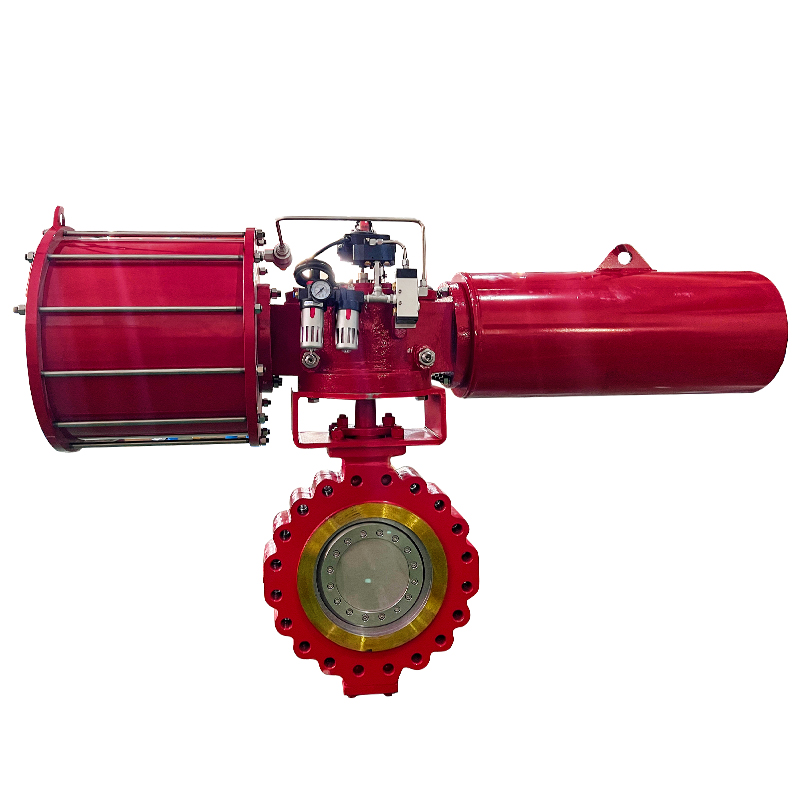
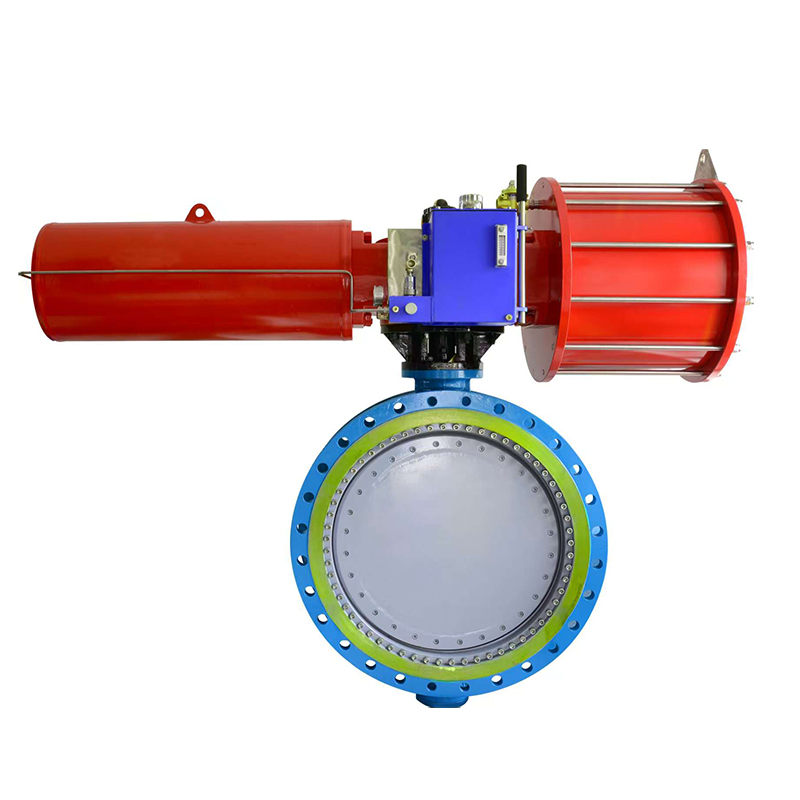
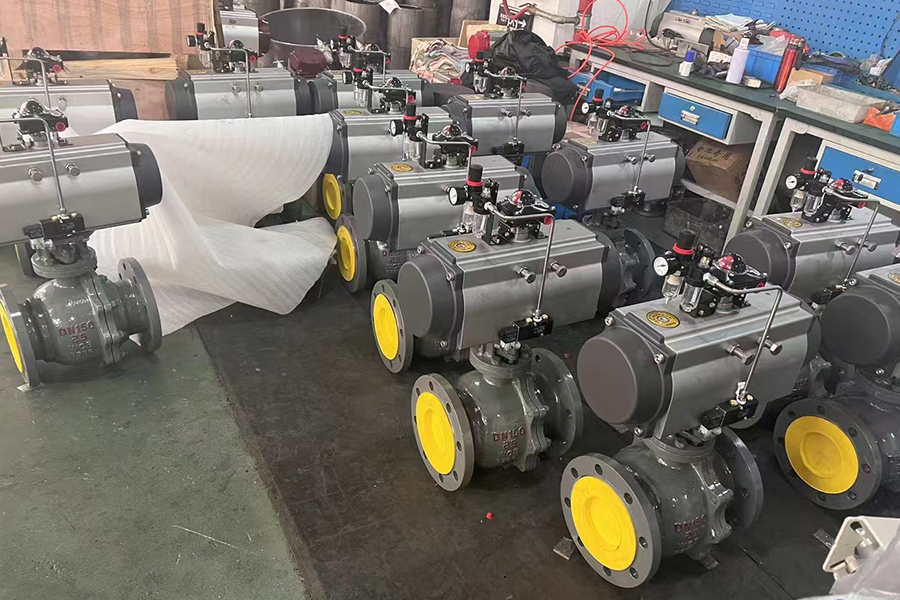
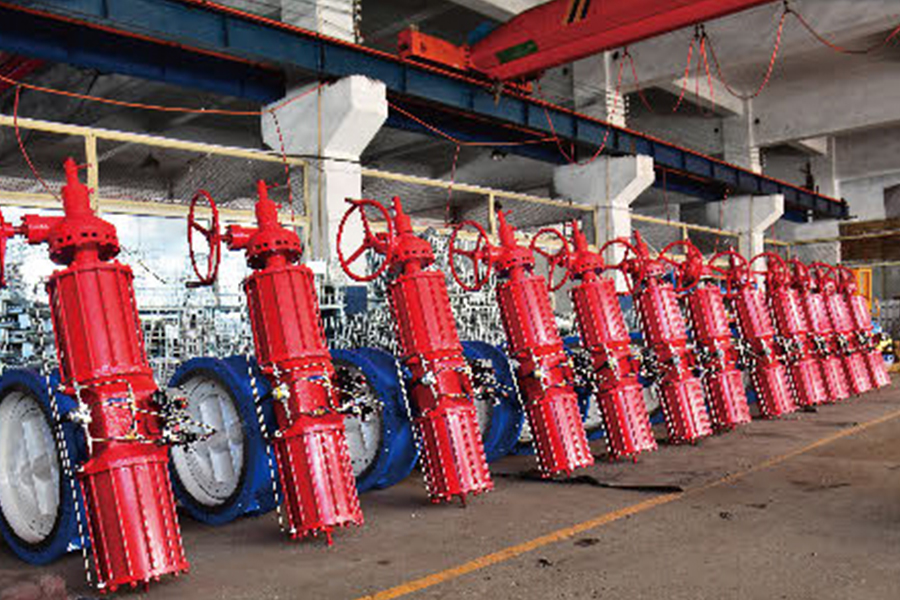
Because of this design, the Fork Type Pneumatic Valve is commonly paired with ball valves, butterfly valves, and plug valves in automated systems that require frequent switching or precise positioning.
Structural Design and Key Components
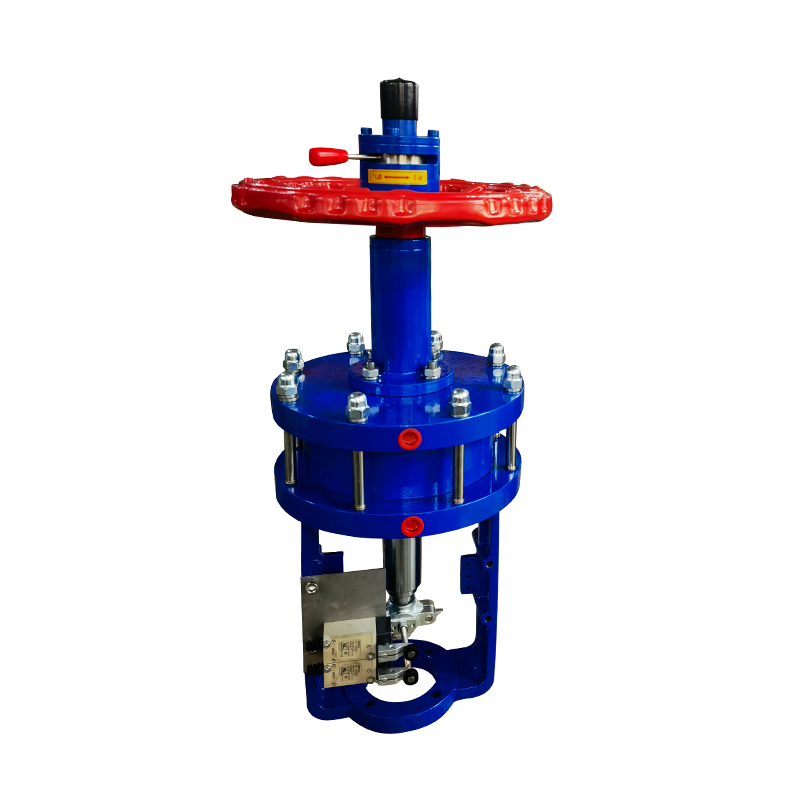
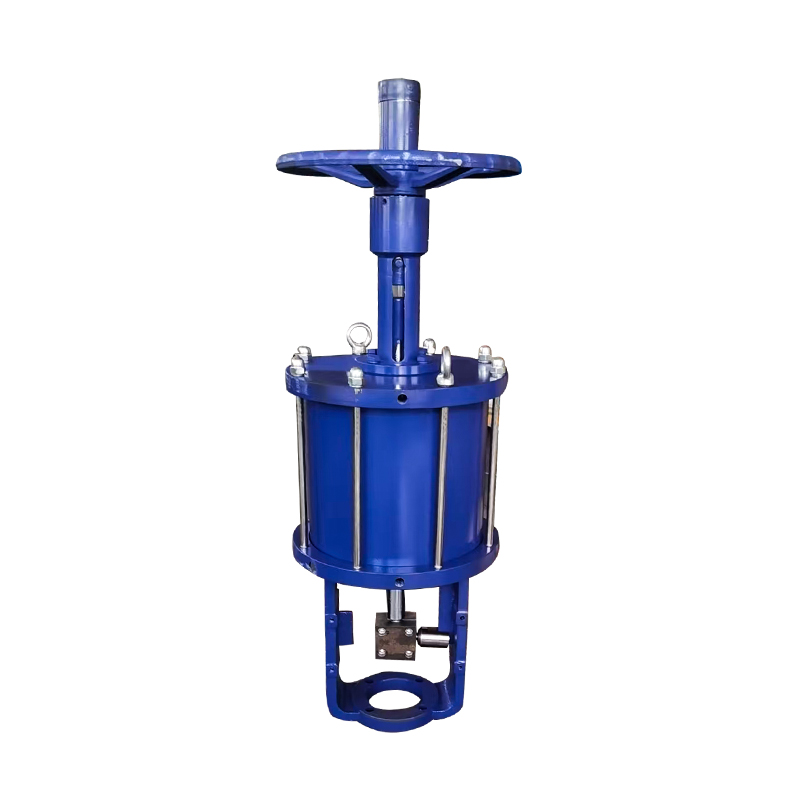
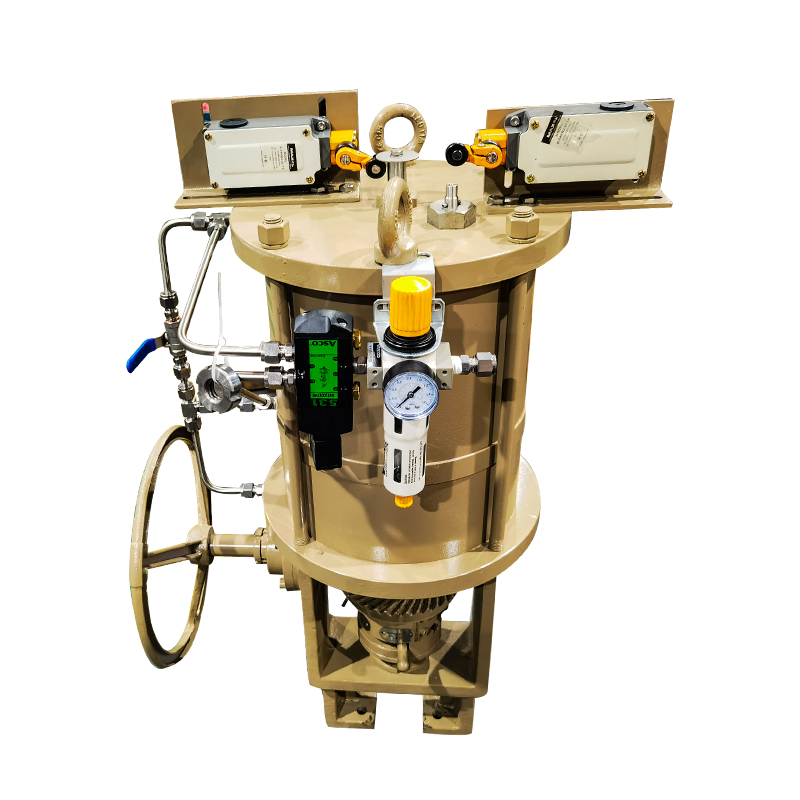
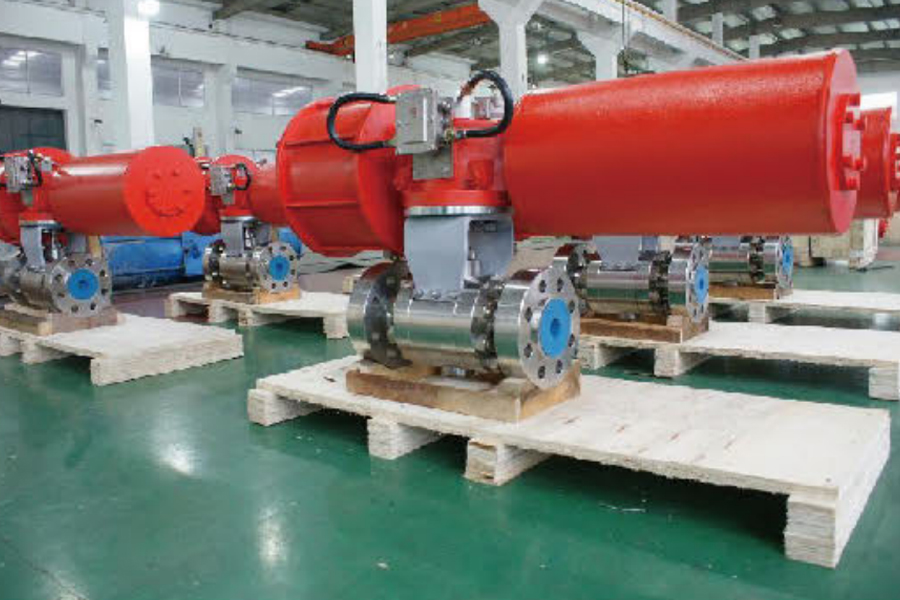
The main components of a Fork Type Pneumatic Valve include the actuator body, pistons, fork mechanism, output shaft, seals, and air ports. When compressed air enters the chamber, the pistons move inward or outward, driving the fork arms to rotate the shaft.
This mechanical layout allows smooth motion and consistent response, even under variable pressure conditions. The compact arrangement also helps save installation space, making the valve suitable for systems with limited room or dense piping layouts.
Materials and Manufacturing Considerations
Material selection is an important factor in valve reliability. Fork Type Pneumatic Valve housings are commonly made from aluminum alloys or carbon steel, offering a balance between strength and weight. Internal components are treated to resist wear, corrosion, and friction.
Seals and bearings are selected to handle repeated cycles and exposure to air, moisture, or industrial media. Manufacturers also apply surface treatments such as anodizing or coating to improve durability and extend service life in demanding environments.
Performance in Industrial Applications
The Fork Type Pneumatic Valve is widely used in industries such as chemical processing, water treatment, oil and gas, food production, and power generation. Its stable torque output allows precise valve positioning, which is important for regulating flow and maintaining process consistency.
In automated pipelines, these valves respond quickly to control signals and integrate easily with control systems. Their predictable motion makes them suitable for on-off control as well as limited modulation tasks, depending on system design.
Installation and System Integration
Installing a Fork Type Pneumatic Valve is relatively straightforward due to standardized mounting interfaces. The valve actuator can be mounted directly onto compatible valve bodies, reducing the need for additional brackets or adapters.
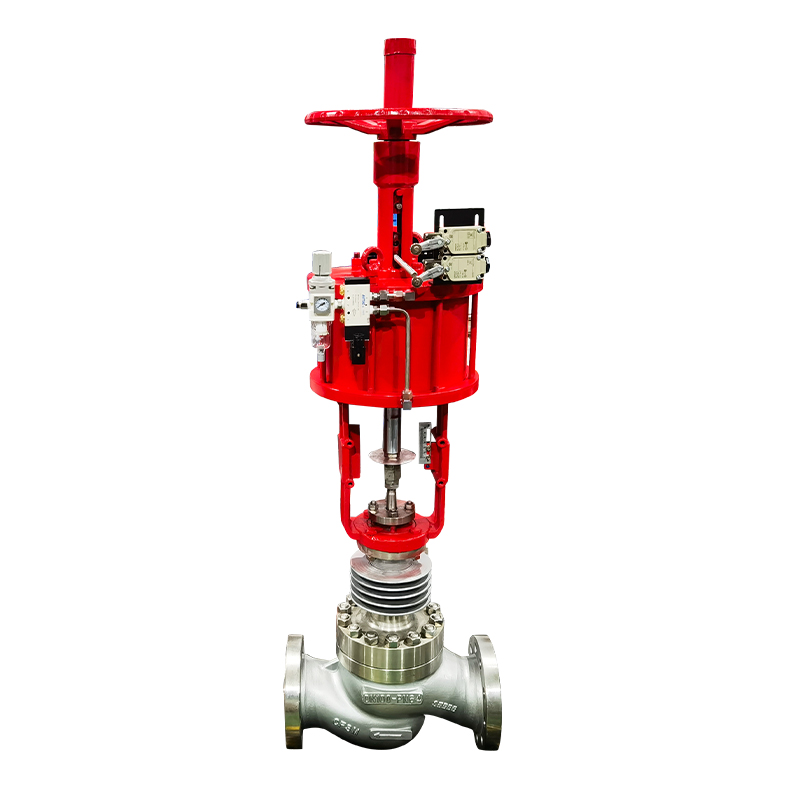
Integration with solenoid valves, positioners, and control units allows automated operation within larger systems. Proper alignment during installation ensures smooth operation and minimizes wear on internal components.
Maintenance and Long-Term Use
Routine maintenance helps maintain stable performance over time. For a Fork Type Pneumatic Valve, this typically involves checking seals, ensuring clean air supply, and inspecting moving parts for wear. The fork mechanism design simplifies inspection and servicing compared to more complex actuator systems.
With proper care, these valves offer consistent operation across many cycles, supporting long-term system reliability and reducing unexpected downtime.
The Fork Type Pneumatic Valve is a practical and reliable solution for automated flow control systems. Its balanced mechanical design, stable actuation, and adaptability to various industrial applications make it a common choice in modern pipelines. By understanding its structure, materials, and performance characteristics, users can select a Fork Type Pneumatic Valve that fits their operational needs and supports efficient, controlled system performance over time.