

 English
 русский



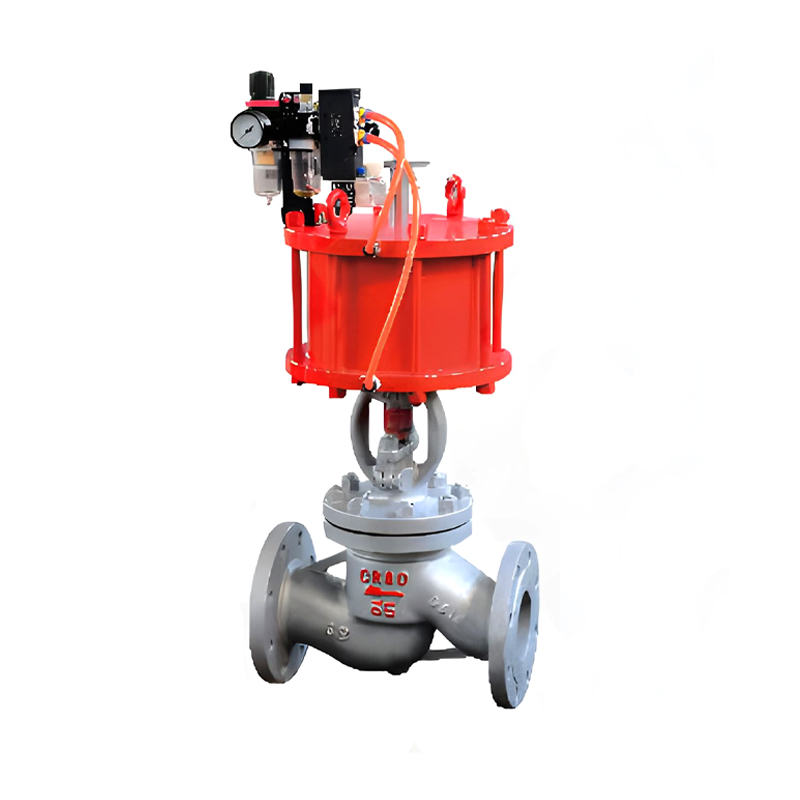
In many industrial systems, controlling or stopping the flow of air, gas, or liquid at the right moment is critical. Pneumatic stop valves are designed for this purpose, offering fast response and reliable operation. Behind these components is a Pneumatic Stop Valve Factory, where engineering, material selection, and quality control come together to produce valves suitable for demanding working conditions.
The Role of a Pneumatic Stop Valve Factory
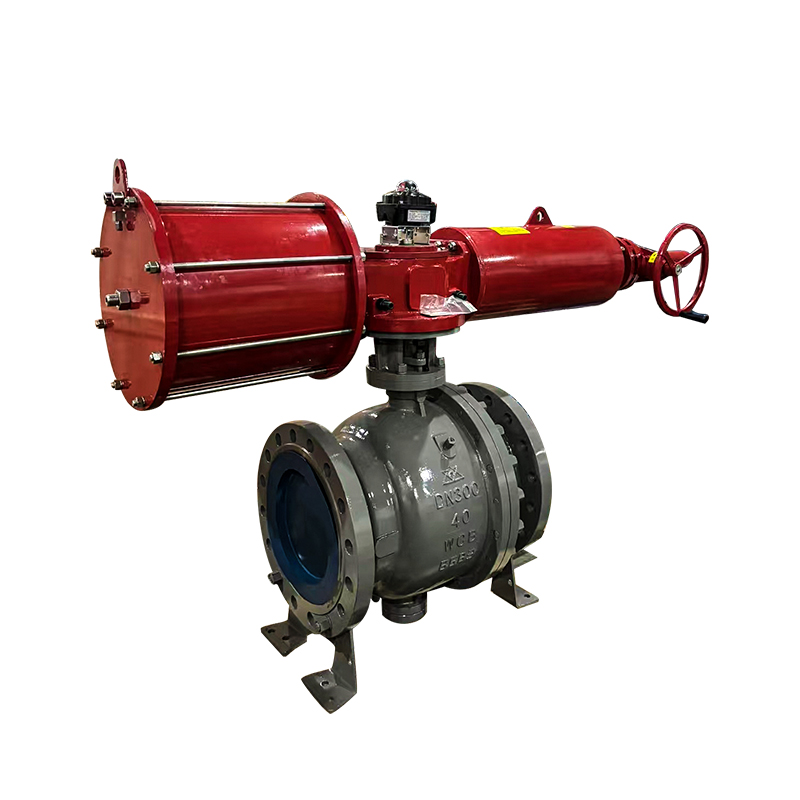
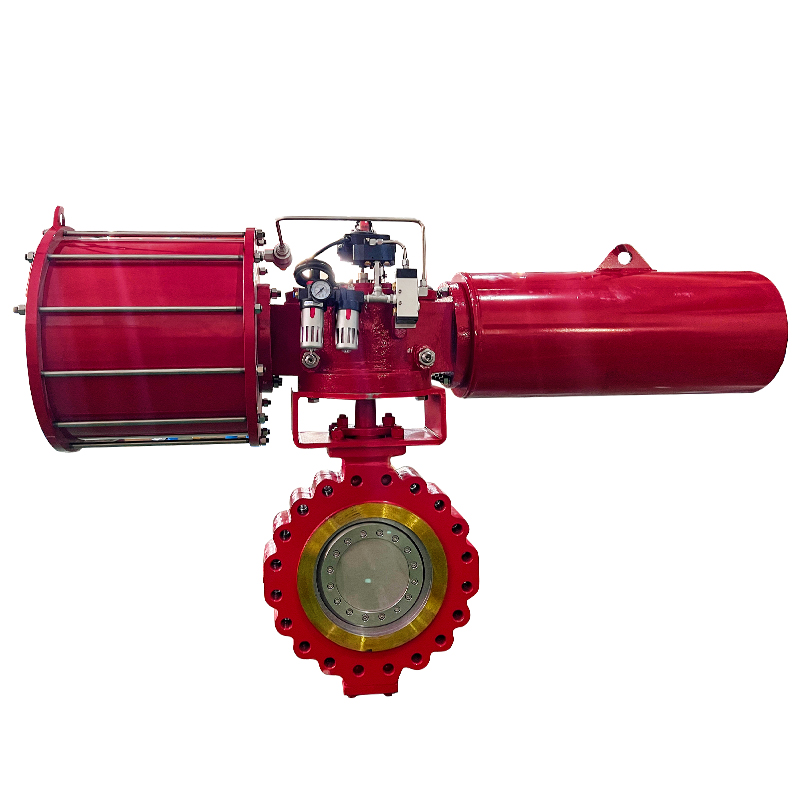
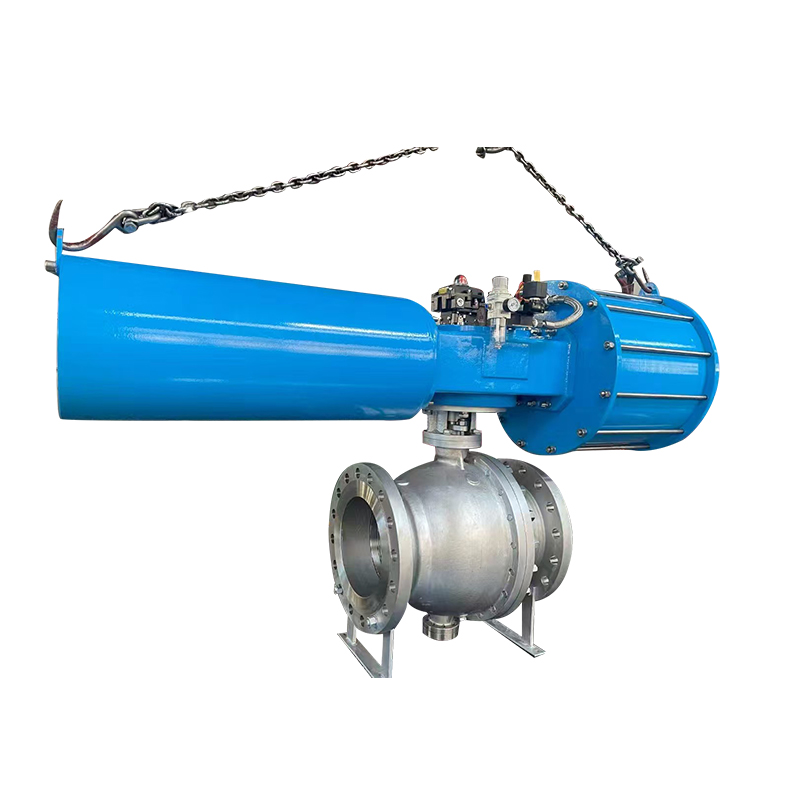
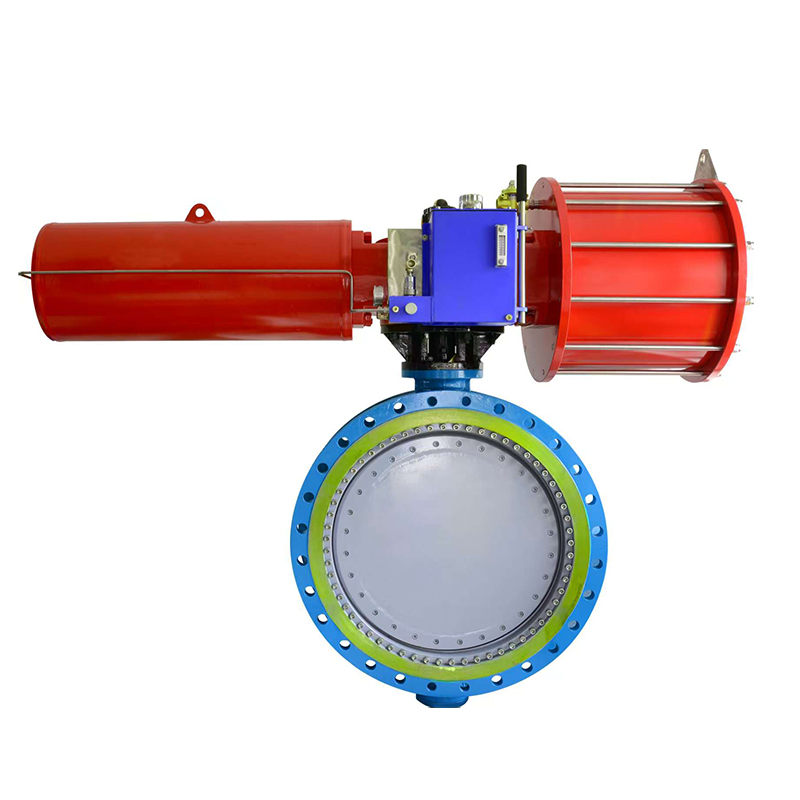
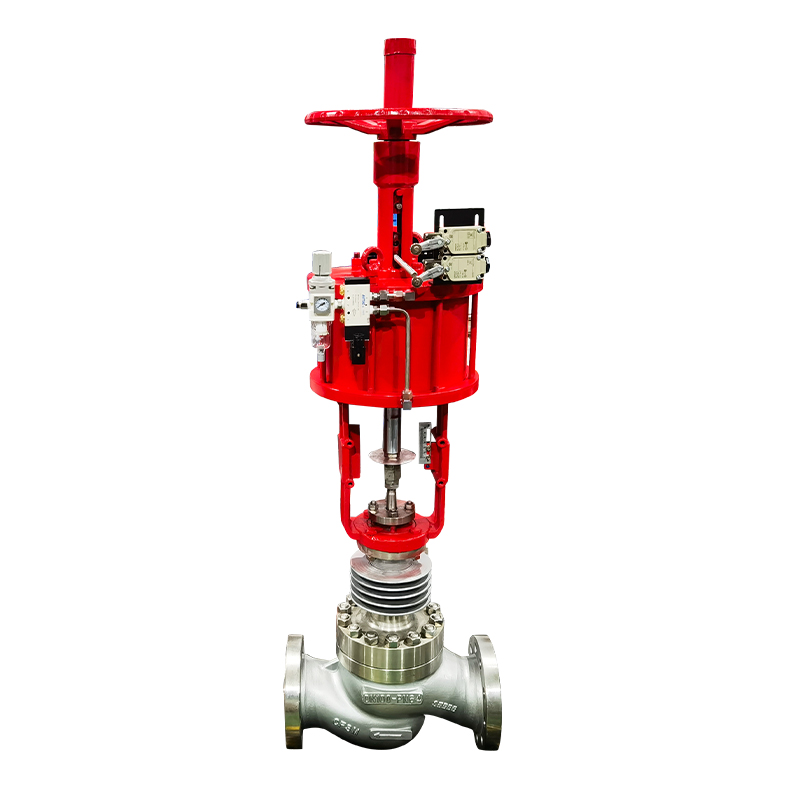
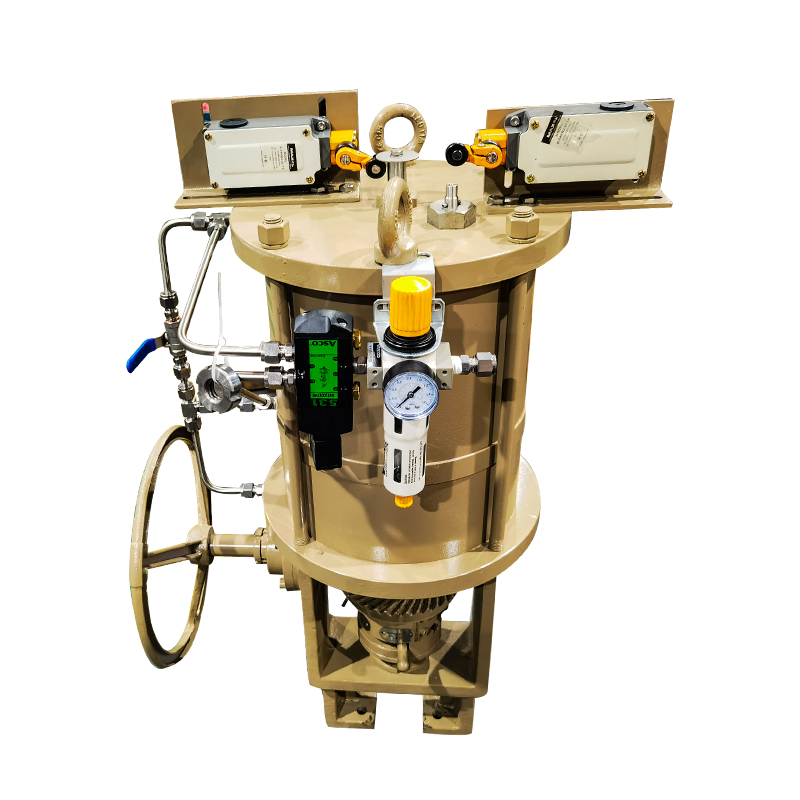
A Pneumatic Stop Valve Factory focuses on manufacturing valves that can quickly shut off or allow flow using compressed air as the control source. These valves are widely used in automation systems, chemical plants, power stations, water treatment facilities, and manufacturing lines.
The factory's responsibility goes beyond basic production. It must ensure that each valve performs consistently, responds accurately to pneumatic signals, and operates safely under varying pressures and temperatures. This reliability is essential in systems where timing and control directly affect safety and efficiency.
Design and Engineering Considerations
Design plays a key role in how a pneumatic stop valve functions. Engineers in a Pneumatic Stop Valve Factory consider factors such as response speed, sealing structure, actuator type, and compatibility with control systems. The goal is to create a valve that stops flow smoothly without causing pressure shocks or system instability.
Compact designs are often preferred, especially in automated production lines where space is limited. At the same time, the valve must remain easy to install, inspect, and maintain. Balance between structure strength and operational simplicity is a common design focus.
Materials and Component Selection
Material choice directly affects valve performance and service life. A Pneumatic Stop Valve Factory typically uses materials such as stainless steel, carbon steel, or ductile iron for valve bodies, depending on the working environment. Seals and internal components are selected for resistance to wear, pressure, and temperature changes.
In applications involving corrosive media or frequent operation cycles, material compatibility becomes even more important. Factories must ensure that components maintain stable performance without frequent replacement or failure.
Manufacturing and Assembly Process
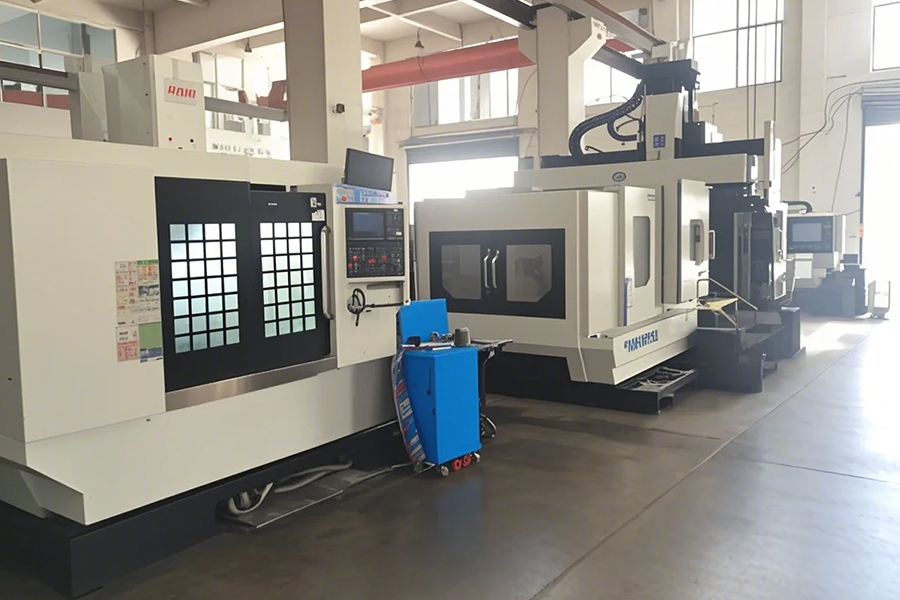
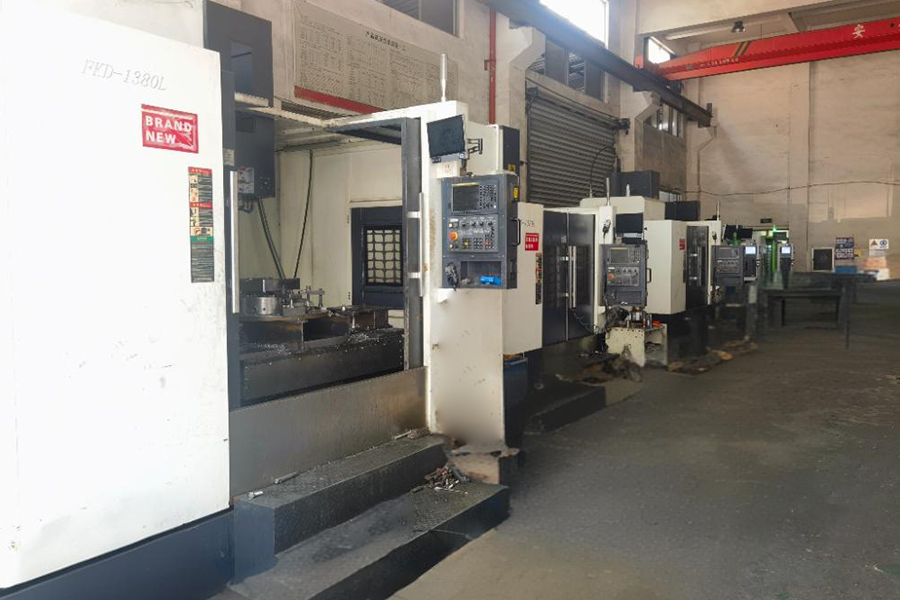
The production process starts with machining or casting valve bodies, followed by precision processing to meet dimensional requirements. Internal components such as valve discs, stems, and pneumatic actuators are manufactured or sourced according to strict specifications.
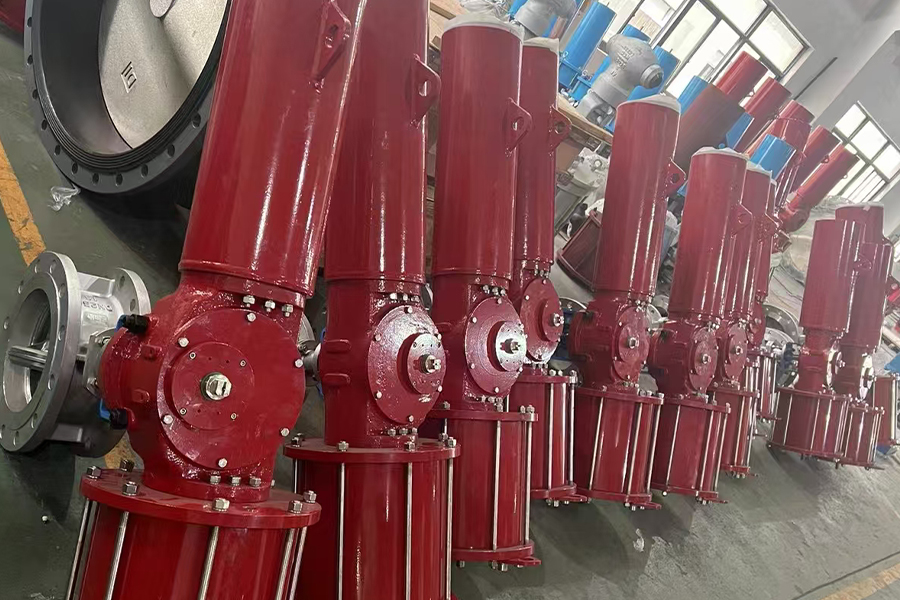
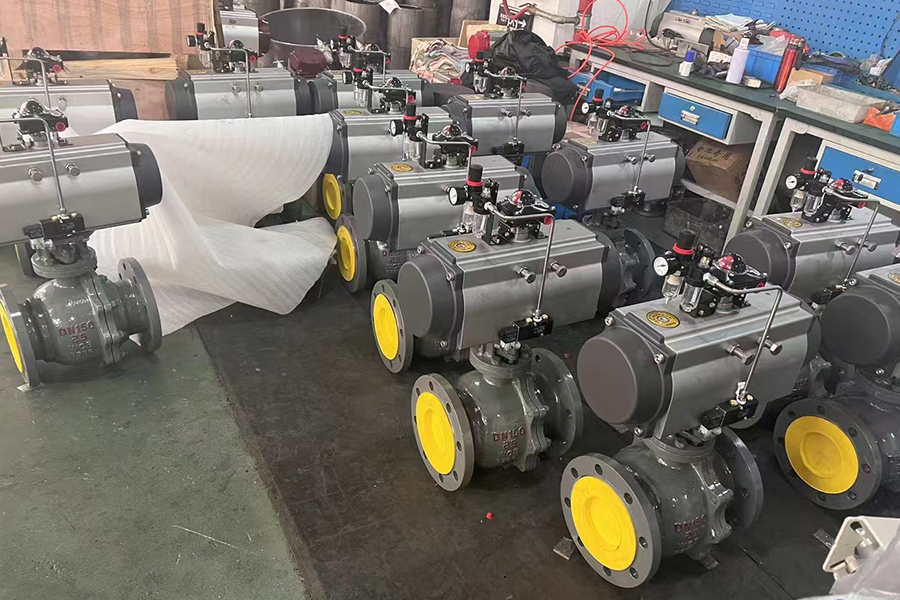
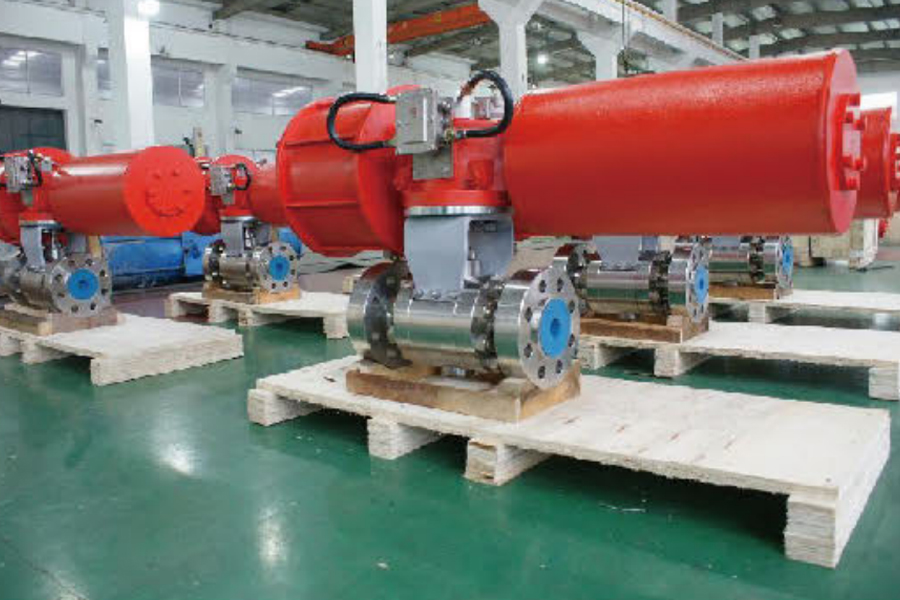
Assembly in a Pneumatic Stop Valve Factory involves careful alignment of moving parts to ensure smooth actuation. After assembly, valves undergo testing, including air pressure tests, sealing checks, and functional operation tests. These steps help confirm that the valve responds accurately to pneumatic signals and maintains a secure shut-off when required.
Customization and Application Flexibility
Different industries have different system requirements. A Pneumatic Stop Valve Factory often offers customization options such as valve size, pressure rating, connection type, and actuator configuration. This flexibility allows valves to integrate smoothly into various pipeline systems and automation setups.
Customized solutions help reduce installation issues and improve system compatibility, especially in complex industrial environments where standard valves may not fit specific layouts or control requirements.
Reliability and Maintenance Benefits
Valves produced by a reliable Pneumatic Stop Valve Factory are designed for long-term use with straightforward maintenance. Pneumatic actuation reduces manual intervention, improving safety and operational efficiency. Regular inspection of seals and actuators is usually sufficient to keep the valve functioning properly over time.
Reliable stop valves also help reduce downtime, protect equipment, and maintain stable process control, which is especially important in continuous production systems.
A Pneumatic Stop Valve Factory plays a vital role in supplying components that support safe, accurate, and efficient flow control. Through careful design, appropriate material selection, precise manufacturing, and thorough testing, these factories produce valves that perform reliably across a wide range of industrial applications. Understanding how a Pneumatic Stop Valve Factory operates helps buyers and engineers select valves that meet system demands while ensuring long-term operational stability.