

 English
 русский



Wastewater treatment involves more than moving water from one place to another. During the treatment process, pipelines may carry raw sewage, suspended solids, settled sludge, thickened sludge, and other materials that behave differently from ordinary liquids. Some contain fibers or abrasive particles, while others become difficult to move after solids have settled.
These conditions can create problems for pipeline valves. Material may collect around internal components, interfere with closing, or make equipment maintenance more complicated. A valve selected for a clean-water line may not be suitable for a sludge discharge system.
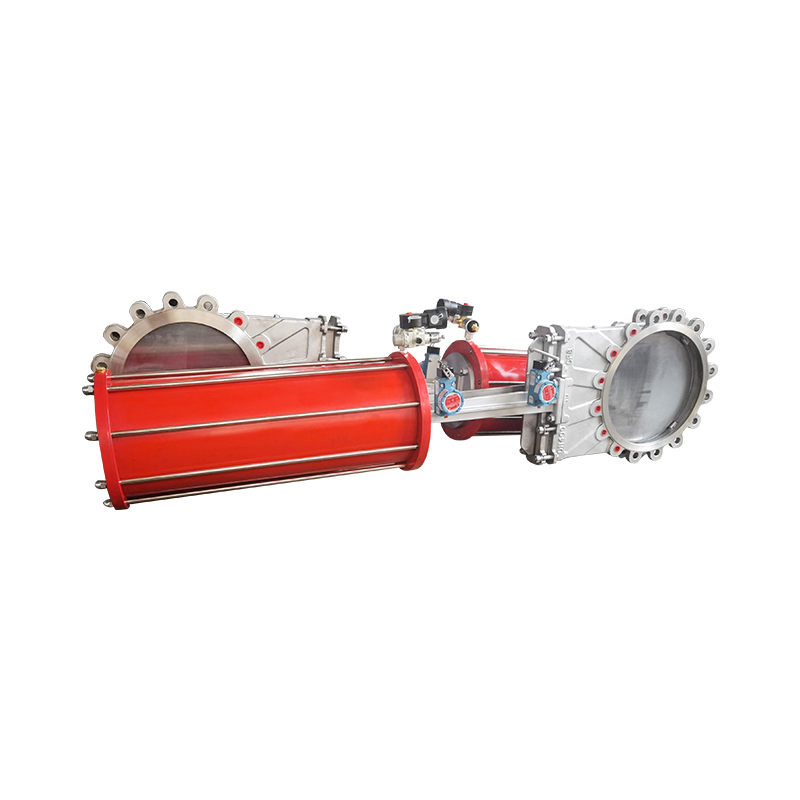
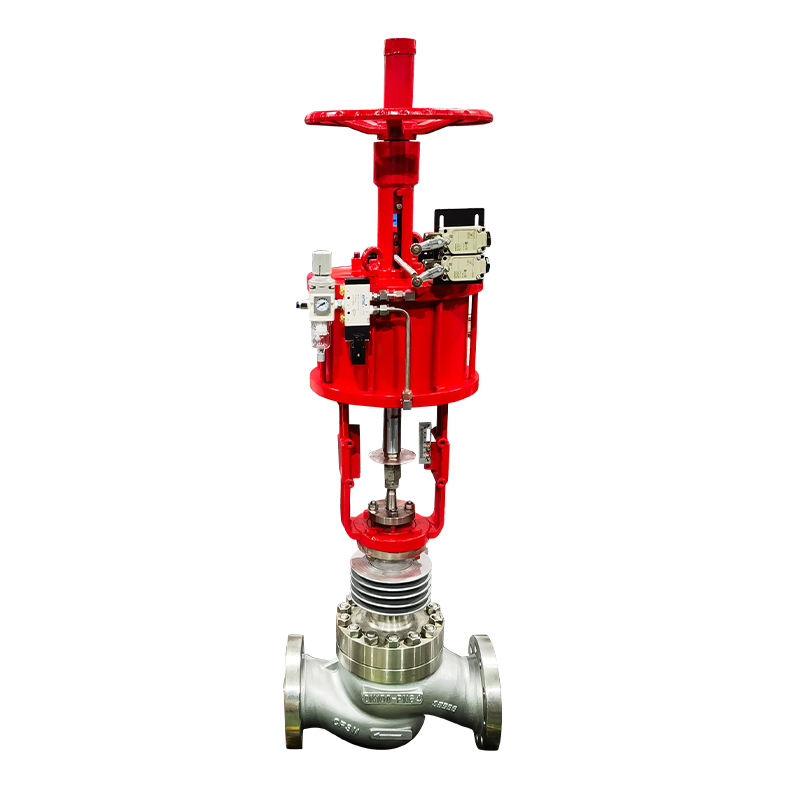
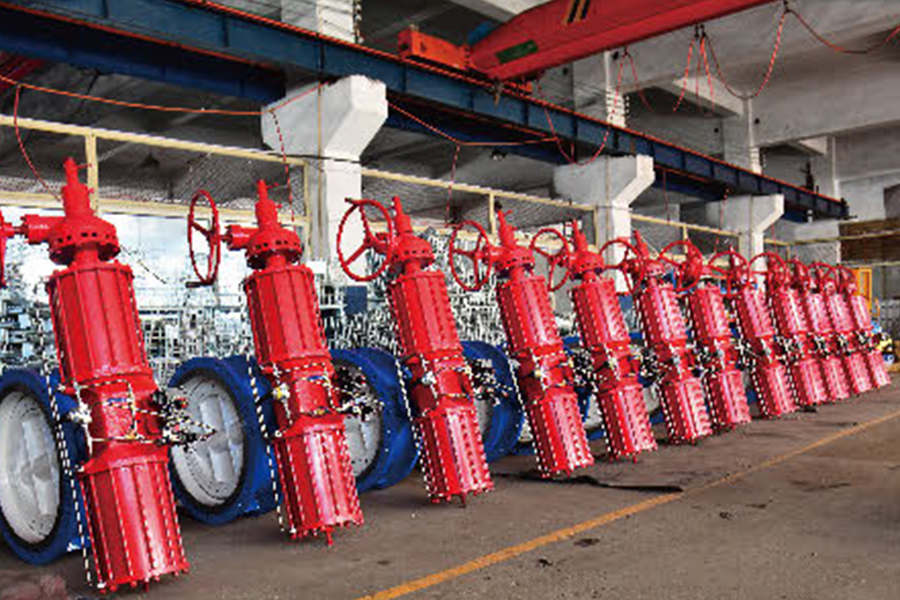
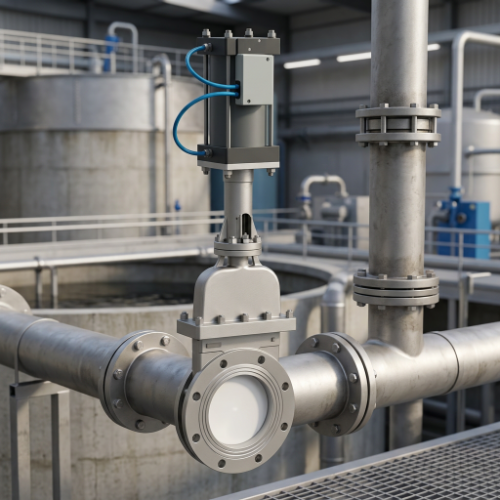
This is where a Pneumatic Knife Gate Valve becomes a practical option for certain wastewater applications. Its blade-shaped gate moves across the pipeline passage to isolate the flow, while a pneumatic actuator uses compressed air to operate the valve. The combination is useful in systems that handle solid-bearing media and require automated on-off operation.
However, not every wastewater pipeline needs this type of valve. Understanding its working principle, installation locations, and operating limitations helps engineers and purchasing teams make a more informed decision.
Why Are Conventional Valve Arrangements Not Always Suitable for Sludge?
The main challenge in wastewater treatment is the changing nature of the medium.
At the beginning of the process, incoming wastewater may contain sand, organic debris, and suspended particles. After sedimentation, these materials collect and form sludge. As the sludge moves through thickening and dewatering stages, its consistency changes again.
A valve must therefore deal with more than liquid flow.
For example, when a pipeline carrying sludge is shut down, solid particles may settle near the valve. If the material becomes concentrated around the closing area, the gate may encounter additional resistance during operation.
Fibrous waste creates another concern. Hair, paper fibers, and other debris can become trapped around certain internal components. Over time, this may affect sealing or make cleaning more difficult.
Several conditions should be considered when selecting a valve for these pipelines:
- Solids accumulation: Particles can settle inside the valve or pipeline during periods of inactivity.
- Variable sludge consistency: Thickened sludge behaves differently from dilute wastewater.
- Fibrous material: Waste fibers may collect around moving parts and sealing areas.
- Chemical exposure: Industrial wastewater may contain substances that affect metal surfaces and elastomers.
- Intermittent operation: Some isolation valves operate only when equipment needs maintenance or a process stage changes.
These factors explain why knife gate valve designs are commonly considered for selected solid-handling applications.
How Does a Pneumatic Knife Gate Valve Operate?
The operating principle is based on the movement of a flat gate through the valve body. Unlike a conventional gate design, the blade has a relatively thin profile and moves across the flow passage.
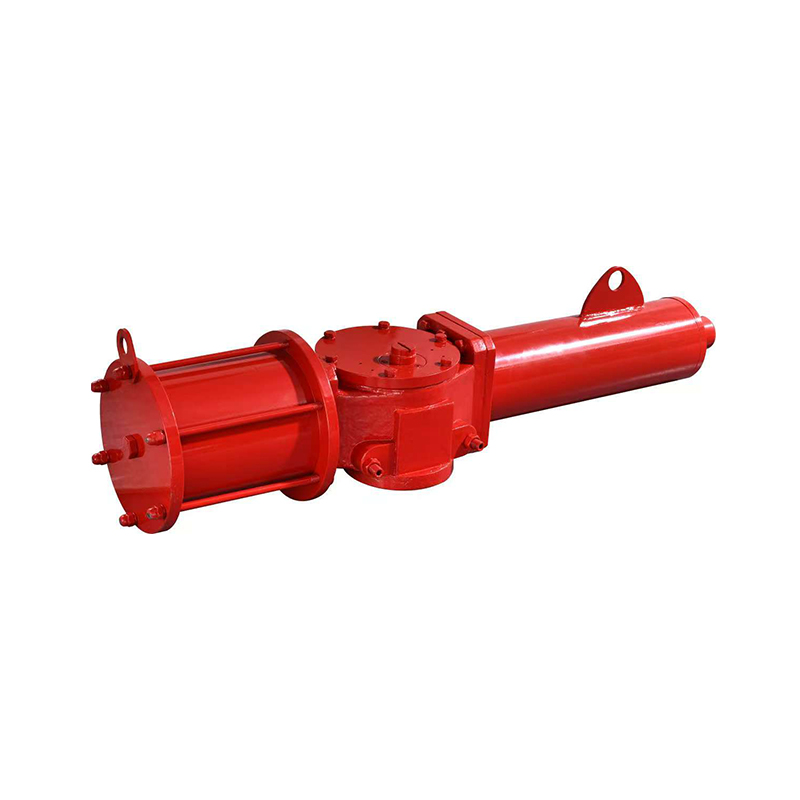
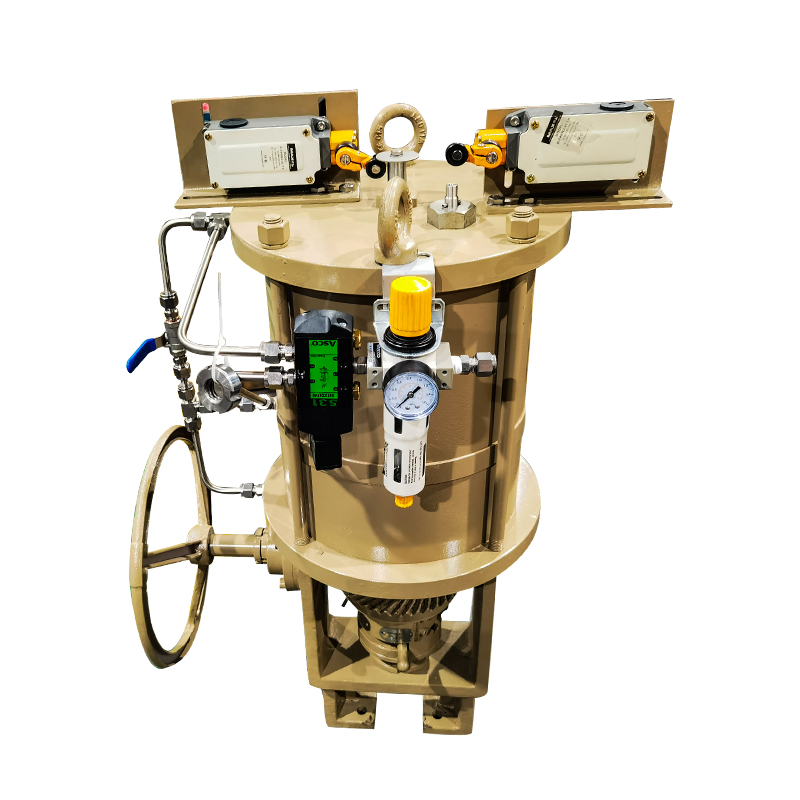
A pneumatic actuator provides the force needed to move the gate. The actuator receives compressed air through a control system and converts that energy into mechanical movement.
The operation can be understood through the following sequence:
- Opening: Compressed air drives the actuator, retracting the gate from the pipeline passage.
- Flow passage: With the valve fully open, the gate moves away from the main flow area, allowing the medium to pass.
- Closing: A control signal changes the air supply, moving the blade across the passage.
- Isolation: The gate reaches its closed position and works with the seating arrangement to provide the required isolation.
The actuator can be configured for single-acting or double-acting operation. The appropriate arrangement depends on the process requirements, available air supply, and required response when the air supply is interrupted.
For automated installations, additional components such as solenoid valves and limit switch boxes can be included. These accessories allow the valve to receive operating signals and provide position feedback to the control system.
Where Does This Valve Fit Into a Wastewater Treatment Process?
A wastewater facility contains several treatment stages, and each stage has different pipeline requirements. Knife gate valves are generally considered at locations where isolation of sludge or other solid-bearing media is needed.
1. Sludge Collection and Discharge
After primary sedimentation, settled solids are collected from the bottom of the clarifier. The resulting sludge is transferred through pipelines to further treatment equipment.
These lines may contain suspended particles and accumulated solids. A knife gate valve can be installed at suitable isolation points to separate sections of the system during inspection or maintenance.
The gate movement is particularly relevant when the medium contains soft solids that may interfere with conventional valve arrangements.
2. Sludge Thickening Systems
Sludge thickening removes part of the water content before the material moves to subsequent treatment stages.
As the concentration of solids increases, the sludge may become more difficult to transport. Valve selection should account for its consistency, the possibility of settling, and the resistance encountered during closing.
A pneumatic knife gate valve may be considered for isolation duties in suitable thickened sludge pipelines. The gate structure and actuator force need to match the actual operating conditions.
3. Sludge Digestion and Transfer
In facilities using anaerobic digestion, sludge moves between storage tanks, digesters, pumps, and other processing equipment.
Valves installed around these connections allow individual sections to be isolated when equipment requires servicing.
Pneumatic operation can be useful where several valves are controlled from a central station. Operators can manage the isolation sequence without manually accessing every valve location.
Material compatibility should also be checked because digested sludge may have different chemical characteristics from incoming wastewater.
4. Dewatering and Biosolids Handling
Dewatering equipment removes additional water from treated sludge before disposal, transportation, or further processing.
The material around this stage can be relatively concentrated. This makes the selection of the gate structure and sealing arrangement particularly important.
Before specifying a valve, engineers should consider whether the medium can move freely through the pipeline, whether solids may accumulate during shutdown, and whether the actuator can provide sufficient force under the expected conditions.
5. Industrial Wastewater Treatment
Industrial wastewater is not a single type of medium. Its composition depends on the production process and may include chemical residues, mineral particles, fibers, and other suspended materials.
For example, wastewater from certain manufacturing processes may create corrosion concerns, while streams containing mineral particles may introduce abrasive wear.
A suitable valve configuration should be selected according to the actual chemical composition and physical properties of the medium rather than relying on the general label of industrial wastewater.
What Makes the Knife Gate Structure Useful for Solid-Bearing Media?
The difference lies mainly in the gate design and its movement.
A knife gate valve uses a blade that travels across the pipeline opening. During closing, the blade can pass through certain soft solids and fibrous material instead of relying entirely on a conventional gate movement.
This does not mean that the valve can cut through every type of solid waste. Large debris, hard foreign objects, and heavily compacted material may still prevent normal operation.
There are several structural considerations worth understanding:
- Blade movement: The gate moves through the flow passage to isolate the pipeline. Its design needs to suit the type of material being handled and the expected operating conditions.
- Sealing arrangement: The seat and sealing components determine how the valve performs after reaching the closed position. Their compatibility with the wastewater and solids content should be checked.
- Open-position clearance: When fully open, the gate is withdrawn from the main flow area in suitable designs. This provides a relatively unobstructed passage compared with some valve arrangements.
- Maintenance access: The gate, packing, and seating areas may require inspection over time. The installation should provide enough space for maintenance and component replacement.
One important point: knife gate valves are generally intended for isolation rather than continuous flow regulation. Keeping the valve partially open for throttling can expose the gate and seat to unwanted wear unless the specific design is approved for that service.
Pneumatic or Manual Operation: What Should Plant Operators Consider?
Both versions can be used in wastewater treatment facilities. The decision is usually related to the frequency of operation, accessibility, and automation requirements.
| Consideration | Pneumatic Knife Gate Valve | Manual Knife Gate Valve |
|---|---|---|
| Driving method | Compressed air actuator | Handwheel or manual mechanism |
| Remote operation | Available with suitable controls | Normally requires local access |
| Automation | Can connect with a control system | Requires additional automation equipment |
| Air supply | Required | Not required |
| Operator involvement | Suitable for centralized switching | Operator performs local operation |
| Maintenance | Includes actuator and pneumatic components | Focuses on the manual mechanism |
A manual valve may be sufficient for an accessible pipeline that only requires occasional isolation.
In contrast, pneumatic operation can be considered when the valve is located in a difficult-to-access area, operates frequently, or forms part of an automated treatment sequence.
There is no need to choose a pneumatic actuator simply because a plant uses automation. The project should also consider compressed air availability, control requirements, installation space, and maintenance arrangements.
How to Select a Suitable Model for Wastewater Service
Choosing a valve by nominal size alone can create problems later. Two pipelines with the same diameter may carry very different materials and operate under different conditions.
Before requesting a quotation, buyers should review the following points.
Start With the Medium, Not Just the Pipeline Size
Identify the material flowing through the pipeline.
Is it raw sewage, primary sludge, thickened sludge, digested sludge, or industrial wastewater?
Also describe its physical characteristics:
- Solids content and particle size.
- Presence of fibers or other debris.
- Sludge consistency.
- Potential for material settling.
- Chemical composition.
This information helps the manufacturer assess whether the proposed gate and sealing arrangement are suitable.
Review Body, Gate, and Seat Materials
Material selection should reflect the working environment.
Carbon steel may be considered for certain general industrial applications, while stainless steel may be appropriate where corrosion resistance is required. The actual grade depends on the medium and exposure conditions.
Sealing materials also need attention.
| Material | General Considerations |
|---|---|
| EPDM | Used in suitable water and wastewater environments |
| NBR | Considered where its resistance to the medium is appropriate |
| PTFE | Used in applications requiring particular chemical compatibility |
| Stainless steel | Selected according to corrosion and mechanical requirements |
These are general material considerations, not universal recommendations. Compatibility should be confirmed against the actual process medium, temperature, and operating conditions.
Match the Actuator to the Operating Conditions
An actuator needs sufficient force to move the gate under the specified working conditions.
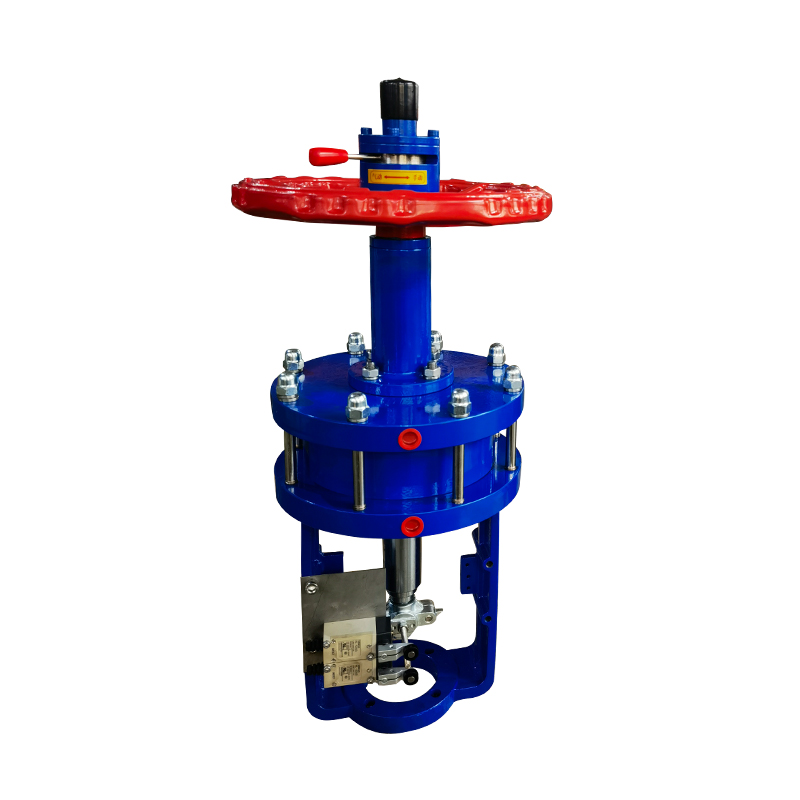
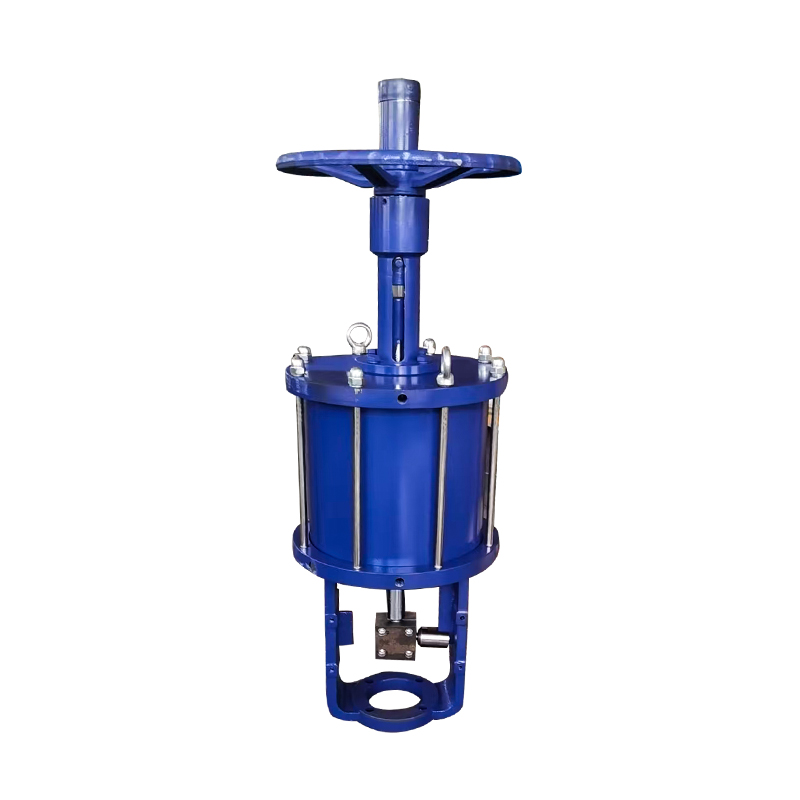
A single-acting actuator uses compressed air for one movement and a spring for the return movement. A double-acting actuator uses compressed air for both opening and closing.
The choice depends on the required operating sequence and the response expected if the air supply is lost.
For automated systems, buyers may also need to specify solenoid valves, limit switches, and position feedback requirements.
Do Not Overlook Installation Conditions
The surrounding pipeline arrangement can affect how easily a valve is installed and maintained.
Check the available installation space, pipeline alignment, actuator clearance, and access to pneumatic connections.
If the valve is installed near a pump or sludge tank, the maintenance team should be able to inspect and service the assembly without unnecessary dismantling of surrounding equipment.
Common Operating Problems and What to Check
Wastewater environments can be demanding, but not every operating problem means the valve itself is defective. The cause may involve the actuator, control system, installation, or process medium.
| Problem | Possible Cause | Inspection Focus |
|---|---|---|
| Gate moves slowly | Insufficient air supply or actuator resistance | Check air lines and actuator condition |
| Valve cannot close fully | Solids accumulation or insufficient actuator force | Inspect gate movement and closing conditions |
| Leakage after closing | Seat wear, trapped solids, or incorrect installation | Examine sealing surfaces |
| Unstable operation | Control signal or solenoid valve issue | Check pneumatic and electrical connections |
| Corrosion | Material not suitable for the medium | Review process composition and material selection |
For sludge pipelines, the inspection should pay particular attention to material accumulation around the gate and seating area.
Routine maintenance may include checking packing, inspecting the sealing components, examining the actuator, and confirming that pneumatic connections remain in good condition.
The maintenance schedule should reflect the operating environment and the manufacturer's recommendations. A valve handling abrasive sludge may need a different inspection approach from one installed on a relatively clean wastewater line.
What Should Buyers Prepare Before Contacting a Valve Manufacturer?
A product catalogue can provide an initial reference, but it cannot replace project-specific information.
When requesting a quotation, wastewater equipment manufacturers, engineering contractors, and plant purchasing teams should prepare the following details:
- Valve information: Nominal size, connection type, and required valve design.
- Process medium: Wastewater type, sludge characteristics, and solids content.
- Operating conditions: Working pressure, temperature, and pressure difference.
- Material requirements: Body, gate, and seat materials.
- Actuator arrangement: Manual, single-acting pneumatic, or double-acting pneumatic.
- Control accessories: Solenoid valve, limit switch box, and other automation components.
- Installation details: Pipeline layout, available space, and connection requirements.
- Project information: Required quantity, drawings, and delivery expectations.
Providing these details early helps reduce unnecessary specification changes during the purchasing process.
At Wisley, we provide industrial automatic valve solutions for different pipeline applications. For wastewater projects, our team can discuss valve construction, material options, pneumatic actuator arrangements, and project-specific requirements with equipment manufacturers and engineering buyers.
The aim is to identify a configuration that matches the actual service conditions, rather than selecting a valve based only on its product name.
Frequently Asked Questions
Can a pneumatic knife gate valve handle raw sewage?
It may be suitable for selected raw sewage applications, depending on the amount and type of solids, debris characteristics, and valve construction. Large foreign objects and fibrous waste should be evaluated before selection.
Is this valve suitable for thickened sludge?
Certain knife gate valve designs can be used in thickened sludge pipelines. However, sludge consistency, gate construction, actuator force, and sealing arrangement need to be considered together.
Does every wastewater treatment plant need pneumatic operation?
No. Manual operation may be sufficient for accessible valves that operate occasionally. Pneumatic actuation is useful where remote control or integration with an automated process is required.
Can a knife gate valve be used for flow regulation?
Knife gate valves are generally designed for on-off isolation. Continuous throttling is not normally recommended unless the manufacturer confirms that the specific design is suitable for that duty.
What causes leakage in a wastewater knife gate valve?
Possible causes include trapped solids, damaged sealing components, unsuitable seat materials, incorrect installation, or operating conditions outside the valve's design range. Inspection should identify the actual source before replacement parts are selected.
Wastewater treatment plants deal with changing media, from relatively dilute sewage to concentrated sludge. Valve selection needs to reflect these differences.
A pneumatic knife gate valve can be a practical option at suitable isolation points, particularly where solid-bearing media and remote operation are involved. Its blade movement and pneumatic actuator offer a useful combination for certain sludge collection, transfer, thickening, and dewatering applications.
Still, the application matters more than the product name. Media characteristics, sealing compatibility, actuator force, and installation conditions should all be reviewed before choosing a model.
For project buyers, sharing these details with a manufacturer is a sensible starting point for discussing a valve configuration that fits the treatment process.