

 English
 русский



Walk through any automated plant and you'll find valves everywhere. They steer liquids, gases and other materials, link one section of a system to another, and let equipment adapt when conditions shift. As more production steps run without human hands, the question of how a valve gets operated matters more than it used to.
The double acting pneumatic valve is one common answer. Compressed air does the work in both directions, opening and closing. A single acting design is different: air moves the valve one way, and a spring or some other return mechanism brings it back. Here, air pressure handles both strokes.
That difference shapes a lot. It affects how the valve reacts to control signals, how it ties into automation equipment, and how it behaves in different industrial settings.
Engineers, equipment designers and buyers who understand the principle make better choices. It also shows how pneumatic control fits into modern production.
What Is a Double Acting Pneumatic Valve ?
A pneumatic valve runs on compressed air. Air pressure pushes it open and pushes it closed. No spring is needed to send it back to where it started.
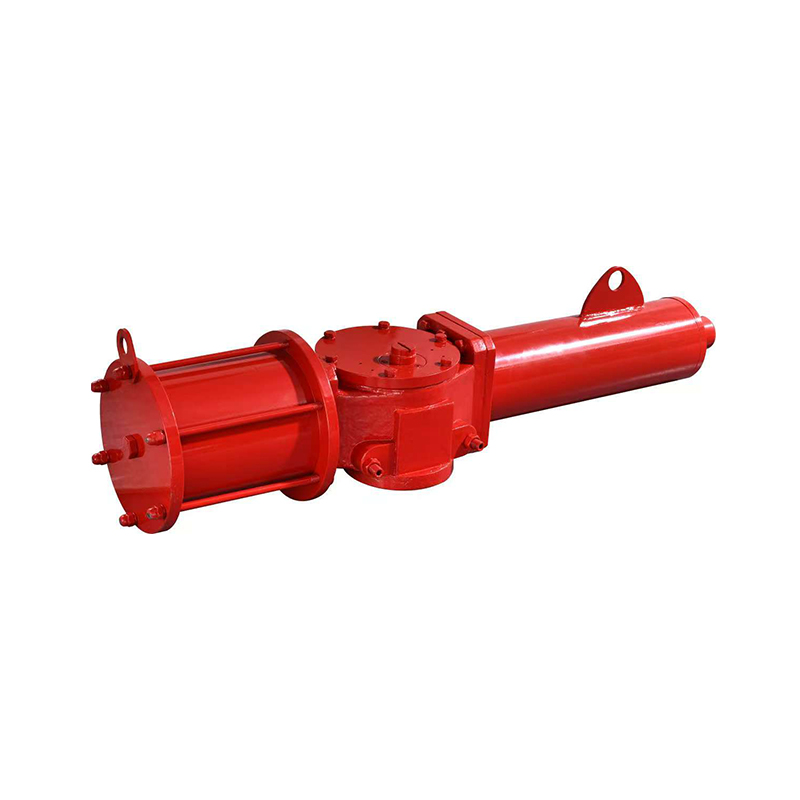
"Double acting" refers to the actuator. The actuator turns energy into mechanical motion. In this case the energy is compressed air, and it moves the parts inside the actuator.
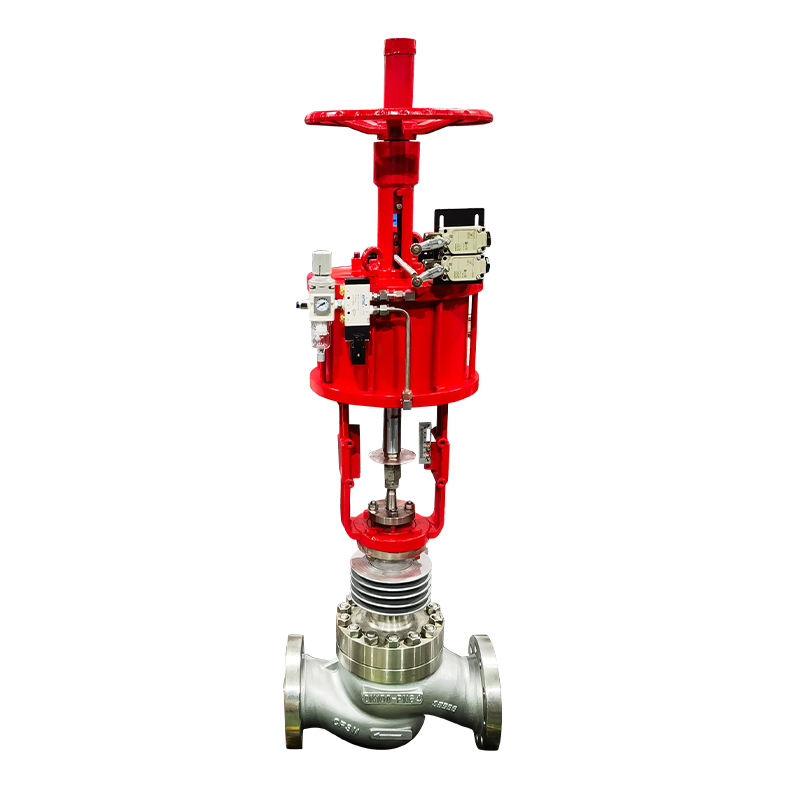
Most of these valves share a handful of main components:
- Valve body: The main structure, which holds the passage the medium flows through.
- Valve disc, ball or other closing element: Opens, closes or restricts the passage, depending on the valve design.
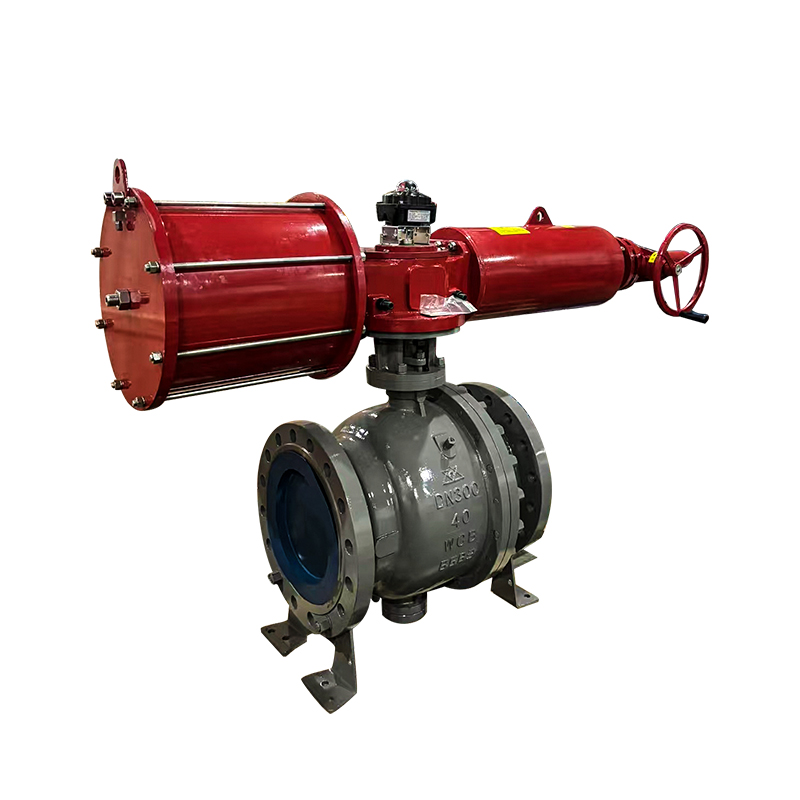
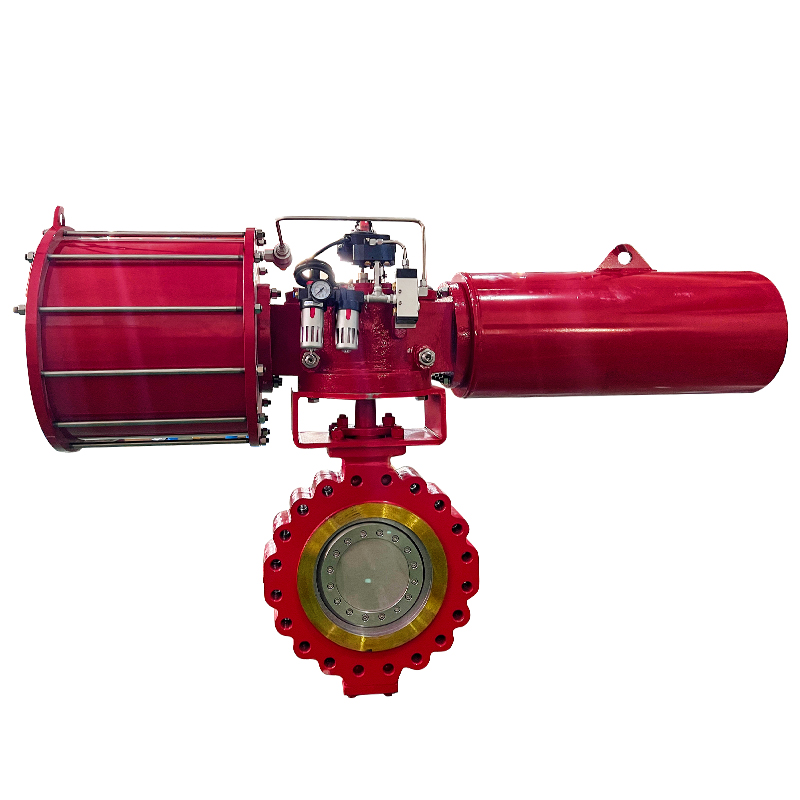
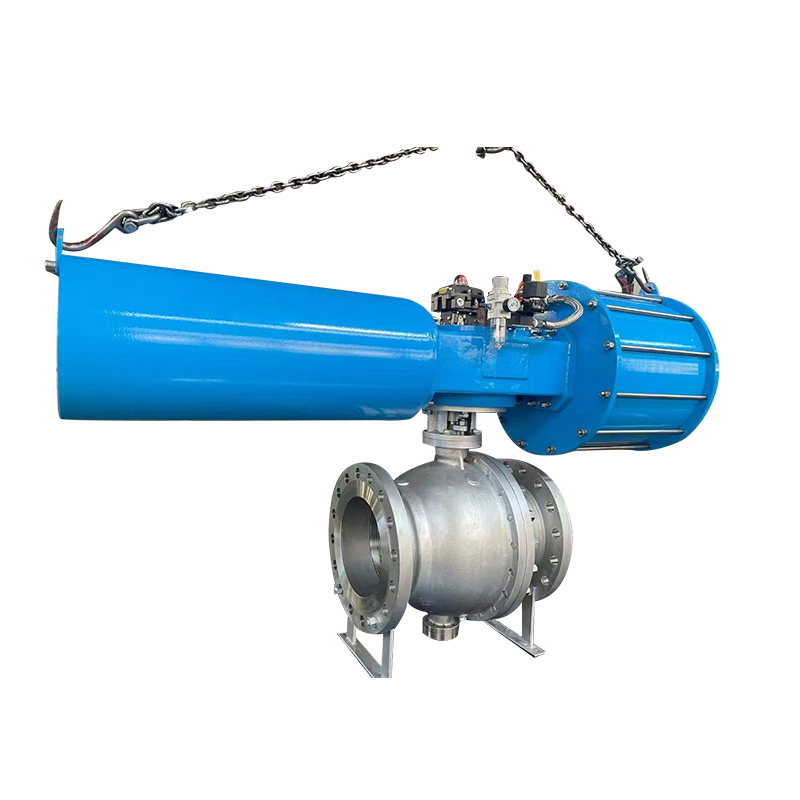
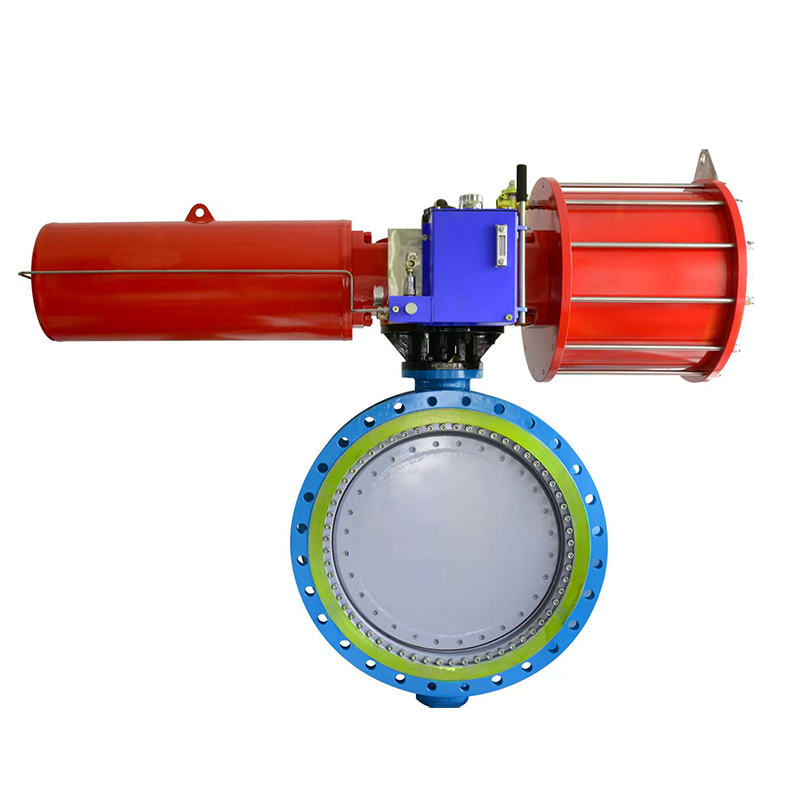
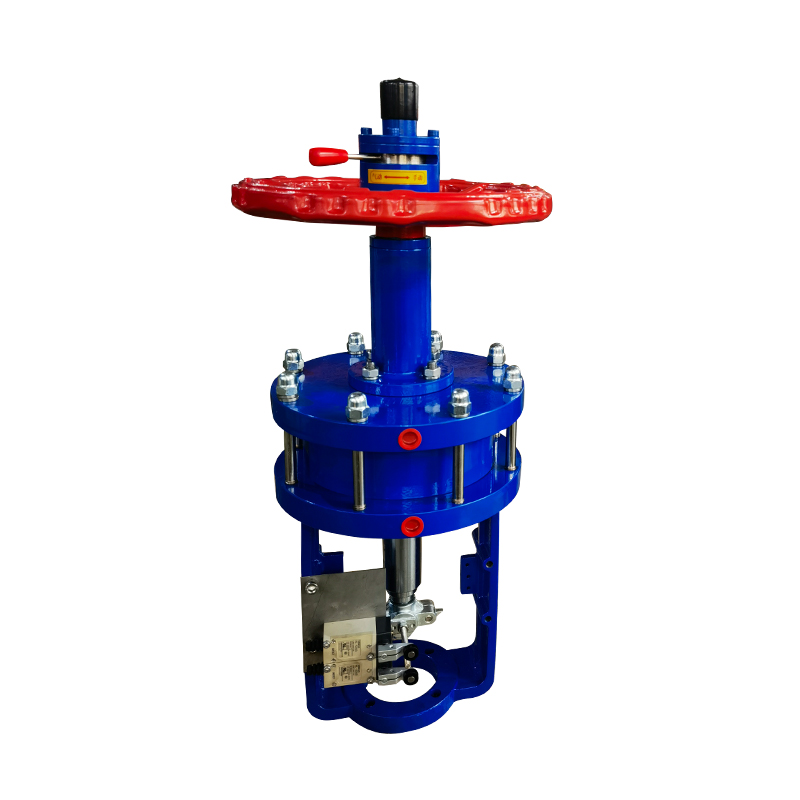
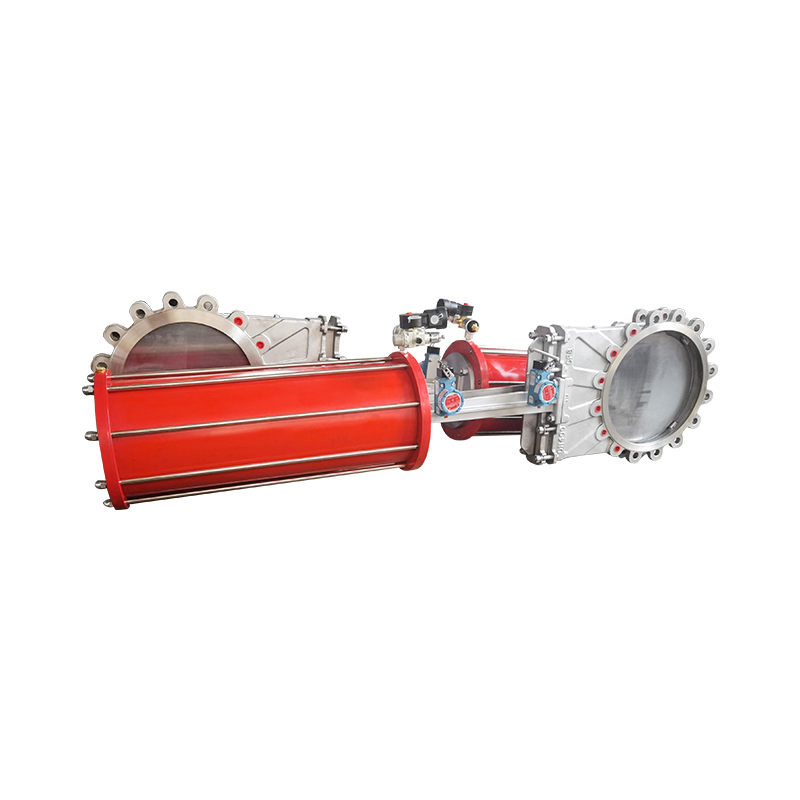
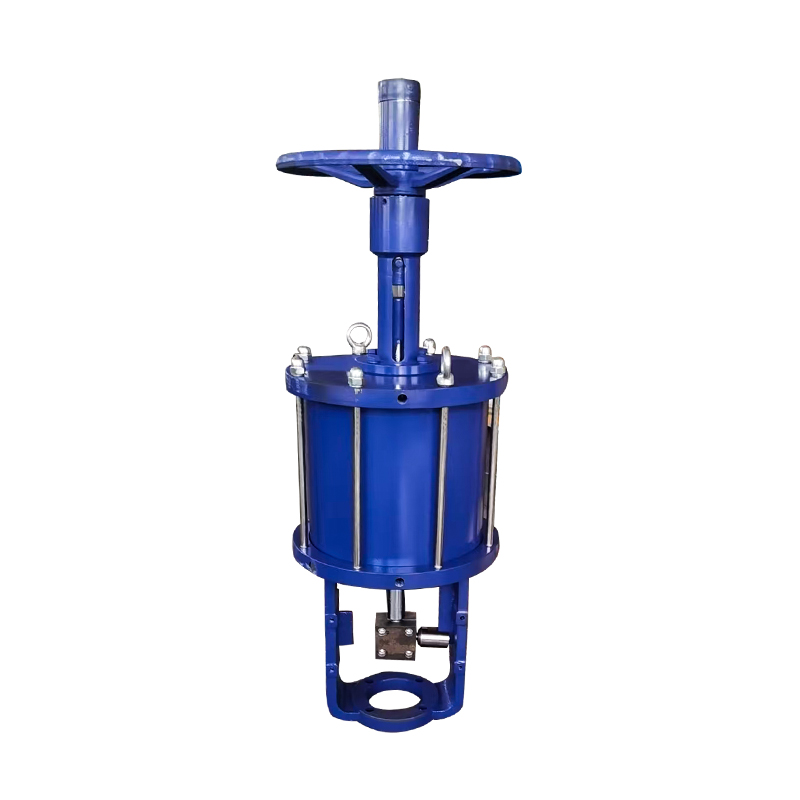
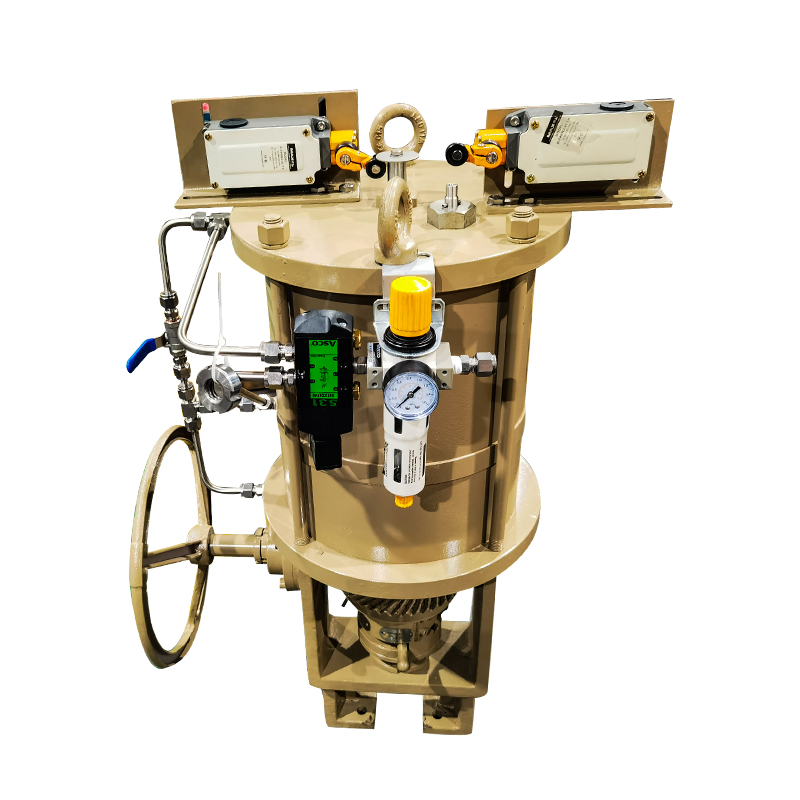
- Pneumatic actuator: Turns air pressure into mechanical movement.
- Piston or other internal moving parts: React to pressure changes and pass the movement on to the valve.
- Air ports: Let compressed air flow into and out of the different chambers of the actuator.
- Control components: Send the air where the operating command says it should go.
Together they complete one operating cycle. A control signal arrives, air is routed to the correct part of the actuator, and the resulting motion travels to the closing element inside the valve.
Details differ by valve type and application. Some designs move in a straight line, others rotate. The core idea doesn't change: compressed air drives the motion both ways.
You'll find this arrangement wherever valves need to operate automatically, including water treatment, chemical processing, food production and manufacturing equipment, along with many other places where fluid movement has to be controlled.
How Does a Double Acting Pneumatic Valve Work?
The principle rests on how compressed air turns into mechanical movement. Air enters the actuator and pushes on its internal moving parts. That creates a force, the actuator moves, and the valve changes position.
A double acting actuator has two air connections, which sets it apart from a single acting one. One connection drives the actuator in one direction. The other drives it back.
The process breaks down into four stages.
Receiving the Control Signal
Everything starts with an operating command from the control system. It might come from an automatic controller, a manual control station or another part of the equipment.
The signal tells the valve whether to open or close. A control component then switches the direction of the compressed air supply.
Directing Compressed Air
Air flows into one side of the actuator. Meanwhile, air on the opposite side escapes through the exhaust connection.
The result is a pressure difference inside the actuator, and that difference pushes the piston or moving mechanism the way it needs to go.
Producing Mechanical Movement
As the internal parts travel, they pass force to the valve stem or a similar connecting mechanism.
In a linear valve, the stem slides along a straight path. In a rotary valve, the actuator produces a turning motion that repositions the closing element.
Changing the Valve Position
The actuator's movement changes how far the valve is open. Depending on the command, the flow passage ends up open or shut.
When the next command comes in, the air supply switches direction and the actuator travels the other way.
This cycle lets the valve answer repeated open and close commands. It can all happen automatically, so people rarely need to operate the valve by hand.
Why Does a Double Acting Design Use Air Pressure in Both Directions?
What defines this valve is that compressed air controls both directions of travel. In a single acting arrangement, air moves the valve one way and a spring or other return mechanism supplies the opposite movement.
In a double acting actuator, both sides of the internal moving mechanism take turns doing the work. One side receives air pressure while the other vents. Change the control direction and the roles swap.
That gives designers another way to handle valve movement.
Some industrial processes need opening and closing to be controlled as steps in an automated sequence. With air pressure in both directions, the actuator can respond to a separate command for each movement.
The design also does away with the return spring inside the actuator. That helps in cases where the required force or the layout of the equipment makes a spring-based structure a poor fit.
Still, a double acting valve isn't right for every job. It needs a suitable air supply and a control system able to direct the airflow. If the air supply drops out, the actuator may simply stay where it is rather than moving to a predetermined safe position.
This matters when you design equipment for environments where the valve's position during an air failure has to be planned for.
What Happens During the Opening and Closing Process?
Opening and closing is the part of operation you can actually see. Internal mechanisms vary from one product to another, but the movement follows much the same pattern.
To open, compressed air enters the actuator through the designated air connection. The pressure moves the piston or other operating component. That motion reaches the closing element and the flow passage opens.
Air in the opposite chamber is discharged at the same time. This keeps trapped air from resisting the movement.
On a closing command, the airflow direction reverses. Compressed air enters the other side of the actuator, and the air on the previously pressurized side is released.
The internal mechanism now travels in reverse. The connected valve component goes back to its closed position and restricts the passage.
The table below compares the two stages.
| Operating Stage | Air Supply | Internal Movement | Valve Response |
|---|---|---|---|
| Opening | Air enters the opening side | Actuator moves in the opening direction | Flow passage opens |
| Closing | Air enters the closing side | Actuator moves in the opposite direction | Flow passage closes |
For industrial users, this matters most when a pneumatic valve is connected to an automated system. A wrong connection or control setting can make the valve behave differently from the sequence you expected.
What Types of Movement Can Double Acting Pneumatic Valves Produce?
Valves don't all move the same way. Some need straight-line travel and others need a turn. Double acting pneumatic actuators can be built for either, depending on the valve they're attached to.
Linear Movement
Linear actuators move along a straight path. The internal piston travels forward or backward, and that motion is passed to a valve stem.
This setup is typical for valves with a rising or sliding closing element. The actuator shifts the stem to open or close the flow passage.
Linear movement suits valve structures that need direct travel between operating positions.
Rotary Movement
Rotary actuators produce a turning motion. They rotate a connected shaft instead of pushing a stem along a line.
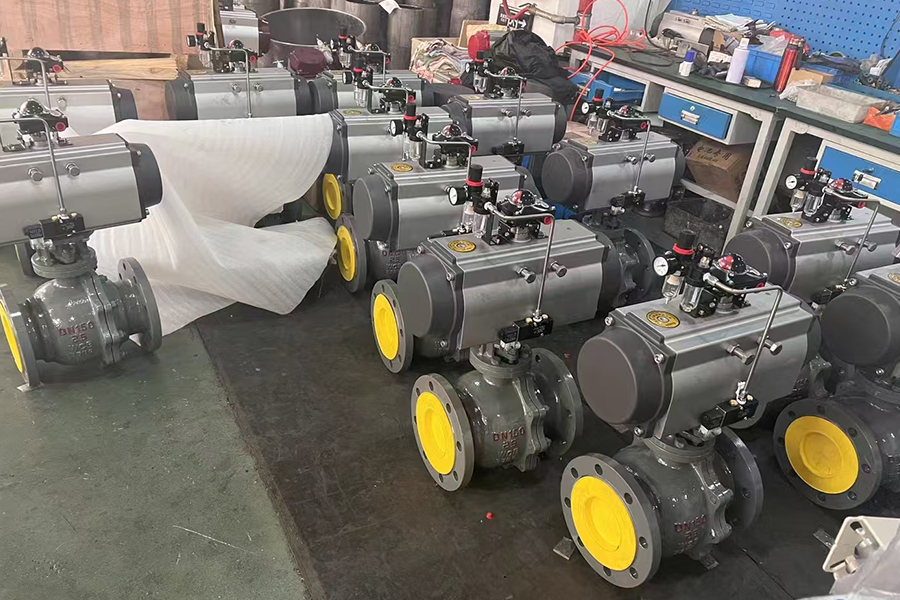
Ball valves and butterfly valves often use this structure. Turning the shaft changes the position of the internal closing element and controls the passage.
Rotary actuators can help in industrial equipment where space is tight and a compact arrangement is needed.
The movement type comes down to the valve and actuator pairing. "Double acting" describes how the actuator is powered. It doesn't define any single valve structure.
This distinction counts during product selection. The actuator has to fit the valve's mechanical requirements. If it doesn't, expect installation trouble or inconsistent operation.
Where Are Double Acting Pneumatic Valves Commonly Used?
These valves turn up in many industries, largely because compressed air is easy to integrate into automated production systems. Where they're used depends on the medium, the operating environment, the valve structure and the control requirements.
Water Treatment Systems
Water treatment plants rely on valves to guide water through their processing stages, such as filtration, distribution, cleaning and wastewater handling.
Pneumatic valves can sit in automated pipelines where opening and closing must follow a control sequence. Operators don't have to adjust every valve by hand.
Chemical Processing
Chemical production regularly moves liquids between storage tanks, processing equipment and pipelines. Valves control the flow of different materials and keep process stages separate.
In these settings, material compatibility and sealing performance carry real weight. The chosen product must suit both the medium and the surrounding conditions.
Food and Beverage Production
Food and beverage plants use valves for liquid transfer, cleaning cycles and production equipment. Automated operation helps coordinate the different stages of manufacturing.
When choosing a pneumatic valve here, consider hygiene requirements, material suitability, cleaning methods and the characteristics of the medium.
Manufacturing and Assembly Equipment
Automated production lines contain many pneumatic components that work together to complete repeated movements. Valves can control the flow of air, water and other compatible media inside the equipment.
A pneumatic valve can answer control commands as one part of a larger production sequence, which makes it handy in equipment that needs coordinated valve operation.
HVAC and Building Systems
Heating, ventilation and air conditioning systems use valves to regulate water and other working fluids. Some industrial or building management setups incorporate pneumatic control.
Whether a double acting valve fits depends on the system design and the control method required.
What Factors Affect the Working Performance of a Double Acting Pneumatic Valve?
The principle is fairly simple, but real-world performance depends on several things. A valve can work well under one set of conditions and act differently once the air supply, installation or environment changes.
Knowing what influences it helps you head off operating problems.
Air Supply Condition
Compressed air powers the actuator. If the supply is unstable, or carries too much moisture or contamination, the actuator may not move the way it should.
Filters and pressure regulators help keep supply conditions suitable. Inspecting the air system regularly also catches potential problems before they reach the valve.
Control System Compatibility
The pneumatic actuator has to work with the control components connected to it. The control system must send compressed air to the correct actuator connection.
If the wiring, control signals or air connections don't match the intended arrangement, the valve may not respond correctly.
Valve and Actuator Matching
The actuator must suit the valve it drives. Differences in valve structure, operating resistance and movement requirements change how much force an opening or closing action takes.
An actuator that doesn't match may struggle to move the internal components, or may fail to finish the operating cycle.
Working Medium
Whatever flows through the valve shapes its operating environment. Water, air, oils and chemical liquids each behave differently.
Select the valve body and sealing materials to suit the medium. Good compatibility lowers the risk of corrosion, leakage and material deterioration.
Installation Conditions
Poor installation can disturb the connection between actuator and valve. Misalignment, unsuitable piping or weak air connections add resistance during operation that shouldn't be there.
Follow the product design and the requirements of the wider system when installing.
Maintenance Condition
Seals, moving parts and air connections wear gradually with use. Dust, moisture and other contaminants can also affect the internal components.
Routine inspection helps spot leakage, unusual movement and other signs of wear. Cleaning, and replacing damaged parts when needed, supports stable operation.
How Should a Double Acting Pneumatic Valve Be Selected and Maintained?
Choosing a pneumatic valve takes more than finding the right product name. You need to know how the valve will work inside the complete system.
A sound selection process starts with the application. The medium, the flow control needed, the operating environment and the connection method all influence the product structure.
A few practical questions can guide the choice.
- What medium will pass through the valve? Check that the valve body and sealing materials suit it.
- What type of movement is required? Decide whether the application needs linear or rotary movement.
- How will the valve be controlled? Consider whether the control system uses automatic commands, manual operation or both.
- Is compressed air consistently available? Assess the condition and reliability of the supply.
- What happens if the air supply is interrupted? Consider whether the valve needs an extra safety arrangement to reach or hold a required position.
- What are the installation conditions? Check the available space, the connection structure and access for maintenance.
Maintenance matters just as much, since a pneumatic valve works as part of a larger mechanical and control system.
Regular inspection should cover the actuator, valve body, air connections and sealing components. Watch for unusual sounds, delayed movement, visible air leaks and changes in how the valve responds.
When the actuator doesn't move properly, the valve itself may not be the culprit. Check the air supply, the control components and the connecting parts too.
It also pays to watch the valve during normal operation. Movement speed that keeps changing, or openings and closings that never finish, can signal that the system needs inspection.
Follow the manufacturer's instructions and the safety requirements of the site for all maintenance. Before any inspection or repair, isolate the equipment from its energy sources and put it in a safe condition.
Knowing the operating principle makes these checks easier. Maintenance staff can see how compressed air, mechanical movement and valve position connect, and that lets them trace operating problems in a more structured way.