

 English
 русский



Picture a normal shift on the plant floor. Equipment is running, the line is stable, and then the compressed air drops out. A pressure alarm may sound, or nothing may happen at all. The question comes up at once: will the valve still act the way the team expects?
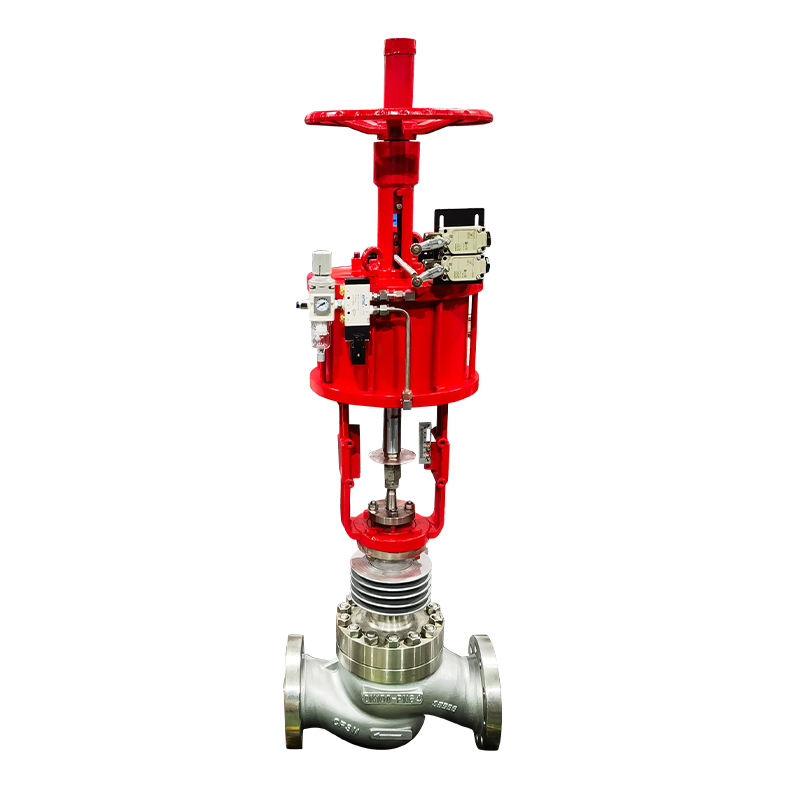
The short answer is that it depends. After air loss, a Pneumatic Stop Valve may stay where it is, return to a preset position, or be unable to complete its next movement. The outcome is set by the actuator design, the spring return arrangement, the position of the valve before the failure, and how the control system is built.
What Happens Inside a Pneumatic Stop Valve When Air Pressure Drops?
A pneumatic valve turns air pressure into mechanical force. When that pressure falls, the force falls with it. What the valve does next depends on whether anything else in the assembly can supply motion.
How the Pneumatic Actuator Responds to Air Loss
Compressed air is the driving source for the actuator. Without enough of it, the actuator can no longer produce its normal working force. Several things then shape the result:
- Compressed air can no longer provide the normal driving force.
- Whether the actuator can still move depends on its structure and on any force left in the system.
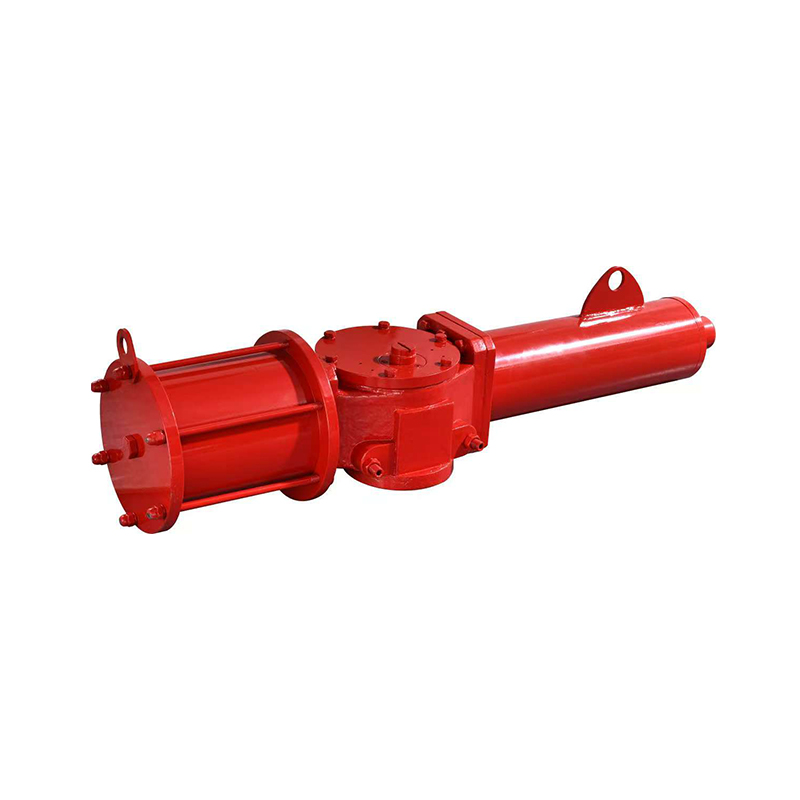
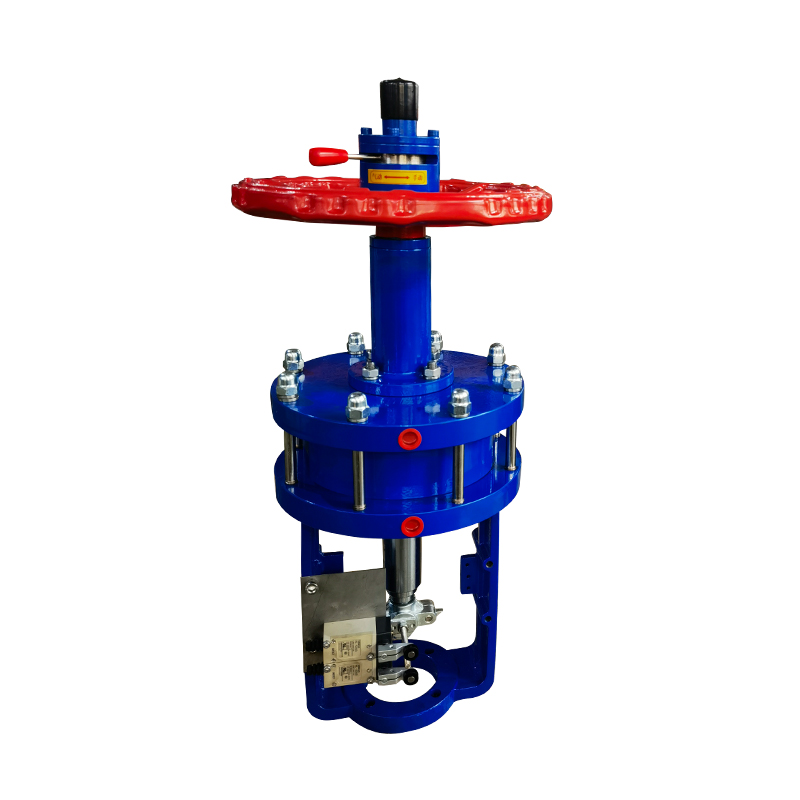
- A spring-return actuator may move the valve to a preset position once air is released.
- A double-acting actuator normally needs air pressure to drive both directions. Its behavior after air loss depends on the mechanism design, the load, and any added devices.
Pressure does not always vanish instantly. Air trapped in tubing or in the actuator chamber can leave some residual force for a short time. That is one reason observed behavior can differ from what a drawing suggests.
Why the Valve May Stay Open, Stay Closed, or Move
After air loss, a valve usually ends up in one of three states. It holds its last position, it moves to a preset position, or it fails to complete a movement that was already underway. Several points decide which one applies:
- The position of the valve before the failure affects the state afterward.
- A spring-return structure can be arranged to close or to open when air is lost.
- Without a dedicated return mechanism, nobody should assume the valve will close by itself.
- Valve position, actuator action, and the safe state of the system each need separate review.
Treating these as one question is a common source of confusion. A valve can sit in a closed position while the system around it is not in a safe state. The reverse can also be true.
Does a Pneumatic Stop Valve Automatically Close When Air Supply Fails?
Not by default. Some designs are arranged to close, some to open, and some have no built-in return action at all. Looking at the configuration is the only reliable way to tell.
Normally Closed and Fail-Closed Configurations
These two terms sound alike, but they describe different things. "Normally closed" refers to the state of the valve under certain normal or unpowered conditions. "Fail-closed" describes the intended behavior when the air supply fails. In some constructions the two match. In others they do not, so the terms should not be treated as interchangeable. Reading the product documentation and confirming the actual design intent avoids misunderstanding.
Normally Open and Fail-Open Configurations
Some processes need flow to continue, or to resume, when air is lost. Examples include certain cooling, venting, or discharge duties. Whether a fail-open arrangement suits a given system depends on the medium, the hazards involved, and the outcome of a risk assessment. A setup that works well in one plant can be unsuitable in another.
What About Double-Acting Pneumatic Actuators?
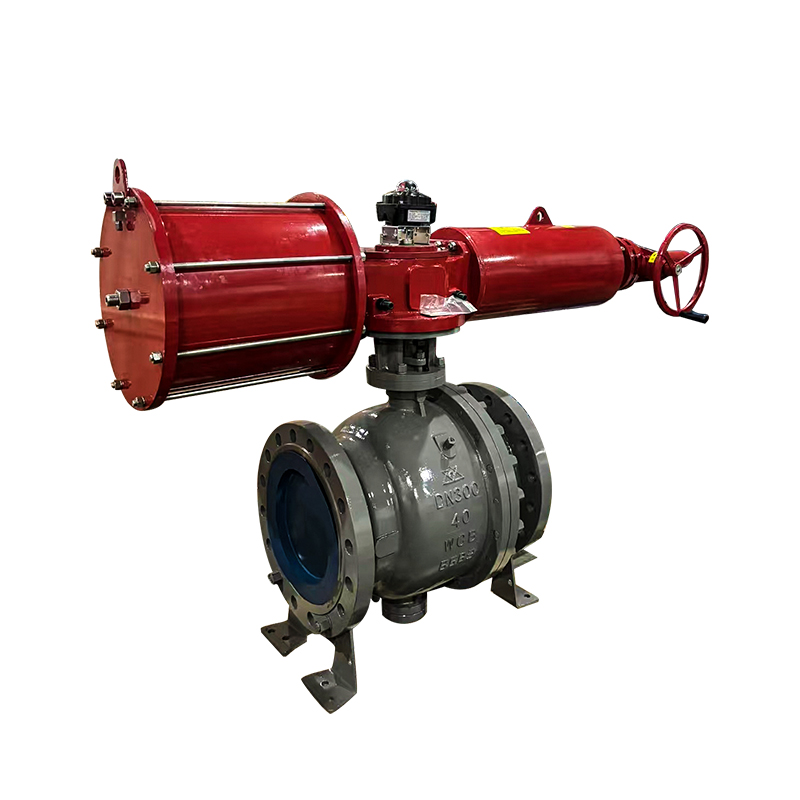
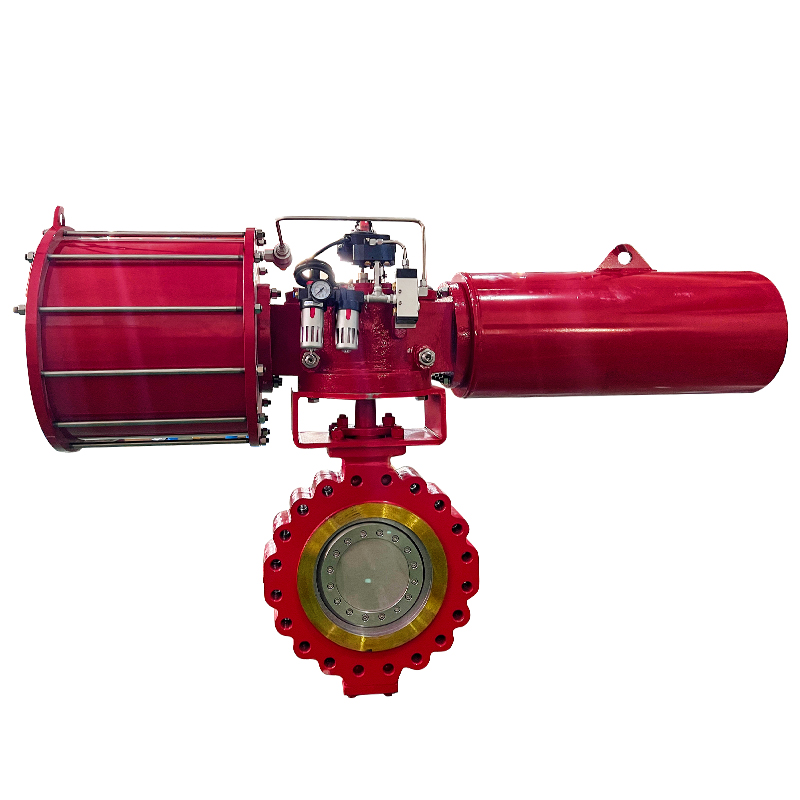
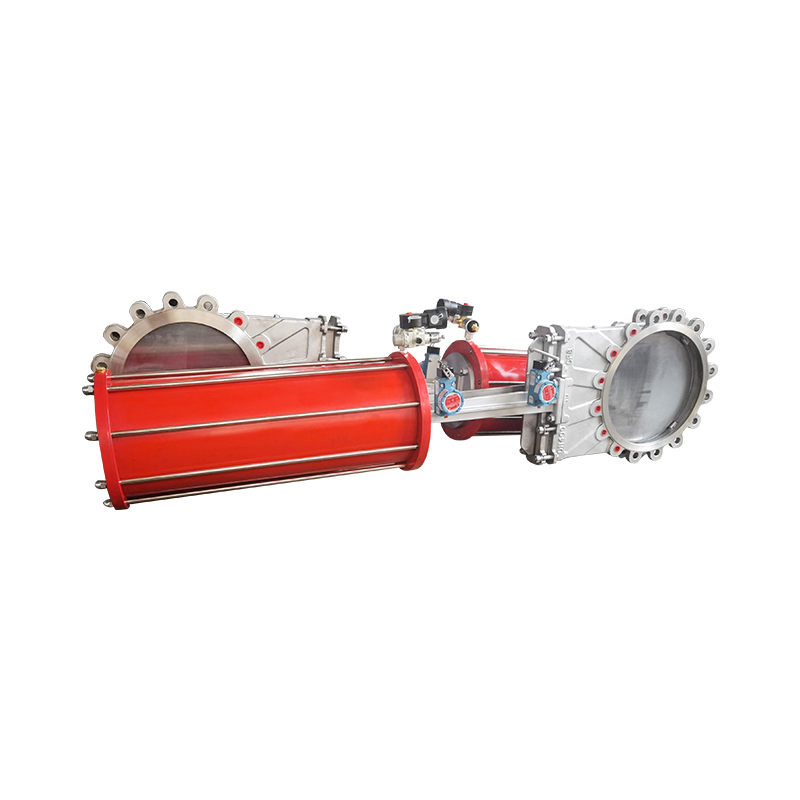
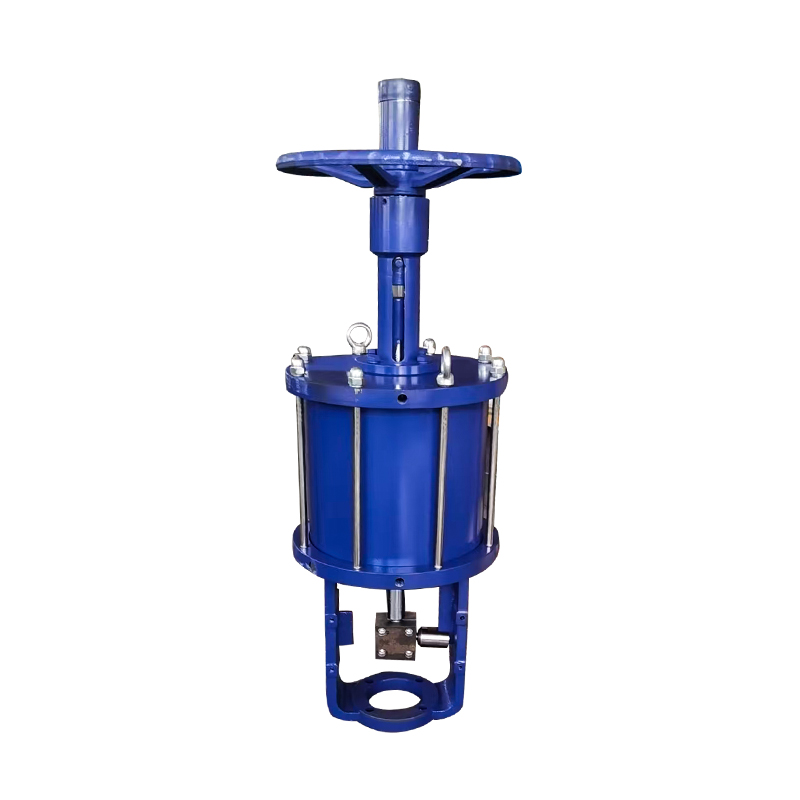
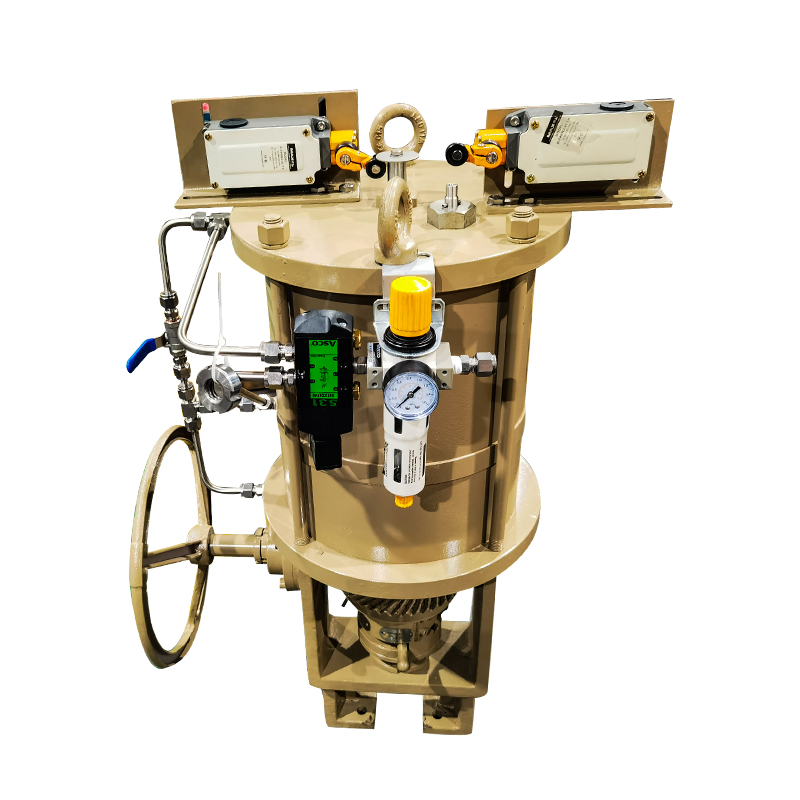
A double-acting actuator uses air on both sides of the piston. Because no spring is built in, it does not necessarily return to a fixed position when air is lost. The final position can be affected by:
- Friction in the stem and packing
- Process pressure acting on the disc
- Mechanical load from linkages or connected parts
- Residual air in the lines
- Any auxiliary devices fitted to the assembly
For this reason, a double-acting unit is often paired with extra equipment when a defined failure position is needed.
Quick Comparison of Common Configurations
| Configuration | Possible Response to Air Loss | What Buyers Should Check |
|---|---|---|
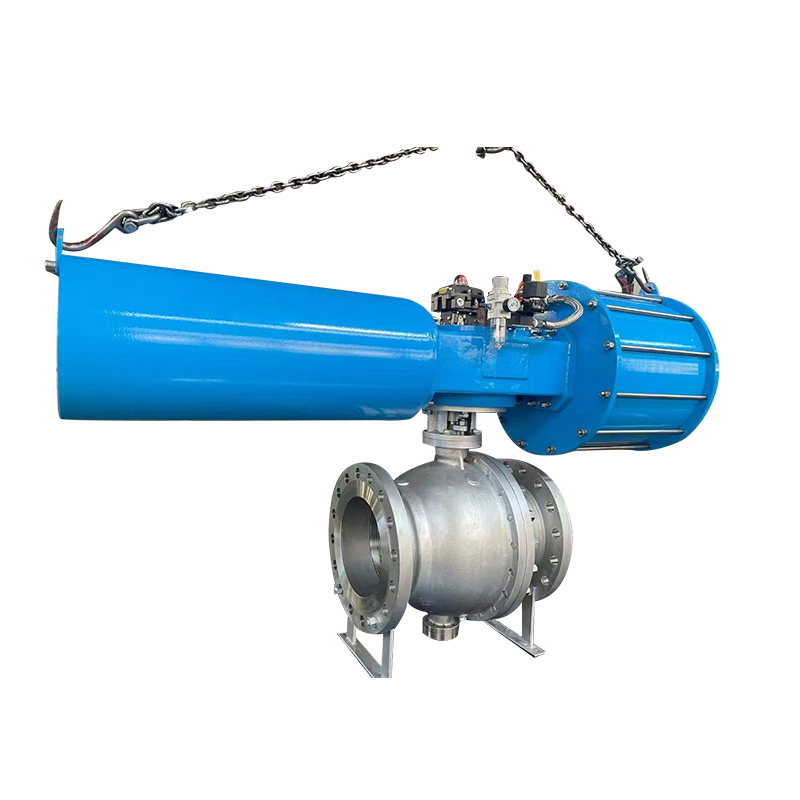
| Spring-return, fail-closed | Designed to return toward the closed position | Spring action and closing requirements |
| Spring-return, fail-open | Designed to return toward the open position | Required flow path and process safety |
| Double-acting actuator | May remain in position or move depending on system design | Stored energy, actuator design, and process forces |
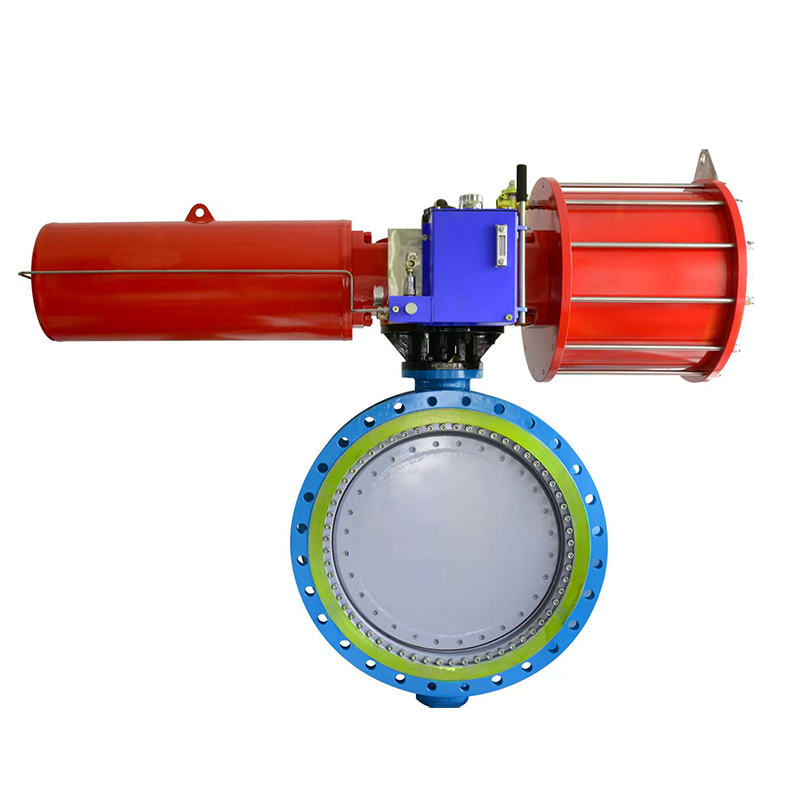
| Actuator with auxiliary equipment | Response depends on the complete assembly | Backup air, control circuit, and failure logic |
What Problems Can Air Supply Failure Cause in Industrial Equipment?
The technical behavior of a valve matters because of what it does to production. Air loss can affect flow, equipment, and safety in different ways.
Unexpected Changes in Flow
If the valve cannot move as intended, it may fail to throttle or to cut off the medium. Downstream equipment can then receive too much, too little, or an unsteady flow. That can disturb a process step that was running smoothly a moment earlier.
Interrupted Equipment Operation
Automated machines often rely on valves completing a set sequence. When a valve cannot finish its movement, the sequence may stall. Some production stages may pause until air supply and control status return to normal. Restart steps then take extra time, and staff may need to confirm valve positions by hand.
Risks to Process Safety
A mismatch between the valve state after air loss and the needs of the process can raise risk for equipment and people. Closing a line may be right for one application and harmful in another. For that reason, no single failure state should be described as suitable for every system. Each application needs its own evaluation.
How Can You Check a Pneumatic Stop Valve After Air Supply Loss?
Once air is restored, a methodical check protects both the equipment and the people working on it. The following steps offer a practical order:
- Check the air supply. Confirm that air has returned and that pressure meets the equipment requirements.
- Inspect the air lines and fittings. Look for leaks, kinks, or blockages in tubing, connectors, and related parts of the circuit.
- Review the actuator type. Identify whether it is spring-return or double-acting, since this shapes what you should expect to see.
- Verify the valve position. Following the product instructions and site safety rules, compare the actual position with the expected state.
- Check the control system. Examine control signals, directional control valves, and related interlocks.
- Test the system under an approved procedure. Qualified personnel should carry out checks and tests according to the manufacturer's instructions and site safety procedures.
Safety reminder: Do not remove a valve from the line when hazardous media, residual pressure, or the chance of sudden movement is present. Apply the relevant isolation, depressurization, and lockout and tagout procedures before any inspection work begins.
How Can You Prevent Pneumatic Stop Valve Problems Caused by Air Loss?
Prevention starts at the design and selection stage and continues through routine upkeep. A few habits make a real difference.
Choose the Correct Fail-Safe Function
Decide early whether the valve should open, close, or take another safe action when air is lost. Then verify the full failure logic of the system, including controls and any backup devices. A choice made on paper should be tested against real operating conditions.
Maintain a Suitable Air Supply
Manage air quality, pressure stability, filtration, and piping upkeep in line with the equipment requirements. Clean, steady air lowers the chance of sudden drops and helps components wear more evenly.
Review the Complete Valve and Actuator Assembly
During selection, look beyond the valve body. Check the actuator, control accessories, mounting interface, and working conditions together. A well-matched body can still behave poorly if the actuator or accessories do not fit the duty.
Include Air Failure in Maintenance Planning
Build air loss scenarios into the inspection plan, guided by equipment risk and the manufacturer's recommendations. Keep records of unusual movements, leaks, and maintenance results. Over time, those notes reveal patterns that are easy to miss in daily operation.
What Should Buyers Ask Before Choosing a Pneumatic Stop Valve?
Clear answers to a few questions save time during quoting and reduce the risk of a poor match. Before sending an inquiry, it helps to confirm the following:
- What medium will the valve control?
- What are the operating pressure and temperature conditions?
- Should the valve open or close when air supply fails?
- Is a spring-return or double-acting actuator required?
- What connection type and installation arrangement are needed?
- Are there specific control, testing, or documentation requirements?
Buyers who share their application conditions and technical requirements with Wisley Pneumatic give the supplier what it needs to discuss a suitable product configuration. Details such as fail-safe behavior should be confirmed against the product documentation for the specific model, rather than assumed.
Frequently Asked Questions
Will a Pneumatic Stop Valve Close When Air Pressure Drops?
Not necessarily. Its response depends on the actuator design, return mechanism, valve configuration, and system conditions.
What Is the Difference Between Fail-Open and Fail-Closed?
Fail-open means the system is designed to move toward an open state under the specified failure condition. Fail-closed means it is designed to move toward a closed state. The actual response depends on the complete assembly and operating conditions.
Can a Double-Acting Pneumatic Valve Operate Without Air Supply?
Normally, it cannot continue its intended pneumatic movement without sufficient driving air. Its position after air loss depends on the actuator, mechanical forces, and any auxiliary equipment.
How Can I Choose the Right Fail-Safe Valve Configuration?
Start with the process requirements and risk assessment. Confirm the required failure position, actuator type, operating conditions, and compatibility with the control system.
Air loss does not produce one fixed result. The valve may hold position, move to a preset state, or stop short of a full stroke, and the cause lies in the combination of actuator type, spring arrangement, process forces, and control design. Clear terms help, since "normally closed" and "fail-closed" are related but not identical ideas.
The practical path is simple. Define the safe state for your process, match the assembly to that need, keep the air supply in good condition, and plan checks around air failure. With those steps in place, a sudden loss of compressed air becomes a managed event rather than a surprise.