

 English
 русский



A pneumatic stop valve is expected to open and close promptly when it receives a signal. When it hesitates, drags, or stops halfway, the whole line feels it. Batches run late, safety interlocks lose their margin, and operators start to distrust the equipment. The cause is rarely mysterious. Most delays trace back to a small group of issues in air supply, the actuator, the stem and seat, or the control accessories.
How a Pneumatic Stop Valve Moves
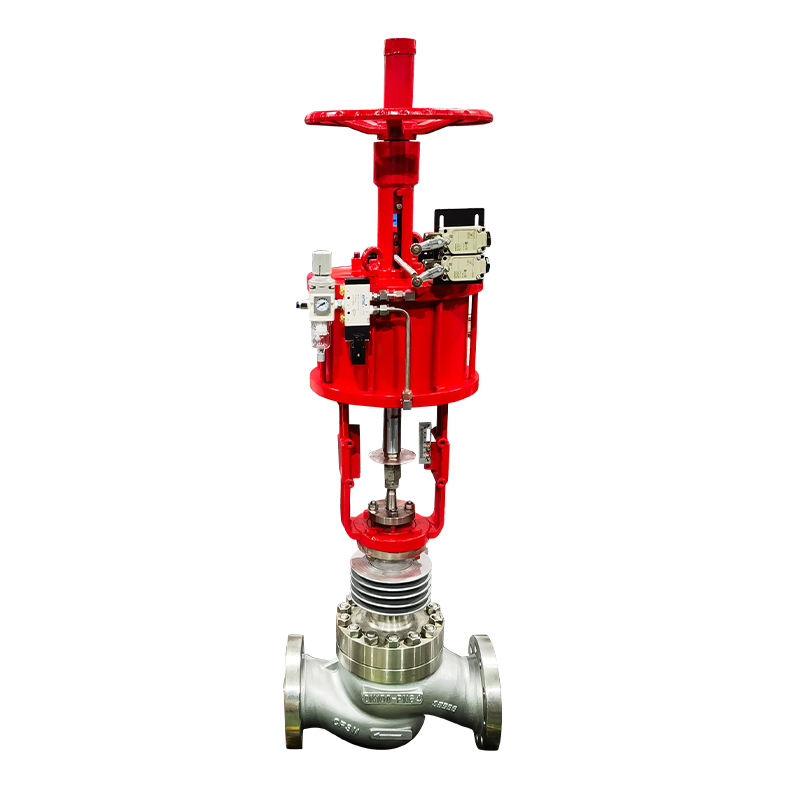
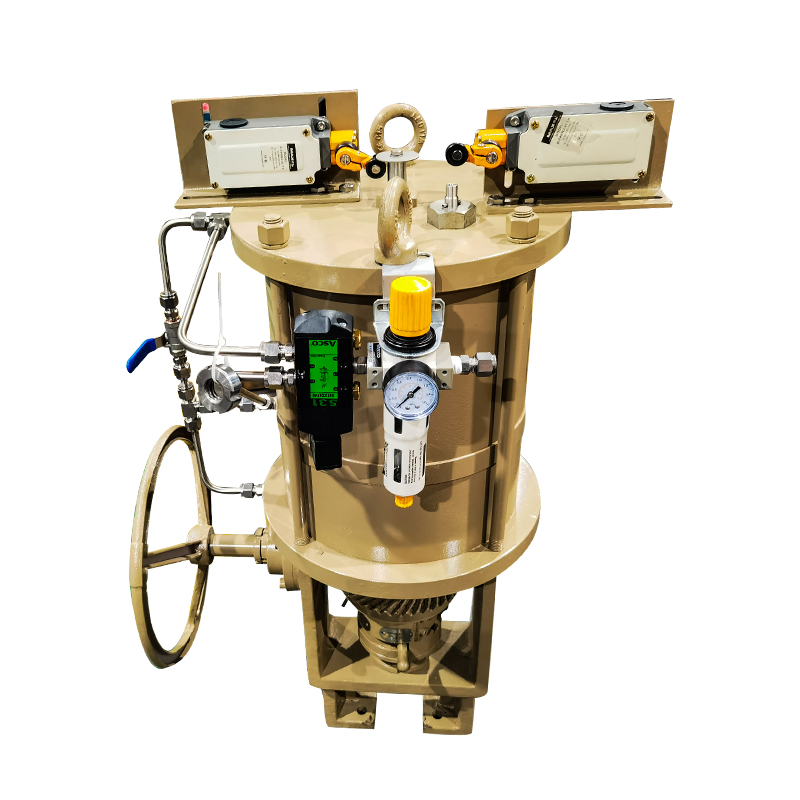
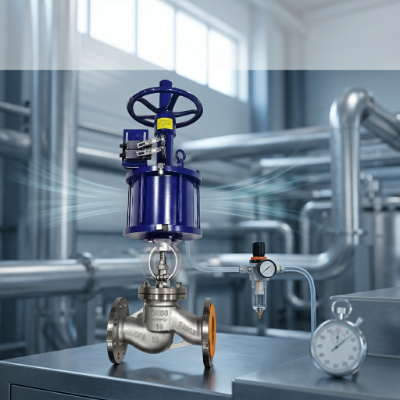
Compressed air enters the actuator and pushes a piston or diaphragm. That movement drives the stem, and the stem lifts or lowers the disc against the seat. A spring often returns the disc when air is released. The result is a linear, up-and-down motion that either lets media pass or blocks it.
Response time depends on every link in that chain:
- The air has to arrive in sufficient volume.
- The actuator has to convert that air into force without leaking.
- The stem has to move freely through its packing.
- The disc has to travel through the media without excessive resistance.
- The accessories have to pass the signal on without delay.
If any link is weak, the whole assembly slows down. So the practical approach is to inspect the chain from the air source to the seat.
Air Supply Problems Behind Sluggish Movement
Air supply is the most common starting point, and it is also the easiest to check. A valve cannot move briskly on weak or dirty air.
Pressure Drops Along the Line
Air pressure at the compressor and air pressure at the actuator are often different. Long pipe runs, undersized tubing, many elbows, and partly closed isolation cocks all rob the actuator of force. A gauge near the valve inlet gives a more honest reading than one at the compressor room.
Restricted Flow Through Tubing and Fittings
Pressure is only half the picture. The actuator also needs enough air volume to fill its chamber quickly. Thin tubing, crushed hoses, or small fittings act like a straw when a larger path is needed. Several valves sharing one narrow branch can starve each other when they operate at the same time.
Moisture, Oil, and Dust in the Air
Wet or dirty air does quiet damage:
- Water washes grease off the cylinder wall, which raises friction.
- Rust particles scratch seals and the cylinder bore.
- Oil carryover from the compressor can swell rubber parts.
- Dust clogs small ports in solenoids and positioners.
A filter-regulator that is overdue for draining or element replacement is a frequent culprit. Cold weather adds another risk, because trapped moisture can freeze and restrict small passages.
Actuator Troubles That Slow the Stroke
When the air arrives in good condition but the movement is still lazy, attention turns to the actuator itself.
Worn or Hardened Seals
Piston seals and diaphragms age with time, heat, and cycling. A seal that has hardened or worn thin allows air to slip past, so pressure builds slowly on one side. You may hear a faint hiss from the vent, or notice that the valve moves quickly in one direction and slowly in the other.
Weak or Fatigued Return Spring
In spring-return designs, the spring pushes the piston back when air is released. A tired spring, or one that has corroded, returns the disc slowly. This matters a great deal in emergency shutdown duty, where closing time is part of the safety function.
Lubrication Gaps
Cylinder walls need a thin, consistent film of suitable grease. When it dries out or gets washed away, the piston drags. The motion may look jerky, with a pause at the start of the stroke followed by a sudden jump. This stick-slip behavior is a classic sign of friction rather than air shortage.
Actuator Sizing That No Longer Fits
Sometimes the unit was never a good match for the duty. A process change, such as higher line pressure or a thicker medium, can demand more thrust than the original actuator provides. The valve still works, but it works hard and slowly.
Stem, Packing, and Seat Issues Inside the Body
Mechanical resistance in the body can hold back even a healthy actuator.
Over-Tightened Packing
Packing prevents leakage along the stem. If it is tightened too much, it grips the stem like a clamp. This is a common maintenance slip after a leak repair. Technicians tighten until the leak stops, and the side effect is a slower valve.
Stem Damage or Misalignment
A bent stem, a scored surface, or poor alignment between actuator and body forces the parts to rub. Misalignment often appears after reinstallation or after pipe stress shifts the body. The valve may move normally when unloaded, then labor under line pressure.
Scale, Crystals, and Deposits
Process media can leave residue on the stem, guide, and seat. Sugar solutions, chemical slurries, steam condensate with minerals, and polymer-bearing fluids are all known to build up deposits. These layers add friction and can stop the disc from seating cleanly.
Differential Pressure Working Against the Disc
Because a stop valve disc moves against or with the flow, line pressure can add to the load. If upstream pressure rises above what the actuator was chosen to handle, the disc opens reluctantly. Water hammer or pressure spikes can make this worse.
Control Accessories That Add Delay
Plenty of slow valves have nothing wrong with the valve itself. The accessories that command it can be the bottleneck.
Solenoid Valve Concerns
A solenoid with a coil that is running warm, a sticky spool, or a blocked pilot port may shift slowly. Low supply voltage has the same effect. The delay is small each time, but it adds up in fast cycling applications.
Positioner Settings and Feedback
A positioner that is poorly calibrated can hunt around the target position. Worn linkages, loose feedback arms, and clogged internal nozzles all produce sluggish or unstable travel.
Speed Control Fittings
Many installations include flow control fittings on purpose, to soften the motion. If someone closed them down during commissioning and forgot, the valve will look slow even though nothing is broken. This is a quick check and often the cheapest fix.
Exhaust Path Blockages
Air has to leave one side of the actuator as it enters the other. A clogged silencer or muffler on the exhaust port traps air and delays movement. Dust, paint overspray, and insect nests are surprisingly common causes.
Quick Diagnosis Guide
| Symptom | Likely Cause | Practical Check |
|---|---|---|
| Slow in both directions | Low air volume or high stem friction | Check inlet gauge and tubing size; inspect packing |
| Slow in one direction only | Weak spring, exhaust blockage, or seal leak | Inspect silencer; listen for air leakage |
| Jerky or stuttering motion | Dry cylinder wall or sticky stem | Review lubrication; inspect stem surface |
| Delay before any movement begins | Solenoid or signal problem | Test coil voltage; check pilot port |
| Stops partway | Pressure drop or foreign material | Watch gauge during stroke; inspect seat area |
| Slow only in cold weather | Moisture freezing in air lines | Drain filters; review air dryer |
A Simple Troubleshooting Routine
Working in a logical order saves time and avoids unnecessary part replacement.
- Observe the movement. Note whether it is slow in one direction, both, or only at certain times of day.
- Check supply pressure at the valve. Read the gauge while the valve is moving, since static readings can hide drops.
- Inspect the filter-regulator. Drain it, check the element, and confirm the setting.
- Look at tubing and fittings. Search for kinks, leaks, and undersized connections.
- Examine exhaust ports and silencers. Clean or replace any that look restricted.
- Review speed control fittings. Confirm they match the intended setting.
- Test the solenoid and positioner. Verify voltage, response, and calibration.
- Isolate and stroke the valve. If safe, cycle it with the line depressurized to feel for stem drag.
- Open the actuator if needed. Inspect seals, spring, and cylinder surface.
Always follow lockout procedures and site safety rules before opening any pressurized or process-connected equipment.
Prevention Habits That Keep Response Steady
Slow response often builds up gradually, which is why routine care pays off.
Build a Regular Inspection Rhythm
- Drain air filters on a set schedule.
- Check seals and exhaust silencers during planned shutdowns.
- Record stroke times when the valve is healthy, so later changes stand out.
- Re-lubricate according to the manufacturer's guidance.
Match the Valve to the Duty
Material choice, actuator size, and sealing design should reflect the real medium, temperature, and pressure of the application. When the process changes, review the valve selection again. Suppliers such as Zhejiang Wisley Automatic Valve Co., Ltd. offer pneumatic stop valves in several body materials and configurations, which gives buyers room to fit the unit to the service conditions.
Protect the Air Quality
A dryer, a suitable filter, and a clean compressor room do more for valve health than most people expect. Treat compressed air as an ingredient of the process, not an afterthought.
Train the People Who Touch the Valve
Many slow valves come from well-meant adjustments, such as tightening packing too far or throttling speed fittings without a record. A short checklist and clear labeling reduce those accidents.
Frequently Asked Questions
How can I tell whether the problem is air supply or the valve body?
Disconnect the load if possible and stroke the actuator alone. If it moves briskly, the issue likely sits in the body, stem, or media. If it still drags, look at air quality, seals, and lubrication.
Can a slow pneumatic stop valve still be safe to use?
That depends on its role. In general process control, a modest delay may be tolerable for a while. In emergency shutdown or safety-related duty, any change in response time deserves prompt attention and documented testing.
Does temperature affect response speed?
Yes. Cold can stiffen grease and seals and freeze moisture in air lines. Heat can soften or age rubber parts and thin the lubricant. Both extremes change friction and sealing behavior.
How often should the actuator be serviced?
Intervals vary with duty cycle, air quality, and medium. Frequent cycling, dirty air, or aggressive fluids call for shorter intervals. The manufacturer's maintenance manual is the right reference for your model.
Is replacing the whole valve usually necessary?
Often it is not. Seals, springs, solenoids, silencers, and packing are serviceable items. Replacement of the full unit makes sense when the body or stem is damaged, or when the duty has changed beyond what the current design can handle.
A slow pneumatic stop valve is a symptom, not a diagnosis. The cause usually sits in one of four areas: the compressed air supply, the actuator, the stem and seat region, or the control accessories. Checking them in that order, with a gauge, a careful ear, and a record of normal stroke times, solves most cases without major cost.
Steady response comes from clean air, correct sizing, light but regular maintenance, and attention to small changes before they grow. When the unit is properly matched to its service and cared for, it can open and close with the promptness the process depends on.