

 English
 русский



A shutoff fails to seal on the first try, and suddenly a chemical line that should have closed cleanly is dripping past the seat. Anyone who has run a chemical processing floor knows that feeling — the small delay before an operator notices, the scramble to isolate the line manually, the question of whether the valve itself was ever suited to the medium running through it. Picking the right pneumatic system control valve isn't really about specifications on a sheet; it's about whether the thing holds up when the process actually depends on it. Chemical service asks more of a valve than almost any other application. Corrosive media, pressure swings, and the constant possibility of a fluid that reacts badly with the wrong seal material — all of that sits behind a decision that, on paper, looks like a simple part number choice.
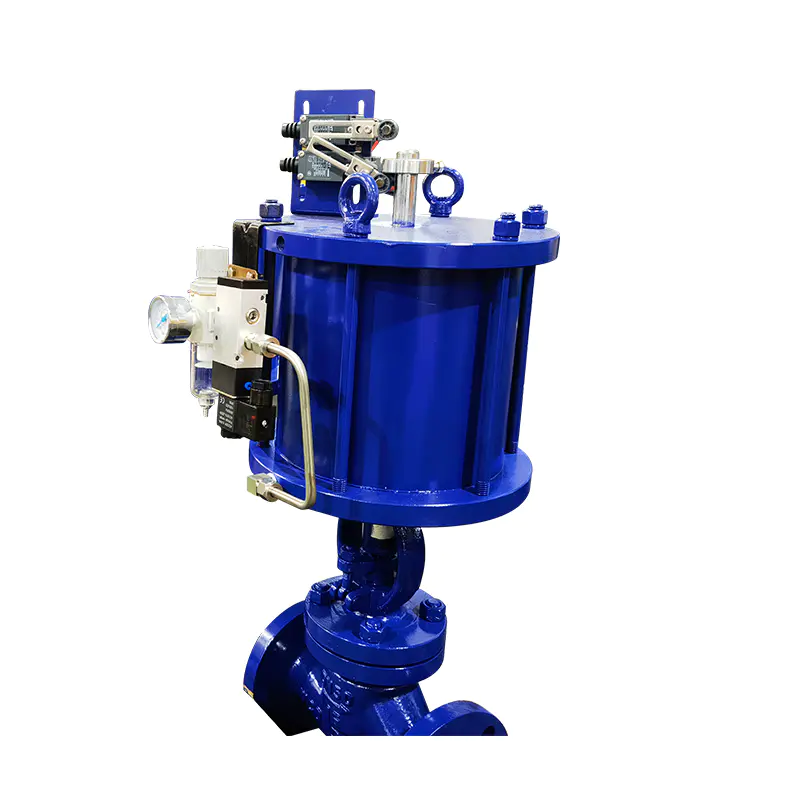
Why Chemical Service Changes the Calculation
Ordinary pneumatic valves get selected mostly on flow rate and actuation speed. Chemical processing adds a layer that can't be ignored: what happens when the wrong material touches the wrong chemical. A trim that works fine on water or air will sometimes degrade within days when exposed to certain acids or solvents, and by the time someone notices pitting or swelling in a seal, the damage has usually already reached the point of leakage.
So the calculation shifts. Instead of asking only "does this valve open and close fast enough," engineers also have to ask what the wetted parts are made from, how the seat material behaves under repeated cycling, and whether the body itself can take the pressure class the line actually runs at.
The Corrosion Question
Corrosion resistance isn't a single property — it depends on which chemical, at what concentration, and at what temperature. A material that resists one acid might degrade quickly under another. That's part of why material selection conversations with a valve supplier tend to take longer than people expect; there's rarely a universal answer.
The Sealing Question
Beyond material compatibility, the seal design itself matters. A valve that seats unevenly, even slightly, will eventually pass trace amounts of medium — and in chemical service, trace leakage isn't a minor inconvenience. It's a safety and environmental issue that tends to get flagged during audits.
What a Pneumatic System Control Valve Actually Does
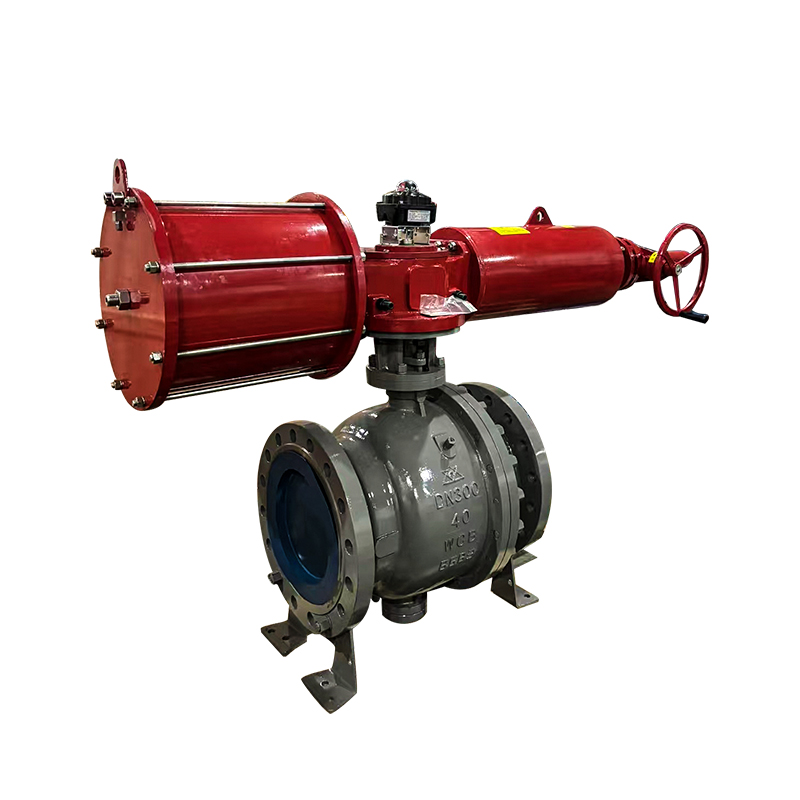
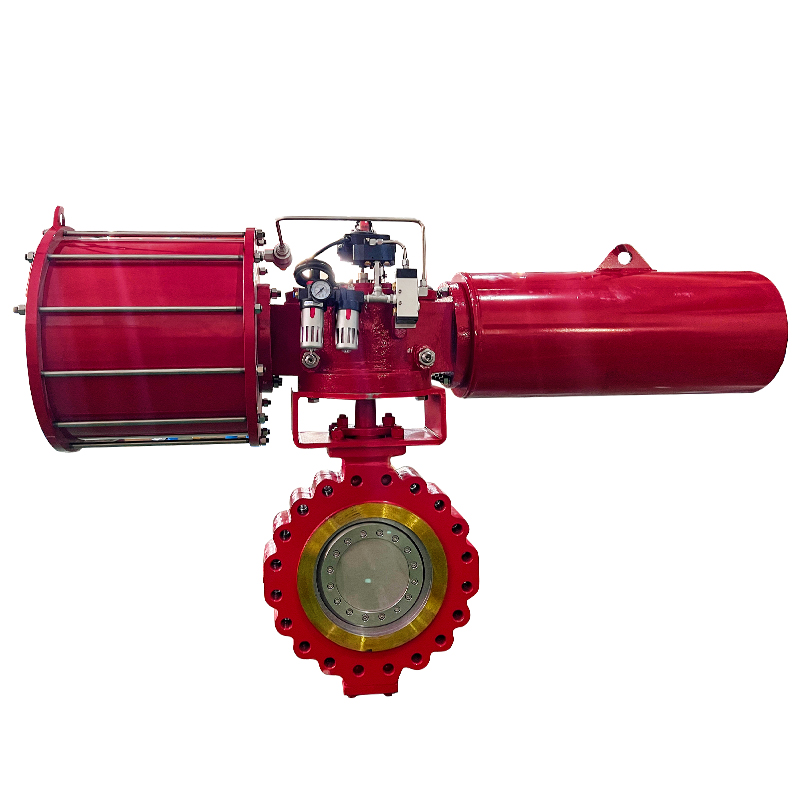
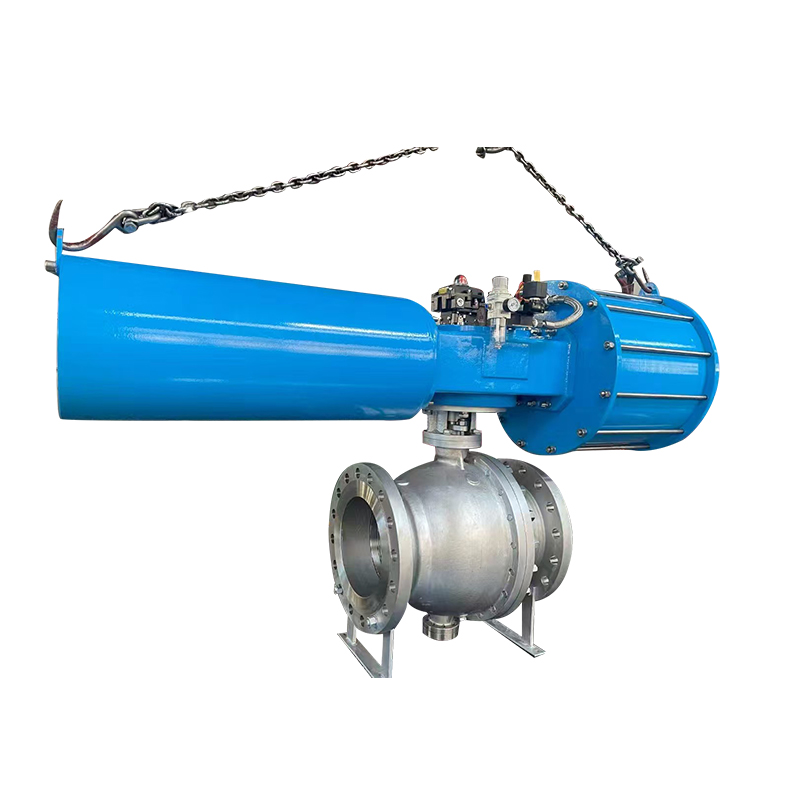
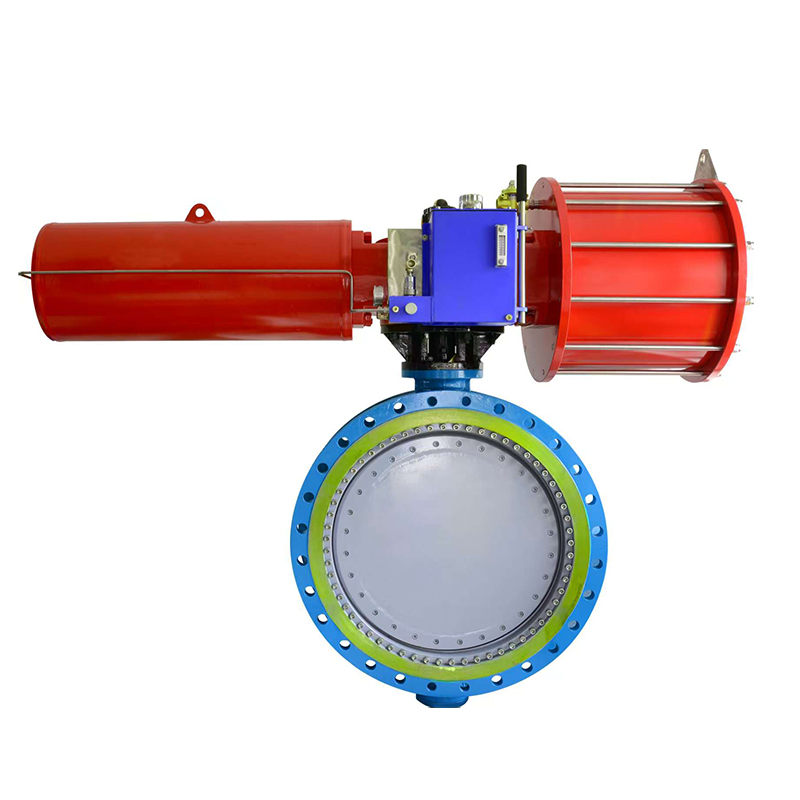
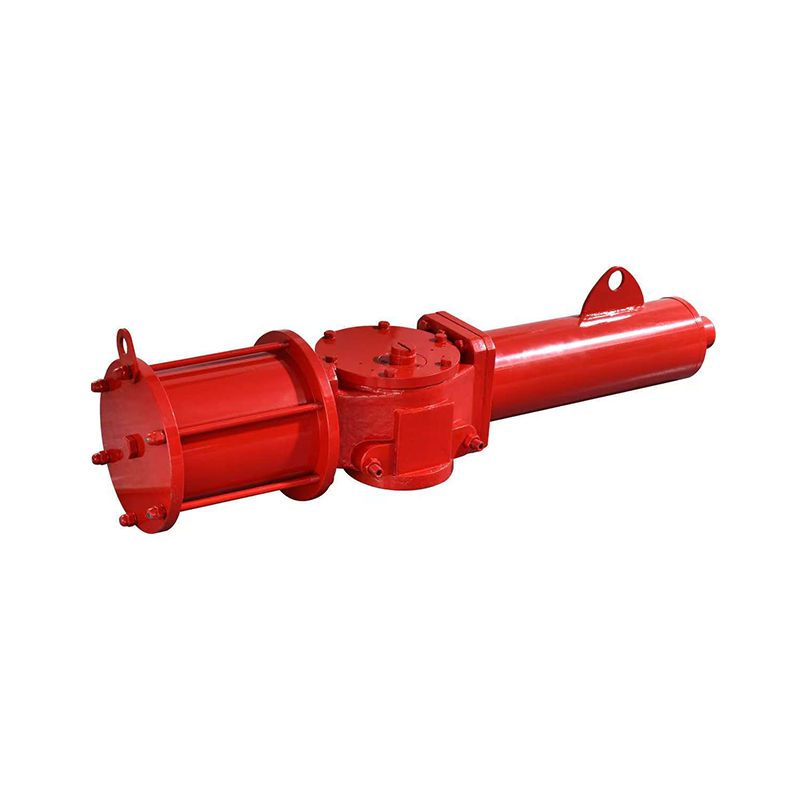
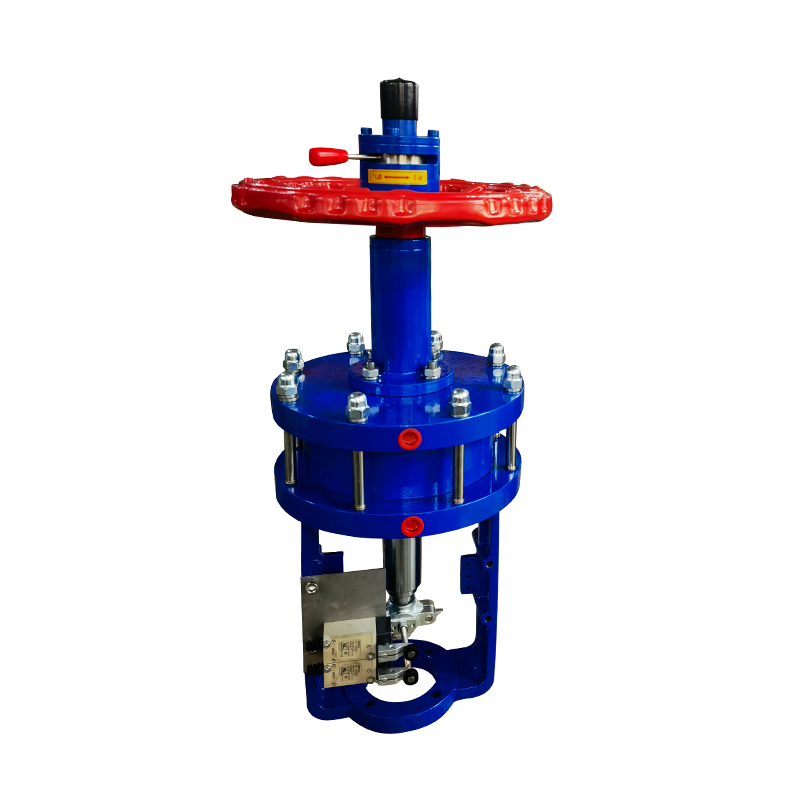
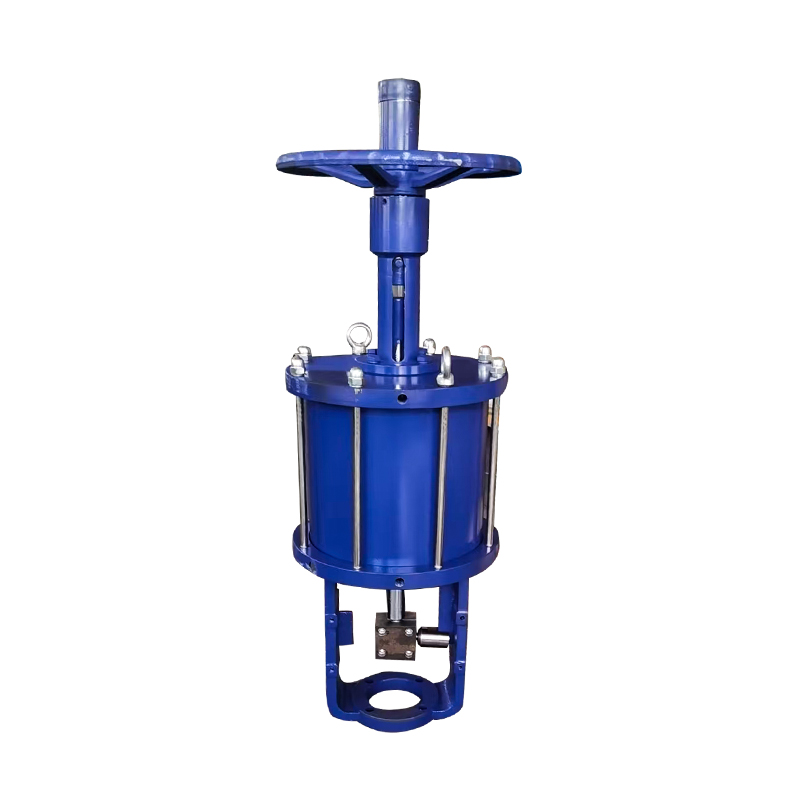
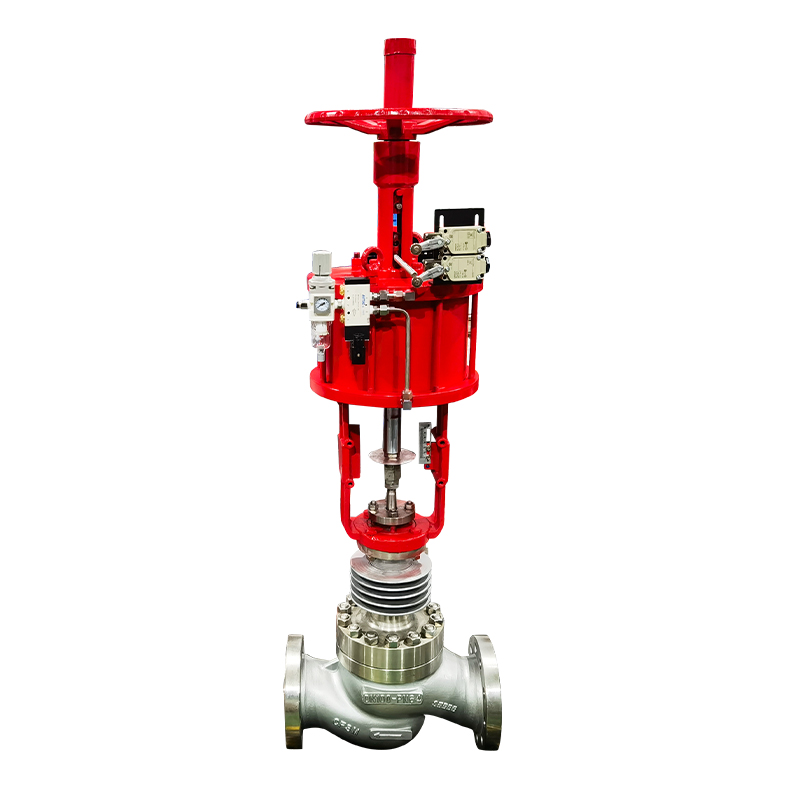
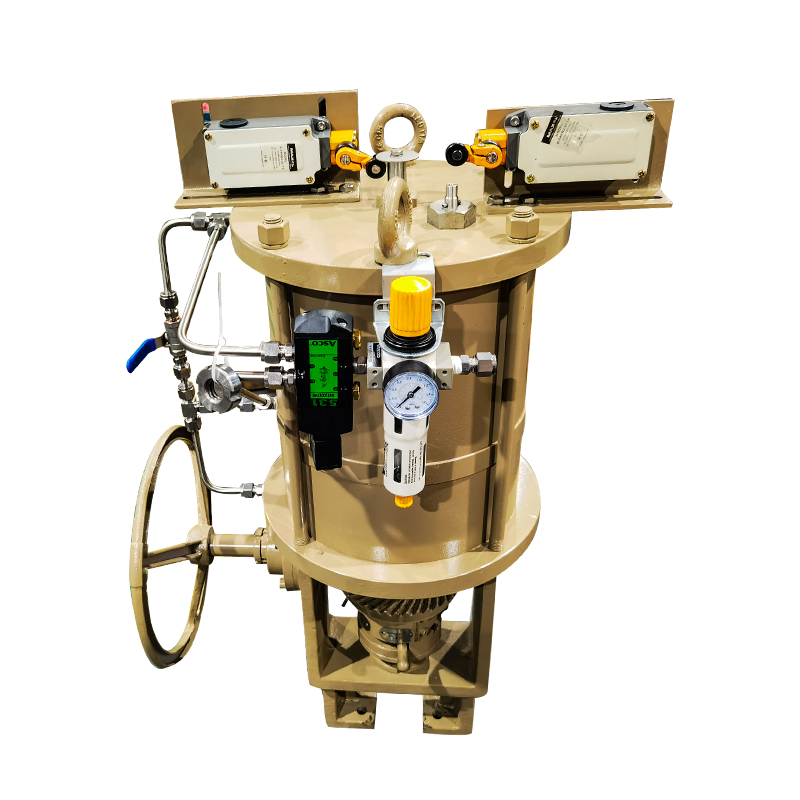
At its core, this type of valve uses compressed air to open, close, or modulate flow through a line, without needing a person standing at the point of control. The air acts on a piston or diaphragm, which in turn moves the valve stem or disc. Because the actuation is pneumatic rather than manual, response times stay fast and consistent, and the valve can be tied into a broader automation system that reacts to sensor input rather than waiting on human observation.
That automation link is really the point. In a chemical plant, a control loop might need to shut a line the instant a pressure sensor detects an anomaly. Waiting for someone to walk over and turn a handwheel isn't a realistic option when the margin for error is measured in seconds.
Stop Valve vs Broader Control Valve: What's the Difference?
People sometimes use "stop valve" and "control valve" interchangeably, but the distinction matters when specifying equipment.
A stop valve is built primarily for on-off service — fully open or fully closed, with little in between.
A control valve is designed to modulate, holding partial positions to regulate flow rate continuously.
Both roles show up in chemical processing, often on the same skid. A stop valve might isolate a section of line during maintenance, while a control valve nearby manages the actual flow rate feeding a reactor. Knowing which function a given point in the process needs prevents the common mistake of installing a modulating valve where a straightforward isolation valve would have done the job at lower cost and complexity.
Emergency Shut Off Valve: The Safety Layer
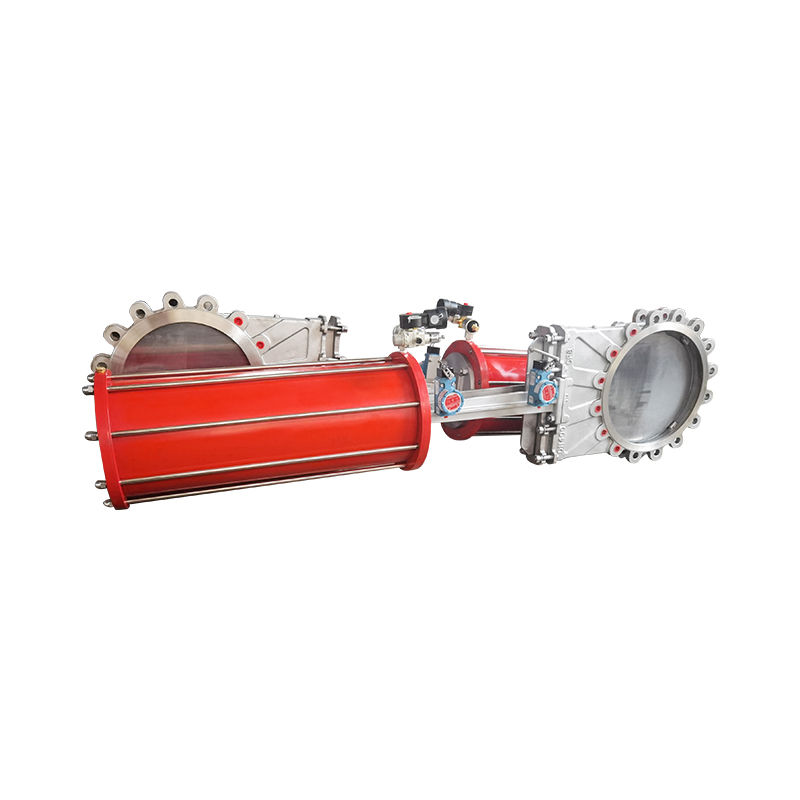
There's a specific category worth separating out from general control duty: the pneumatic emergency shut off valve. This isn't about routine process control. It's about the scenario where something has already gone wrong — a pressure spike, a detected leak, a fire signal — and the system needs to isolate a section of the plant without waiting for anyone's judgment call.
A few things typically define this category:
Fail-safe action, meaning the valve moves to a safe position automatically if air supply or signal is lost
Fast actuation, since the whole point is closing before a small problem becomes a large one
Integration with the plant's safety instrumented system, not just the general control network
Periodic testing built into maintenance schedules, because a safety valve that's never exercised is a valve nobody can trust in an actual event
Skipping this category, or treating it as interchangeable with standard control valves, tends to be one of the more expensive mistakes a plant can make — not in the valve's price tag, but in what happens downstream if it doesn't perform when called on.
Matching Valve Type to Process Condition
There isn't one configuration that fits every chemical line. The right choice depends on a handful of variables that engineers usually walk through together rather than in isolation.
ConsiderationWhat to CheckWhy It Matters
Chemical compatibilityWetted material against the specific mediumPrevents premature seal or body degradation
Pressure classLine pressure against valve ratingAvoids leakage or failure under load
Actuation speedCycle time requirement of the processDetermines whether standard or fast-acting design applies
Fail positionFail-open vs fail-closed on air lossDirectly tied to safety outcome
Duty typeIsolation only vs continuous modulationDetermines stop valve vs control valve selection
Working through a table like this with a supplier early tends to save a fair amount of rework later, since swapping trim materials or actuator types after installation is rarely simple once the line is already piped in.
How Should a Buyer Approach Selection?
Rather than starting from a catalog page, it helps to start from the process itself. What medium is actually running through the line? What happens if the valve fails in the open position versus the closed position? Is the duty continuous, or does the valve sit idle for long stretches between actuations?
Answering those questions first, then matching them against material and actuator options, tends to produce a far better outcome than picking a valve based on air connection size or price alone. A valve that's technically compatible but marginal on pressure rating, for instance, might work for months before showing signs of stress — right up until a process upset pushes it past what it was ever meant to handle.
It's also worth asking about testing and maintenance access. A valve that's difficult to inspect or cycle for testing tends to get skipped during routine checks, which defeats the purpose of having a safety-rated component in the first place.
Bringing It Together
None of this is complicated in isolation, but chemical processing tends to stack several demands on top of each other at once — corrosion resistance, fast and reliable actuation, fail-safe behavior, and compatibility with an automated control network, all in the same piece of equipment. Getting each of those right individually still leaves room for something to go wrong if they aren't considered together as part of one selection process. That's really the practical lesson: a pneumatic system control valve chosen for chemical service has to satisfy the material question, the actuation question, and the safety question simultaneously, not as separate line items on a spec sheet. Zhejiang Wisley Automatic Valve Co., Ltd. works with process engineers and automation integrators to match valve configurations to the specific chemical service and safety requirements each line calls for, and is available to talk through material selection, fail-safe behavior, and control integration for a given application.