

 English
 русский



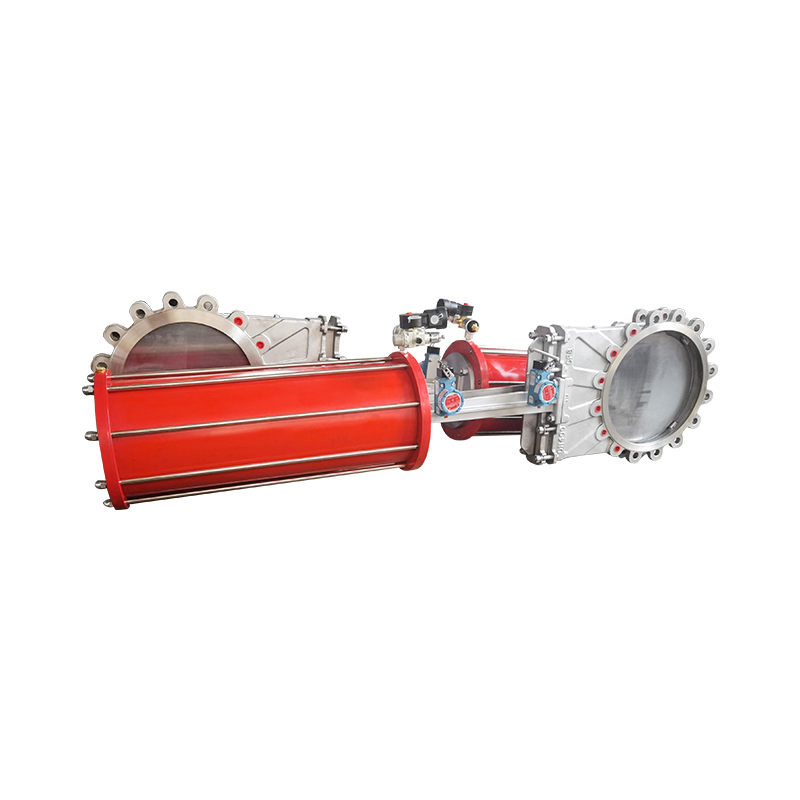
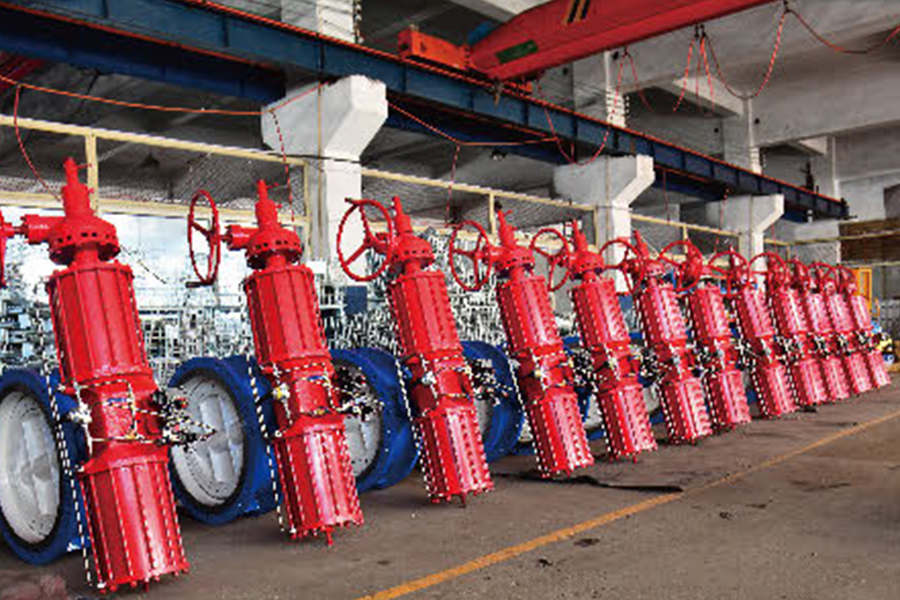
A Pneumatic Knife Gate Valve is used in selected pulp and paper mill pipelines to isolate media containing fibers, pulp, and suspended solids. Unlike pipelines carrying clean water, pulp processing lines often transport materials that can settle, accumulate, or become difficult to move when production stops. Valve selection therefore needs to consider more than pipeline size and operating pressure.
From stock preparation to pulp transfer and wastewater handling, different stages of paper production place different demands on pipeline equipment. Understanding how a pneumatic knife gate valve works helps plant operators, engineers, and purchasing teams determine where this valve may fit into a process and what details should be checked before installation.
Why Do Pulp and Paper Mills Use Knife Gate Valves?
Paper manufacturing involves several stages, including fiber preparation, pulp processing, stock preparation, sheet formation, and wastewater treatment. Water and fiber mixtures move between tanks, pumps, screens, and other equipment throughout the plant.
The material inside these pipelines is not always easy to handle.
Pulp slurry contains fibers suspended in water. Depending on the production process, it may also contain fillers, recycled paper fragments, mineral particles, or other process residues. Some lines carry relatively dilute stock, while others handle thicker mixtures.
These characteristics can affect valve operation in several ways:
- Fiber accumulation: Fibers may collect around sealing surfaces or moving components.
- Material settling: When flow stops, solids can settle and make the next operating cycle more difficult.
- Changing consistency: Pulp concentration can vary between production stages, affecting how the medium moves through the pipeline.
- Abrasive particles: Recycled fiber processing may introduce contaminants or mineral particles that contribute to wear.
- Frequent isolation: Equipment maintenance and process changes may require individual pipeline sections to be shut off.
A knife gate valve uses a flat blade that travels across the flow passage. Its movement can help separate a pipeline carrying suitable solid-bearing media without relying on a conventional wedge arrangement.
The valve is generally selected for on-off isolation rather than continuous flow regulation.
How Does a Pneumatic Knife Gate Valve Work?
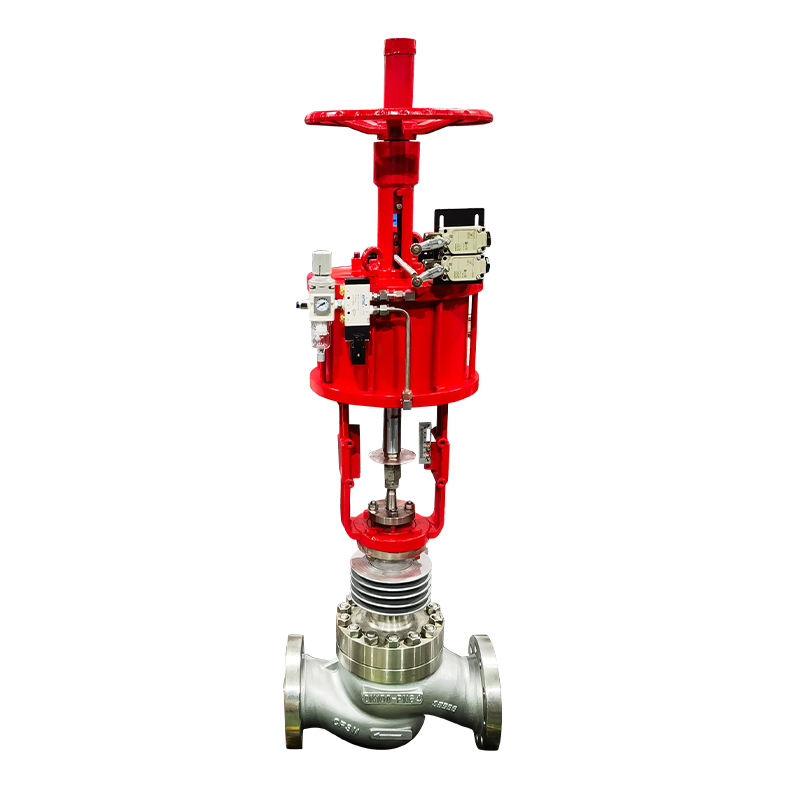
The operating principle combines a moving gate with a pneumatic actuator. Compressed air provides the energy needed to move the blade between its open and closed positions.
1. Compressed Air Enters the Actuator
A pneumatic actuator is mounted above the valve body and connected to the gate through a stem or operating mechanism.
When the control system sends an operating signal, compressed air enters the actuator through the pneumatic connection. Inside the cylinder, air pressure acts on the piston or other internal driving mechanism.
This creates the force required to move the valve.
The actual arrangement depends on the actuator configuration selected for the application.
2. The Actuator Moves the Gate
The actuator transfers its movement to the gate through the stem.
During opening, the blade moves away from the pipeline passage. When the valve reaches its fully open position, the gate is withdrawn from the main flow path according to the valve design.
Pulp slurry can then pass through the pipeline.
During closing, the actuator moves the blade back across the passage. The blade edge travels through the medium and approaches the seating area.
This cutting or displacing movement is one reason knife gate valves are considered for certain fiber-containing applications.
However, the result depends on the blade design, media characteristics, and available operating force. A knife gate should not be assumed to pass through every type of compacted or solidified material.
3. The Gate Reaches the Closed Position
As the blade completes its travel, the seating arrangement provides the required isolation.
The seat design is important because fibers and suspended solids can affect the contact area between the gate and sealing components.
For this reason, the valve should be selected according to the actual pulp consistency, pressure conditions, and required shutoff performance.
4. The Control System Confirms the Valve Position
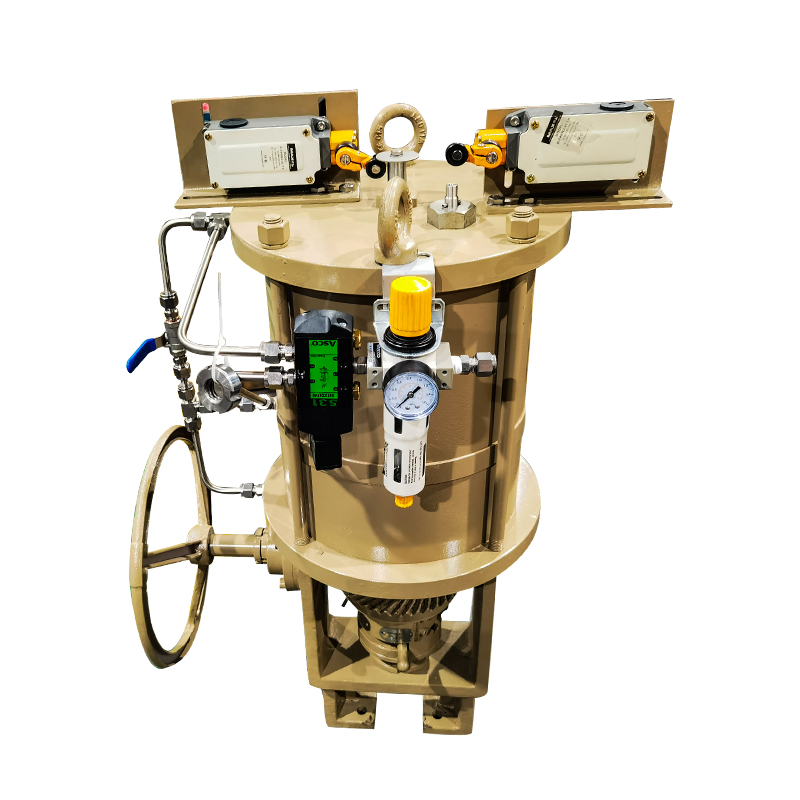
For automated installations, a solenoid valve can control the air supply to the actuator. Limit switches or other position feedback devices may be used to indicate whether the valve is open or closed.
The signals can be connected to a plant control system, allowing operators to monitor valve status from a control room.
This is useful when multiple isolation points are distributed across a large production facility.
Where Is a Pneumatic Knife Gate Valve Used in a Paper Mill?
Not every production line uses the same type of valve. The suitability of a knife gate valve depends on the medium, process conditions, and required function.
Stock Preparation and Pulp Transfer
Stock preparation connects pulp processing with the paper machine. Depending on the mill configuration, this stage may include pulp storage, blending, dilution, screening, and transfer between process tanks.
Knife gate valves are commonly considered for isolation duties in suitable stock preparation pipelines.
For example, a valve may be installed near a storage chest or transfer line where operators need to isolate equipment for inspection or maintenance.
The main consideration is the behavior of the pulp inside the pipeline. Fiber concentration and drainage characteristics can influence whether the gate can complete its closing movement.
A valve suitable for one stock condition may not be appropriate for another.
Recycled Paper Repulping
Recycled paper processing introduces another set of operating conditions.
Waste paper is mixed with water in a pulper to separate the fibers. The resulting material may contain unwanted substances such as staples, plastic fragments, sand, and other contaminants, depending on the incoming paper and cleaning process.
These materials can increase the wear experienced by pipeline equipment.
A knife gate valve may be considered at suitable isolation points in the recycled pulp handling system. However, abrasive contaminants and foreign objects should be evaluated before selecting the gate and body materials.
It is also important to distinguish between ordinary fiber-containing pulp and heavily contaminated reject streams. They do not necessarily require the same valve construction.
Screening and Cleaner Systems
Screening and cleaning equipment separates unwanted material from usable pulp.
Pipelines around these systems may carry fiber suspensions and process residues. Valves are needed at selected connections so that equipment can be isolated during cleaning, inspection, or maintenance.
A pneumatic actuator can be useful when the valve forms part of a remotely operated process sequence.
The valve itself should still be selected for the actual pressure, media, and shutoff requirements of the line.
Paper Machine Stock Supply
Prepared pulp is transferred toward the paper machine, where the stock is distributed for sheet formation.
Isolation valves may be required around storage chests, pumps, and connected process equipment.
In these locations, plant engineers should consider the effect of an unexpected shutdown. If pulp remains stationary in a pipeline, its consistency and ability to flow may change over time.
The valve specification should therefore account for both normal production and possible periods without flow.
Whitewater and Wastewater Systems
Paper mills use substantial amounts of water during production. Whitewater and wastewater systems collect and process water from different production stages.
Some lines contain suspended fibers and process residues, while others carry relatively clean water.
A knife gate valve may be suitable for selected isolation duties, but the required sealing performance and valve construction can differ from those used in thicker pulp slurry service.
It is not advisable to apply one valve configuration across every water and pulp line without reviewing the process conditions.
What Makes the Pneumatic Actuator Useful?
The actuator changes how operators control the valve. Instead of turning a handwheel locally, they can use compressed air and a control signal to operate the gate.
This can be helpful in paper mills where pipelines and process equipment are spread across different production areas.
Several practical advantages are worth considering:
| Operating consideration | Pneumatic operation |
|---|---|
| Remote switching | Can be operated through a suitable control system |
| Repeated operation | Supports automated opening and closing sequences |
| Operator access | Reduces the need for manual access at each valve location |
| Position monitoring | Can use limit switches or feedback accessories |
| Air supply | Requires a suitable compressed air source |
| Maintenance | Requires inspection of the actuator and pneumatic connections |
Pneumatic operation is not automatically necessary for every isolation point.
A manually operated valve may be sufficient where operation is infrequent and the installation is easy to reach. Pneumatic actuation becomes more relevant when a valve is part of an automated production sequence or located in an area where local operation is inconvenient.
Single-Acting and Double-Acting Actuators
A single-acting actuator uses compressed air for one direction of travel and a spring for the return movement.
A double-acting actuator uses compressed air to drive both opening and closing movements.
The selection depends on the required operating sequence, available air supply, and the response expected if the air supply is interrupted.
Plant engineers should also confirm whether a particular fail position is required. This decision should be based on the process safety assessment rather than assumed from the actuator type alone.
How Should You Select a Valve for Pulp and Paper Service?
Pulp and paper applications vary considerably. A valve selected for dilute stock may not perform in the same way when handling thicker or more abrasive material.
Before confirming a model, buyers should review the following factors.
Understand the Pulp Characteristics
Start by identifying what the pipeline carries.
Useful information includes:
- Pulp type and source.
- Fiber concentration or stock consistency.
- Presence of fillers, sand, or other abrasive particles.
- Tendency of the material to settle or dewater.
- Normal flow condition and possible shutdown periods.
- Required isolation and leakage performance.
Stock consistency and freeness are important considerations in pulp slurry valve selection. If the medium becomes stationary and loses water, it may become harder for a gate to close through the material.
High-consistency stock may require a different valve arrangement from moderate- or low-consistency applications. A standard knife gate valve should not be specified for every pulp line without checking these differences.
Check the Body, Gate, and Seat Materials
Material selection depends on the process medium and operating environment.
The valve body and gate need to withstand the mechanical and chemical conditions of the application. Where abrasive particles are present, wear resistance becomes an important part of the specification.
The seat material also deserves attention.
| Component | Selection consideration |
|---|---|
| Valve body | Process compatibility, pressure conditions, and mechanical requirements |
| Gate | Corrosion exposure, abrasion, and movement through the medium |
| Seat | Required shutoff performance and compatibility with pulp or process chemicals |
| Packing | Leakage control, friction, and maintenance requirements |
Paper mills may also use chemicals during pulping, washing, and bleaching. These services should not be treated as ordinary pulp slurry applications. Chemical compatibility, temperature, pressure, and the specific valve design must be checked separately.
Confirm the Actuator and Accessories
The pneumatic actuator must provide enough force to move the gate under the specified operating conditions.
Buyers should confirm:
- Required opening and closing operation.
- Available compressed air supply.
- Expected operating frequency.
- Required fail position, if applicable.
- Solenoid valve configuration.
- Limit switch or position feedback requirements.
These details help the manufacturer review the complete valve assembly rather than selecting an actuator based only on nominal valve size.
Consider Installation and Maintenance Access
The valve should be installed where operators can inspect the actuator, stem, packing, and other serviceable components.
Allow sufficient space for actuator removal and maintenance. Pneumatic tubing and electrical connections should also be arranged so they are accessible without interfering with nearby equipment.
For pipelines carrying fiber-rich media, the maintenance plan should consider possible accumulation around the gate and seating area.
Common Problems During Operation
Even a correctly selected valve can experience operating issues if process conditions change or maintenance is overlooked.
| Problem | Possible reason | What to inspect |
|---|---|---|
| Gate does not close fully | Fiber buildup or settled pulp | Gate travel and seating area |
| Slow opening or closing | Low air pressure or actuator resistance | Air supply and actuator condition |
| Leakage after closing | Seat wear or trapped material | Sealing surfaces and installation |
| Irregular movement | Solenoid or control signal issue | Pneumatic and electrical connections |
| Increased wear | Abrasive particles or unsuitable materials | Gate, body, and seat condition |
When a valve does not close properly, increasing actuator pressure without checking the cause may not solve the problem. The obstruction, media condition, and mechanical movement should be inspected first.
Routine checks should follow the manufacturer's maintenance instructions and the operating conditions of the mill.
What Information Should You Send to a Valve Manufacturer?
A clear technical inquiry helps the manufacturer understand the application and review a suitable configuration.
For a pulp and paper project, prepare the following information:
- Pipeline details: Nominal size, connection type, and installation arrangement.
- Process medium: Pulp slurry, recycled pulp, whitewater, wastewater, or another medium.
- Media characteristics: Stock consistency, fiber content, abrasive particles, and tendency to settle.
- Operating conditions: Working pressure, temperature, and differential pressure.
- Material requirements: Body, gate, seat, and packing materials.
- Actuator requirements: Single-acting or double-acting pneumatic operation.
- Control accessories: Solenoid valve, limit switches, and position feedback.
- Project documents: Pipeline drawings, installation details, quantity, and expected delivery schedule.
At Wisley, buyers can use these application details when discussing pneumatic knife gate valve requirements with the manufacturer. Sharing the process conditions and installation information makes it easier to review whether the proposed valve arrangement matches the intended service.
Frequently Asked Questions
Does a pneumatic knife gate valve cut through pulp fibers?
The gate has a blade-like edge designed to move through suitable solid-bearing media. It can cut or displace certain fibers during closing, but performance depends on the pulp characteristics and valve construction. It should not be expected to cut through every type of compacted material.
Can one knife gate valve handle every pulp consistency?
No. Pulp consistency, freeness, drainage behavior, and pressure conditions affect valve selection. High-consistency stock that dewaters during shutdown may need a different arrangement from dilute pulp slurry.
Is a pneumatic actuator necessary in a paper mill?
Not in every case. Manual operation may be adequate for occasional local isolation. Pneumatic actuation is worth considering when remote operation or automated process control is required.
Is a knife gate valve suitable for regulating pulp flow?
Knife gate valves are generally intended for on-off isolation. If the process requires continuous flow adjustment, a valve designed for control service should be evaluated.
What should be checked if the gate becomes stuck?
Inspect the gate path, accumulated fibers, settled material, packing condition, actuator movement, and air supply. The cause should be identified before changing actuator settings or replacing components.
A pneumatic knife gate valve combines a moving blade with compressed-air operation to provide pipeline isolation in suitable pulp and paper mill applications.
Its use may extend across stock preparation, recycled pulp handling, transfer lines, and selected wastewater systems. However, the conditions in these areas are not identical. Fiber concentration, abrasive contaminants, drainage behavior, chemical exposure, and required shutoff performance all influence the selection.
For plant engineers and purchasing teams, the practical starting point is to identify the actual medium and operating conditions before choosing the valve. With clear process information, the manufacturer can review the gate design, materials, actuator arrangement, and accessories required for the application.