

 English
 русский



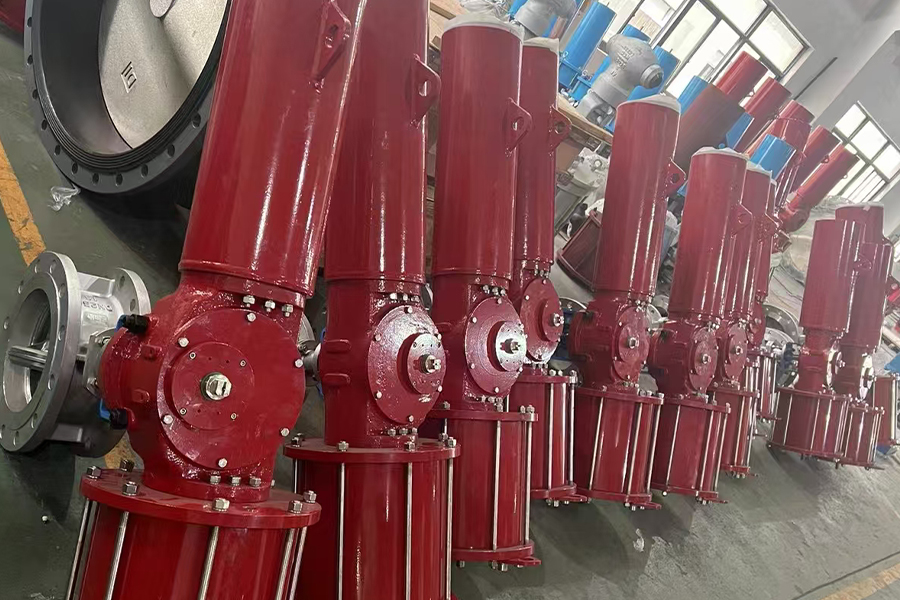
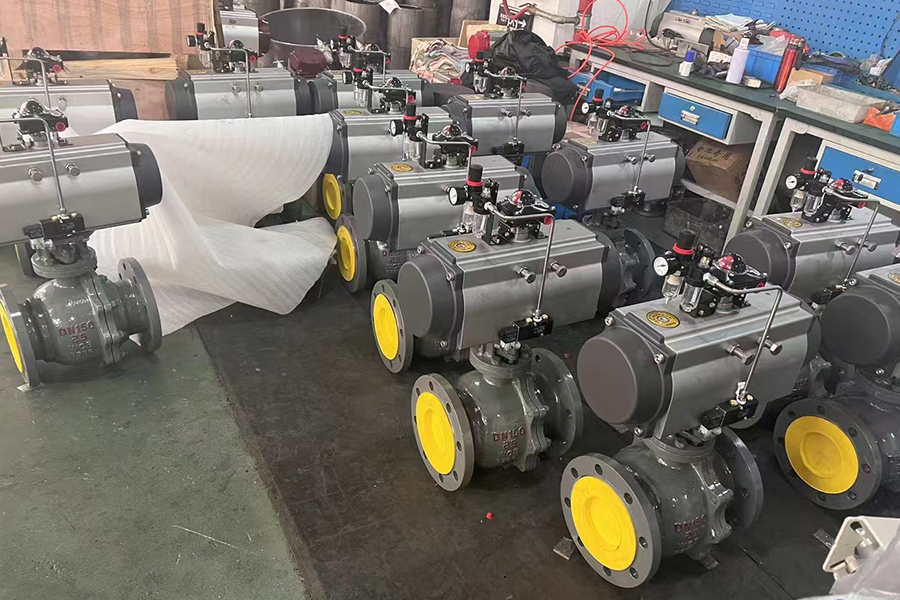
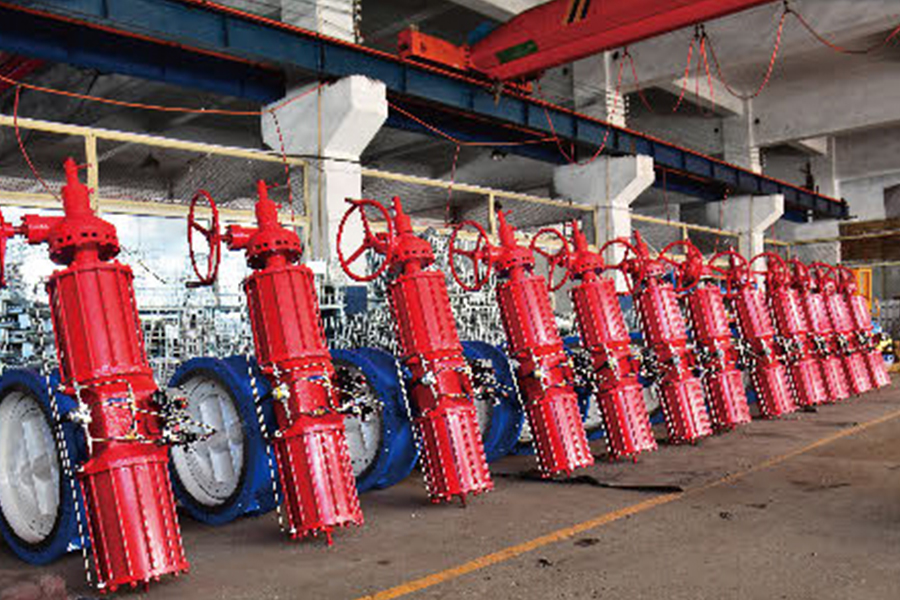
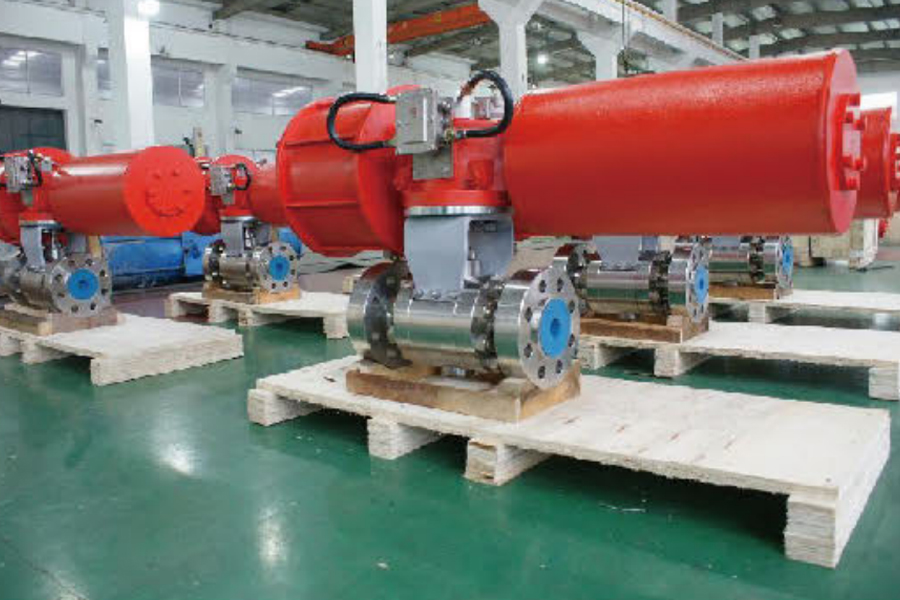
Pneumatic valves are essential components in controlling compressed air systems in various industrial applications. Among them, the Fork Type Pneumatic Valve offers a unique design and operation that suits many automation and machinery setups.
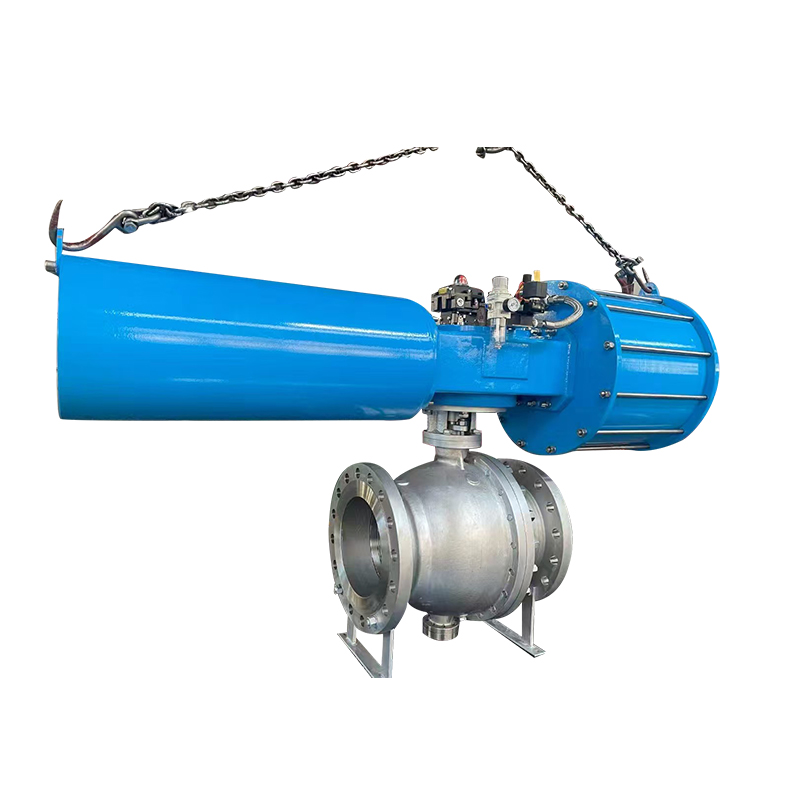
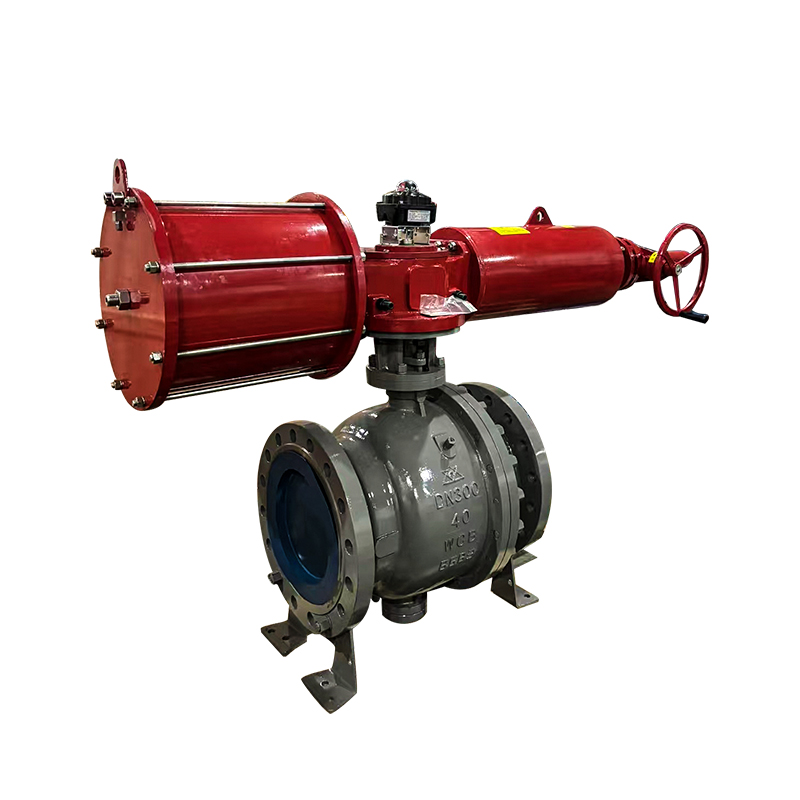
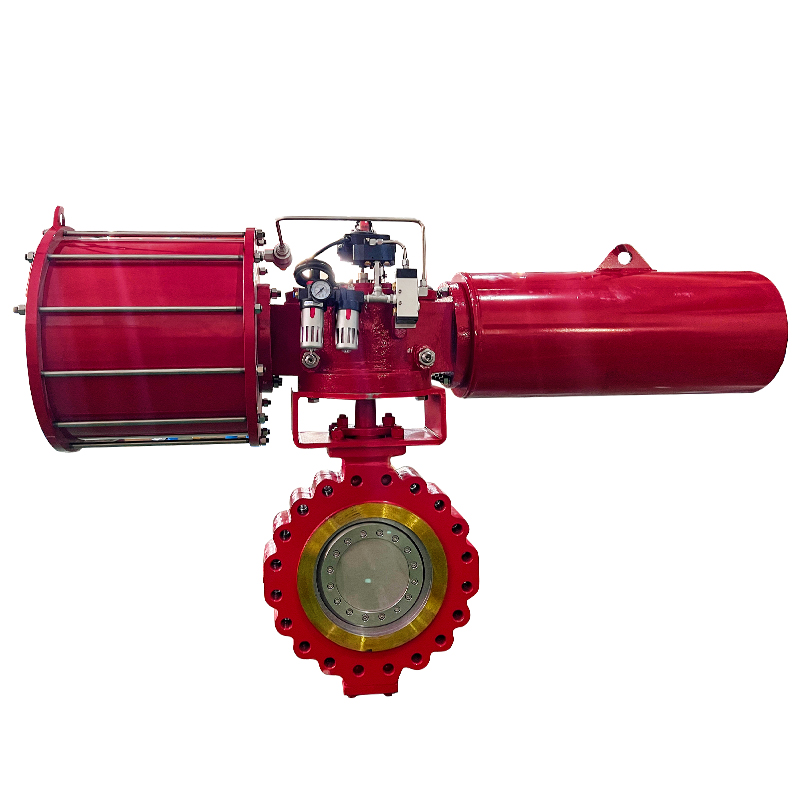
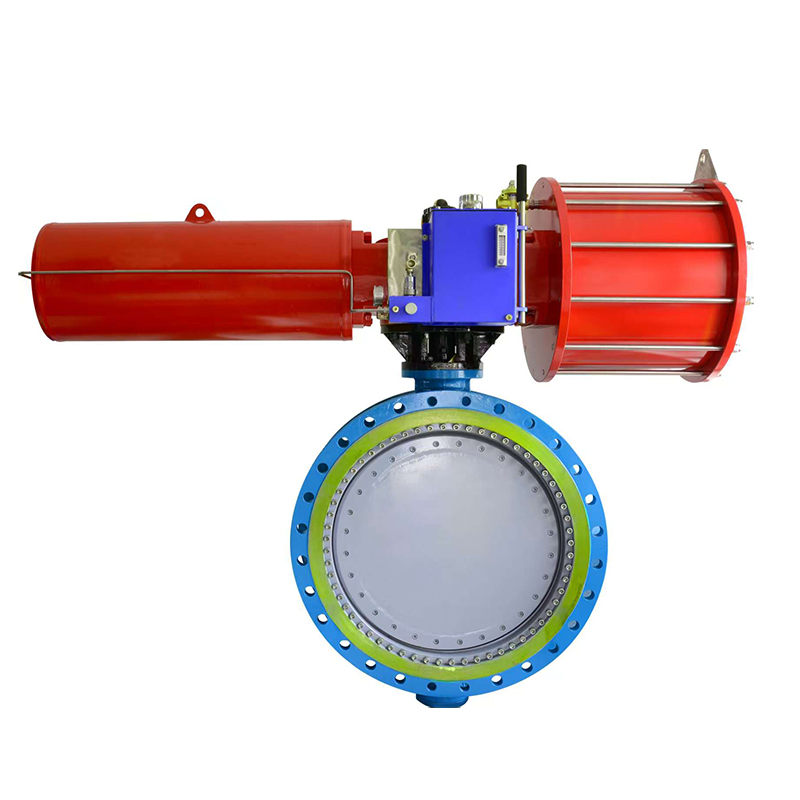
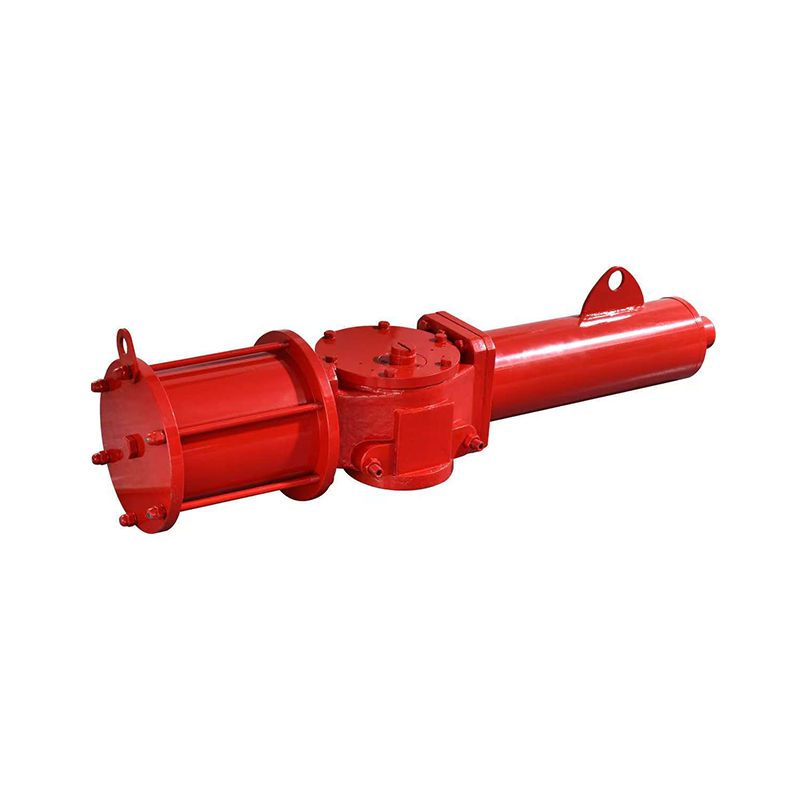
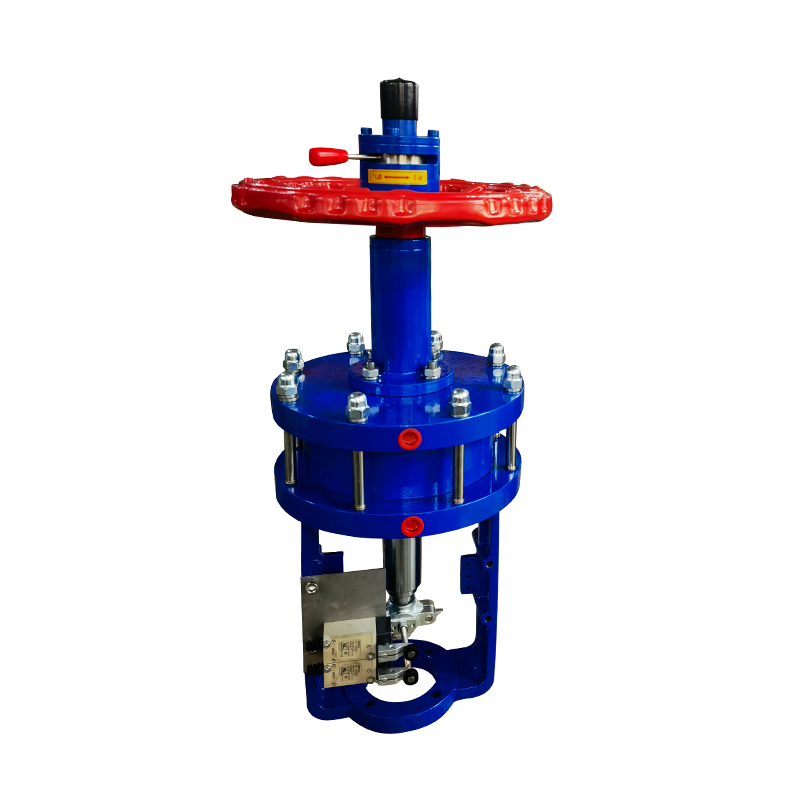
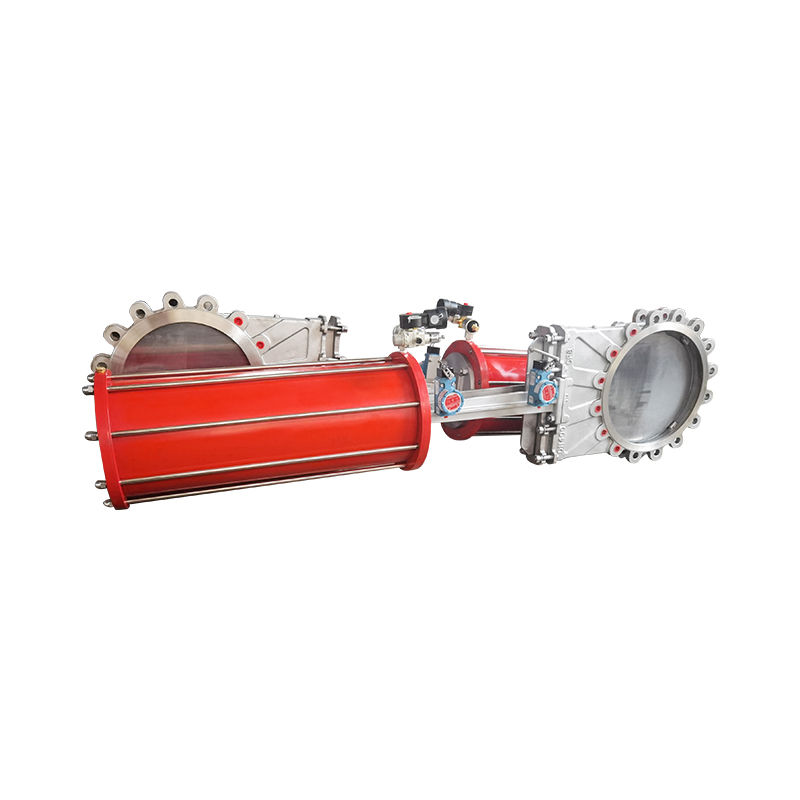
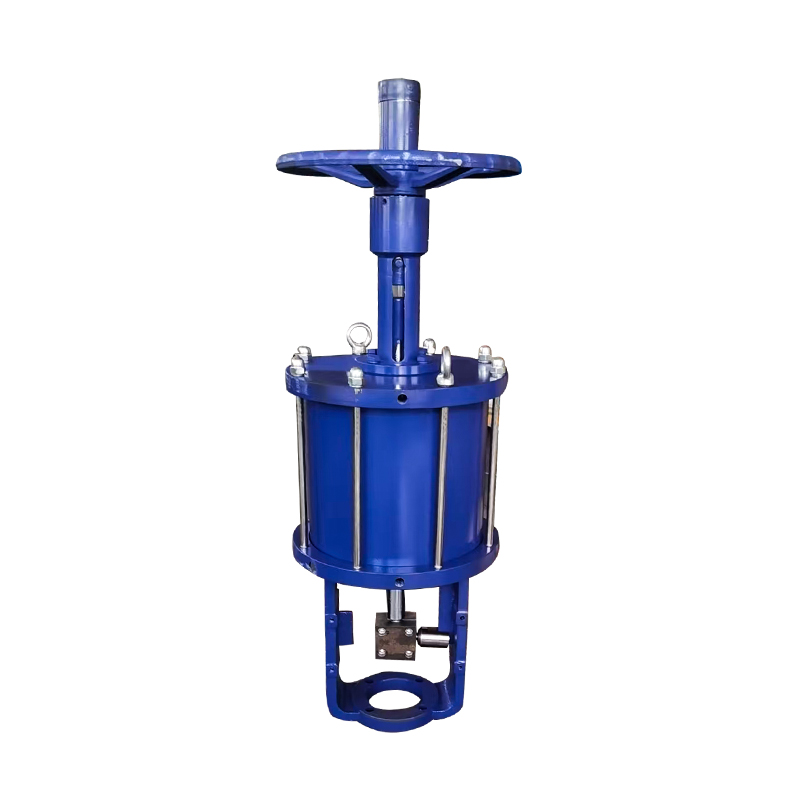
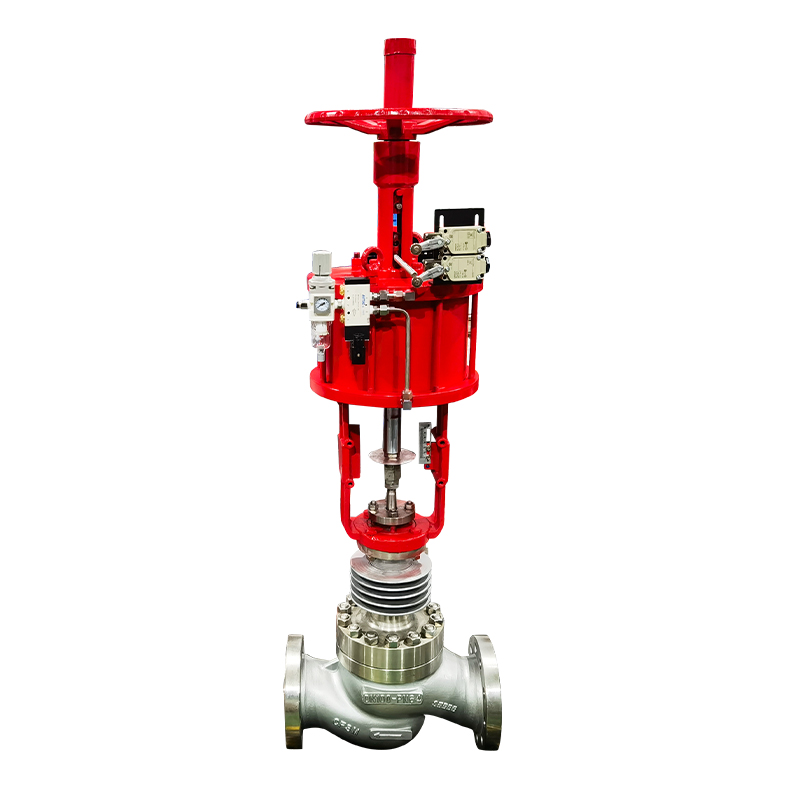
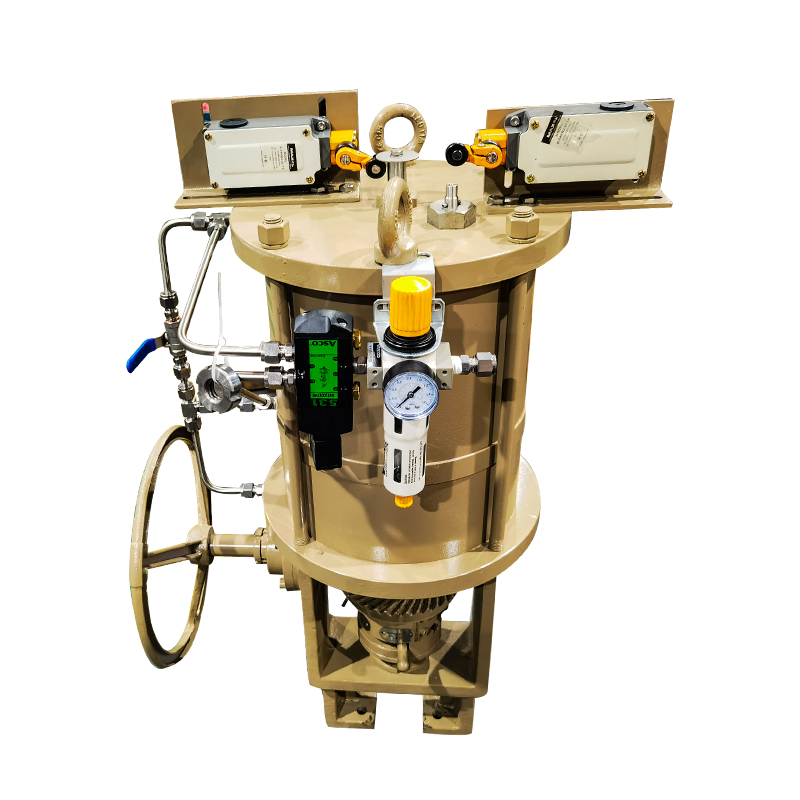
A fork type pneumatic valve is a mechanical device that controls the flow and direction of compressed air using a fork-like actuator or connection mechanism. Its design allows easy installation in systems where compact size and precise control are required. The fork mechanism typically interacts with a piston or lever, translating mechanical movement into airflow control.
An Fork Type Pneumatic Valve is used in industries ranging from manufacturing and packaging to robotics and automotive assembly. Its structure makes it suitable for applications requiring fast response times and reliable operation in limited spaces.
Materials and Design Considerations
The materials used in a Fork Type Pneumatic Valve are crucial for durability and performance. Valve bodies are usually made from aluminum, stainless steel, or high-strength plastic, depending on operating pressure, temperature, and fluid compatibility. Seals and gaskets are commonly made from NBR, EPDM, or FKM to ensure airtight performance.
The fork design allows the valve to be actuated directly by mechanical movements from adjacent components, which can reduce the need for additional actuators. This simplifies system design and can save space in complex assemblies.
Manufacturing and Assembly Process
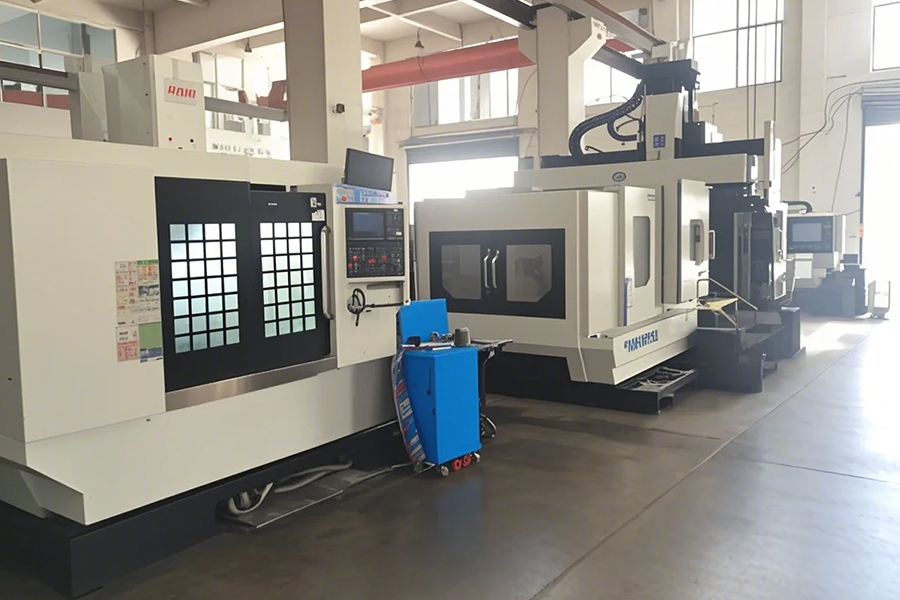
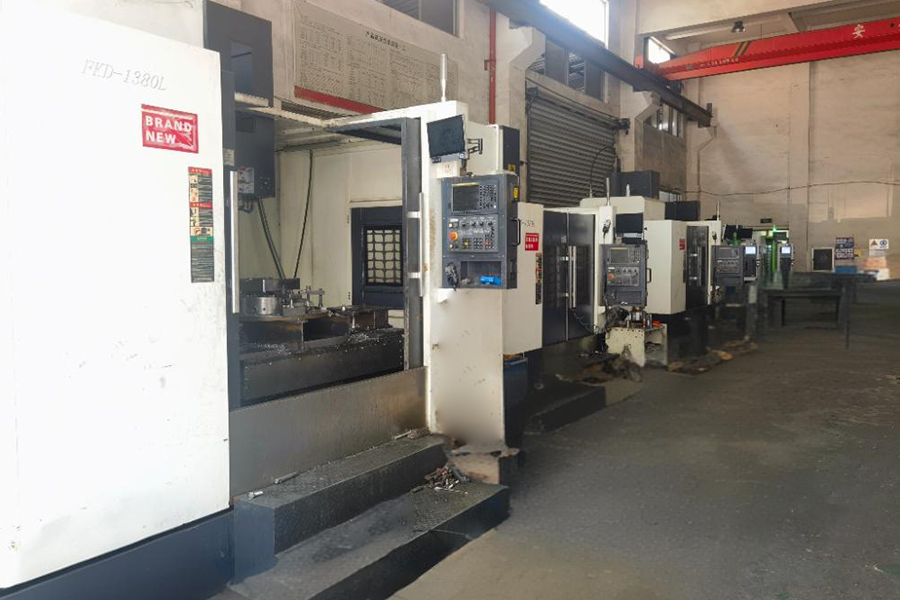
A professional Fork Type Pneumatic Valve manufacturer carefully controls the production process. Components are machined or molded with high precision to ensure proper alignment of the fork actuator, piston, and sealing surfaces. During assembly, the valves undergo pressure testing and functional verification to ensure they operate reliably under expected conditions.
Quality checks include evaluating leakage, response time, and actuation consistency. These measures help maintain performance over extended operating periods.
Customization and Application Flexibility
Many industrial projects require customized solutions. An experienced Fork Type Pneumatic Valve manufacturer can offer different sizes, actuation mechanisms, and connection types to match specific system layouts. Custom seals or coatings may also be provided for applications involving high humidity, corrosive gases, or extreme temperatures.
Fork type pneumatic valves are widely used in automated production lines, pick-and-place machinery, pneumatic cylinders, and material handling systems. Their compact design and fast actuation make them suitable for high-speed operations where precision is important.
Maintenance and Longevity
Maintenance of fork type pneumatic valves is generally straightforward. Regular inspection includes checking seals, cleaning internal passages, and ensuring the fork actuator moves freely without obstruction. Proper maintenance extends service life and reduces the risk of operational downtime.
Manufacturers often provide guidance on maintenance intervals, recommended lubricants, and replacement parts to help operators maintain consistent performance.
Advantages of Working with a Professional Manufacturer
Choosing an experienced Fork Type Pneumatic Valve manufacturer ensures access to quality materials, precise assembly, and technical support. Manufacturers can assist with system integration, selection of the appropriate valve for specific pressures and flows, and provide guidance on installation and safety standards.
Working with a trusted manufacturer also allows operators to explore customized solutions for specialized applications, which can improve efficiency and reduce system complexity.
A Fork Type Pneumatic Valve is a versatile component that supports reliable and efficient control in pneumatic systems. By understanding its design, materials, manufacturing process, and application scope, engineers and facility managers can select valves that meet operational needs. Professional manufacturers play a key role in delivering consistent performance, technical guidance, and potential customization options, ensuring smooth operation in a variety of industrial settings.