

 English
 русский



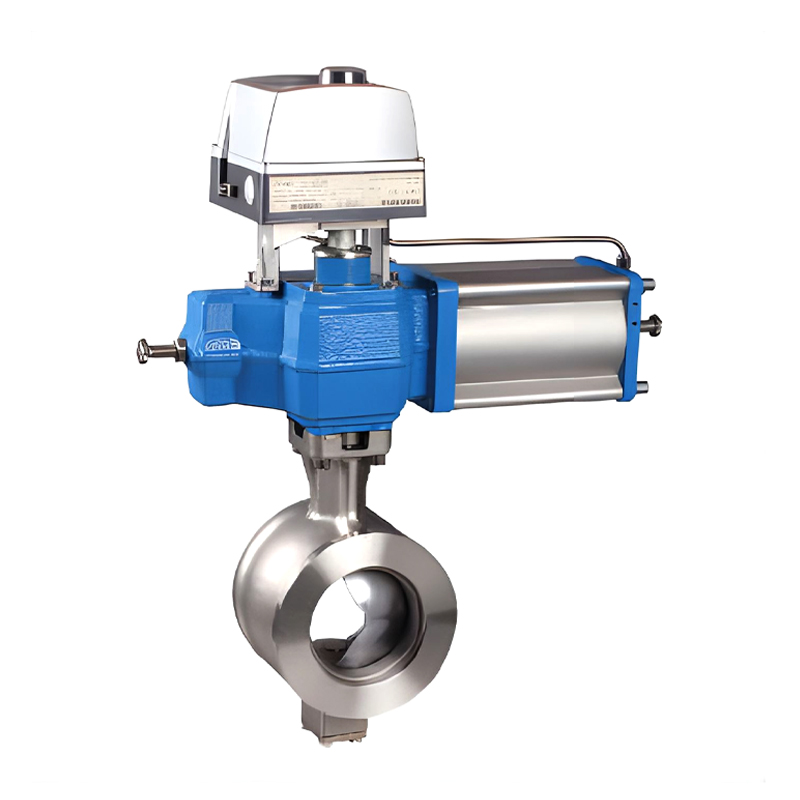
As industrial processes become more automated, reliable flow control components are increasingly important. Pneumatic butterfly valves are commonly used in pipelines where quick response, stable operation, and simple structure are required. A Pneumatic Butterfly Valve Manufacturer plays an important role in supplying valves that meet these practical needs across various industries.
The Role of a Pneumatic Butterfly Valve Manufacturer
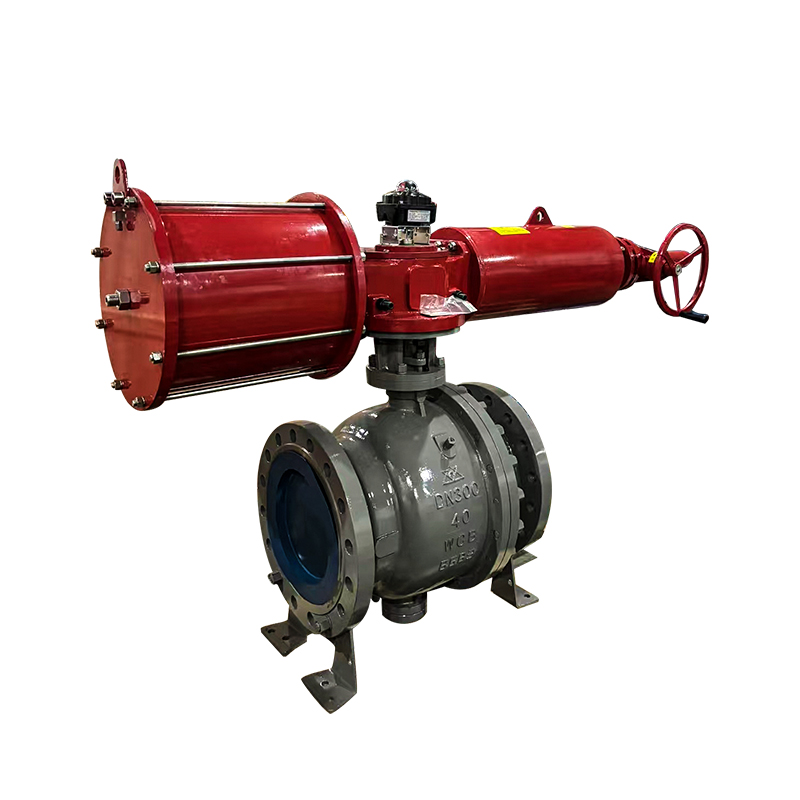
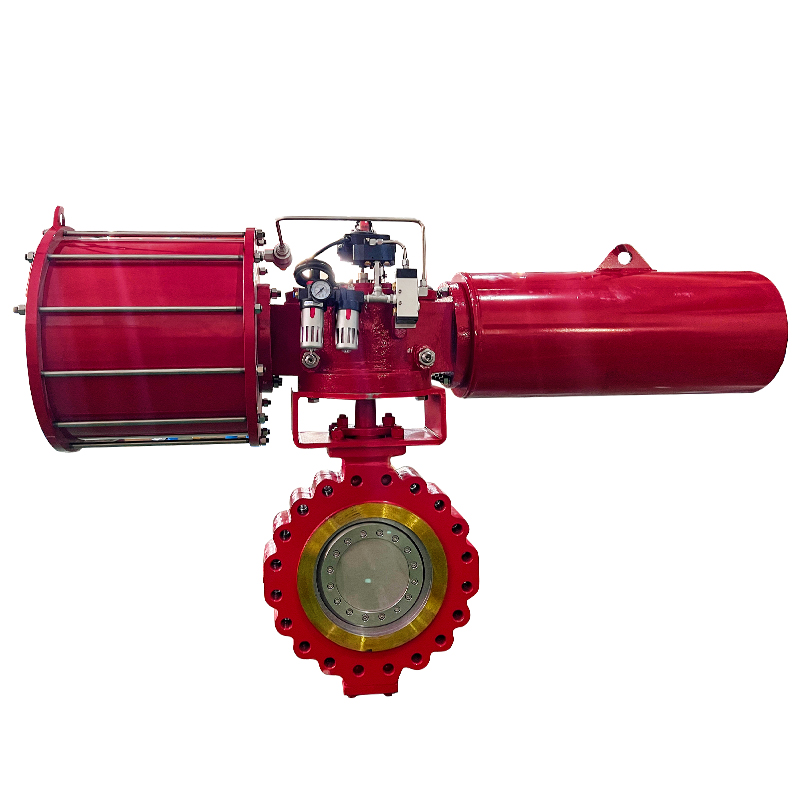
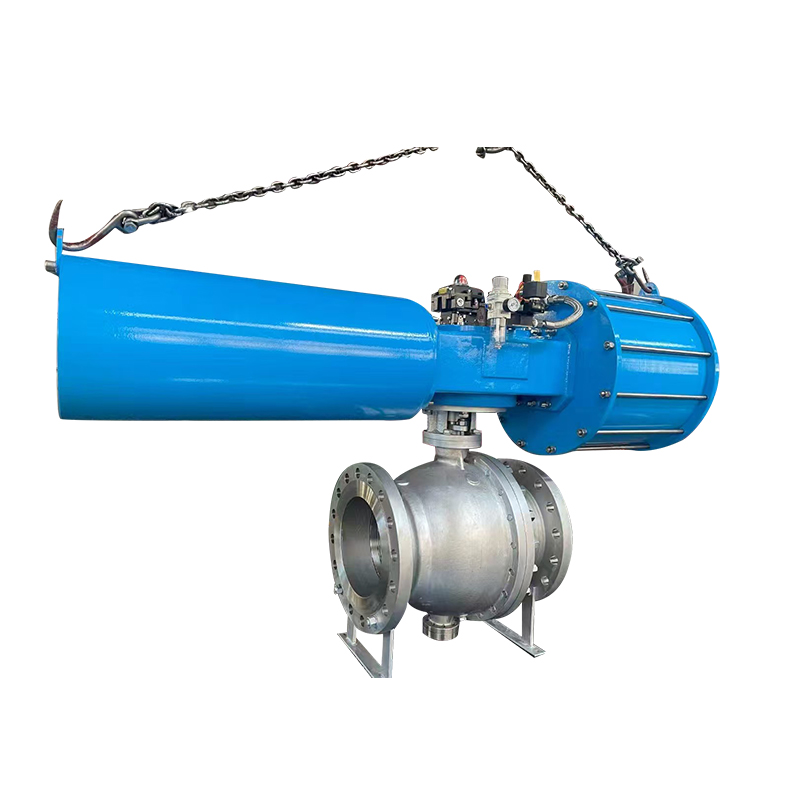
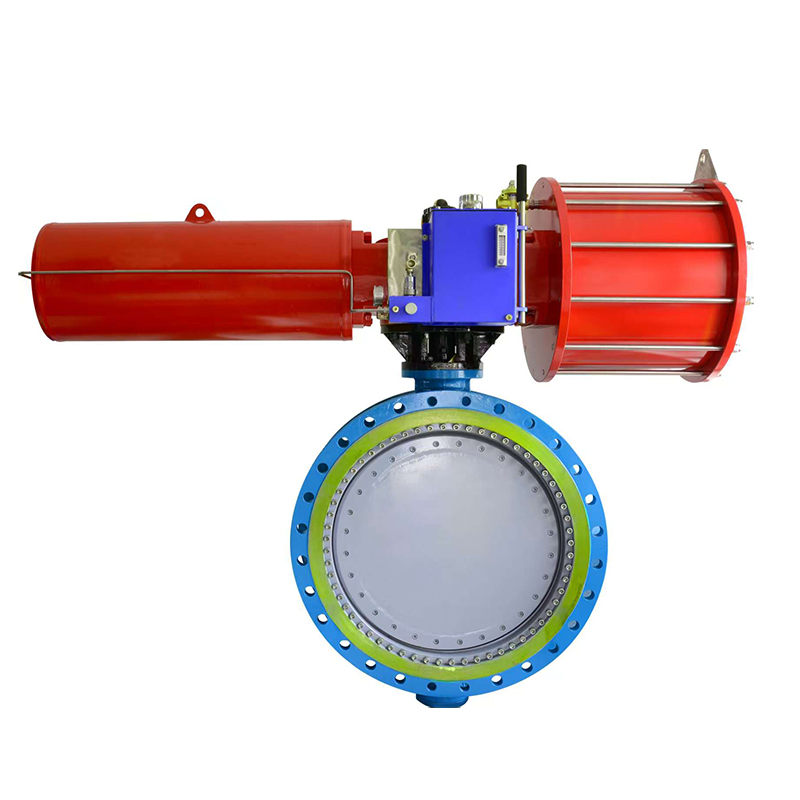
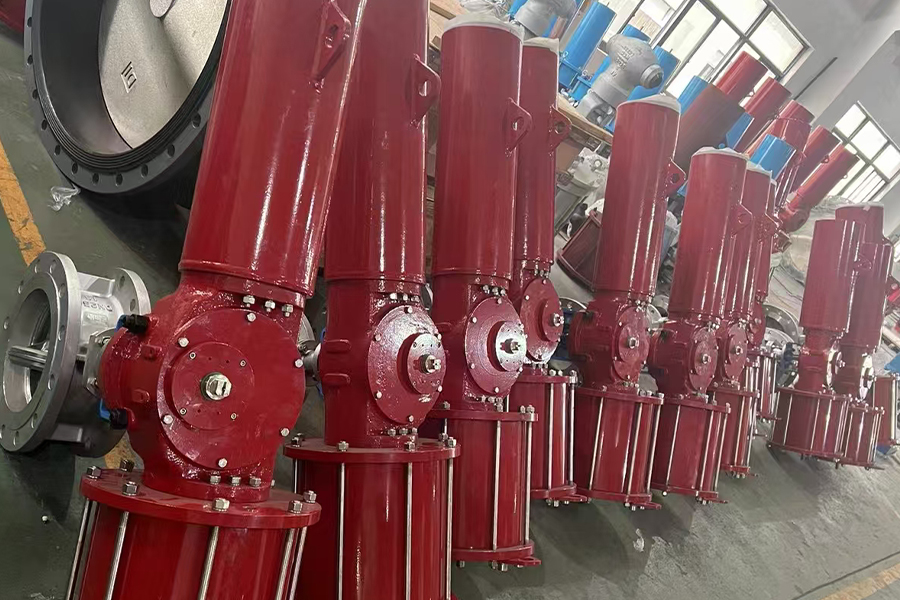
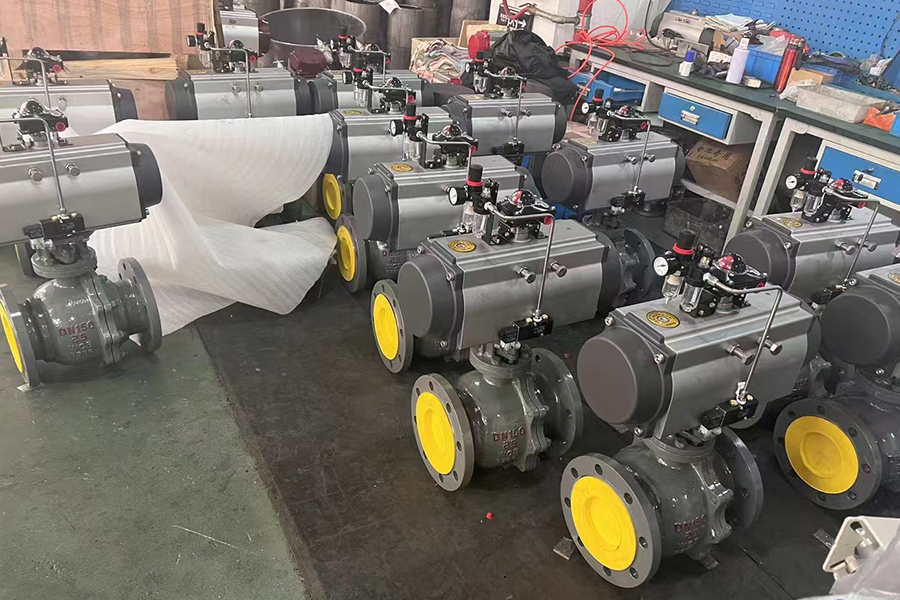
A Pneumatic Butterfly Valve Manufacturer focuses on producing valves that use compressed air to control the opening and closing of the valve disc. These valves are widely applied in water treatment, chemical processing, food production, HVAC systems, and industrial pipelines. The manufacturer ensures that the valve body, disc, sealing surface, and pneumatic actuator work together smoothly.
Beyond production, the manufacturer also considers how the valve will perform in real operating conditions, such as pressure changes, temperature variations, and frequent switching. This practical approach helps ensure stable performance during daily operation.
Design and Structural Features
The core advantage of a pneumatic butterfly valve lies in its compact structure. A Pneumatic Butterfly Valve Manufacturer designs valves that are lightweight and easy to install, even in limited spaces. The valve disc rotates within the pipeline to regulate flow, making the design simple yet effective.
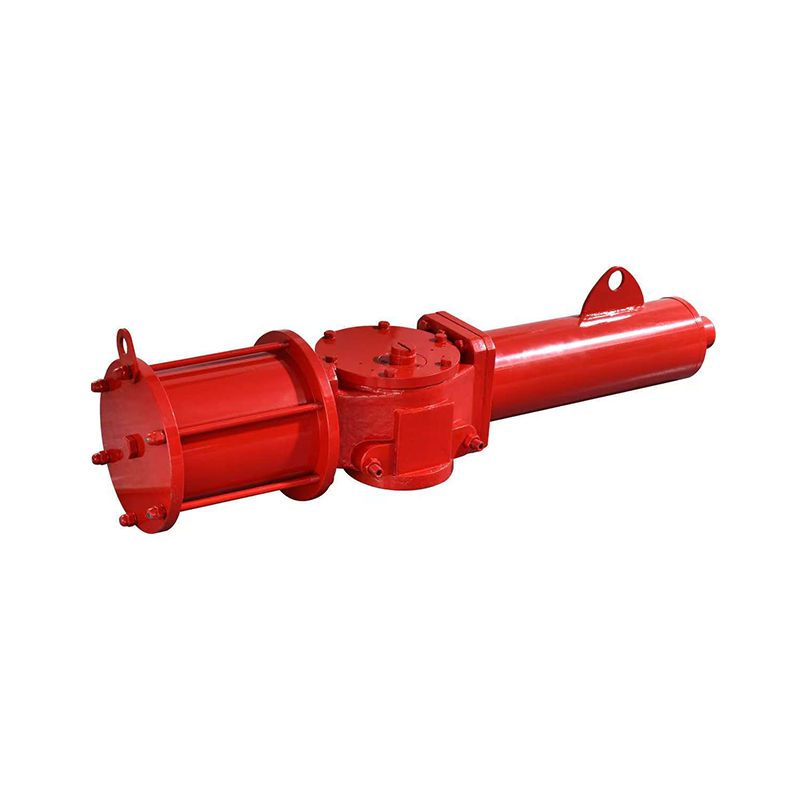
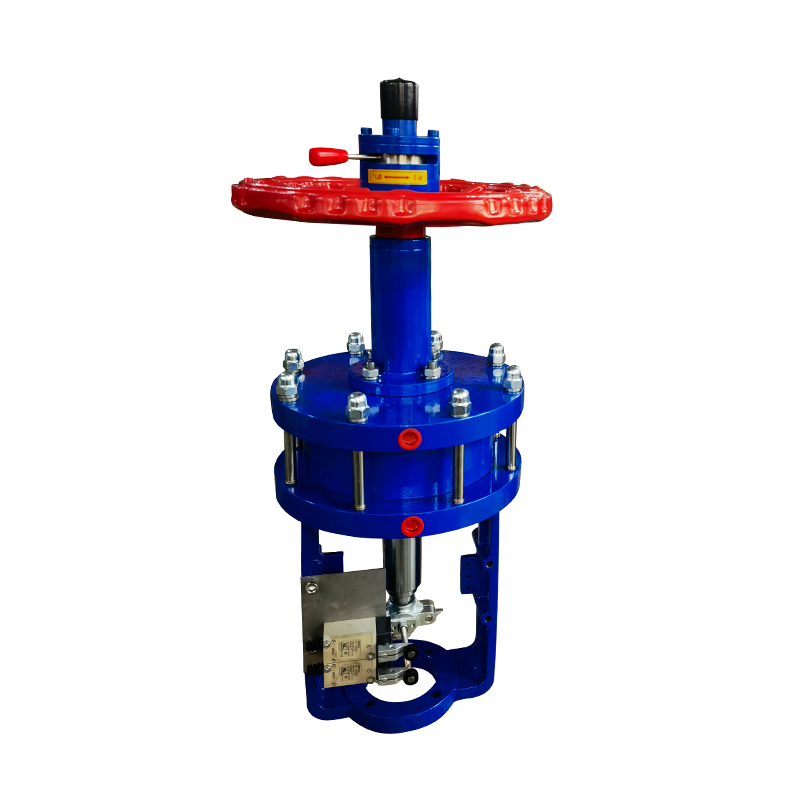
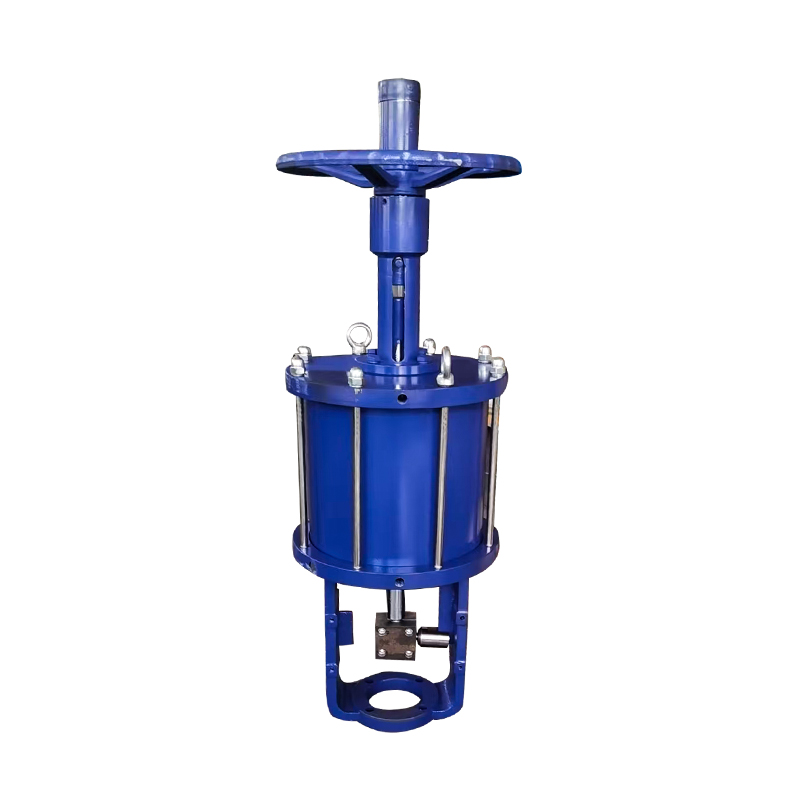
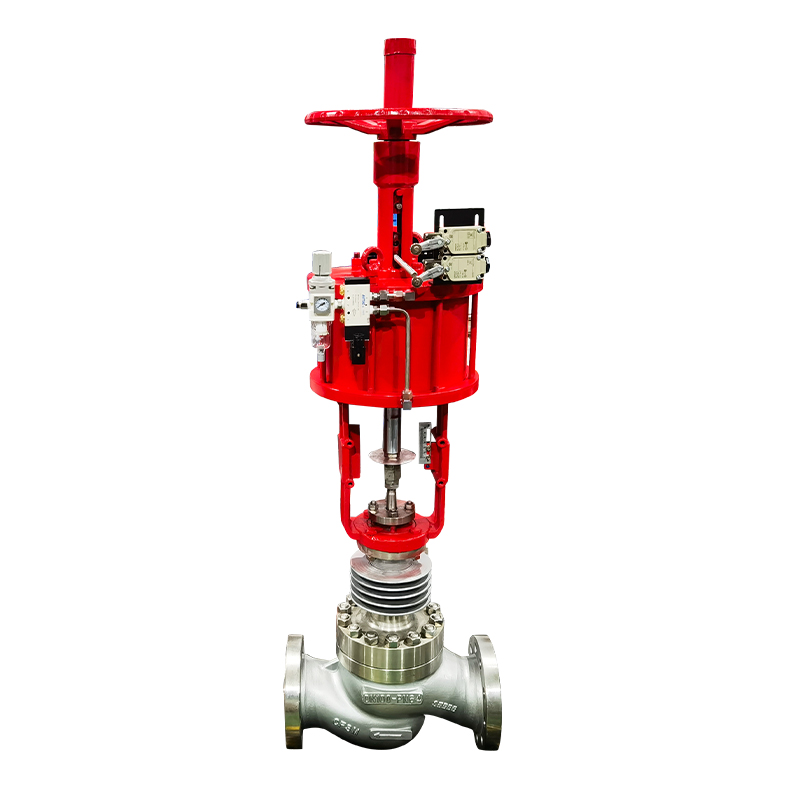
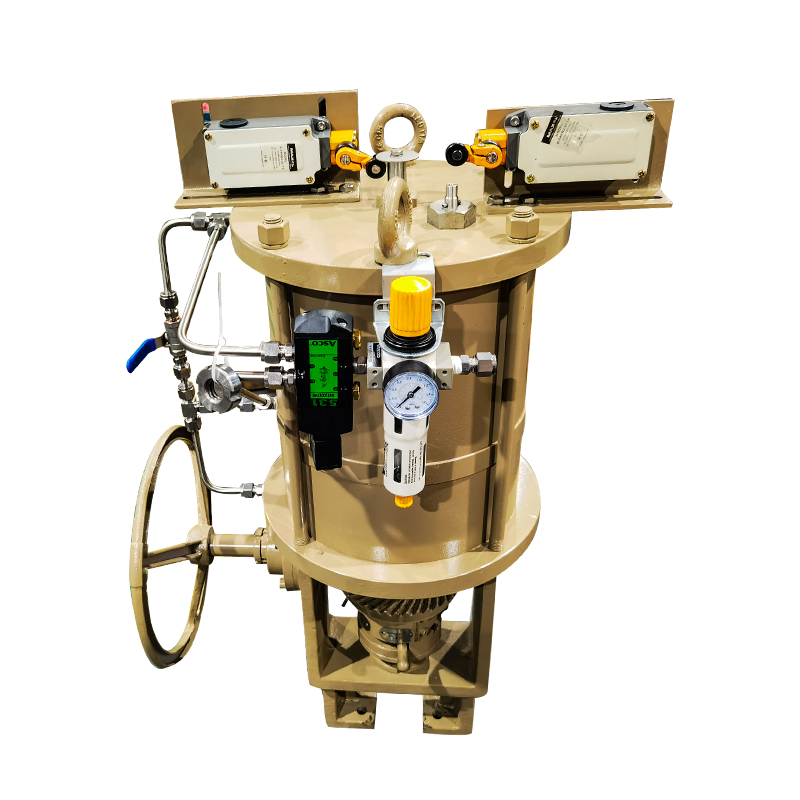
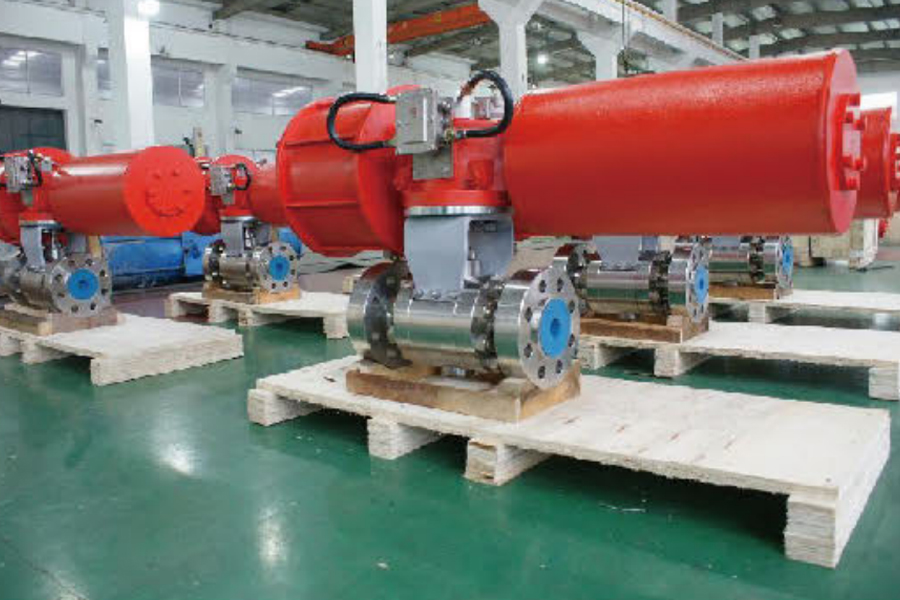
Actuators are selected based on torque requirements and operating conditions. Double-acting or single-acting pneumatic actuators allow flexible control options, depending on system needs. Sealing materials are also carefully chosen to match the type of media flowing through the pipeline.
Materials and Manufacturing Process
Material selection is a key factor in valve durability. A Pneumatic Butterfly Valve Manufacturer commonly uses stainless steel, ductile iron, or carbon steel for valve bodies, while rubber, PTFE, or metal seals are selected based on application requirements. These materials help ensure resistance to corrosion, wear, and pressure.
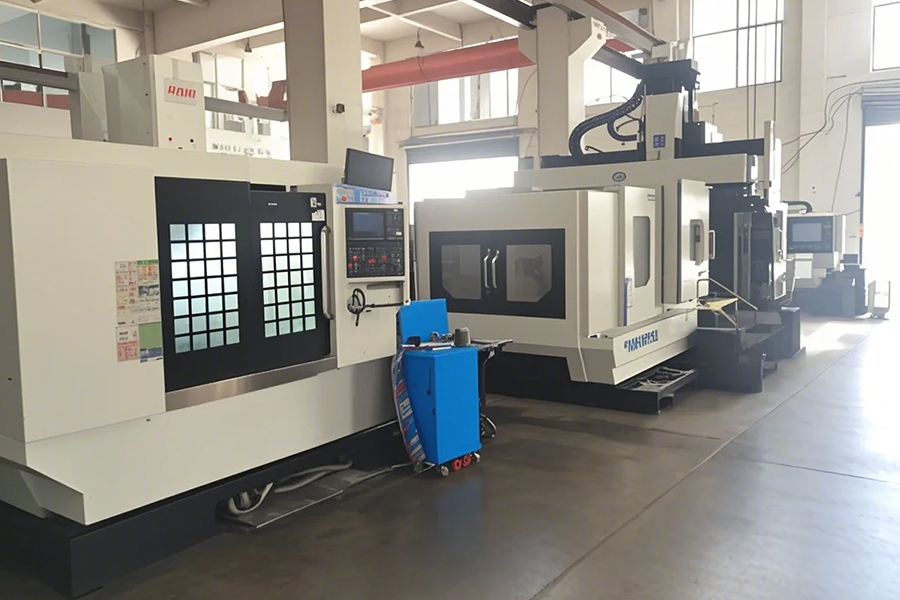
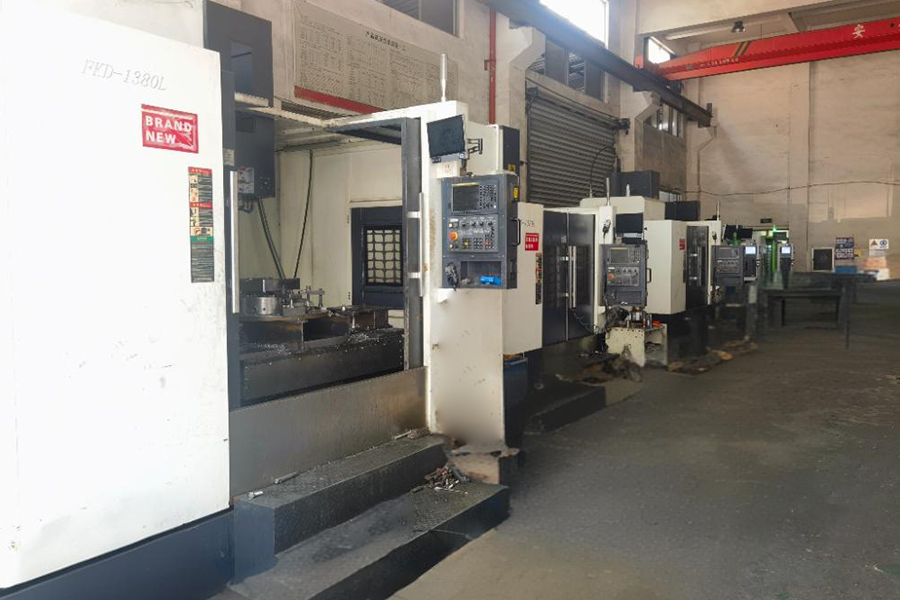
The manufacturing process includes casting or forging, CNC machining, surface treatment, and assembly. Each step is carefully monitored to maintain dimensional accuracy and smooth surface finishes. After assembly, valves are tested for air leakage, pressure resistance, and operational stability.
Applications Across Industries
Pneumatic butterfly valves are used in a wide range of industries due to their versatility. A Pneumatic Butterfly Valve Manufacturer supplies valves for water distribution systems, chemical pipelines, food and beverage processing, and ventilation systems. Their ability to open and close quickly makes them suitable for automated control systems.
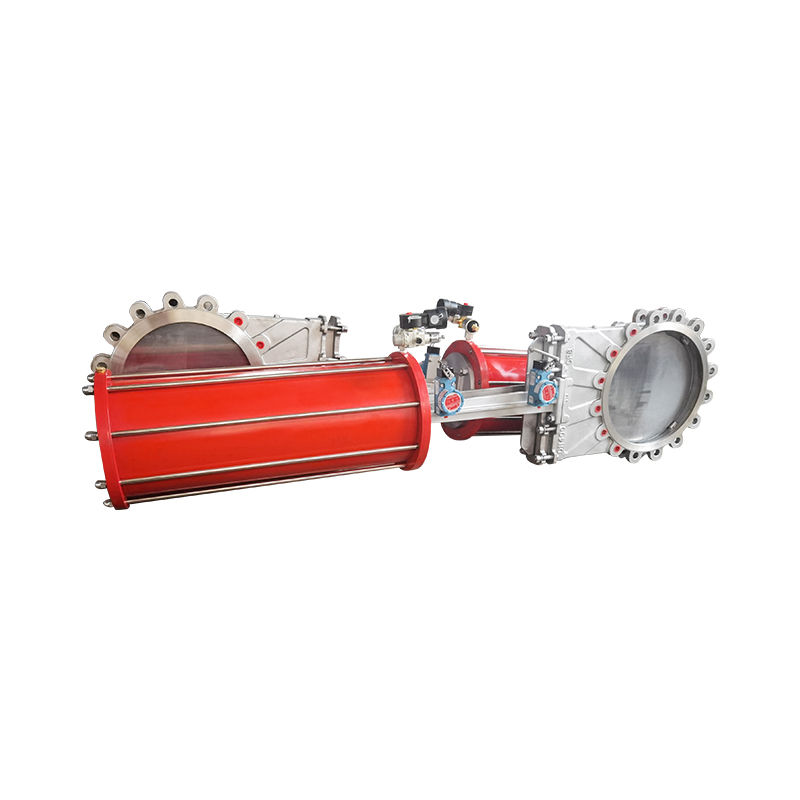
In many facilities, these valves are integrated with sensors and control units, allowing precise flow regulation without manual operation. This improves efficiency and reduces labor requirements.
Customization and System Compatibility
Different systems require different valve specifications. A Pneumatic Butterfly Valve Manufacturer often provides customization options such as valve size, pressure rating, actuator type, and sealing material. This flexibility allows the valve to fit seamlessly into existing systems without major modifications.
Customization also helps clients comply with regional standards and industry-specific regulations, ensuring safe and compliant operation.
Reliability and Maintenance
Valves designed by an experienced Pneumatic Butterfly Valve Manufacturer are built for consistent performance over time. Regular inspection, seal replacement, and actuator maintenance help extend service life. The simple structure of butterfly valves also makes maintenance more convenient compared to more complex valve types.
A Pneumatic Butterfly Valve Manufacturer plays a key role in supporting automated flow control systems across multiple industries. Through thoughtful design, careful material selection, precise manufacturing, and reliable testing, manufacturers provide valves that are practical, adaptable, and dependable. Understanding how these valves are made and applied helps buyers choose solutions that support smooth operation and long-term system stability.