

 English
 русский



During a project review last season, a buyer showed our team his new valve schedule. Beside nearly every modulating line, someone had typed the words electric actuator, as if air power had already lost the argument. His question was simple and honest: if motors keep winning headlines, does a pneumatic globe valve still deserve a place on the throttle? The answer shapes budgets for years, so it deserves a calmer look than a trend line can give.
The honest position sits between the extremes. Electric actuation has earned real ground, and no buyer should specify hardware out of habit. Yet compressed air keeps concrete advantages in exactly the duty this valve family handles, which is frequent, precise repositioning under pressure, often with a fail-safe requirement attached. This article walks through the comparison the way our engineers explain it on calls, so you can match the power source to the duty instead of the trend.
Why has the debate intensified now? Three currents converged at once. Instrumentation costs fell, so digital feedback became affordable on hardware that was once purely mechanical. Sustainability reporting became a board-level topic, putting every compressed-air consumer under a spotlight. And a wave of plant renewals, from energy transition projects to aging facility upgrades, put fresh specifications on procurement desks in unusual volume. When many specifications are written in a short window, whatever looks modern gets copied widely, which is exactly how a partial trend turns into a blanket assumption.
Why Electric Actuation Keeps Winning Headlines
The momentum is not marketing noise. Three forces push buyers toward motors, and each carries genuine logic.
- Wiring beats piping in brownfield work. Running a power cable to a distant line is often cheaper and faster than extending an instrument-air header, especially across buildings that were never designed for air distribution.
- Data arrives without extra effort. A motor drive reports position, torque, and travel counts on its own, which feeds the condition-monitoring programs plants now expect from every asset.
- Energy audits favor electricity. Compressed air is famously expensive per unit of work delivered, so sustainability teams increasingly flag air-consuming loops for review.
Those points are valid, and they explain why on-off isolation duty is converting quickly. The trouble starts when the same reasoning is stretched to continuous control service, where the field comparison looks quite different.

Where Compressed Air Still Holds Its Ground
Fail-Safe Behavior Without Added Hardware
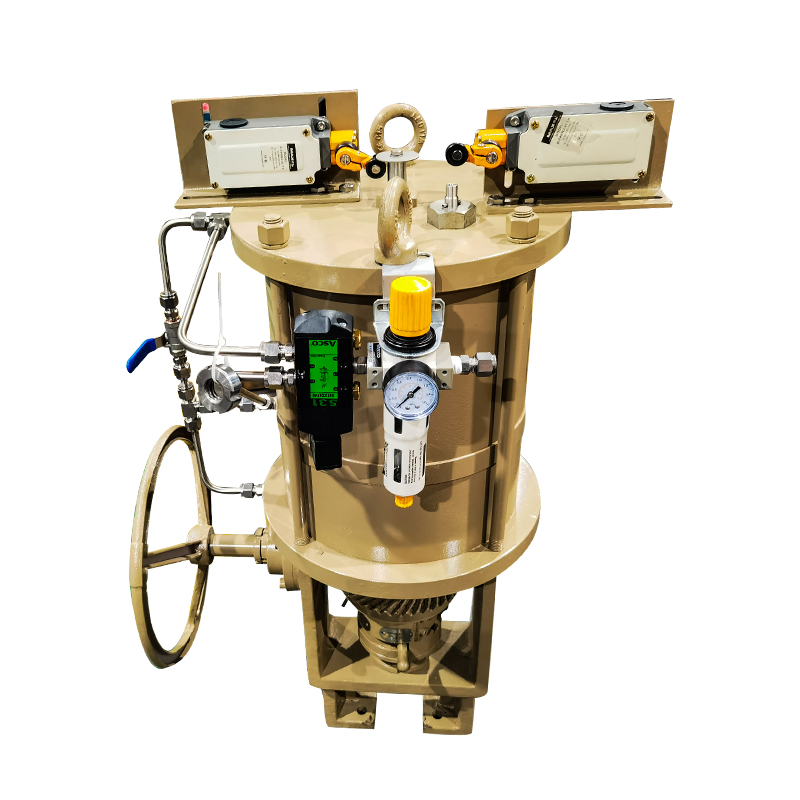
A spring-return air actuator drives the valve to its safe position the instant supply pressure disappears. No backup batteries, no capacitor packages, no exception logic during a blackout. On lines where a failed-closed or failed-open posture protects people and product, that response is built in rather than engineered as an extra.
Stiff Duty and Constant Repositioning
Modulating service is not gentle work. A control loop may reposition its valve hundreds of times per day, and cycles like that punish gear trains and motor duty ratings. Diaphragm and piston air actuators absorb endless repositioning with simple, visible maintenance, which explains why many plants keep air on the control manifold even while converting remote on-off lines to electric.
Hazardous Areas and Wash-Down Zones
Air-operated hardware carries no ignition source and no electronics to certify. In zones where approval costs climb quickly, pneumatics keeps the compliance path shorter and the equipment easier to replace. Food and chemical sites notice the difference at every procurement round.
Fleet Economics Across the Site
A plant that already operates an air network adds one more consumer at modest cost. A plant adopting electric actuators adds a power infrastructure, a spares shelf, and a second maintenance skill set. When the decision covers fifty loops rather than five, fleet-level arithmetic tends to favor staying with air.
Response Character Inside the Control Loop
Process engineers care about how a valve behaves between commands, not only where it ends up. Air actuators move with a compliance that absorbs small setpoint jitter, while some motor packages introduce their own stick-slip personality through gear backlash. Neither behavior disqualifies a design; both deserve attention during the demonstration. When a vendor offers a witness test, ask to see small-step performance at the bottom of the travel range, because that is where dosing loops and pressure-reduction stations actually spend their lives. Hardware that looks identical on a datasheet can behave differently at that scale, and the difference shows up in product quality long before it shows up in a maintenance log.
A Side-by-Side Look Before You Specify
| Consideration | Electric Actuation | Compressed Air |
|---|---|---|
| Power source | Grid connection at each valve | Existing plant air header |
| Action on power loss | Needs springs or backup supply | Spring return built in |
| Continuous modulating duty | Suits slower, low-cycle loops | Handles frequent repositioning |
| Hazardous zone approval | Certification adds cost | Simpler compliance path |
| Diagnostics | Rich native reporting | Available through positioner add-ons |
| Typical upkeep | Gear lubrication, electronics care | Seal checks, filter-regulator service |
Misreadings That Quietly Cost Money
- Assuming electric automatically means smarter. Intelligence lives in the positioner and the diagnostics, not in the power source. An air-driven loop with a modern positioner reports plenty; a motor loop without diagnostics reports nothing.
- Assuming air means outdated. Process control loops around the world still run on air because the duty rewards it. Converting them for fashion reasons rarely survives a maintenance review.
- Comparing one valve instead of a fleet. A quotation for five loops and a decision for fifty follow different arithmetic. Decisions made at the demonstration scale mislead at the site scale.
The Cost Picture Beyond the Price Tag
Purchase price hides more than it reveals. An electric package can look lean on a quotation and then grow once you count cable runs, protective enclosures for wash-down or corrosive areas, and the training your crew will need. An air package looks heavier at the compressor level, yet the marginal cost of each added loop is small once the header exists. Maintenance also splits differently: air systems fail visibly, through leaks and drifting regulators that a technician can spot on a walk, while electronics fail invisibly and often need bench equipment to diagnose. Neither profile is wrong; they reward different management styles, and a procurement model that ignores them will misrank the options. Spare policy follows the same logic. Air fleets standardize on seals, springs, and regulators that a general instrument store can hold; electric fleets add boards and encoders that favor vendor contracts. Count the warehouse before you count the catalog.
Where the Market Data Points, Without the Hype
Industry reports agree on the direction even when they disagree on the pace. Control valve demand keeps expanding, pushed by water infrastructure, chemical capacity additions, and power sector upgrades. Electric actuation is growing fast and claiming a visible share of new on-off installations. Yet the same reports keep noting a stubborn fact: modulating control duty, the throttle-heavy service described here, remains firmly anchored in pneumatics. Reading the data with that split in mind changes the conversation. The question stops being which technology wins the future and becomes which loops deserve which technology now, and that is a question a plant can actually answer with evidence from its own operation.
How to Present the Choice Inside Your Own Plant
Decisions like this rarely die on engineering merit; they die in meetings where the trade-offs are presented badly. A memo that works has three parts. Show the duty split loop by loop, with cycle frequency written beside each line. Show the infrastructure reality: where air already reaches and where a cable would have to be pulled. Show the migration cost honestly, including training, spares, and commissioning hours, because a plan that hides those numbers will resurface as a budget fight the moment installation begins. Teams that frame the decision this way usually find the debate shrinks to a handful of genuinely contested loops, which is exactly where a serious supplier conversation becomes worth having.
Three Questions That Settle the Debate
- How often does the loop move? A line that modulates all day rewards air; a valve that travels twice a week rewards a motor.
- What must happen when power fails? If the safe posture is mandatory, spring-return air delivers it by default, and electric needs an engineered add-on.
- What infrastructure already exists? Building on an installed air network is cheap; starting an electric fleet from nothing carries the full setup cost.
Answer those three honestly and the choice stops being a trend debate and becomes an engineering decision.
What Mixed Fleets Look Like on Real Projects
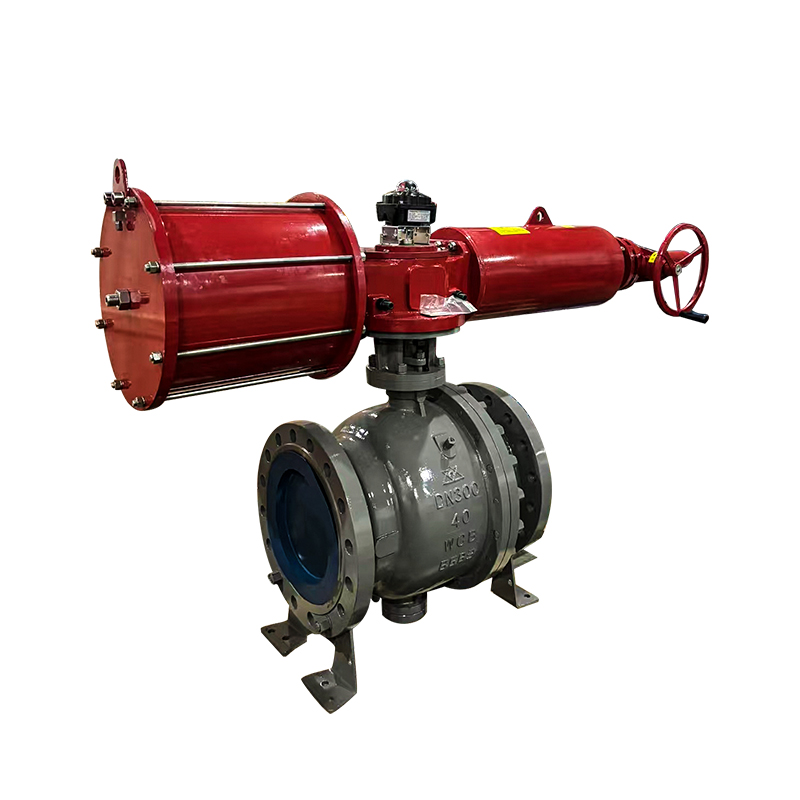
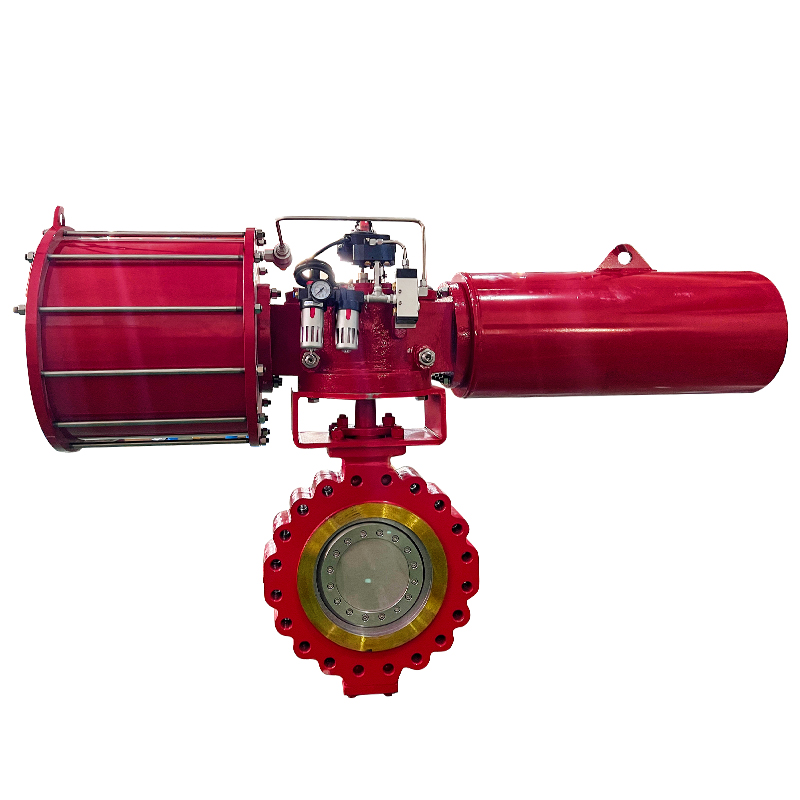
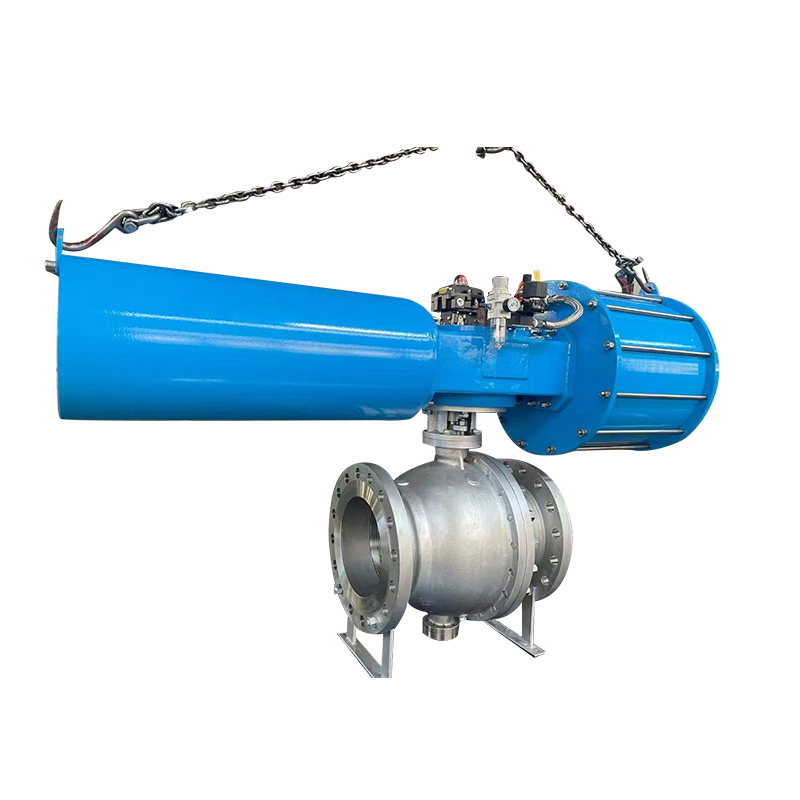
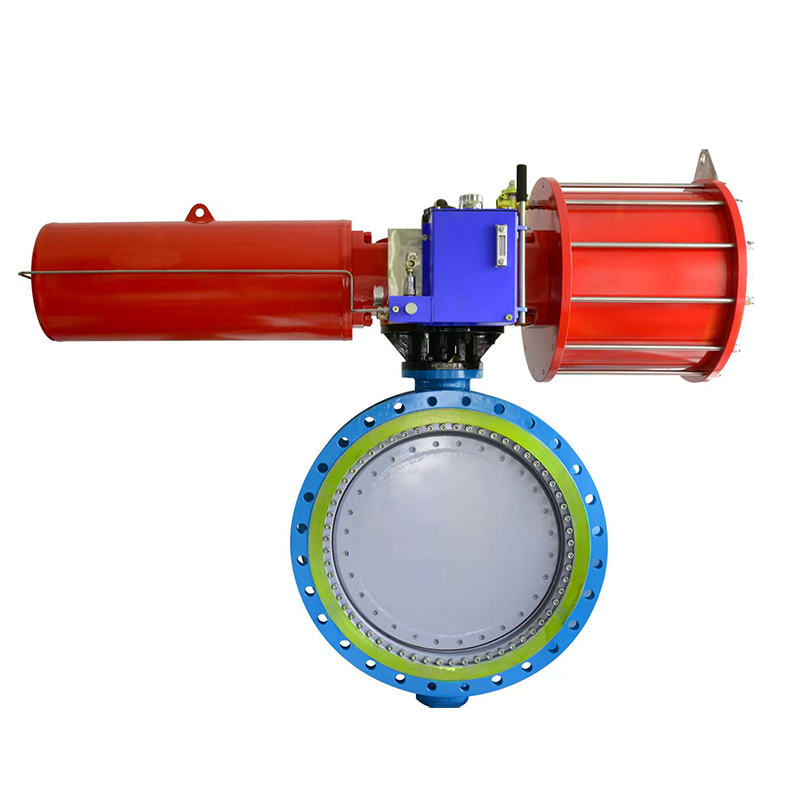
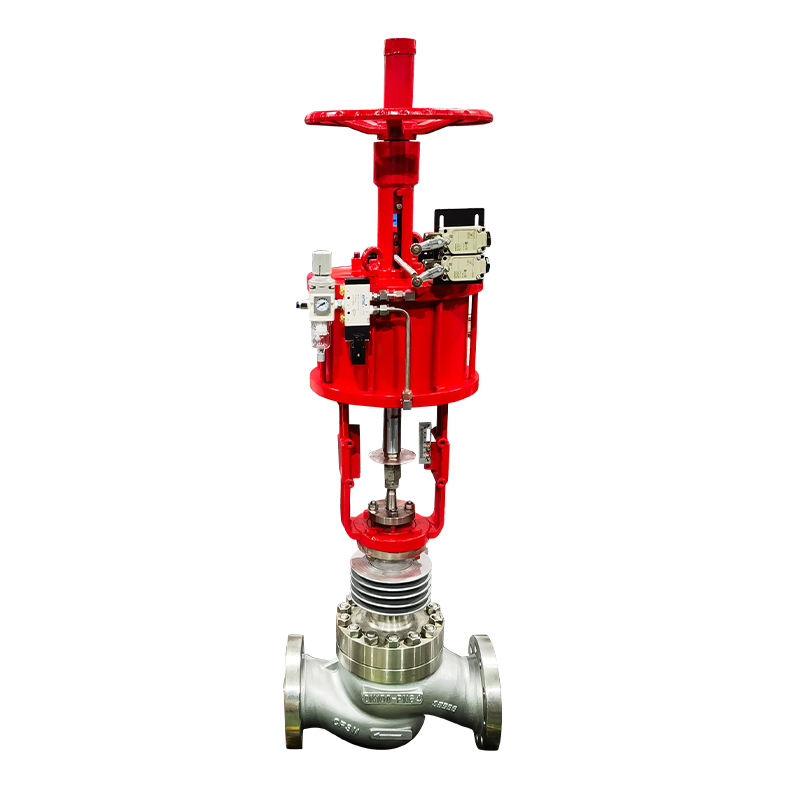
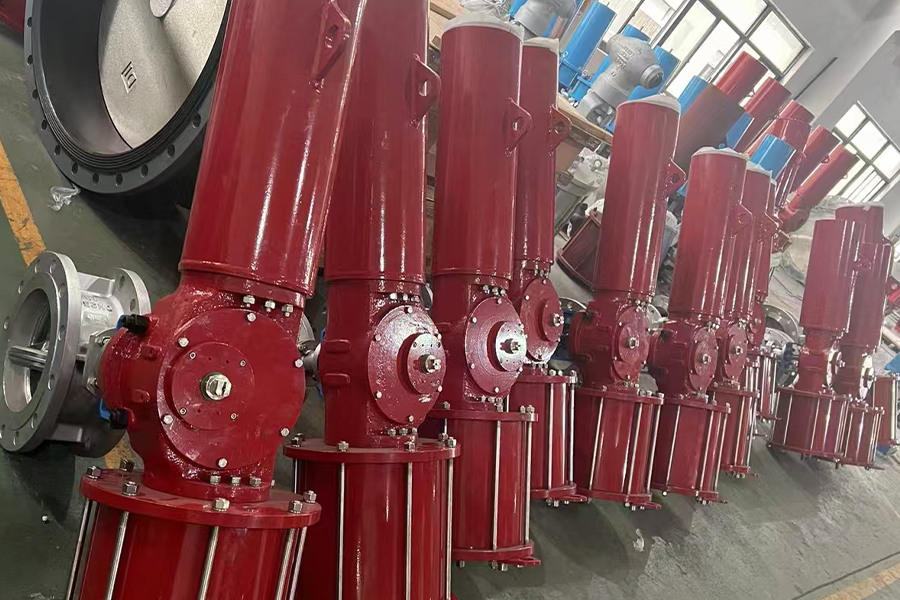
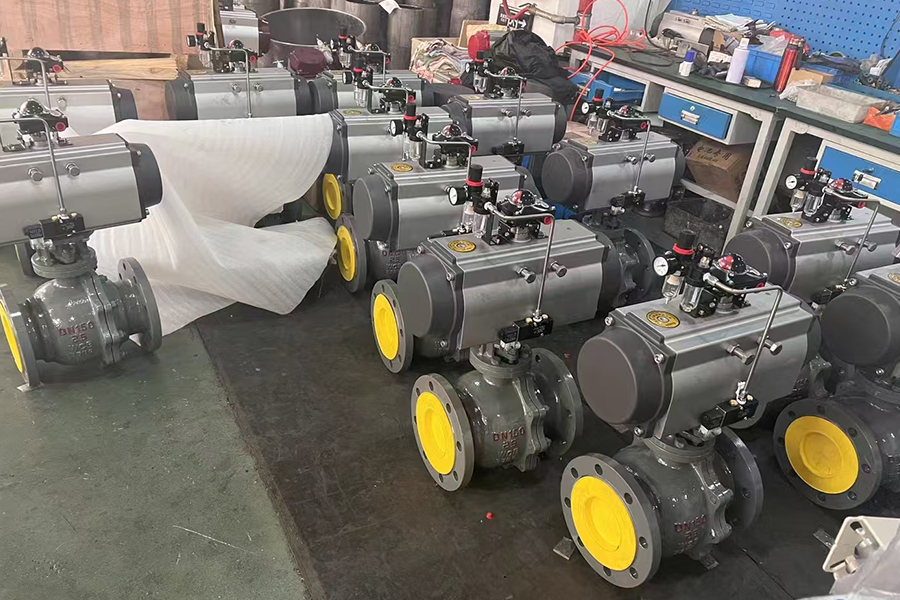
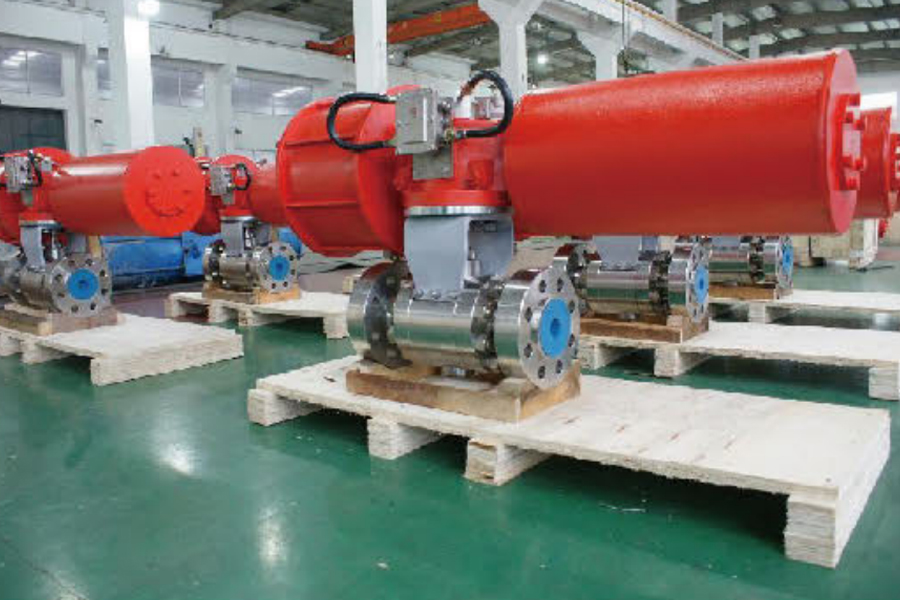
In our shipments, Wisley observes a consistent pattern: plants are not picking a single technology for the whole site. Motors take over distant, low-cycle isolation points where a cable beats a pipe run, while air keeps the manifold where response speed and fail-safe posture carry the process. A pneumatic globe valve sitting on a continuous modulation loop is rarely a candidate for conversion, because that duty is where air behaves with the least drama and the lowest lifetime fuss.
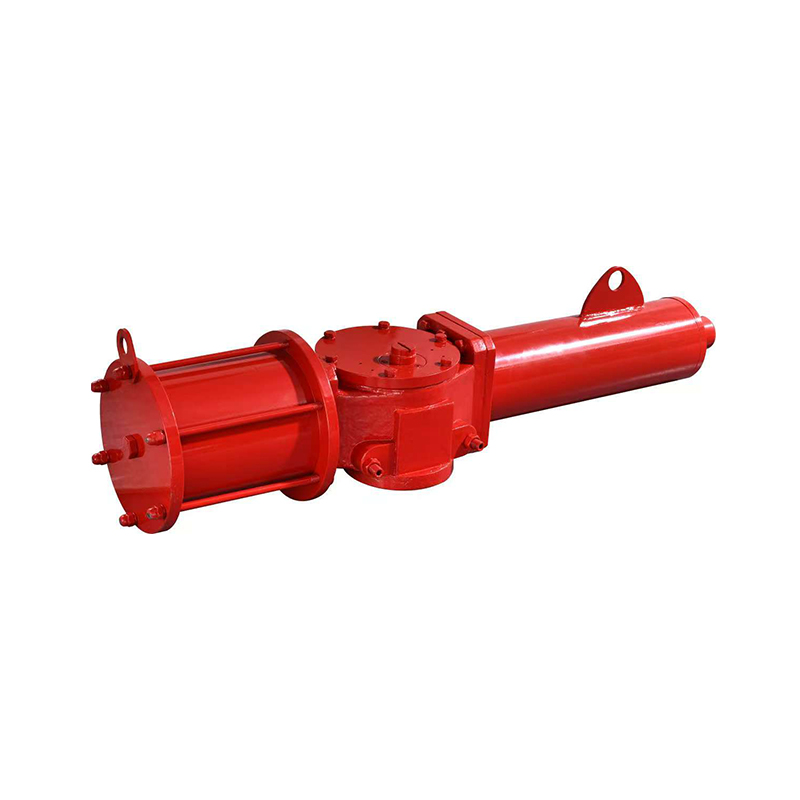
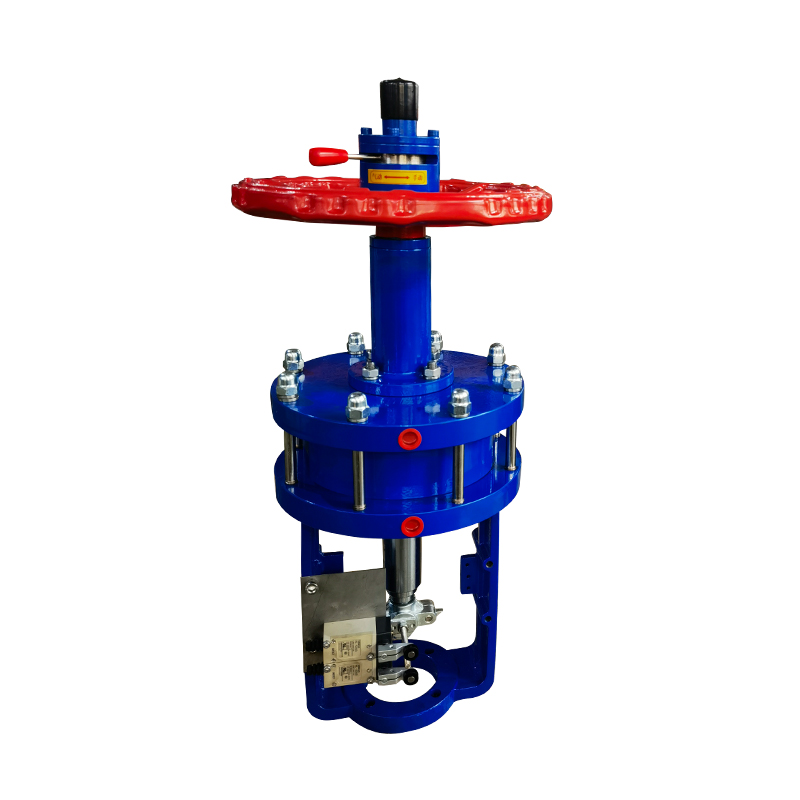
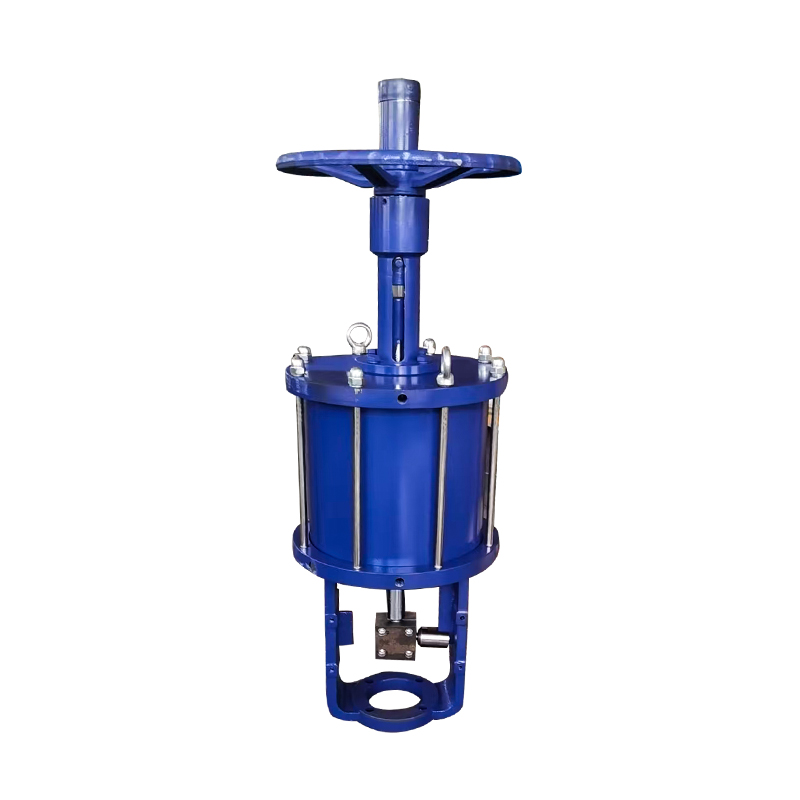
Retrofit projects deserve their own caution. When an older plant converts a control loop, the positioner, feedback hardware, and control-system integration usually demand more engineering hours than the actuator swap itself. Budget those pieces together, or the project will stall during commissioning. Teams planning such upgrades can review our pneumatic control valve lineup to see how actuator and positioner packages are configured as one unit.
One more habit separates successful mixed fleets from struggling ones: standardization. Successful sites buy the same positioner family across both power sources, keep naming conventions identical, and train one crew on both hardware types. Struggling sites collect a different device generation on every project, and their technicians spend half of every repair figuring out which manual applies. The power source debate matters less than this discipline, whatever the fleet decides.
Questions Buyers Ask Before Deciding
- Can electric hardware still provide fail-safe action? Yes, through spring-return designs or backup power, but each route adds cost and an approval review, while air provides it by default.
- Is one option always cheaper to run? No. Loop count, existing infrastructure, and duty cycle decide the outcome, so a general answer would mislead more than it helps.
- Do air systems waste energy? Leaks waste energy. A maintained header with a filter-regulator at each valve keeps consumption reasonable, and audits should chase leaks before hardware swaps.
- Can both technologies coexist on one site? Plants do it routinely. Keep naming and documentation conventions identical across the two fleets, or the mix will generate confusion instead of insight.
The rise of electric actuation is a healthy push. It retired lazy specifications and forced every supplier to explain the reasoning behind a recommendation. But headlines reward novelty, while plants reward reliability at the loop level. Our pneumatic stop valve range ships to both kinds of projects, air-driven and motor-driven, and the split is decided by duty, not by fashion. Match the power source to the work, document the reasoning while the evidence is fresh, and the valve will spend its life doing quiet, invisible service regardless of which technology the trade press celebrates next. Ten years from now, nobody on your crew will remember which trend the specification followed; they will only remember whether the loops held their setpoints through every summer peak and every winter night.