

 English
 русский



In modern industrial and automation systems, controlling the flow of air or fluids accurately is essential. A Pneumatic Stop Valve provides reliable shut-off capabilities in pneumatic systems, allowing operators to stop or isolate flow when needed. These valves are widely used in manufacturing plants, processing facilities, and machinery where precise control of compressed air or other gases is required.
Structure and Working Principle
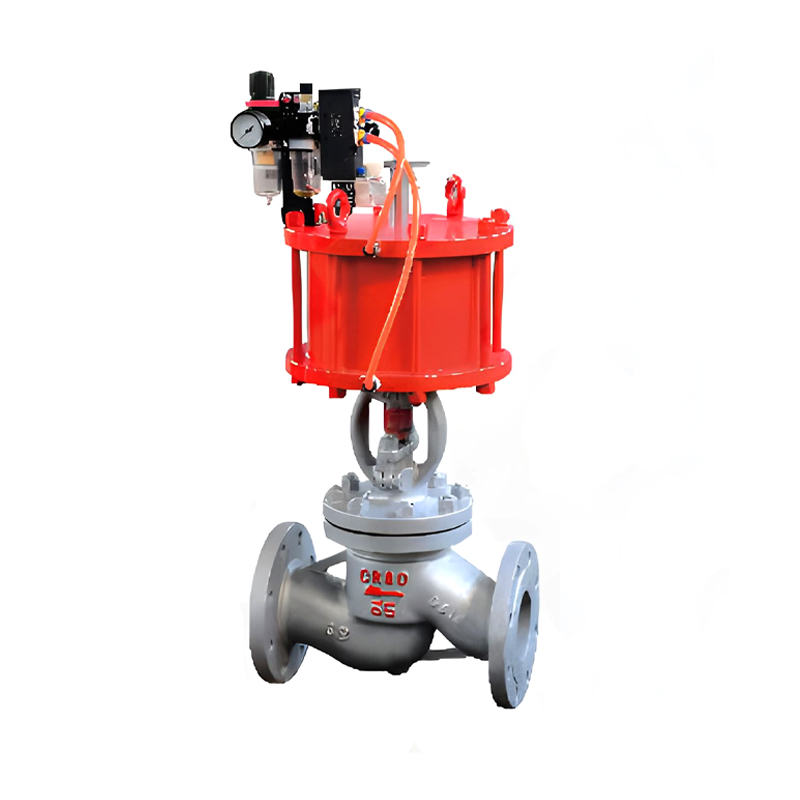
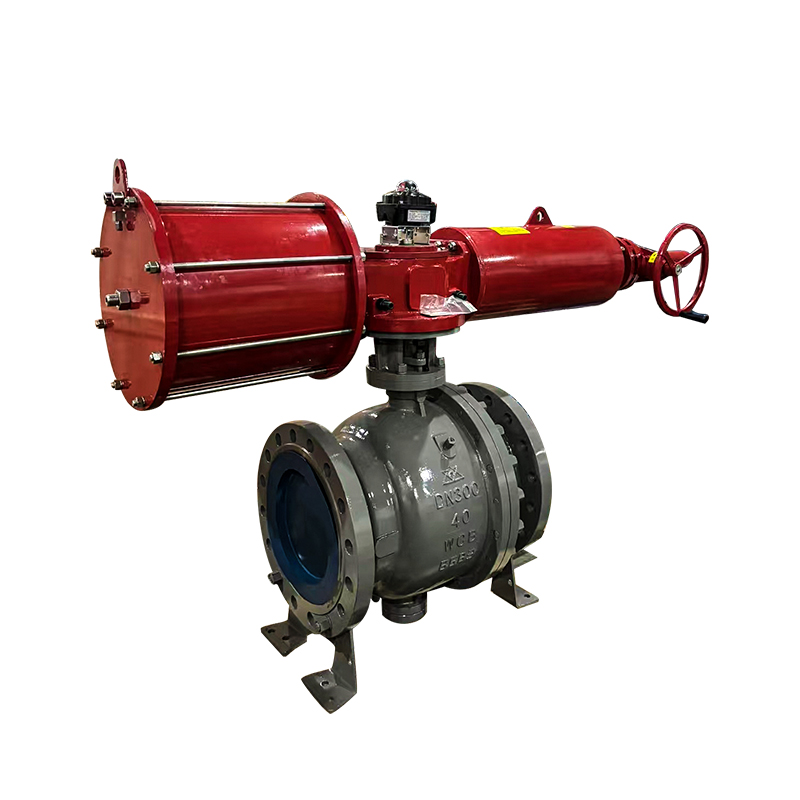
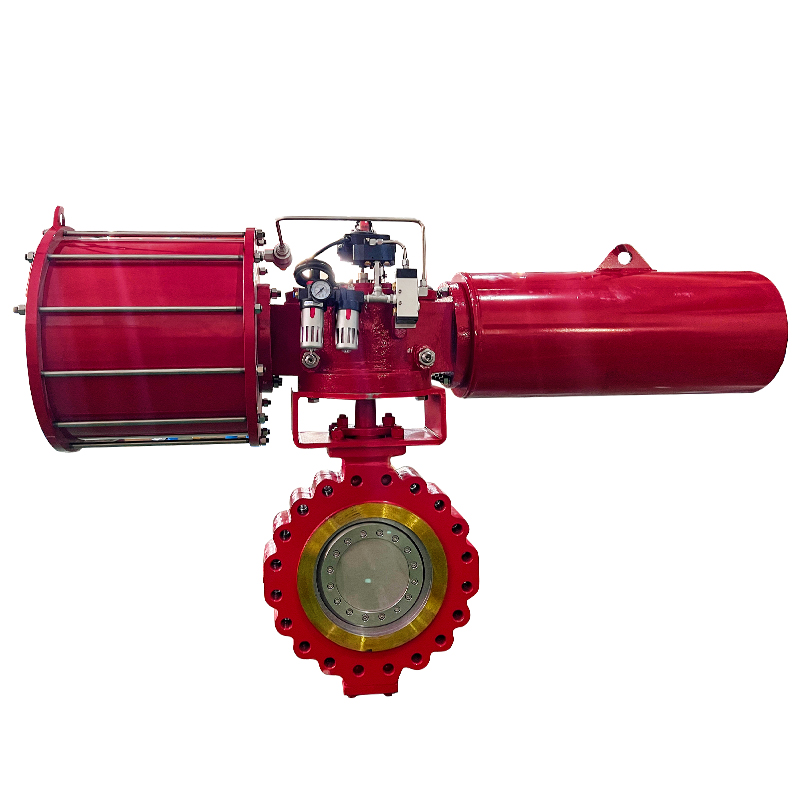
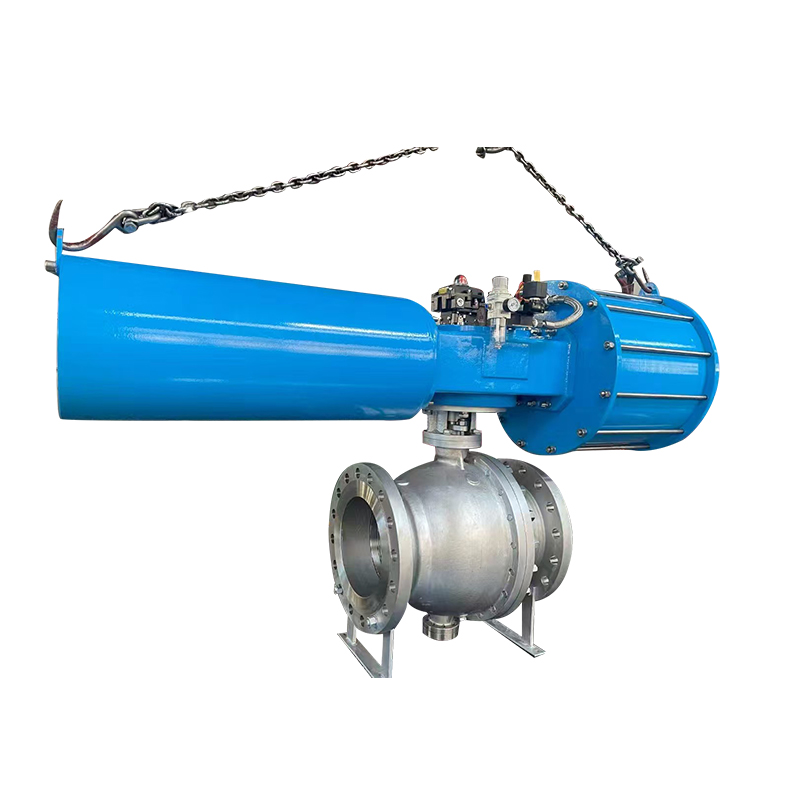
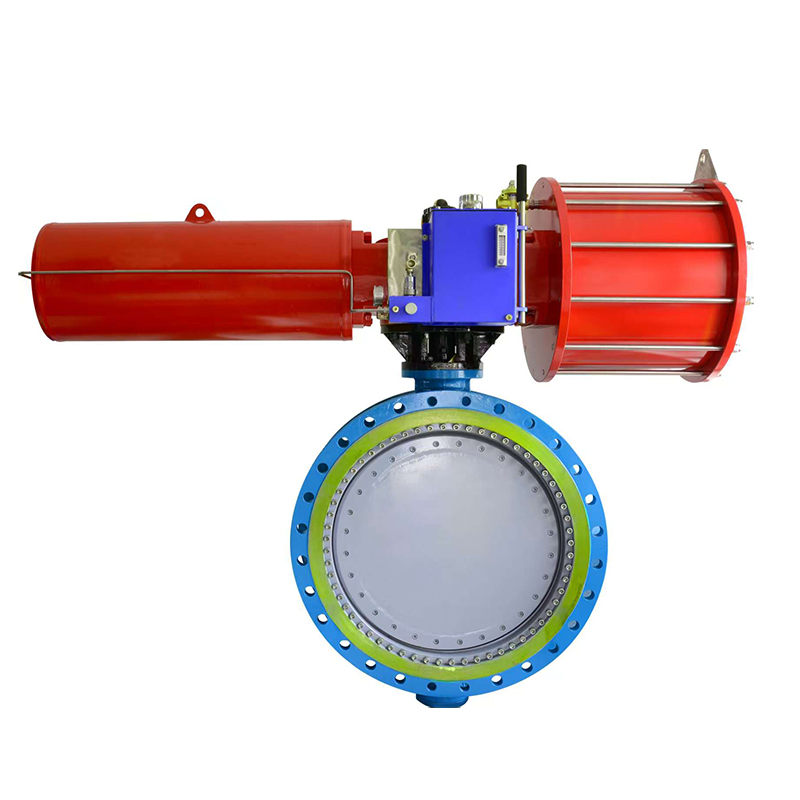
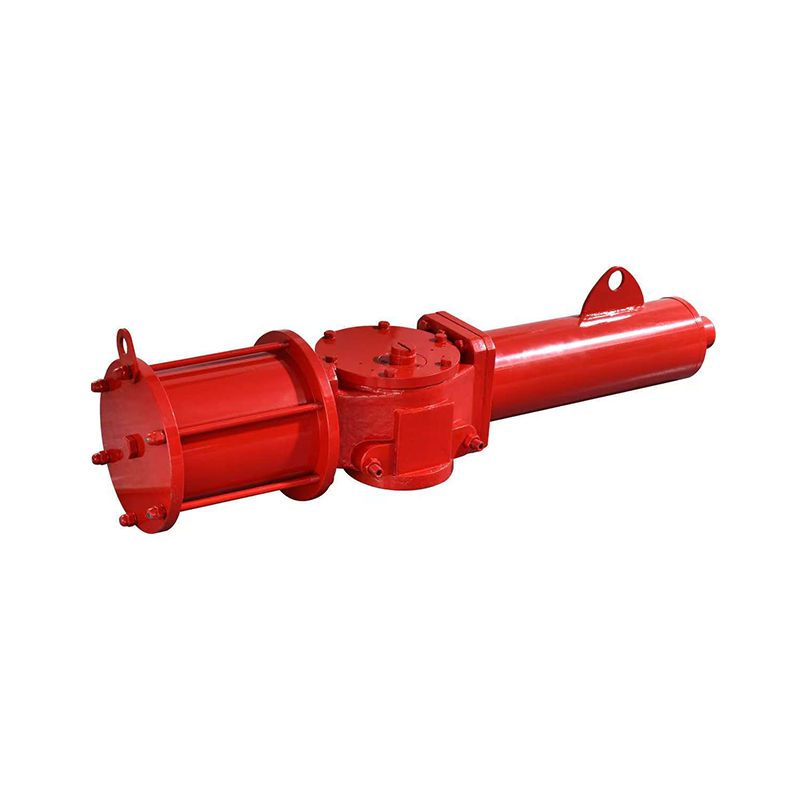
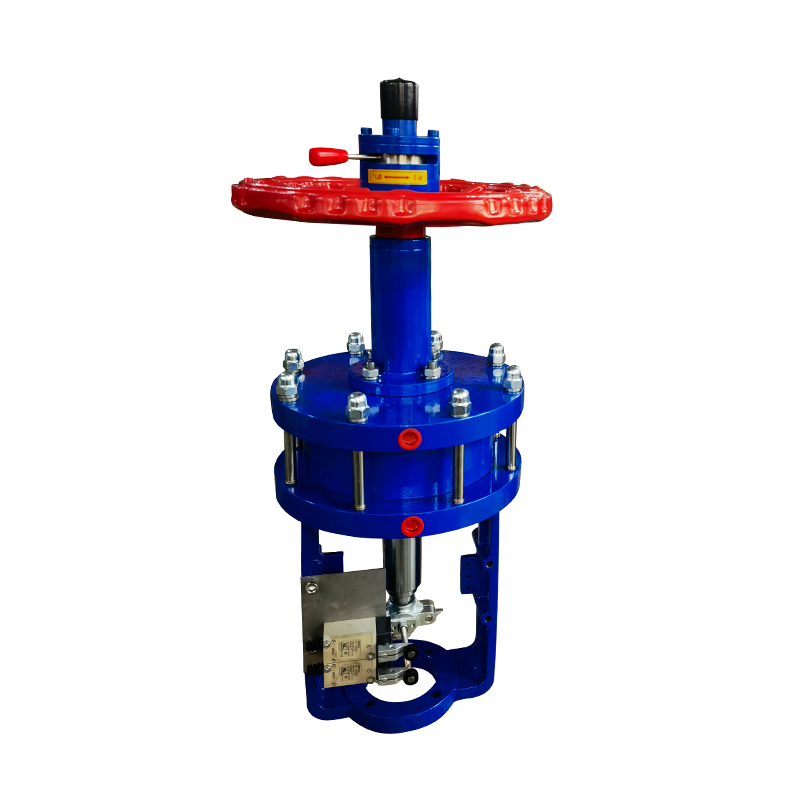
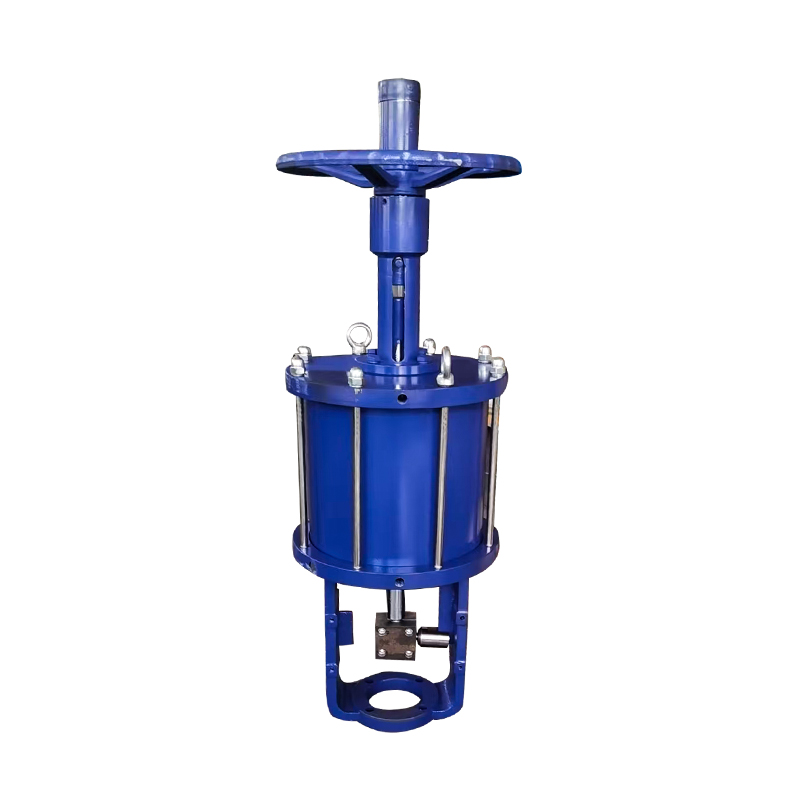
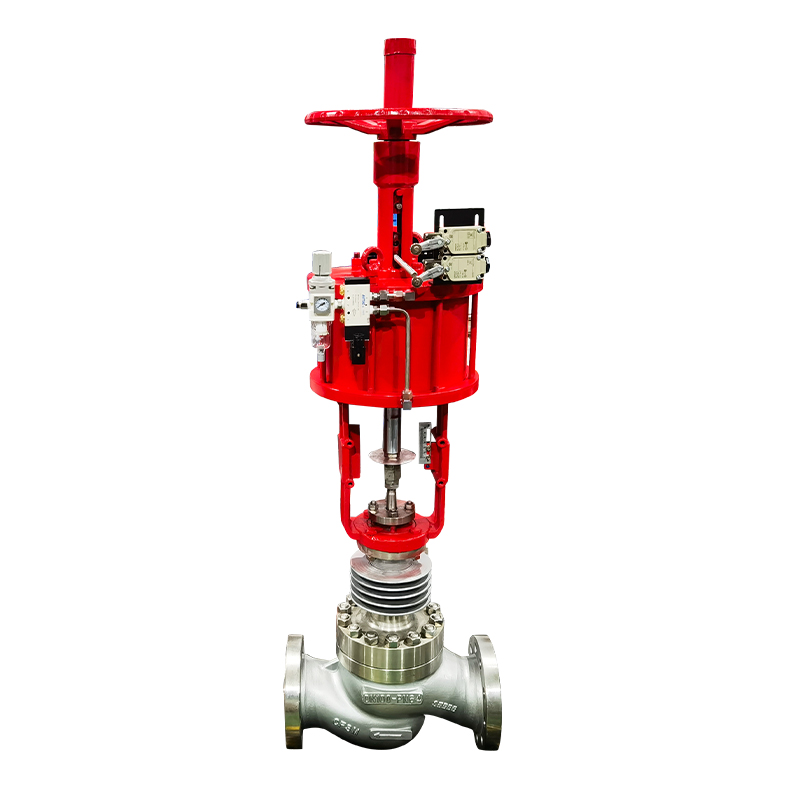
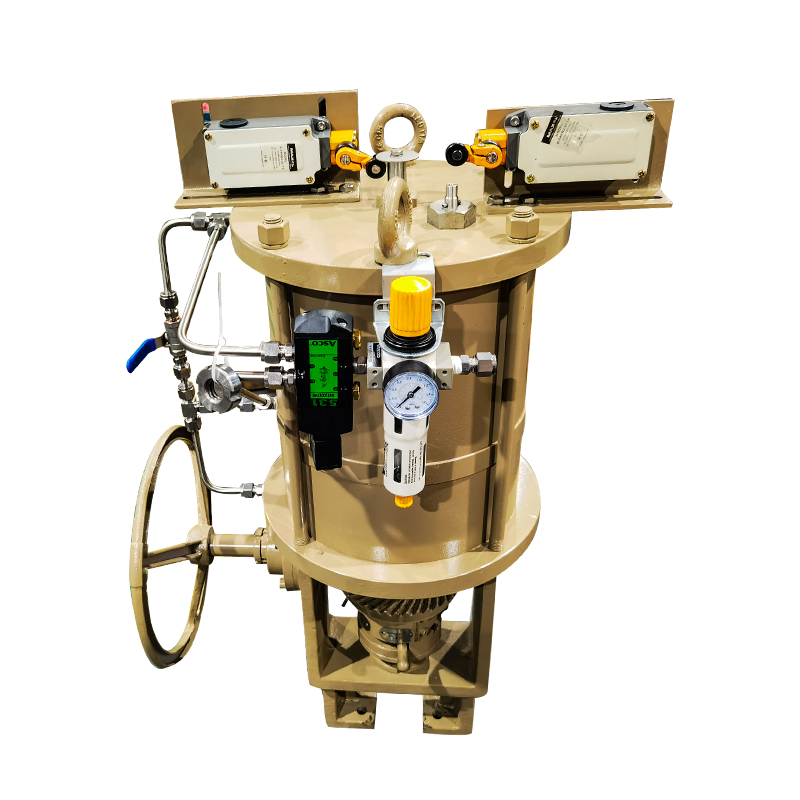
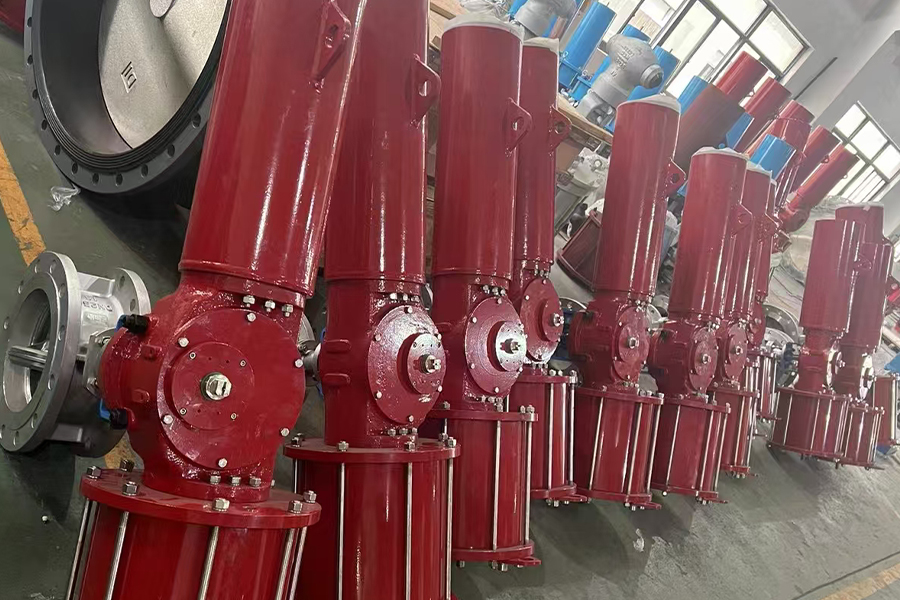
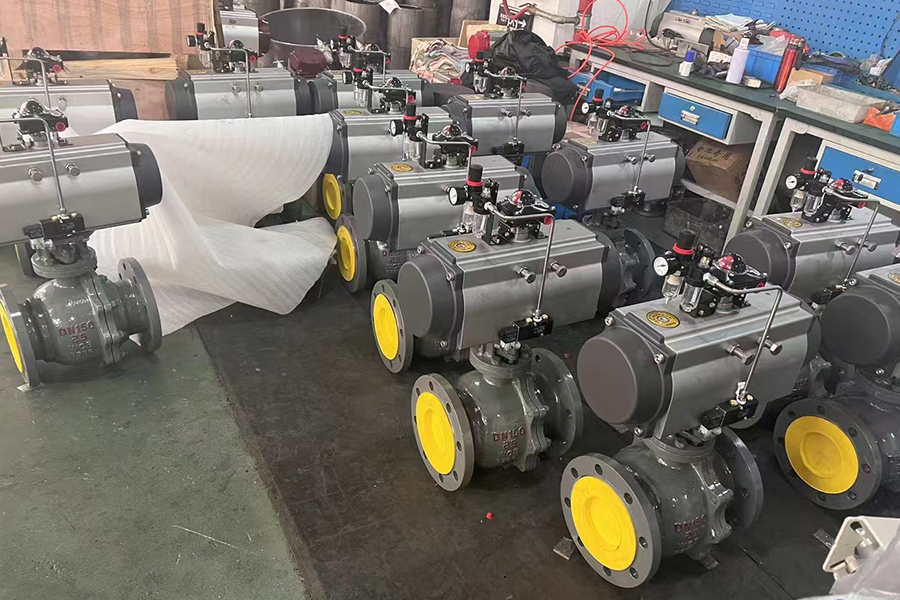
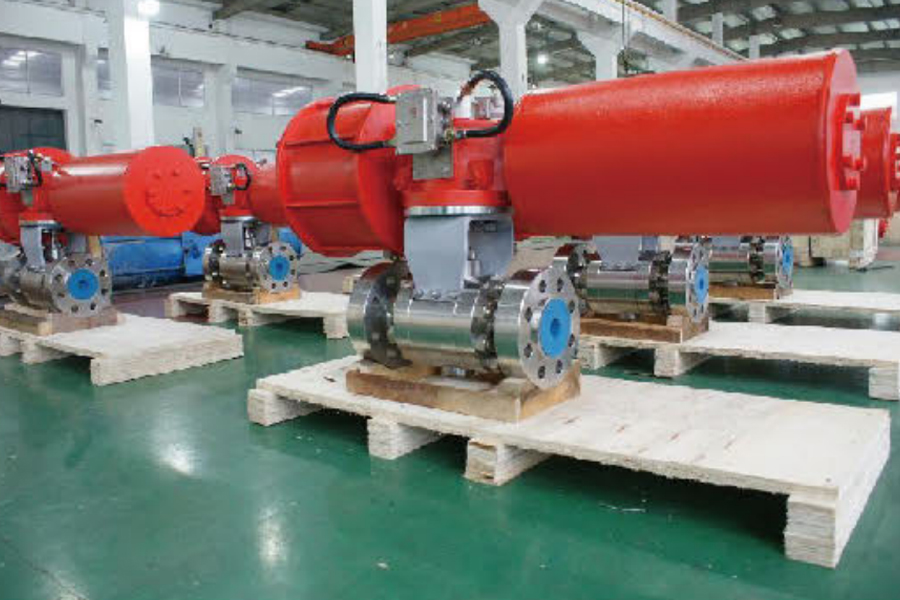
A Pneumatic Stop Valve typically consists of a valve body, a stem, a seal, and a pneumatic actuator. The actuator controls the movement of the valve stem, which opens or closes the passage inside the valve body. When the valve is closed, the seal prevents the flow of air or fluid, and when open, the medium passes through without obstruction.
The valve body is commonly made from materials like stainless steel, brass, or aluminum to ensure corrosion resistance and durability. Seals are often made of synthetic rubber or PTFE to maintain airtight closure. By using a pneumatic actuator, the valve can operate remotely or automatically as part of a control system.
Applications in Industrial Systems
Pneumatic Stop Valves are essential components in systems where rapid or precise shut-off is required. They are used in pneumatic circuits, process automation, chemical handling, and compressed air distribution. For example, in manufacturing lines, these valves can quickly isolate sections of equipment for maintenance without affecting the rest of the system.
In automated processes, pneumatic stop valves help improve safety and efficiency by integrating with sensors and controllers. They provide quick response times and reliable operation, which reduces downtime and supports smooth workflow.
Advantages and Control Features
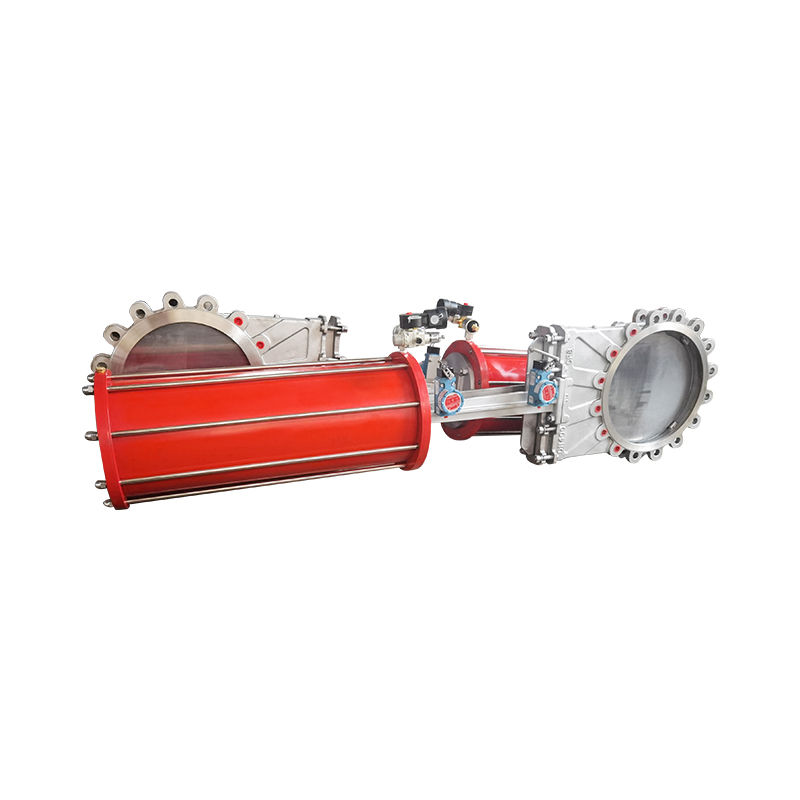
One of the advantages of a Pneumatic Stop Valve is its ability to be controlled remotely, often using solenoids or air pressure signals. This allows operators to manage flow without manual intervention, which is particularly useful in large or hazardous installations.
Additionally, these valves offer reliable sealing even under fluctuating pressures. The pneumatic actuation ensures consistent opening and closing speed, reducing wear on the valve components and maintaining long-term performance.
Installation and Maintenance
Installing a Pneumatic Stop Valve requires proper alignment with the piping system and correct connection to the pneumatic actuator. Standard flange or threaded connections are commonly used depending on the system design. Regular inspection of seals, actuators, and valve bodies helps maintain performance and prevents leaks.
Maintenance is generally straightforward, involving periodic lubrication, seal replacement, and actuator checks. Proper maintenance ensures that the valve continues to operate efficiently, minimizing disruptions in pneumatic systems.
Selection Considerations
When selecting a Pneumatic Stop Valve, factors such as pressure rating, valve size, actuator type, and material compatibility should be considered. Understanding the operating environment and flow requirements helps ensure that the valve meets system needs.
In addition, integration with control systems should be evaluated. Pneumatic stop valves with standard actuator interfaces or solenoid options simplify automation and allow seamless connection to controllers or monitoring devices.
A Pneumatic Stop Valve is a reliable solution for controlling and isolating flow in pneumatic and fluid systems. Its combination of durable materials, pneumatic actuation, and precise sealing ensures effective performance in various industrial applications. By selecting the right valve and maintaining it properly, operators can improve system efficiency, safety, and operational reliability. Understanding the design and function of pneumatic stop valves helps engineers and plant managers make informed decisions for their automation and flow control needs.