

 English
 русский



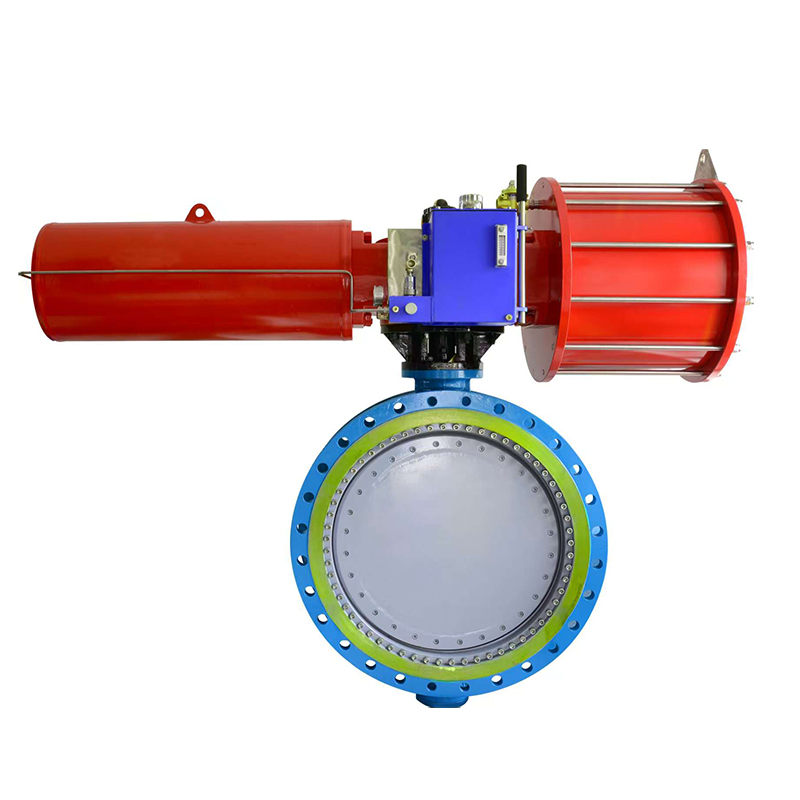
Pneumatic systems are widely used in industrial automation for controlling airflow, pressure, and movement in machinery. Among the various components, the fork type pneumatic valve plays a crucial role in regulating compressed air to achieve precise motion and control. Its design and function make it suitable for applications ranging from packaging machines to material handling equipment.
1. Understanding the Fork Type Pneumatic Valve
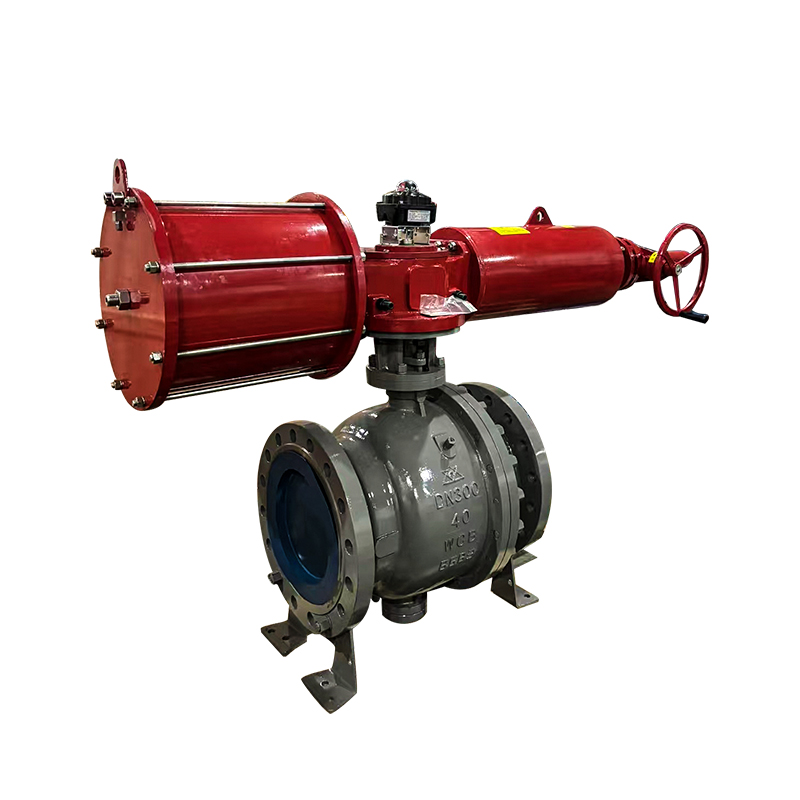
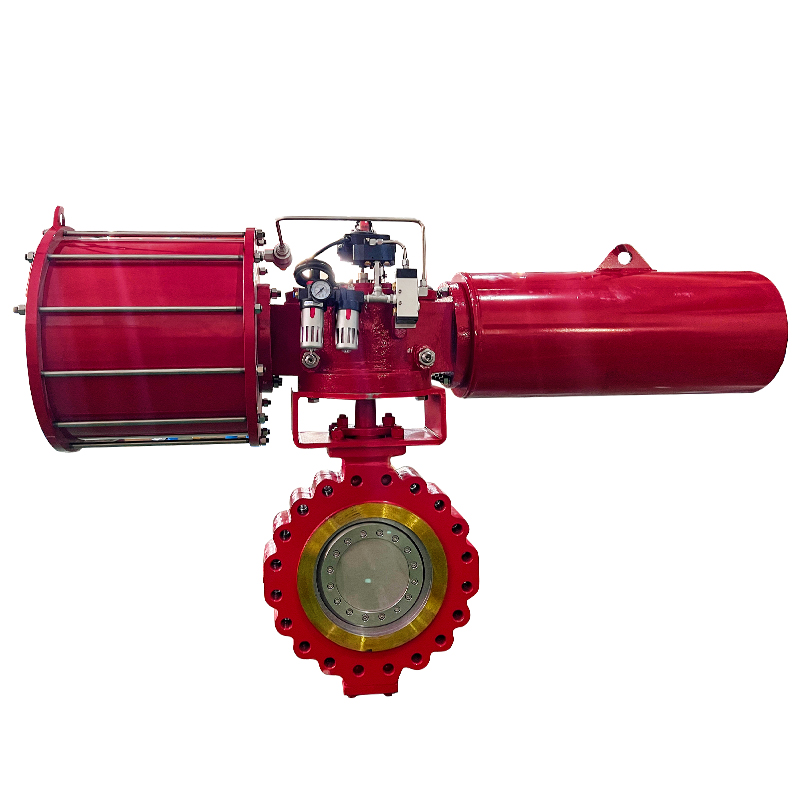
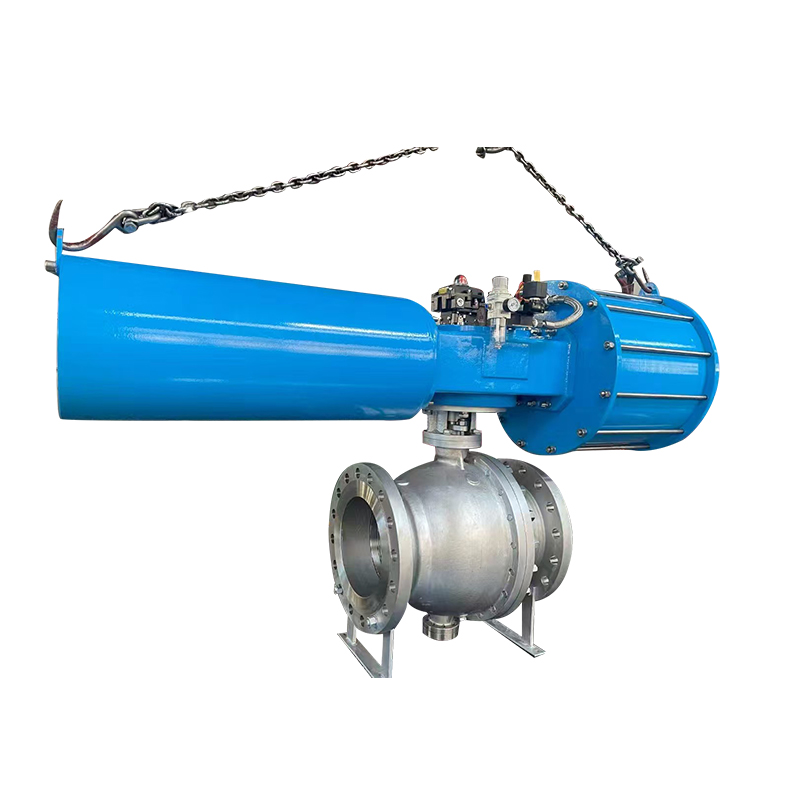
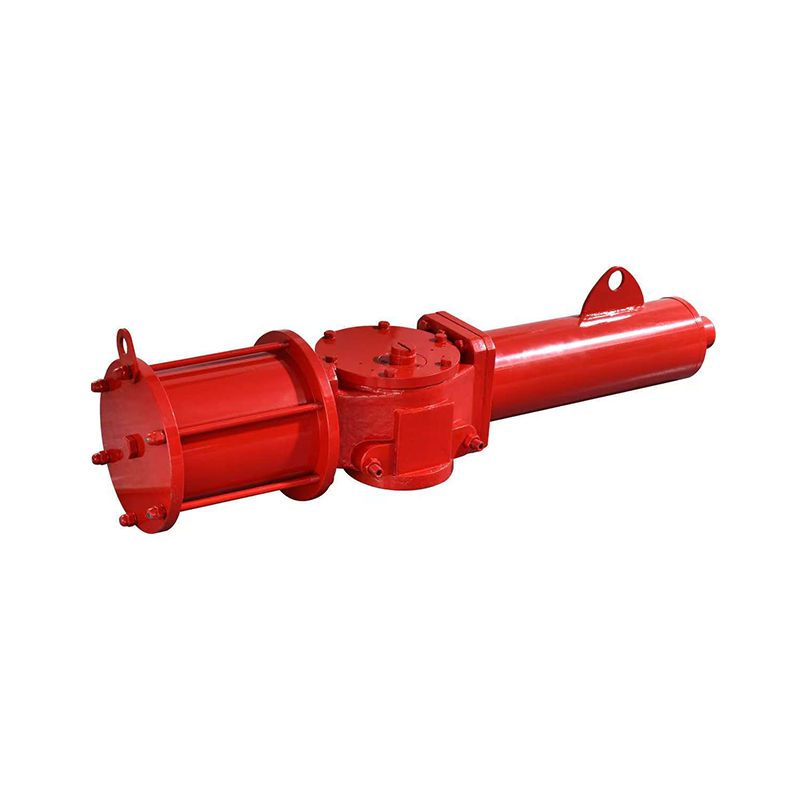
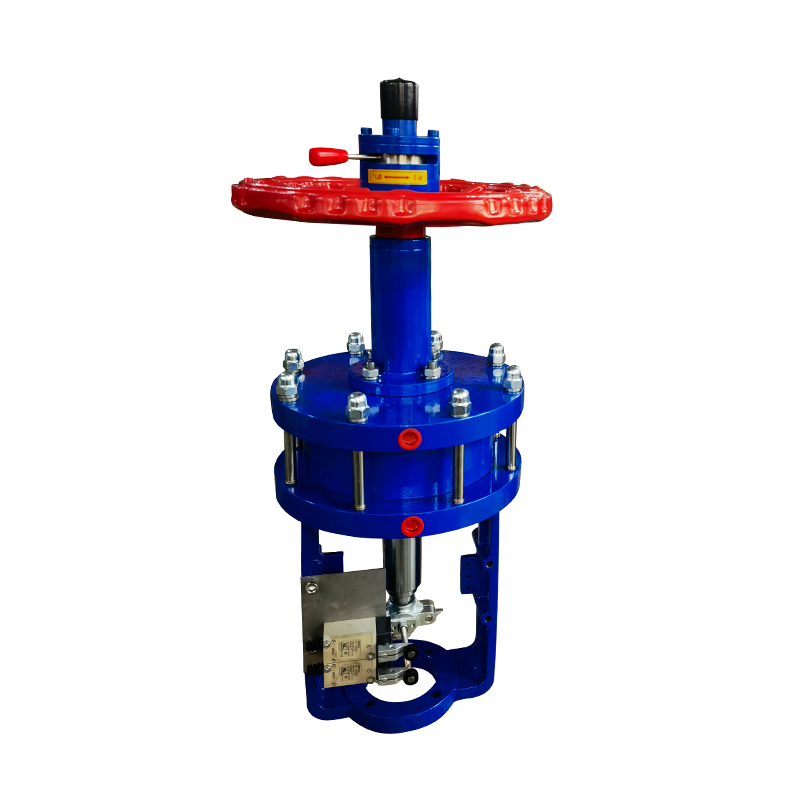
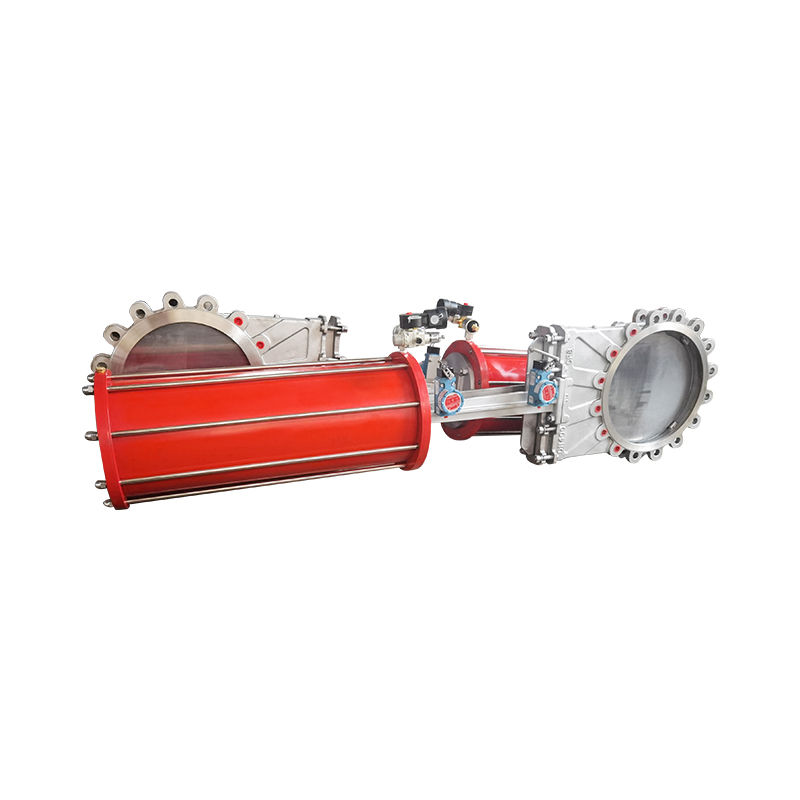
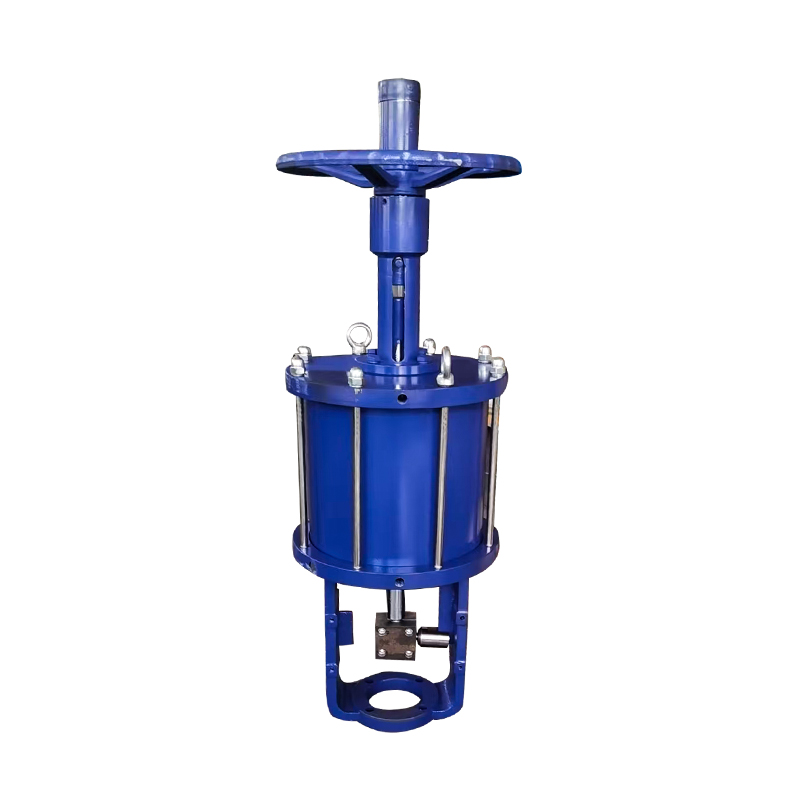
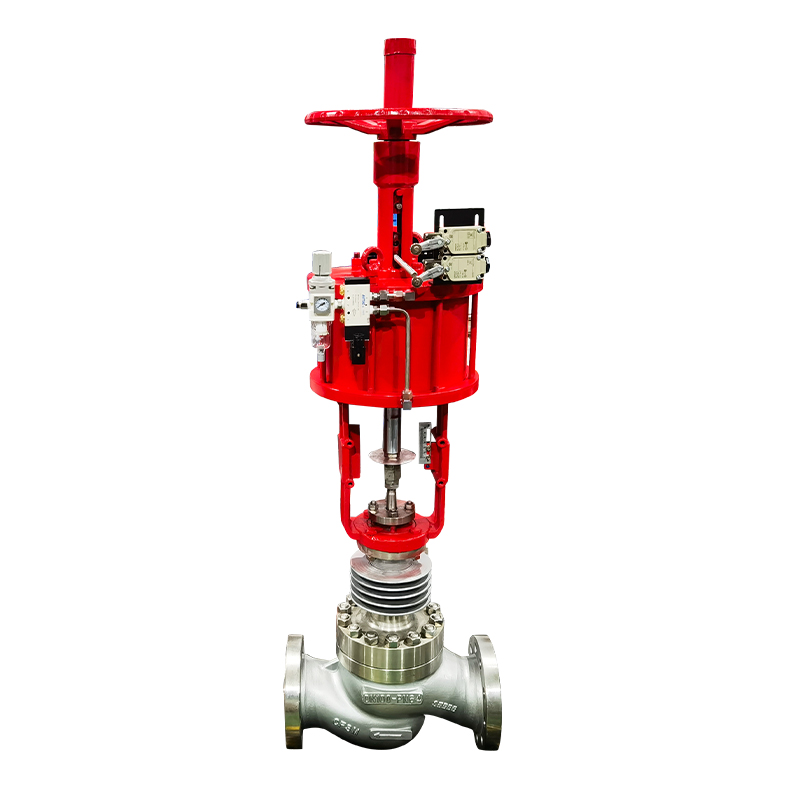
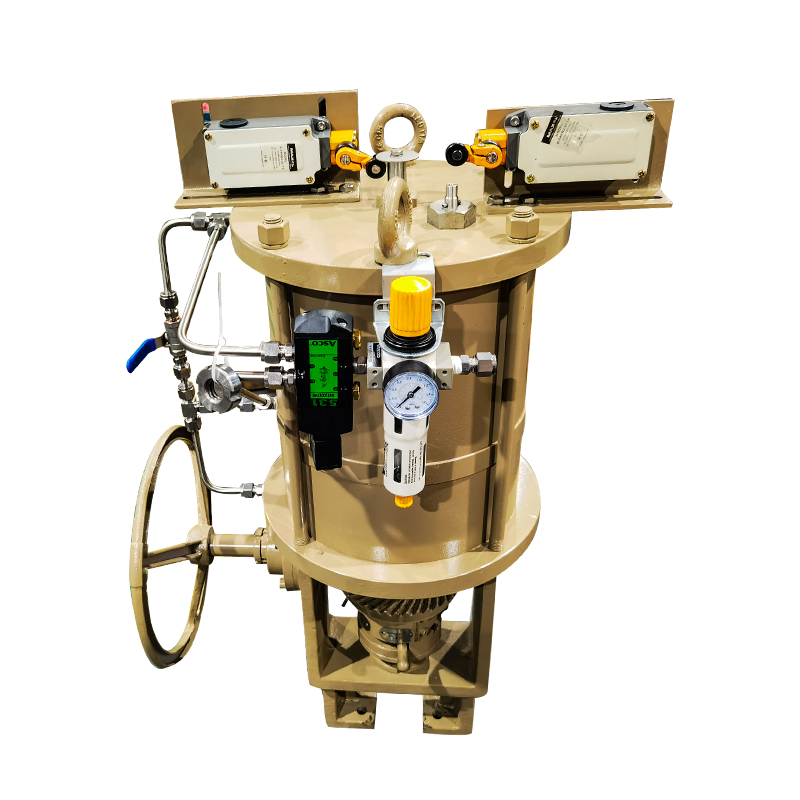
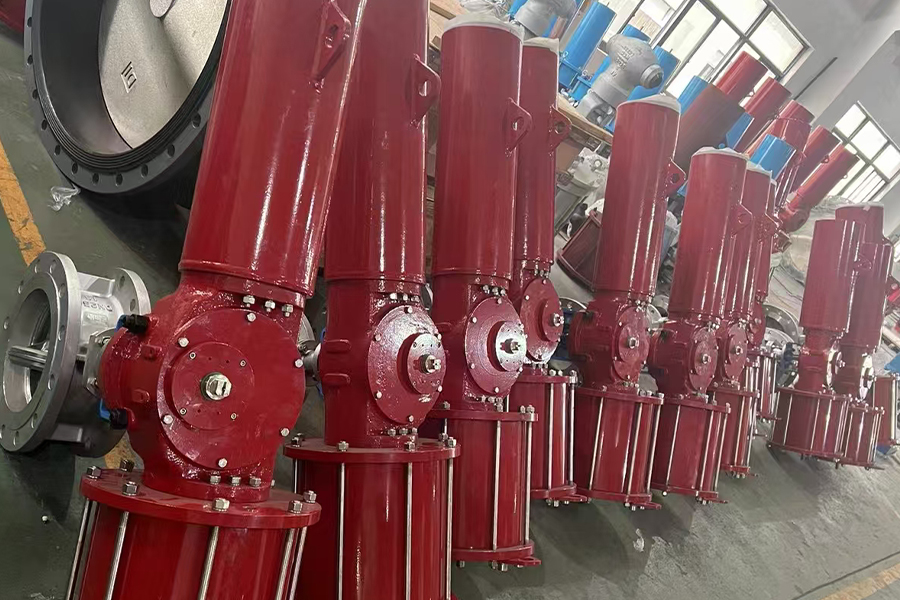
A fork type pneumatic valve is designed to control the flow of compressed air within a pneumatic system. Unlike standard valves, its fork-shaped actuator or lever allows easy operation and integration with mechanical linkages. By adjusting the position of the fork mechanism, the valve opens or closes, regulating airflow to connected cylinders or devices.
This type of valve is often used in systems that require reliable and consistent air control, ensuring that automated processes operate smoothly and safely.
2. Materials and Construction
The durability of a fork type pneumatic valve depends on the materials used in its body, seals, and internal components. Manufacturers often use corrosion-resistant metals such as aluminum or stainless steel for the valve body, while high-quality synthetic materials are used for seals and gaskets.
- Valve body: Provides structural strength and resists pressure fluctuations.
- Seals: Ensure airtight performance, preventing leakage in pneumatic circuits.
- Fork mechanism: Precision-machined to allow smooth actuation and long service life.
High-quality construction helps maintain consistent operation, even in demanding industrial environments.
3. Operational Benefits
Using a fork type pneumatic valve offers several advantages:
- Precise airflow control: Ensures accurate movement of cylinders and actuators.
- Durability: Designed to handle repeated cycles without wear.
- Compatibility: Works with standard pneumatic components and fittings.
- Ease of maintenance: Simple disassembly and cleaning prevent downtime.
These benefits make the fork type pneumatic valve a practical choice for factories and automated production lines.
4. Applications in Automation
A fork type pneumatic valve is commonly found in industrial machinery and automated systems. Typical applications include:
- Packaging lines that require rapid movement of mechanical parts
- Conveyor systems with pneumatic sorting or positioning
- Robotic arms or manipulators in assembly operations
- Pneumatic presses and lifting devices
Its reliable operation and adaptability allow engineers to design systems with predictable performance and minimal air loss.
5. Installation and Safety Considerations
Installing a fork type pneumatic valve requires attention to alignment, connection quality, and airflow direction. Proper installation ensures smooth actuation and reduces the risk of leakage or mechanical failure.
For safety, it is important to follow manufacturer guidelines regarding pressure limits, actuation force, and routine maintenance. Correctly installed valves contribute to longer system life and lower maintenance costs.
6. Customization and Variants
Some manufacturers offer customized fork type pneumatic valves to meet specific industrial requirements. Options may include different sizes, pressure ratings, fork lengths, or actuation methods. These variations allow engineers to integrate the valve seamlessly into existing systems while meeting performance expectations.
A fork type pneumatic valve is an essential component for controlling airflow in industrial and automated systems. Its durable construction, precise actuation, and adaptability make it suitable for a wide range of applications, from assembly lines to robotic equipment. By selecting a reliable valve and following proper installation and maintenance procedures, businesses can ensure consistent performance, efficiency, and safety in their pneumatic systems.